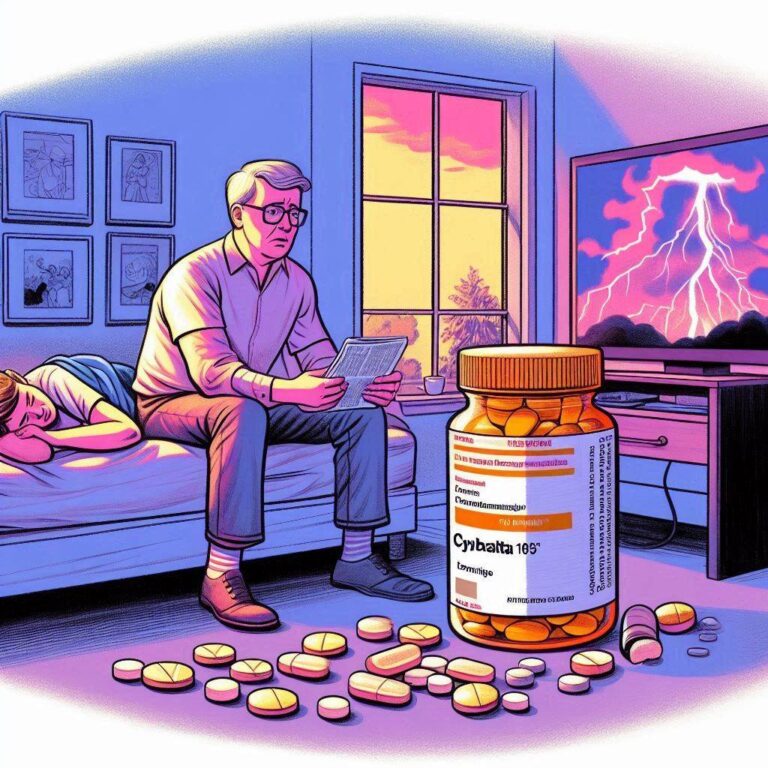
As Addiction Rises Children are Paying the Price for their Parents Dependence
In recent years, the foster care numbers in the US had been on the decline. Now, for the third year in a row, the foster care system has increased. New federal data factors indicate expanding substance abuse by parents.
The yearly report from the Department of Health and Human Services showed 427,910 children in the foster care system as of September 30, 2015, a number up from about 414,429 the year earlier. In its peak there were 524,000 children in foster care in 2002, and the number had dropped steadily to about 397,000 in 2012 before rising again.
Foster Children in Florida, Indiana, Arizona, Minnesota and Georgia had the largest rise in population in 2015, to nearly three quarters
Mark Greenberg, HHS acting assistant secretary for children and families explains “The national number of children in foster care is still far below where it was 10 years ago, but any increase is cause for concern”
National data doesn’t identify how many children are removed from their homes just because of a parent’s substance abuse. And there’s no one standard for how states report substance abuse and child neglect. But many state officials say the surge in foster care cases is a direct result of the drug epidemic. Seeking to explain the increase, HHS said parental substance abuse was cited as factor in 32.2 percent of the 2015 cases in which a child was removed from home — up from 28.5 percent in 2012.
Representatives at HHS’s Administration on Children, Youth and Families spoke to child welfare directors in states suffering from the highest increases in foster care numbers, and were told that a rise in parental abuse of opioids and methamphetamine was one primary factor.
Unfortunately, with addiction running so rampant across the united states, placement within extended family isn’t always an option. State officials said substance abuse is sometimes affecting entire extended families and neighborhoods, often making a child’s placement with relatives unfeasible.
“Investing in prevention, treatment and innovative approaches is critical to keeping children safe and families together and strong,” said Rafael Lopez, commissioner of the Administration on Children, Youth and Families. “We can, and must, do better.”
Children of all ethnicities are being affected and of the children in foster care a year ago, 52 percent were boys. Twenty-one percent were Hispanic, 24 percent black and 43 percent white. Just under 103,000 of them were available for adoption.
During the 2015 fiscal year, 52,931 children were adopted from foster care, roughly the same as in 2014, while 20,789 youths in their late teens aged out of the system without being placed with a permanent family. That means the parent was never able to fix the issue that caused the child to be placed outside of the home, be it homelessness or drug addiction.
This doesn’t have to be the norm for addict’s children, and there are options for willing parents who would like to keep their children out of the growing statistics and reunite their families in a healthy, life changing way. If you or a loved one need more information regarding the types of treatment available to parents and their children, please contact the hyperlink for family rehabs.