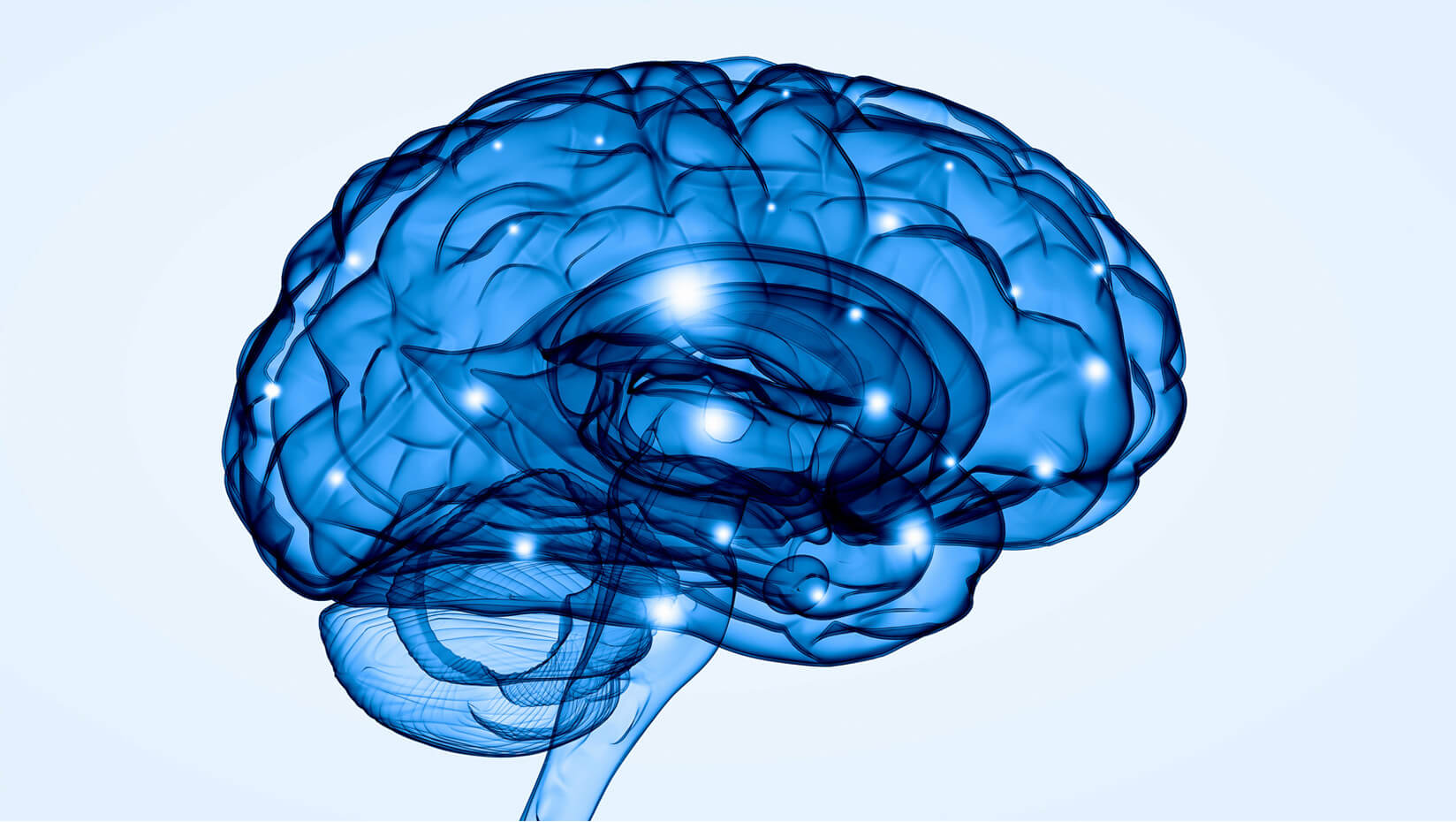
Exploring the Neurobiology of Addiction and How Substances Affect the Brain in Oakland, California
Understanding Substance Use Disorder (SUD) in Oakland
Substance use disorder (SUD) is a serious public health issue that affects individuals in Oakland, California. It is characterized by a compulsive pattern of drug or alcohol use, despite negative consequences. SUD can have devastating effects on an individual’s physical and mental health, as well as their relationships and overall quality of life.
Call Us for Advice (888) 510-3898
The Role of Dopamine Pathways in Addiction
Dopamine is a neurotransmitter that plays a key role in the brain’s reward system. When we engage in activities that are pleasurable, such as eating food or engaging in social interactions, dopamine is released in the brain, creating a sense of pleasure and reinforcing the behavior. Drugs and alcohol can also trigger the release of dopamine, leading to feelings of euphoria and reinforcing the desire to continue using substances.
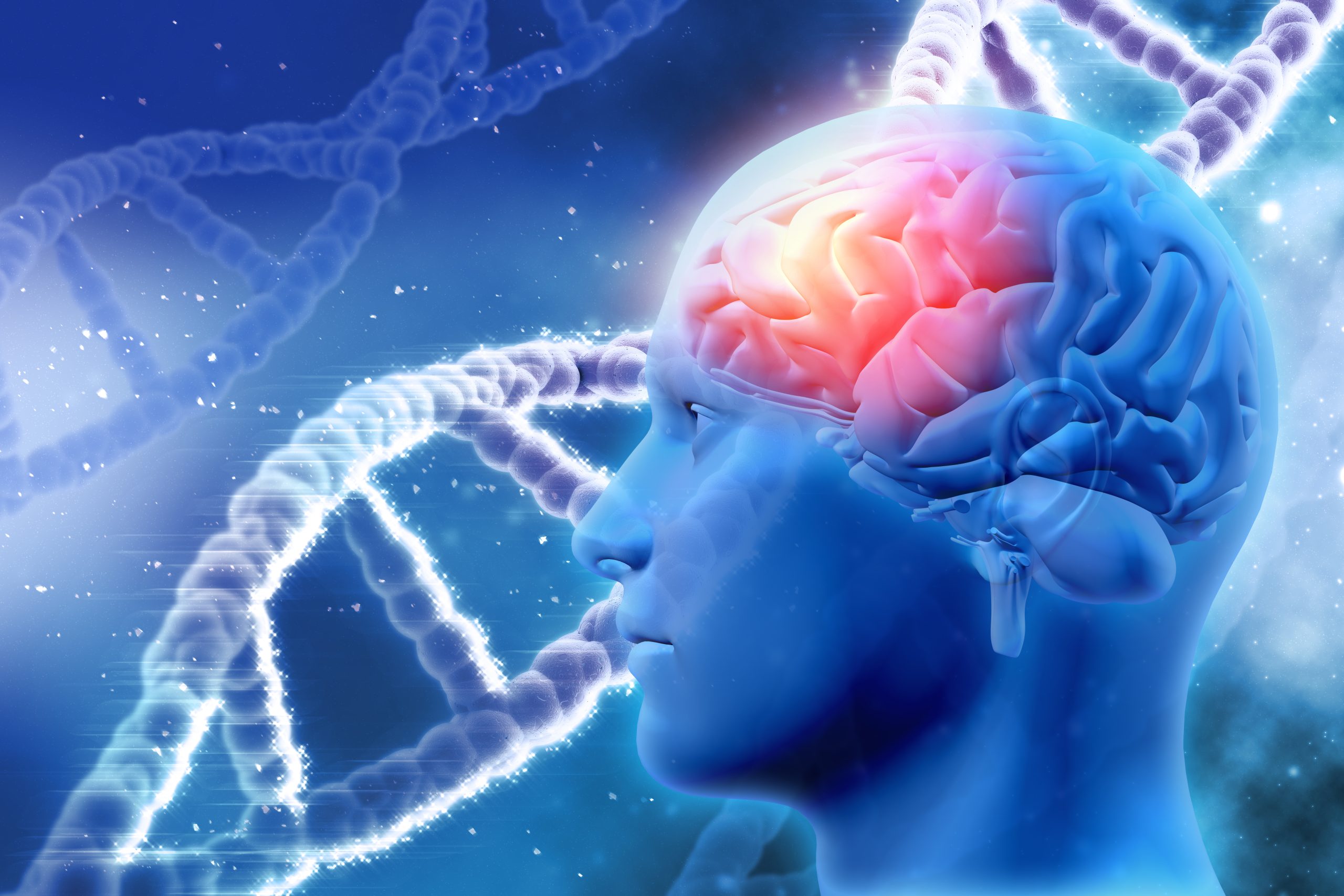
The Reward System and Neurotransmitters in the Brain
The brain’s reward system is a complex network of neurotransmitters and pathways that regulate our motivation, pleasure, and reward responses. When an individual uses drugs or alcohol, they can hijack this system, leading to the development of addiction. Neurotransmitters such as dopamine, serotonin, and norepinephrine play a crucial role in the reward system and can be disrupted by substance abuse.
Understanding the Neurobiology of Addiction
Neurobiology refers to the study of the nervous system and how it functions at a cellular and molecular level. Addiction is a chronic brain disease that is characterized by compulsive drug seeking and use, despite harmful consequences. It is a complex interplay of genetic, environmental, and neurobiological factors that contribute to the development of addiction.
How Substances Affect the Brain in Oakland
In Oakland, California, substances such as opioids, methamphetamine, and alcohol are commonly abused, leading to a significant impact on the brain. These substances can alter the brain’s chemistry, structure, and function, leading to changes in behavior, cognition, and emotional regulation. Chronic substance abuse can also lead to long-term damage to the brain, affecting memory, decision-making, and impulse control.
The Road to Recovery in Oakland
Recovery from addiction is possible with the right treatment and support. In Oakland, there are a variety of resources available for individuals struggling with substance use disorder, including detox programs, residential treatment centers, outpatient therapy, and support groups. Seeking help is the first step towards overcoming addiction and reclaiming a healthy, fulfilling life.

Looking for Help?
If you’re seeking understanding and support in navigating the complexities of addiction and its impact on the brain in Oakland, California, The Recover is here for you. Our dedicated team combines compassion with evidence-based approaches to explore the neurobiology of addiction. Whether you or a loved one are on the path to recovery or looking for insights into the effects of substances on the brain, our expert professionals are ready to guide you. Contact us today to embark on a journey toward recovery, empowerment, and lasting well-being.

FAQ’s
-
Q: How does addiction impact the brain’s neurobiology?
- A: Addiction profoundly influences the brain’s neurobiology by altering neural circuits associated with pleasure, reward, and decision-making. Substance abuse can lead to persistent changes, impacting an individual’s behavior and creating a cycle of dependence.
-
Q: What role do neurotransmitters play in the neurobiology of addiction?
- A: Neurotransmitters act as messengers in the brain, transmitting signals between nerve cells. Substance abuse can disrupt the balance of neurotransmitters, affecting mood, motivation, and the brain’s ability to experience pleasure, contributing to addictive behaviors.
-
Q: How do substances like drugs and alcohol affect the reward system in the brain?
- A: Substances stimulate the brain’s reward system by triggering the release of dopamine, a neurotransmitter associated with pleasure. With repeated use, the brain adapts, reducing natural dopamine production and leading to the need for more substances to achieve the same pleasure response.
-
Q: Can addiction change the structure of the brain?
- A: Yes, addiction can induce structural changes in the brain, impacting areas responsible for decision-making, learning, and impulse control. These changes can contribute to the compulsive behaviors characteristic of addiction.
-
Q: How does tolerance develop in the context of addiction?
- A: Tolerance occurs when the brain adapts to the presence of substances, requiring larger amounts to achieve the desired effect. This phenomenon contributes to the progression of addiction as individuals seek increased doses to experience the same level of intoxication.
-
Q: What is withdrawal, and how does it relate to the neurobiology of addiction?
- A: Withdrawal is the body’s reaction when substance use is reduced or discontinued. It occurs due to the brain’s attempt to regain balance without the presence of substances. Withdrawal symptoms can be challenging and often drive continued substance use.
-
Q: Are there genetic factors influencing the neurobiology of addiction?
- A: Yes, genetics play a role in addiction susceptibility. Certain individuals may have a genetic predisposition that makes them more vulnerable to developing addictive behaviors when exposed to substances.
-
Q: Can the neurobiology of addiction be reversed with treatment?
- A: Comprehensive addiction treatment can lead to positive neurobiological changes. Behavioral therapies, counseling, and medications can help restore balance in the brain, promoting recovery and reducing the impact of addiction-related alterations.
-
Q: How does The Recover approach the exploration of the neurobiology of addiction in its content?
- A: The Recover is committed to providing accurate and insightful information about addiction and its neurobiological aspects. Our content explores the latest research, treatment approaches, and expert insights to enhance understanding and support individuals on their recovery journey.
-
Q: Are there ongoing studies or advancements in understanding the neurobiology of addiction?
- A: Yes, ongoing research continues to advance our understanding of the neurobiology of addiction. The Recover stays abreast of these developments, ensuring our audience receives up-to-date and relevant information on the science behind addiction.