



Dental Care for Patients with Special Needs: Challenges and Strategies
Providing dental care to patients with special needs demands extra attention and approaches. Learn strategies for successful treatment and ensure their oral health.
Adequate dental care is vital. Where patients need special attention, dental care presents unique challenges requiring a personalized treatment plan.
Here, we will look at the specific issues of maintaining oral health in patients with special needs and provide practical solutions.
Understanding the Diverse Needs and Challenges
It’s critical to understand that special needs encompass a wide variety of concerns when it comes to dental treatment. These conditions might be physical, cognitive, developmental, or emotional. Every condition has its own set of challenges that must be addressed in order to give the patient the most significant dental treatment possible.
Several factors may lead to the complexities of dental care for patients with special needs:
- Individuals with neurological disorders, arthritis, or other physical impairments might have difficulty complying with the positioning and handling necessary for dental procedures.
- Anxiety, fear, or aggression towards dental instruments or procedures can make treatment difficult and stressful for the patient and the dental staff.
- Patients with heart disease, respiratory issues, or other systemic conditions might require additional consideration and monitoring during dental procedures.
- Special needs persons might face challenges with daily oral hygiene routines due to limitations or physical constraints.
Effective Strategies for Effective Dental Care
Despite these challenges, several strategies can help dentistry professionals effectively address the dental concerns of patients with special needs.
Pre-procedural Planning:
Thorough history and physical examination:
A detailed understanding of the patient’s medical history, current medications, and any behavioral tendencies is crucial. This information helps in planning a safe and effective treatment plan.
Pre-operative bloodwork and diagnostic imaging:
Depending on the patient’s age, any underlying medical conditions, and the complexity of the surgical procedure, pre-operative bloodwork and diagnostic imaging, such as dental radiographs, may be deemed necessary. These diagnostic measures serve to assess the patient’s overall health status and identify any underlying issues that may potentially compromise the surgical outcome.
Client communication and education:
Dentists should discuss the dental care procedure, potential risks, and home care instructions with the patients. This will foster informed consent and improve post-procedural compliance.
Creating a Positive Experience:
- Stress-free environment:
A calm, serene environment with minimal distractions can significantly reduce patient anxiety. Techniques like pheromone therapy or music therapy can also be beneficial.
- Gentle handling:
Utilizing gentle techniques, positive reinforcement with verbal praise, and an engaging patient approach can help build trust and minimize stress during the procedure.
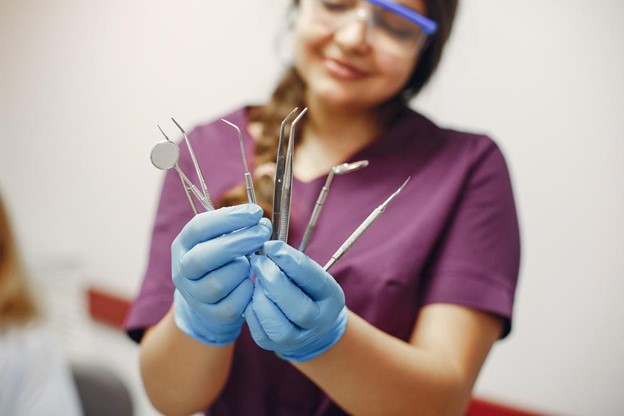
- Specialized dentistry instruments:
Using specially designed dentistry instruments can improve the patient’s comfort and safety during the procedure.
Personalized Dental Care Treatment Options:
- Depending on the severity of the patient’s condition, behavioral concerns, or the complexity of the procedure, sedation or anesthesia might be necessary. This decision should be made on a case-by-case basis, weighing each person’s risks and benefits.
- When possible, opting for minimally invasive techniques like scaling and polishing instead of complete extractions can minimize patient discomfort and shorten recovery time.
- In complex cases, collaboration with dentists or other specialists can provide valuable expertise and ensure optimal patient care.
Post-procedural Care:
Pain management:
Utilizing appropriate pain medication post-procedure helps alleviate discomfort and promote a smooth recovery.
Dietary adjustments:
Providing soft food or a specialized diet for a few days after the procedure can help heal and minimize discomfort during eating.
Home care education:
Educating the patients on proper oral hygiene techniques adapted to their special needs is crucial for maintaining oral health between professional cleanings.
The Influence of Cooperation and Patience
Effective dental treatment for special needs individuals requires patience, empathy, and collaboration among dentists and attendants. Open communication, a calm and kind demeanor, and a readiness to modify treatment plans are all necessary to provide a happy experience for the patient and the caregiver.
By understanding the unique challenges that a person with special needs experiences and applying the measures above, we can ensure that everyone receives the best dental care. A healthy mouth contributes to overall health and well-being, leading to a pain-free and enjoyable life.
Always Prefer Quality Dentistry Instruments
For optimal results, a dental practitioner needs to use quality instruments. GerDentUSA provides specially designed German stainless instruments. These instruments can be relied on to confidently perform dental procedures, saving you time and improving your patient experience.
Moreover, they offer customization options, and you can choose from a wide range, catering to each dental specialty.
FAQs
What are some alternative pain management options for persons with special needs?
Dentists know that not all patients can be given painkillers due to underlying health problems that might result in adverse impacts. So, they may suggest the drug alternatives you may consider for pain management. Opioids, non-steroid anti-inflammatory drugs (NSAIDs), and local anesthetics fall into the category of possible alternative ways to treat dental problems.
How can I maintain good oral health for special needs individuals at home?
Maintaining good oral health at home is crucial for preventing dental problems and promoting overall health in your special needs patients. However, traditional dental care, such as brushing, might only be feasible for some people.


