
Handling Dental Emergencies On The Weekend: What You Need To Know
Remember: dental emergencies can strike at any time, including weekends when many dental offices are closed. Knowing how to handle these situations can make all the difference in managing pain and preventing further damage.
If you want to learn more about the abovementioned topic, read on. This post is for you.
What Are The Most Common Types Of Dental Emergencies
According to my dentist, dental emergencies come in different forms. Some of the most prevalent include the following:
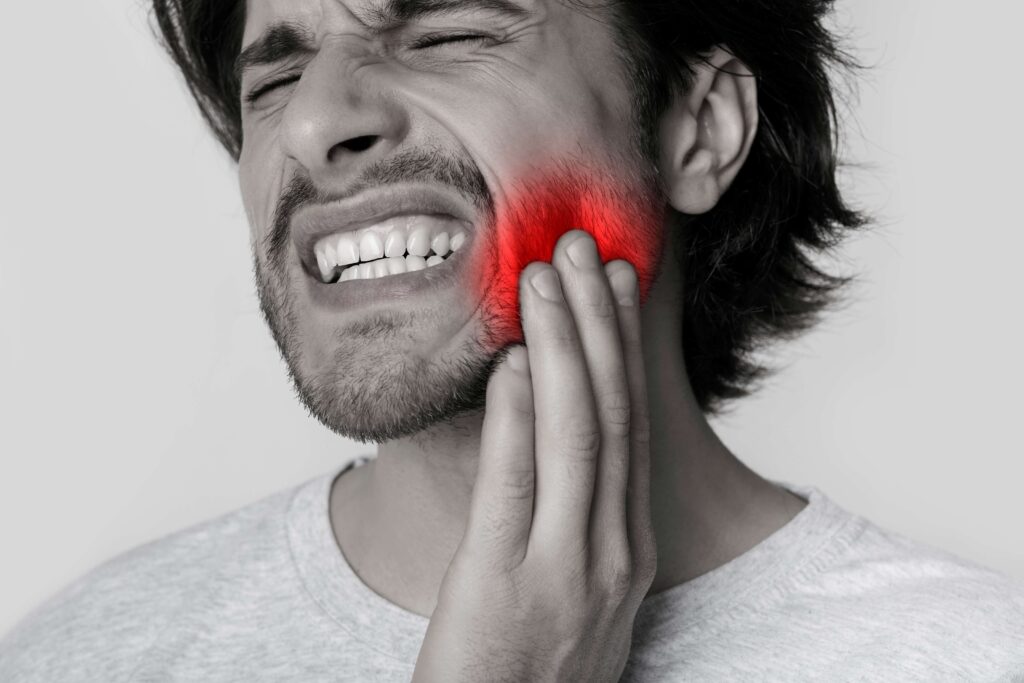
- Toothaches: Tooth pain can range from mild to severe and can be caused by various issues like cavities, gum infections, or abscesses.
- Chipped or Broken Teeth: Accidents, falls, or biting on something hard can result in chipped or broken teeth, which can be painful and affect your smile.
- Knocked-Out Tooth: A knocked-out tooth is a true emergency. Quick action can save the tooth and prevent further complications.
- Lost Fillings or Crowns: Losing a filling or crown can expose the tooth to further damage and cause significant discomfort.
- Abscesses: An abscess is a severe infection that occurs around the root of a tooth or in the space between the gums and teeth. It requires immediate attention.
What Are The Steps You Need To Make In Times Of Dental Emergencies
After knowing what are the most common kinds of dental emergencies, you are now ready to learn about what steps you need to take in dealing with them. Read on to find out more.
- Stay Calm: The first step in any emergency is to remain calm. Panicking can make the situation worse.
- Assess the Situation: Determine the nature of the emergency. Is there severe pain, bleeding, or a knocked-out tooth?
- Manage Pain: Use over-the-counter pain relievers like ibuprofen to manage pain. Avoid aspirin, as it can increase bleeding.
- Control Bleeding: If there’s bleeding, apply a clean cloth or gauze to the area and apply gentle pressure.
What To Do For Specific Dental Emergencies
If you want to further your knowledge on how to deal with specific dental emergencies, check out the following points:
- Toothaches: Rinse your mouth with warm water and floss gently to remove any food particles. If the pain persists, contact a dentist as soon as possible.
- Chipped or Broken Teeth: Save any pieces of the tooth if possible. Rinse your mouth with warm water and apply a cold compress to reduce swelling. Avoid using the broken tooth.
- Knocked-Out Tooth: Handle the tooth by the crown (the part that’s usually visible) and avoid touching the root. Rinse it gently without scrubbing. Try to reinsert it into the socket if possible. If that’s not feasible, place it in a container of milk or saline solution and seek immediate dental care.
- Lost Fillings or Crowns: You can use dental cement or even sugarless gum to temporarily cover the exposed area. Avoid chewing on that side until you see a dentist.
- Abscesses: Rinse your mouth with a mild saltwater solution to help reduce pain and draw out pus. Seek emergency dental care immediately, as abscesses can lead to serious complications if not treated.
How To Find A Dental Office That Can Help With Weekend Dental Emergencies
Say you have already done everything within your capabilities in making dental emergencies ok yet still fail. The next thing is to reach out to a professional. Do the following when working with a dentist:
- Check Your Dentist’s Availability: Some dental offices have emergency contact numbers or offer weekend hours. Check with your dentist’s office to see if they provide these services.
- Use Online Resources: Many websites and apps can help you find emergency dental care in your area. Look for those that operate 24/7 and offer real-time appointment bookings.
- Visit an Urgent Care Clinic: If you can’t find a dentist, some urgent care clinics provide basic dental care. They can help manage pain and provide temporary solutions until you can see a dentist.
- Emergency Room Visits: In severe cases, such as a knocked-out tooth or uncontrollable bleeding, visiting the emergency room may be necessary. They can provide immediate care and refer you to a dentist.
How To Prevent Dental Emergencies
Although dental emergencies are inevitable, still, you can do something to lower the chances of them happening. The points below will guide you on doing just that:
- Regular Check-Ups: Regular dental visits can help catch potential problems early and prevent emergencies.
- Good Oral Hygiene: Brushing twice a day, flossing daily, and using mouthwash can keep your teeth and gums healthy.
- Protective Gear: If you play sports, wearing a mouthguard can protect your teeth from injury.
- Healthy Diet: Avoiding hard, sticky, and sugary foods can prevent damage and decay.
To Conclude
Dental emergencies on the weekend can be stressful, yet knowing what to do can make a significant difference. By staying calm, managing pain, and seeking appropriate care, you can protect your oral health. Always follow up with your dentist to ensure proper treatment and avoid future emergencies. Remember, prevention is the best approach, so maintain good oral hygiene and regular dental check-ups.