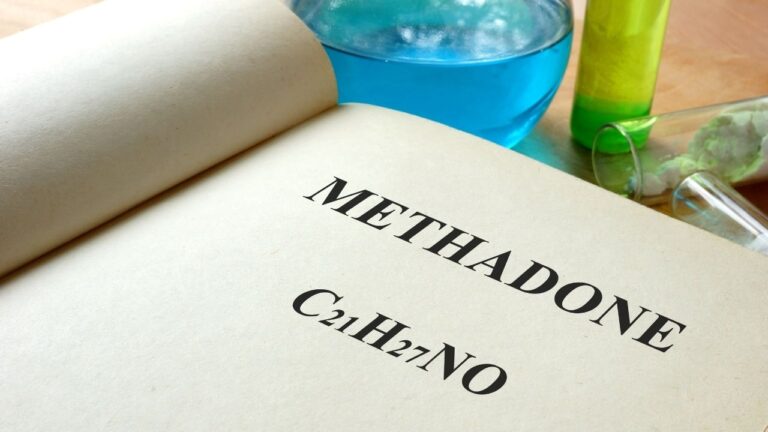
What is Crank? Understanding Methamphetamine and Its Effects on the Body and Mind
Methamphetamine, commonly referred to as “crank,” is a potent and highly addictive stimulant that affects the central nervous system. It has a long history of abuse in the United States, and its effects can be devastating both physically and mentally. This article, brought to you by The-Recover in California, delves into the nature of crank, how it affects individuals, and the role of rehabilitation in addressing this growing problem.
Introduction to Crank: What Is It?
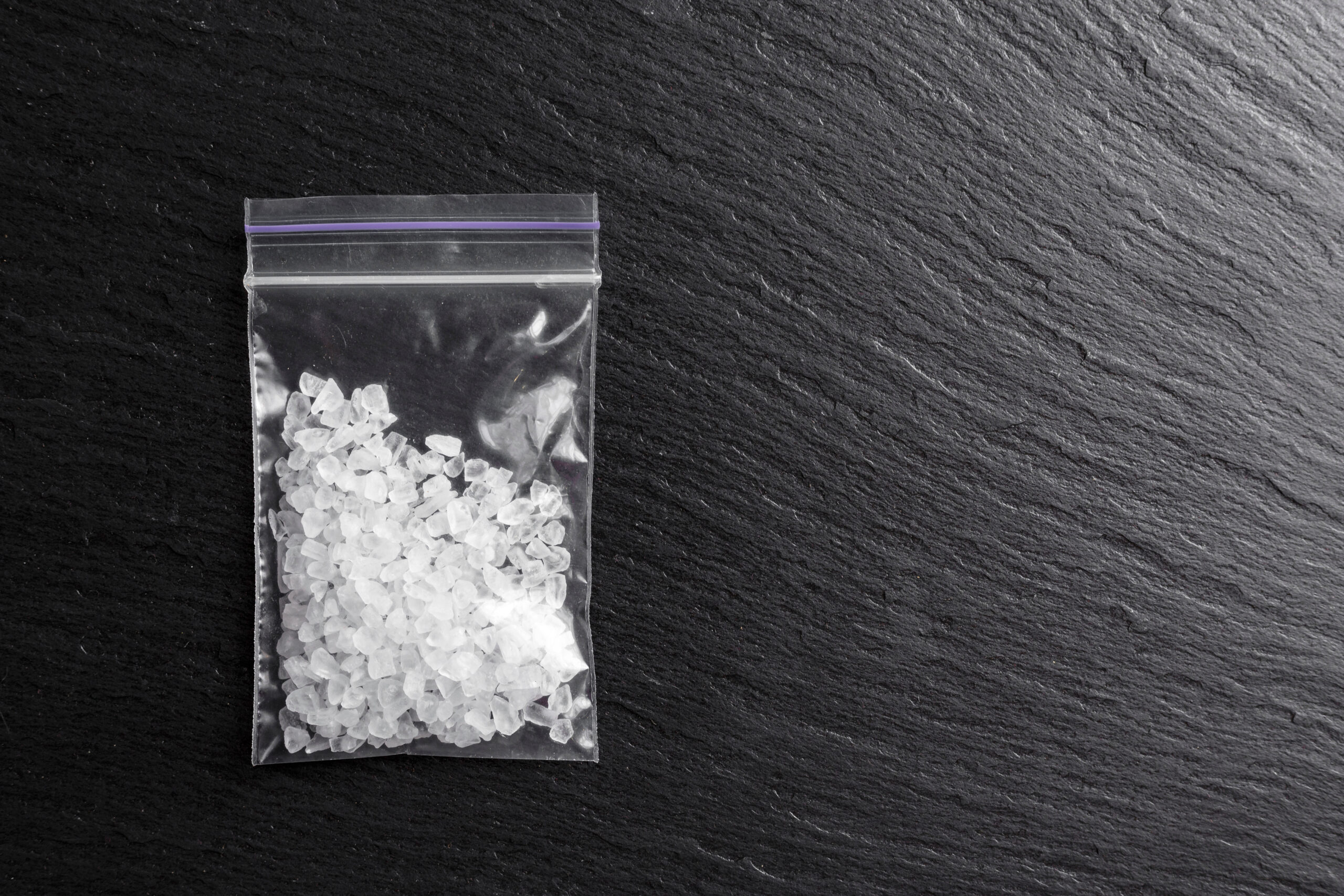
Crank is a street name for methamphetamine, a drug that is chemically similar to amphetamines but far more potent and dangerous. Methamphetamine is available in several forms, including powder (crank), crystalline (crystal meth), and pills. The substance is typically ingested by smoking, injecting, snorting, or swallowing, and its high is fast-acting and long-lasting, making it particularly appealing to users. However, the short-lived euphoria is followed by severe physical and psychological consequences.
Crank has been a significant concern for law enforcement and public health agencies, particularly in California, where methamphetamine production and distribution have posed serious challenges for communities. The-Recover, based in California, has been at the forefront of addressing addiction to crank, providing resources and support to those struggling with this dangerous drug.
The History of Crank
Methamphetamine was first synthesized in Japan in the late 19th century and was used medically during World War II to keep soldiers alert and awake. After the war, its use spread to the civilian population, leading to widespread addiction in several countries, including the United States.
In the 1980s, methamphetamine production moved into rural areas of the U.S., particularly in the Southwest and California, where illegal labs became a major source of the drug. Crank became a popular street drug due to its cheap production cost and highly addictive properties. By the 1990s, methamphetamine abuse was reaching epidemic levels, and efforts to combat its production and distribution became a national priority.
How Crank Affects the Body
Methamphetamine, including crank, works by stimulating the release of large amounts of dopamine in the brain, creating intense feelings of pleasure and increased energy. However, this surge in dopamine is not natural and leads to severe disruptions in brain chemistry. Chronic use of crank can result in long-term damage to dopamine receptors, reducing a person’s ability to experience pleasure without the drug.
Short-Term Effects
The short-term effects of crank are intense and can include:
- Increased energy and alertness: Users may feel invincible, energetic, and capable of doing more than they usually can.
- Decreased appetite: Methamphetamine suppresses hunger, often leading to rapid weight loss.
- Euphoria: The drug induces a powerful rush of euphoria, often described as a “high.”
- Increased heart rate and blood pressure: These cardiovascular effects can put significant strain on the heart, leading to potential complications.
- Hyperactivity and talkativeness: Users may become overly social or exhibit erratic behavior.
Long-Term Effects
While the immediate effects of crank may seem appealing, the long-term consequences are devastating:
- Cardiovascular damage: Prolonged use of crank can lead to heart attacks, strokes, and severe blood pressure issues.
- Brain damage: Chronic use alters brain structure and function, leading to cognitive decline, memory loss, and difficulty with decision-making.
- Severe dental issues (meth mouth): Crank users often neglect dental hygiene, and the drug’s corrosive properties lead to tooth decay and gum disease.
- Psychological issues: Anxiety, paranoia, hallucinations, and violent behaviors are common among long-term users.
- Weight loss and malnutrition: Users often neglect their nutritional needs, leading to severe physical deterioration.
The Crank Epidemic in California
California, particularly its rural and urban areas, has been hit hard by the methamphetamine epidemic. Meth production in illegal labs across the state has fueled widespread addiction, with crank being one of the most commonly abused forms of methamphetamine.
At The-Recover in California, our team has witnessed firsthand the toll that crank takes on individuals, families, and communities. The accessibility of crank, coupled with its low cost and highly addictive nature, has made it a major public health issue in the state.
Recognizing Crank Addiction
Crank addiction can develop quickly, even after just one or two uses. Because of the drug’s powerful effects on the brain’s reward system, users often feel compelled to continue using to experience the same high. Some signs of crank addiction include:
- Inability to stop using despite negative consequences: Users may recognize the harm the drug is causing but feel powerless to stop.
- Increased tolerance: Over time, users need more of the drug to achieve the same effects.
- Withdrawal symptoms: When users attempt to quit, they may experience intense cravings, depression, fatigue, and sleep disturbances.
- Neglecting responsibilities: Work, school, and family obligations often fall by the wayside as addiction takes hold.
If you or someone you love is showing signs of crank addiction, The-Recover in California offers comprehensive support and treatment services designed to address methamphetamine dependence.
The Physical and Psychological Effects of Crank Abuse
Methamphetamine, particularly crank, causes severe damage to both the body and mind. The physical toll includes rapid aging, severe skin problems, and malnutrition, while the psychological effects can be even more damaging.
Physical Effects
One of the most visible effects of crank abuse is the severe toll it takes on a person’s appearance:
- Skin sores: Many users develop sores or lesions on their skin from excessive picking, often caused by delusions of insects crawling under their skin.
- Extreme weight loss: Users often experience drastic weight loss, as meth suppresses appetite and can lead to malnutrition.
- Hair loss and premature aging: Chronic crank use often leads to hair thinning and premature signs of aging due to the stress the drug places on the body.
Psychological Effects
Crank severely affects the brain, leading to a range of psychological issues:
- Paranoia and hallucinations: Long-term use can result in extreme paranoia, with users often feeling as though they are being watched or followed. Hallucinations are also common.
- Aggression and violence: Many users become increasingly irritable and aggressive, often lashing out at those around them.
- Memory and cognitive problems: Over time, the damage crank causes to the brain can result in memory problems, difficulty with decision-making, and a reduced ability to focus.
Treatment for Crank Addiction at The-Recover in California
Treating methamphetamine addiction, particularly crank addiction, is challenging but not impossible. At The-Recover in California, we offer a range of evidence-based treatment programs designed to help individuals overcome their addiction and reclaim their lives.
Detoxification
The first step in treating crank addiction is detoxification, where the drug is safely removed from the body. This process is often accompanied by intense withdrawal symptoms, including fatigue, depression, anxiety, and powerful cravings. Our medically supervised detox programs ensure that clients are supported throughout this challenging phase, minimizing discomfort and providing the foundation for further treatment.
Behavioral Therapy
One of the most effective approaches to treating crank addiction is through behavioral therapy. The-Recover offers several therapeutic options, including:
- Cognitive-behavioral therapy (CBT): This approach helps individuals recognize and change the thought patterns and behaviors that contribute to their addiction.
- Contingency management: This therapy uses positive reinforcement, such as vouchers or rewards, to encourage clients to remain sober.
- Motivational interviewing: This approach helps individuals resolve ambivalence about quitting by strengthening their motivation to change.
Support Groups and Aftercare
Support groups play a crucial role in recovery from crank addiction. At The-Recover in California, we connect individuals with local support groups, including 12-step programs, to foster long-term recovery. Aftercare services, such as ongoing therapy and sober living environments, also play a critical role in helping individuals maintain their sobriety after completing a treatment program.
The Road to Recovery: How The-Recover in California Can Help
Methamphetamine addiction is one of the most challenging forms of substance abuse to overcome, but with the right support and treatment, recovery is possible. At The-Recover in California, we are committed to helping individuals reclaim their lives from the grips of crank addiction.
Through comprehensive, evidence-based treatment programs tailored to each individual’s needs, our team provides a supportive environment for healing. We understand that addiction affects not only the individual but also their loved ones, which is why we offer family therapy and support as part of our holistic approach.
Conclusion
Crank, or methamphetamine, is a dangerous and highly addictive drug with far-reaching consequences for those who use it. Understanding the nature of crank, its effects on the body and mind, and the importance of seeking professional help is critical for anyone affected by methamphetamine addiction.
At The-Recover in California, we provide compassionate and expert care to those battling crank addiction. Our comprehensive treatment programs, which include detoxification, behavioral therapy, and ongoing support, are designed to help individuals achieve long-term sobriety and reclaim their lives. If you or someone you know is struggling with crank addiction, contact The-Recover today and take the first step towards recovery.