How to Create a Balanced Diet for Mental Health and Recovery
In today’s fast-paced world, the importance of maintaining mental health is more crucial than ever. For individuals in recovery from substance use disorders, achieving and sustaining mental well-being is essential. At The-Recover, based in California, we understand that a balanced diet plays a pivotal role in supporting mental health and aiding recovery. This article explores how to create a balanced diet that enhances mental well-being and supports individuals on their recovery journey.
Understanding the Connection Between Diet and Mental Health
The Role of Nutrition in Mental Health
Nutrition profoundly impacts our brain health, mood, and overall mental well-being. Research indicates that a well-balanced diet can reduce symptoms of anxiety, depression, and other mental health disorders. Nutrients from food interact with neurotransmitters and influence hormone production, affecting how we feel and think.
Key Nutrients for Mental Health
- Omega-3 Fatty Acids: Found in fish, flaxseeds, and walnuts, these essential fats are linked to improved mood and cognitive function. They help reduce inflammation in the brain and are vital for optimal neural function.
- B Vitamins: Essential for brain health, B vitamins (especially B6, B12, and folate) play a role in neurotransmitter synthesis and can help mitigate symptoms of depression. Foods rich in B vitamins include whole grains, leafy greens, and lean meats.
- Antioxidants: Foods high in antioxidants, such as berries, nuts, and dark chocolate, protect the brain from oxidative stress, which can contribute to mental health issues.
- Amino Acids: The building blocks of proteins, amino acids are crucial for neurotransmitter production. Consuming adequate protein sources such as lean meats, dairy, legumes, and nuts supports brain function and emotional health.
Creating a Balanced Diet for Mental Health
Understanding Your Nutritional Needs
Before crafting a balanced diet, it’s essential to understand your specific nutritional needs. Individual dietary requirements vary based on factors like age, gender, activity level, and recovery stage. Consulting with a healthcare provider or a registered dietitian can help you tailor your diet to meet your unique needs.
Components of a Balanced Diet
1. Whole Grains
Whole grains are rich in fiber, vitamins, and minerals. They provide a steady source of energy and can help regulate mood. Incorporate foods such as:
- Brown rice
- Quinoa
- Whole wheat bread
- Oats
2. Fruits and Vegetables
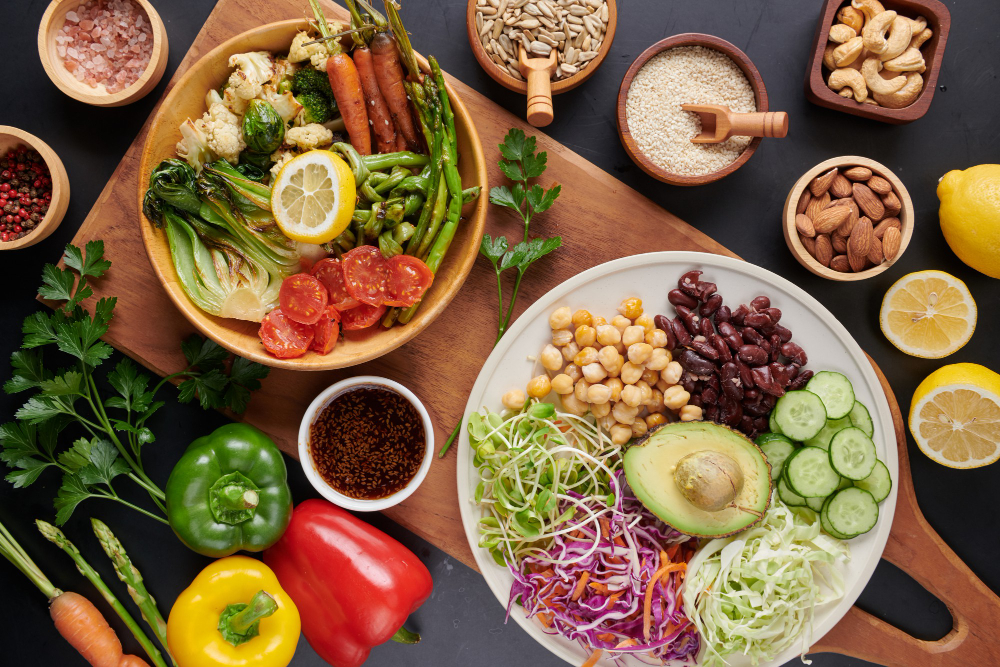
A colorful array of fruits and vegetables should be a staple in your diet. These foods are rich in vitamins, minerals, and antioxidants, all of which are beneficial for brain health. Aim for at least five servings of fruits and vegetables each day. Some excellent options include:
- Berries (blueberries, strawberries, etc.)
- Leafy greens (spinach, kale)
- Citrus fruits (oranges, grapefruits)
- Cruciferous vegetables (broccoli, Brussels sprouts)
3. Lean Proteins
Incorporating lean protein sources into your diet supports neurotransmitter production and maintains stable blood sugar levels. Consider adding:
- Skinless poultry (chicken, turkey)
- Fish (especially fatty fish like salmon)
- Legumes (beans, lentils)
- Tofu and tempeh (plant-based options)
4. Healthy Fats
Not all fats are created equal. Healthy fats, particularly omega-3 fatty acids, are essential for brain health. Include sources of healthy fats in your diet, such as:
- Avocados
- Nuts and seeds
- Olive oil
- Fatty fish (like salmon and mackerel)
Hydration: The Overlooked Element
Staying hydrated is crucial for mental health. Dehydration can lead to fatigue, irritability, and decreased cognitive function. Aim to drink plenty of water throughout the day and limit sugary drinks and excessive caffeine. Herbal teas and infused water can be excellent alternatives for hydration.
Practical Tips for Implementing a Balanced Diet
Meal Planning and Preparation
Creating a balanced diet is easier with proper planning. Here are some practical tips for meal planning and preparation:
- Plan Your Meals: Spend time each week planning your meals. This helps ensure you incorporate a variety of nutrient-dense foods.
- Cook in Batches: Prepare meals in bulk to save time and ensure you have healthy options readily available. This can help you resist the temptation of unhealthy choices.
- Keep Healthy Snacks Handy: Stock up on healthy snacks like fruits, nuts, and yogurt to keep your energy levels stable throughout the day.
Mindful Eating
Mindful eating involves paying attention to your food and the experience of eating. It can help prevent overeating and enhance your relationship with food. Here are some strategies to practice mindful eating:
- Eat Slowly: Take your time to chew and savor your food, which can help you recognize when you’re full.
- Limit Distractions: Avoid eating in front of screens to focus on your meal and enhance your awareness of flavors and textures.
- Listen to Your Body: Pay attention to hunger and fullness cues. This helps you develop a healthier relationship with food.

The Role of Professional Guidance
While this guide provides a framework for creating a balanced diet for mental health and recovery, individual needs in California can vary significantly. Engaging with professionals such as registered dietitians, nutritionists, and mental health counselors at The-Recover can provide tailored support and guidance. They can help you navigate dietary changes that align with your recovery goals.
The Importance of Support Networks
Recovery is not a solitary journey. Building a support network can significantly enhance your mental well-being. Share your dietary goals with friends and family, and seek support from those who understand your recovery process. Support groups and community resources can also offer encouragement and accountability.
Addressing Common Dietary Challenges
Emotional Eating
Emotional eating is a common challenge faced during recovery. Individuals may turn to food for comfort, leading to unhealthy eating patterns. Here are some strategies to address emotional eating:
- Identify Triggers: Recognize situations that lead to emotional eating and develop coping mechanisms to address those feelings in healthier ways.
- Practice Alternative Activities: Engage in activities like exercise, meditation, or hobbies to distract yourself from the urge to eat for emotional reasons.
- Seek Professional Help: Consider therapy or counseling to address underlying emotional issues contributing to your eating habits.
Cravings and Food Sensitivities
During recovery, cravings for unhealthy foods may arise. Understanding and managing these cravings is essential. Here are some tips:
- Stay Balanced: Ensure your meals are balanced with protein, healthy fats, and complex carbohydrates to stabilize blood sugar levels and reduce cravings.
- Limit Processed Foods: Reduce the intake of processed foods that are high in sugar and unhealthy fats, as they can contribute to mood swings and cravings.
- Explore Alternatives: Experiment with healthier alternatives to satisfy cravings. For example, if you crave sweets, try fresh fruit or dark chocolate in moderation.
FAQs: How to Create a Balanced Diet for Mental Health and Recovery
What is the connection between diet and mental health?
A balanced diet can significantly impact mental health by providing essential nutrients that support brain function and mood regulation. Foods rich in omega-3 fatty acids, B vitamins, antioxidants, and amino acids have been linked to reduced symptoms of anxiety and depression.
What are some key nutrients to include in a mental health diet?
Key nutrients for mental health include omega-3 fatty acids (found in fish and flaxseeds), B vitamins (in whole grains and leafy greens), antioxidants (from fruits and vegetables), and lean proteins (such as chicken, fish, and legumes).
How can I create a balanced diet?
To create a balanced diet, focus on incorporating a variety of whole grains, fruits, vegetables, lean proteins, and healthy fats. Planning meals and cooking in batches can help you maintain a balanced diet consistently.
Why is hydration important for mental health?
Staying hydrated is essential for maintaining cognitive function and mood stability. Dehydration can lead to fatigue and irritability, so it’s important to drink plenty of water and limit sugary or caffeinated beverages.
What is mindful eating, and how can it help?
Mindful eating involves paying full attention to the experience of eating, including flavors, textures, and hunger cues. This practice can help prevent overeating and improve your relationship with food.
How can I address emotional eating during recovery?
To address emotional eating, identify your triggers, practice alternative activities (like exercise or meditation), and consider seeking professional help to manage underlying emotional issues.
What should I do if I have cravings for unhealthy foods?
If you experience cravings for unhealthy foods, ensure your meals are balanced to stabilize blood sugar levels. Experiment with healthier alternatives, such as fresh fruit or dark chocolate, to satisfy your cravings.
Is professional guidance necessary for creating a balanced diet?
While it’s possible to create a balanced diet on your own, engaging with a registered dietitian or nutritionist can provide personalized guidance and support, especially for individuals in recovery.
Conclusion: Nourishing the Mind and Body
Creating a balanced diet for mental health and recovery is a journey that involves understanding your nutritional needs, incorporating a variety of wholesome foods, and seeking support along the way. At The-Recover in California, we emphasize the importance of nutrition in the recovery process. By prioritizing a balanced diet rich in essential nutrients, you can support your mental health, enhance your overall well-being, and navigate the challenges of recovery more effectively.
If you or a loved one are struggling with addiction or mental health challenges, reach out to The-Recover. Our dedicated team is here to provide guidance, support, and resources to help you achieve lasting recovery and a healthier, balanced life.
Remember, a nourishing diet is one of the many tools available to support your recovery journey. Embrace it as a vital component of your path to mental well-being and a fulfilling life.