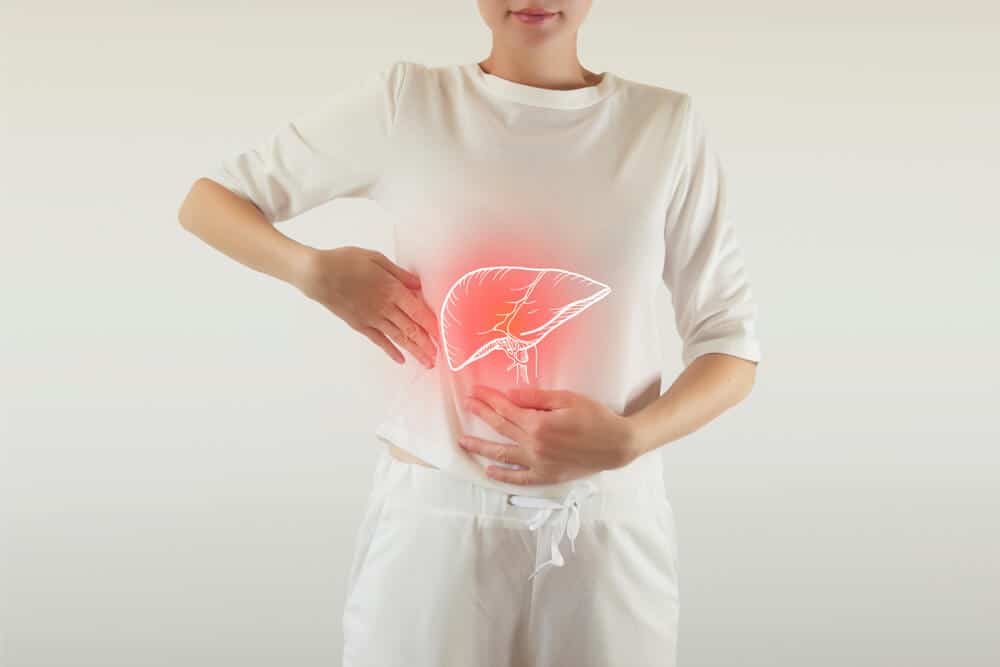
Signs Your Liver Is Healing from Alcohol
When embarking on a journey to reduce or eliminate alcohol consumption, understanding the signs of liver recovery can provide motivation and hope. The liver, a vital organ responsible for filtering toxins and supporting digestion, has an impressive capacity to heal itself when given the opportunity. At The-Recover, a California-based organization dedicated to supporting individuals on their path to sobriety, we’re here to help you recognize the progress your body is making and offer insight into what a healthier liver means for your overall well-being.
Why Liver Health Matters
The liver is a powerhouse organ, performing over 500 essential functions, including detoxifying the blood, metabolizing nutrients, and producing bile for digestion. Alcohol consumption, especially in excessive amounts, can damage liver cells, leading to conditions such as fatty liver disease, alcoholic hepatitis, or even cirrhosis. Fortunately, with reduced alcohol intake and proper care, the liver can regenerate and heal over time.
Early Signs Your Liver Is Healing
The journey of liver recovery begins the moment you stop drinking alcohol. Here’s how to recognize the early indicators that your liver is on the mend:
1. Improved Energy Levels
When alcohol is removed from your system, your liver no longer has to work overtime to process toxins. As the liver heals, you may notice a significant boost in your energy levels. This is because your body can focus on delivering nutrients and oxygen to cells rather than diverting resources to detoxification.
2. Reduction in Abdominal Swelling
Excessive alcohol consumption can lead to liver inflammation, which may cause abdominal bloating or swelling (ascites). As your liver repairs itself, inflammation decreases, and you might observe a reduction in bloating or a flatter abdomen.
3. Better Skin Appearance
The liver plays a key role in removing toxins from your body. Damage to the liver can lead to skin issues such as redness, jaundice (yellowing), or dullness. As your liver heals, you may notice clearer, healthier-looking skin—a visible sign of improved detoxification.
4. Normalized Appetite
Liver damage often disrupts appetite and digestion, leading to nausea or poor nutrient absorption. As the liver begins to heal, you may experience a return to a normal appetite and enjoy food without discomfort.
5. Decreased Sensitivity to Alcohol
Even occasional alcohol use can harm liver function over time. During recovery, your body becomes less tolerant of alcohol, a sign that your liver is regaining its sensitivity and functionality.
What to Expect During Liver Healing
Liver recovery is a gradual process influenced by factors such as the severity of damage, overall health, and commitment to sobriety. While the timeline varies for everyone, here’s a general idea of what to expect:
Within Days of Quitting Alcohol
- Reduced Fat Build-Up: Fat deposits in the liver begin to decrease within a few days of abstinence.
- Lower Blood Sugar Levels: Improved liver function helps stabilize blood sugar levels, reducing fatigue and irritability.
After a Few Weeks
- Improved Enzyme Levels: Liver enzymes, often elevated due to alcohol damage, begin to normalize.
- Decreased Inflammation: Swelling and tenderness in the liver reduce as inflammation subsides.
After Several Months
- Tissue Regeneration: The liver starts regenerating healthy cells, replacing damaged tissue.
- Enhanced Digestion: Improved bile production supports better digestion and nutrient absorption.
Long-Term Recovery
- Reversal of Fatty Liver: With sustained sobriety, most cases of alcoholic fatty liver disease are completely reversible.
- Reduced Risk of Severe Conditions: Long-term abstinence lowers the risk of cirrhosis or liver cancer, allowing for a healthier future.
How to Support Your Liver’s Healing Process
At The-Recover, we emphasize that recovery isn’t just about quitting alcohol—it’s about creating a lifestyle that supports healing and overall wellness. Here are practical steps to enhance liver recovery:
1. Prioritize a Nutrient-Rich Diet
Incorporate foods that support liver health, such as:
- Leafy Greens: Spinach, kale, and arugula are packed with antioxidants.
- Cruciferous Vegetables: Broccoli and Brussels sprouts help detoxify harmful compounds.
- Healthy Fats: Avocados and olive oil contain anti-inflammatory properties.
2. Stay Hydrated
Adequate water intake helps the liver flush toxins efficiently. Aim for at least 8-10 glasses of water daily to support hydration and optimal liver function.
3. Engage in Regular Exercise
Physical activity enhances blood circulation, reduces fatty deposits, and supports liver regeneration. Even moderate activities like walking or yoga can make a difference.
4. Avoid Harmful Substances
Steer clear of over-the-counter medications or substances that can strain your liver. Always consult a healthcare professional for advice on medication safety.
5. Schedule Regular Check-Ups
Monitor your liver health with routine blood tests and medical consultations. Early detection of potential issues can ensure timely interventions.

Common Misconceptions About Liver Recovery
There are many myths surrounding liver healing, and it’s important to separate fact from fiction.
1. “A Few Drinks Won’t Hurt”
Even small amounts of alcohol can hinder liver recovery. Complete abstinence is crucial for healing.
2. “Liver Damage Is Always Permanent”
While conditions like cirrhosis are irreversible, early-stage damage such as fatty liver or mild hepatitis can be completely reversed with lifestyle changes.
3. “Detox Drinks Speed Up Recovery”
There’s no magic drink that can repair liver damage. Sustainable lifestyle changes are key to long-term healing.
The Role of The-Recover in Your Journey
The-Recover in California is dedicated to providing comprehensive resources and guidance for individuals striving for better health and sobriety. Our programs emphasize personalized care, ensuring you receive the tools and support needed to achieve lasting recovery.
From educational resources to holistic wellness strategies, The-Recover is here to empower you every step of the way. By understanding the signs of liver healing and taking actionable steps to support recovery, you’re not just improving your liver health—you’re reclaiming your life.
Frequently Asked Questions About Liver Healing from Alcohol
1. How long does it take for the liver to heal after quitting alcohol?
The timeline for liver recovery varies depending on factors like the extent of damage and individual health. For mild conditions like fatty liver disease, improvement can begin within a few weeks of abstinence. Significant healing and regeneration for more severe damage may take several months to years. The liver’s capacity for regeneration is remarkable, especially when supported by a healthy lifestyle.
2. Can the liver completely heal after years of alcohol abuse?
Yes, the liver can recover from damage caused by alcohol abuse, particularly in the early stages. Conditions like alcoholic fatty liver and mild alcoholic hepatitis are often reversible with sustained sobriety and healthy habits. However, advanced conditions like cirrhosis involve permanent scarring, although further damage can be halted by quitting alcohol and adopting liver-supportive practices.
3. What are the first signs that my liver is healing?
Early signs of liver healing include increased energy levels, improved digestion, clearer skin, reduced abdominal bloating, and normalized liver enzyme levels in blood tests. These signs often appear within weeks of quitting alcohol and adopting a healthier lifestyle.
4. What foods are good for liver healing?
A nutrient-rich diet is essential for liver recovery. Focus on:
- Leafy greens like spinach and kale for detox support.
- Cruciferous vegetables like broccoli for their liver-protective properties.
- Healthy fats such as avocados and nuts to reduce inflammation.
- Fruits high in antioxidants, like berries, to combat oxidative stress.
5. Can drinking water help my liver heal?
Yes, staying hydrated is crucial for liver health. Water helps flush toxins from your body and supports optimal liver function. Aim for 8-10 glasses of water daily and consider adding lemon for added detox benefits.
6. What lifestyle changes support liver recovery?
Quitting alcohol is the most critical step. Other lifestyle changes include:
- Eating a balanced diet rich in antioxidants and healthy fats.
- Exercising regularly to reduce fatty deposits and boost circulation.
- Avoiding smoking and harmful substances that can strain the liver.
- Managing stress, which can negatively impact overall health.
7. Are there specific symptoms to watch for during liver healing?
While recovery varies, some individuals may experience mild symptoms like fatigue, headaches, or digestive changes as the liver adjusts. Positive signs include clearer skin, better digestion, and normalized energy levels. Persistent or severe symptoms should be evaluated by a healthcare professional.
8. Does exercise help the liver recover from alcohol damage?
Yes, regular physical activity supports liver health by reducing fat buildup, improving circulation, and promoting overall well-being. Low-impact exercises like walking, yoga, and swimming are excellent for individuals in recovery.
9. Are there any supplements that can speed up liver recovery?
Some supplements, such as milk thistle, turmeric, and vitamin E, are believed to support liver health. However, always consult a healthcare provider before taking supplements, as some may interact with medications or be harmful if used incorrectly.
10. How can I tell if my liver damage is reversible?
A medical evaluation, including blood tests, imaging, and a detailed health history, can determine the extent of liver damage. Early-stage conditions like fatty liver disease are usually reversible, while advanced scarring (cirrhosis) is permanent. Consulting a healthcare provider is essential for personalized advice.
Celebrating Progress, One Step at a Time
Recognizing the signs that your liver is healing can be a powerful motivator on your sobriety journey. While recovery takes time, the incredible resilience of the liver offers hope and tangible rewards. At The-Recover in California, we’re here to celebrate your progress and provide the guidance you need for a healthier, alcohol-free future.
Remember, every choice you make toward healing is a step closer to a brighter, healthier life. If you’re ready to learn more about how The-Recover can support your journey, reach out to us today. Together, we can build a future that’s as vibrant as your newly rejuvenated liver.