


How Long Does DMT Last? Understanding the Journey with The-Recover in California
DMT (dimethyltryptamine) has long fascinated both researchers and spiritual seekers. Known for its intense, otherworldly experiences, this psychedelic compound has been used in traditional rituals and modern explorations alike. Whether you’re curious about its effects, duration, or the broader implications, The-Recover in California is here to help demystify this powerful substance.
In this article, we’ll explore how long DMT lasts, the factors that influence its effects, and the nuances that make it such a unique psychedelic. At The-Recover, we prioritize education and harm reduction, offering a safe space to learn about substances like DMT.
What Is DMT? A Brief Overview
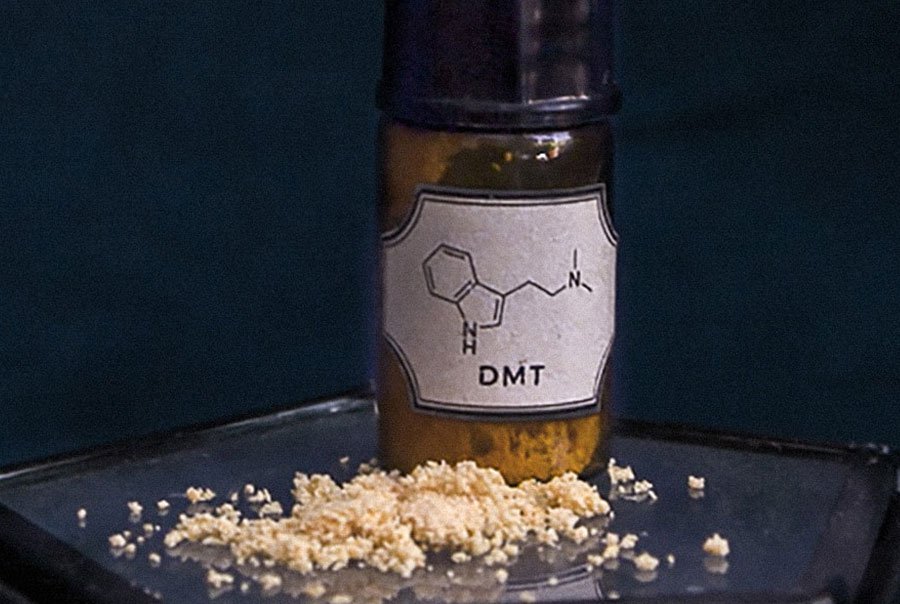
Dimethyltryptamine (DMT) is a naturally occurring compound found in various plants and animals, including humans. Often referred to as the “spirit molecule,” DMT is famous for inducing vivid, dream-like experiences. It’s typically consumed via smoking, vaporizing, or as part of ayahuasca—a traditional brew used in indigenous ceremonies.
Here at The-Recover in California, we aim to provide clear, accurate information about substances like DMT, helping individuals make informed decisions.
How Long Does DMT Last? A Breakdown by Method
One of the defining characteristics of DMT is its brief yet profound duration. However, the way DMT is consumed significantly influences how long the experience lasts.
1. Smoking or Vaporizing DMT
- Duration: 5–15 minutes
- Peak Effects: Within the first 2–3 minutes
- What to Expect: Smoking or vaporizing DMT leads to an intense but short-lived experience. Users often report entering an entirely different “realm” or encountering vibrant, geometric visuals.
At The-Recover, we emphasize the importance of preparation and setting. While the journey may be brief, its intensity requires thoughtful planning.
2. Consuming DMT in Ayahuasca
- Duration: 4–6 hours
- Peak Effects: 1–2 hours into the experience
- What to Expect: When consumed as part of ayahuasca, DMT’s effects are extended due to the presence of MAOIs (monoamine oxidase inhibitors) in the brew. The experience unfolds gradually, often accompanied by introspection and emotional release.
3. Injecting DMT
- Duration: 10–30 minutes
- Peak Effects: Similar to smoking, with a rapid onset
- What to Expect: This method is less common but delivers effects similar to smoking, with a slightly longer duration. It’s not widely recommended due to the associated risks.
What Influences the Duration of DMT’s Effects?
While the consumption method plays a significant role, several factors can influence how long DMT lasts:
- Dosage
Higher doses generally lead to longer and more intense experiences, although even a large dose of smoked DMT rarely exceeds 30 minutes. - Individual Metabolism
Each person’s body processes DMT differently. Faster metabolisms may lead to shorter durations, while slower metabolisms may extend the effects. - Set and Setting
The environment and mental state can significantly shape the DMT experience. A calm, supportive setting often results in a more manageable journey. - Use of Other Substances
Combining DMT with other substances, intentionally or unintentionally, can alter the duration and intensity of the experience. At The-Recover, we strongly discourage mixing substances to minimize risks.
What Happens During a DMT Trip?
1. The Onset
For smoked or vaporized DMT, the onset is nearly instantaneous. Users often describe a rapid departure from ordinary reality, with kaleidoscopic visuals and a sense of being “launched” into another dimension.
2. The Peak
During the peak, users report vivid imagery, encounters with entities, or profound insights. The experience is often described as spiritual or life-changing, even during its brief duration.
3. The Return
Coming down from a DMT experience is typically smooth, with users often feeling a lingering sense of awe or clarity.
With ayahuasca, the return is more gradual, as the extended duration allows for deeper emotional processing.
Safety Considerations: The-Recover’s Commitment to Education
DMT’s potency makes it essential to approach with caution. At The-Recover in California, we stress the importance of safety and harm reduction. Here are some key guidelines:
- Have a Trusted Sitter: A sober, supportive individual can help ensure safety during the experience.
- Start with a Low Dose: Especially for first-timers, a smaller dose can help gauge sensitivity.
- Choose a Comfortable Setting: A familiar, calming environment reduces the likelihood of anxiety or disorientation.
- Understand the Legal Status: In the U.S., DMT is classified as a Schedule I substance, meaning it is illegal to possess, use, or distribute. However, religious exemptions exist for ayahuasca in some cases.
Why Does DMT Feel Timeless? The Perception of Time
Many users report that time seems to stretch or become irrelevant during a DMT experience. This phenomenon, often called “time dilation,” is attributed to the compound’s effects on the brain’s default mode network (DMN), which governs our sense of self and time.
The-Recover in California understands the complex nature of these experiences and aims to provide clear, grounded insights to help individuals navigate them.
Integrating a DMT Experience
While the physical effects of DMT may fade quickly, its emotional and psychological impact can linger for days, weeks, or even years. Integration is the process of reflecting on the experience and incorporating any insights into daily life.
Tips for Integration
- Journaling: Writing about the experience can help clarify insights and emotions.
- Seeking Support: Speaking with a therapist or support group can provide valuable perspectives.
- Practicing Mindfulness: Meditation and mindfulness techniques can help process and retain the lessons of the journey.
The-Recover offers a supportive environment in California for discussing the aftereffects of psychedelic experiences and exploring ways to integrate them constructively.
Frequently Asked Questions About DMT
1. What is DMT, and how does it work?
DMT, or dimethyltryptamine, is a naturally occurring psychedelic compound found in various plants and animals. It interacts with serotonin receptors in the brain, particularly the 5-HT2A receptor, inducing vivid visual and emotional experiences. Known as the “spirit molecule,” DMT is often associated with spiritual or transcendental journeys.
2. How long do the effects of DMT last?
The duration of DMT’s effects depends on the method of consumption:
- Smoking or vaporizing: Effects last 5–15 minutes, with a rapid onset.
- Ayahuasca: Effects last 4–6 hours due to the inclusion of MAOIs.
- Injection: Effects last 10–30 minutes, similar to smoking but slightly longer.
3. Is DMT legal in the United States?
DMT is classified as a Schedule I substance under U.S. federal law, making its use, possession, or distribution illegal. However, certain religious groups have exemptions to use ayahuasca, a DMT-containing brew, in spiritual ceremonies.
4. Can you develop a tolerance to DMT?
Unlike many psychedelics, DMT does not typically produce tolerance, even with repeated use. This means its effects remain consistent across multiple sessions. However, frequent use is discouraged due to the intense nature of the experiences.
5. What are the common side effects of DMT?
While DMT is generally considered safe in controlled settings, it can cause side effects, such as:
- Increased heart rate and blood pressure
- Anxiety or fear during challenging experiences
- Nausea or vomiting (especially with ayahuasca)
- Vivid and overwhelming visuals
The-Recover in California emphasizes harm reduction practices to minimize risks associated with DMT.
6. How should I prepare for a DMT experience?
Preparation is crucial for a safe and meaningful experience:
- Set: Ensure you’re in a calm, positive mindset.
- Setting: Choose a safe, comfortable environment.
- Support: Have a trusted, sober sitter present.
- Education: Understand the effects, risks, and legal status of DMT.
7. Can DMT cause addiction?
DMT is not considered addictive. It does not create physical dependency, and many users report reduced interest in frequent use due to the intensity of its effects. However, psychological dependence on altered states of consciousness is possible in rare cases.
8. What does a “breakthrough” experience mean in DMT use?
A “breakthrough” occurs when a user consumes enough DMT to feel fully immersed in an alternate reality. This state often involves vivid visuals, encounters with entities, or a profound sense of connection to the universe. Breakthroughs are intense and typically occur with higher doses.
9. How does DMT compare to other psychedelics like LSD or psilocybin?
DMT differs from other psychedelics in several ways:
- Duration: DMT is much shorter-acting than LSD (8–12 hours) or psilocybin (4–6 hours).
- Intensity: DMT experiences are often more vivid and immersive.
- Mechanism: While all act on serotonin receptors, DMT’s rapid onset and short duration make it unique.
10. How can I integrate a DMT experience into my daily life?
Integration involves reflecting on your DMT experience and applying any insights gained to your personal growth. Helpful integration practices include:
- Journaling: Write about your thoughts and emotions post-experience.
- Meditation: Use mindfulness to process and retain lessons.
- Therapy: Work with a professional to explore the psychological impact.
The-Recover in California encourages individuals to take time for self-care and seek support as needed during the integration process.
Final Thoughts: The-Recover’s Perspective on DMT
DMT’s fleeting yet transformative nature makes it one of the most intriguing substances in the psychedelic world. While its duration may be short, its impact often resonates deeply with those who experience it. At The-Recover in California, we believe in fostering informed discussions about substances like DMT, helping individuals approach them with care and curiosity.
If you have questions about DMT or other substances, contact The-Recover today for reliable information and support. Our mission is to empower individuals through education, ensuring that every choice is made with confidence and understanding.