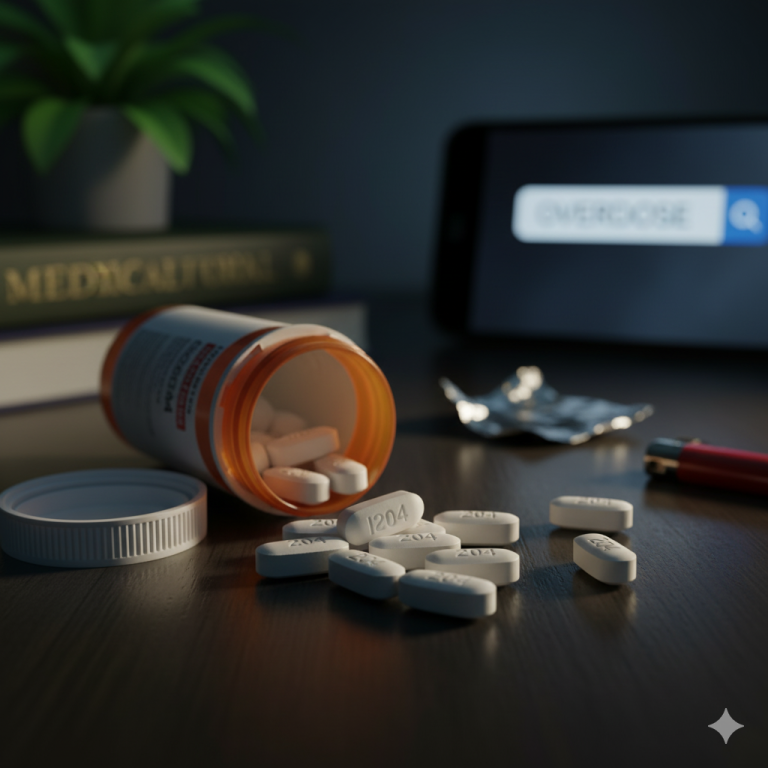
Dual Diagnosis Explained: Common Mental Health Disorders in Substance Abuse
The American Medical Association tells us that an estimated 37% of alcohol users and 53% of drug users struggle with a mental health condition. Some studies have put these numbers even higher, anywhere between 75% – 85%, in fact. Despite these huge numbers, there is little awareness regarding the co-occurring disorders of substance use and mental health disorders – also known as a dual diagnosis.
In this article, we will explore this intricate connection between substance use and mental health struggles while also looking into the way ahead if you or a loved one has received a dual diagnosis.
What Is Dual Diagnosis?
Dual diagnosis is when a person receives a diagnosis of a substance use disorder and mental health disorder. The better term here is “co-occurring disorders,” as sometimes more than two disorders can occur together. Hence, the term “dual” can be misguiding.
Dual diagnosis or co-occurring diagnosis has gained more attention in recent times, but still remains misunderstood. But in dual diagnosis lies the real crux of recovery. Imagine a person has broken both their legs; treating just one leg is not going to help the person walk or run. Similarly, for lifelong recovery, treating both substance use and the underlying mental health condition is crucial.
Why Mental Health and Substance Abuse Often Coexist?
Mental health and substance use are intricately connected. Many use alcohol and other drugs as a way to cope with mental health concerns, but this coping mechanism is both temporary and extremely unhealthy. While it offers a momentary high or peace, it further disrupts a person’s life. Mental health struggles and substance use fit like hand in glove, but unfortunately, this only leads to a pernicious cycle of worsening substance use and mental well-being.
What is even more concerning is that those with co-occurring disorders often receive incomplete car, as dual diagnosis is either overlooked or challenging. Without proper intervention, a person with a dual diagnosis can experience poorer health outcomes than when these disorders occur separately. This is where dual diagnosis treatment involving a combination of psychotherapy, medication management, social support, and lifestyle changes becomes the lifeline for not just recovery but a fulfilling life.
Common Mental Health Disorders in Dual Diagnosis
While any mental health condition can co-occur with substance use, certain disorders occur at a high prevalence rate with substance use. We shall look into them here.
Depression
Depression or major depressive disorder is marked by persistent feelings of sadness, emptiness, and worthlessness. People with depression can turn to substance use as a way to numb the pain and suffering, but on the other hand, substance use can also worsen depressive symptoms.
Bipolar Disorder
Bipolar disorder is defined by intense mood shifts between manic/hypomanic and depressive phases. The lifetime prevalence of substance use can be as high as 40% among those with bipolar disorder.
Anxiety Disorders
Anxiety can frequently co-occur with substance use as a way to cope with anxiety-related symptoms. What can begin as a coping mechanism can easily turn into addiction and dependence, with health complications of its own.
Schizophrenia & Psychotic Disorders
Substance use can commonly co-occur among those with schizophrenia and other psychotic disorders. Substance use can worsen schizophrenia and other psychosis-related symptoms; in fact, substance use in itself can give rise to psychosis, known as substance-induced psychosis.
Personality Disorders
Personality disorders like borderline personality disorder and antisocial personality disorder can co-occur at a high prevalence rate with substance use. Personality disorders can impact the development of substance use because of shared biological pathways.
The Challenges of Treating Dual Diagnosis
Living with co-occurring disorders can hinder a person’s ability to function in educational, job, and family settings. It chips away at the mind and body as well as the experience of life itself. But diagnosing and treating co-occurring disorders is challenging in itself.
For instance, symptoms of anxiety, impulsivity, and disinhibition can overlap between mental health conditions and substance use. So, for an accurate diagnosis, remaining sober might be required.
On the other hand, receiving a non-judgmental environment where a person can be honest regarding their deep-rooted struggles with licensed and trained mental health practitioners is crucial to developing the tools and skills they need to overcome their co-occurring diagnosis and move toward healing and fulfillment.
The Importance of Integrated Treatment
Receiving a dual diagnosis is challenging. But this is not the end. Dual diagnosis can be treated in a non-judgmental, supportive setting with:
- Cognitive behavioral therapy
- Dialectical behavior therapy
- Medication management
- Social support systems involving group therapy and peer support groups like Alcoholics Anonymous and Narcotics Anonymous
- Lifestyle modifications involve physical exercise, meditation, mindfulness, yoga, self-care, and more.
Co-occurring diagnosis can seem like a spider’s web, out of which there is no escape. But it does not have to be this way. Behavioral health care has grown by leaps and bounds in the past decades, and today, we have more effective treatment options than ever. Furthermore, dual diagnosis treatment is effective when they are tailored to your condition, needs, and goals. Recovery is built around your strengths and provides the foundation you need for a fulfilling life.
When to Seek Help?
When co-occurring disorders disrupt your life to the point that it seems like you or a loved one cannot function within daily life and relationships, it is time to seek help.
Seeking help early can lead to a better prognosis. But it is never too early or too late to seek help. We can understand how difficult it is to seek help, as this means recognizing your struggles and wanting to get better. However, it is the most empowering step you will ever take in your life. Mental health practitioners are always empathetic and understanding of your concerns. They also provide a non-judgmental setting where you can open up and share your struggles. Never hesitate to reach out when you need to; help is always available.
Final Reflections
Dual diagnosis is a severe condition; without proper intervention and treatment, it can only further worsen as substance use and mental health struggles behave like a toxic couple, where each brings out the worst in the other. However, you are not alone in this journey; you never have to be alone. You only have to reach out and seek help from licensed mental health practitioners to receive personalized dual diagnosis treatment for a wholesome path toward recovery.