


Ways to Improve Your Skin by Changing Your Diet
Your skin basically reflects what’s happening inside your body, and what you eat plays a bigger role than most people realize.
I used to think skincare was all about expensive creams and treatments, but honestly, changing my diet made more difference than any product I ever tried.
It’s not about going on some crazy restrictive diet either. Small changes in what you eat can really improve how your skin looks and feels.
The connection between food and skin isn’t always obvious, but once you start paying attention, you’ll notice patterns pretty quickly.
Foods That Cause Breakouts
Some foods are basically guaranteed to mess with your skin, though it varies from person to person.
Dairy is probably the biggest culprit – milk, cheese, yogurt can all trigger breakouts for a lot of people. The hormones in dairy products can increase oil production and inflammation.
Sugar is another major problem. When you eat sugary foods, your blood sugar spikes, which can lead to more breakouts.
This includes obvious stuff like candy and soda, but also things like white bread and pasta that break down into sugar quickly.
Common breakout triggers:
- Dairy products (especially milk and ice cream)
- High-glycemic foods like white bread, sugary snacks
- Processed foods with lots of additives
- Fried foods and foods high in trans fats
- Sometimes chocolate (though dark chocolate might actually be okay)
Greasy foods don’t directly cause acne like people think, but they can make inflammation worse. Plus if you’re touching greasy food and then touching your face, that’s not helping either.
Best Foods for Clear Skin
The good news is there are plenty of foods that actually help your skin. Omega-3 fatty acids are amazing for reducing inflammation – think salmon, walnuts, chia seeds. I started eating salmon twice a week and noticed my skin looked less red and irritated.
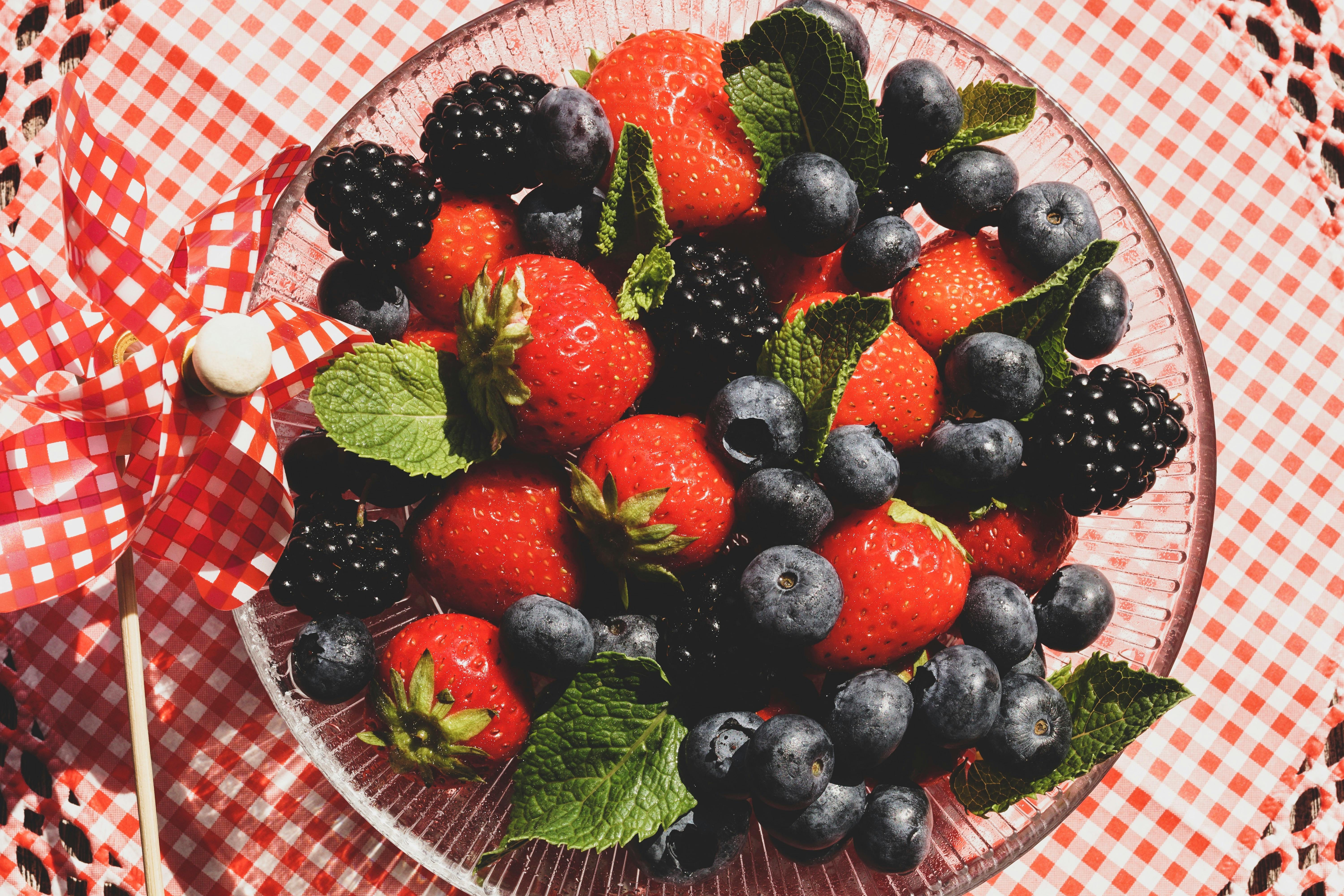
Antioxidant-rich foods help protect your skin from damage. Berries are great for this – blueberries, strawberries, blackberries. They’re also pretty easy to add to your diet. Green leafy vegetables like spinach and kale are packed with vitamins that support skin health.
Zinc is really important for skin healing and reducing inflammation. You can get it from pumpkin seeds, chickpeas, and lean meats.
Vitamin C helps with collagen production, so citrus fruits, bell peppers, and broccoli are all good choices.
For those dealing with more serious skin concerns, consulting with professionals at Ostego dermatology can provide personalized guidance on how dietary changes might complement your skincare routine.
How Water Affects Your Skin
Everyone says drink more water, and it sounds too simple to work, but dehydration really does show up on your skin first. When you’re not drinking enough water, your skin can look dull and feel tight.
You don’t need to drink gallons of water, but aiming for around 8 glasses a day helps flush out toxins and keeps your skin cells hydrated from the inside.
I noticed that when I’m consistent with water intake, my skin just looks more plump and healthy.
Sometimes what we think is dry skin is actually dehydrated skin, which is different. Dehydrated skin lacks water, while dry skin lacks oil. Drinking more water can help with the dehydration part.
Supplements Worth Trying
Supplements aren’t magic bullets, but some can be helpful if you’re not getting enough from food. Omega-3 supplements can reduce inflammation if you don’t eat much fish.
Zinc supplements might help with breakouts, but don’t go overboard – too much zinc can actually cause problems.
Probiotics are interesting because gut health and skin health are connected.
If your digestive system isn’t working well, it can show up as skin issues.
A good probiotic supplement or eating more fermented foods like kimchi and sauerkraut might help.
Vitamin D is worth checking too, especially if you don’t get much sun. Low vitamin D levels can affect skin healing and overall health.
Simple Diet Changes That Work
Start small instead of overhauling everything at once. Try cutting out dairy for a few weeks and see if you notice any difference.
Add one serving of omega-3 rich foods to your diet each day. Replace sugary snacks with nuts or fruit.
Keep a food and skin diary for a couple weeks. Write down what you eat and how your skin looks. You might start noticing patterns you never saw before.
The changes don’t happen overnight – give it at least 4-6 weeks to see real improvements. Your skin cells take time to regenerate, so be patient with the process.

