Healthy Living Together: Strategies to Uplift Your Community’s Well-Being
Healthy living shouldn’t just be about individual choices but also about the collective efforts of communities. When neighbors, schools, local businesses, and organizations come together to prioritize wellness, everyone benefits. A healthier community encourages stronger connections, reduces preventable illnesses, and creates spaces where people feel supported. By focusing on shared well-being, we can build environments where healthier habits are easier to maintain and where individuals feel empowered to thrive.
This article explores practical strategies you and anyone else can adopt to uplift your community’s overall health while strengthening the bonds that hold it together.
Start With Community Conversations
Every community has its own unique challenges, and the first step toward solving them is open dialogue. Starting conversations gives people the chance to voice their concerns, whether it is a lack of safe walking paths, limited access to fresh produce, or rising stress levels. Holding neighborhood meetings or casual group discussions in parks or community centers allows everyone to participate. When people feel heard, they become more invested in the outcome.
Partner With Organizations and Professionals
Once priorities are clear, the next step is seeking expert guidance. Community wellness becomes stronger when backed by professionals and organizations that specialize in public health. You can organize awareness sessions on topics like healthy eating, exercise, or managing chronic conditions. Inviting experts such as a dietitian, a mental health counselor, or a professional with a Masters in Public Health degree ensures the information shared is reliable and evidence-based. These experts bring both knowledge and practical solutions, helping communities avoid common pitfalls.
For example, a public health professional can guide families on how to make nutritious choices within a limited budget or offer strategies for stress management in everyday life. Collaboration with nonprofits and local healthcare providers also opens the door to valuable resources such as free screenings, workshops, and support groups.
Promote Accessible Fitness Opportunities
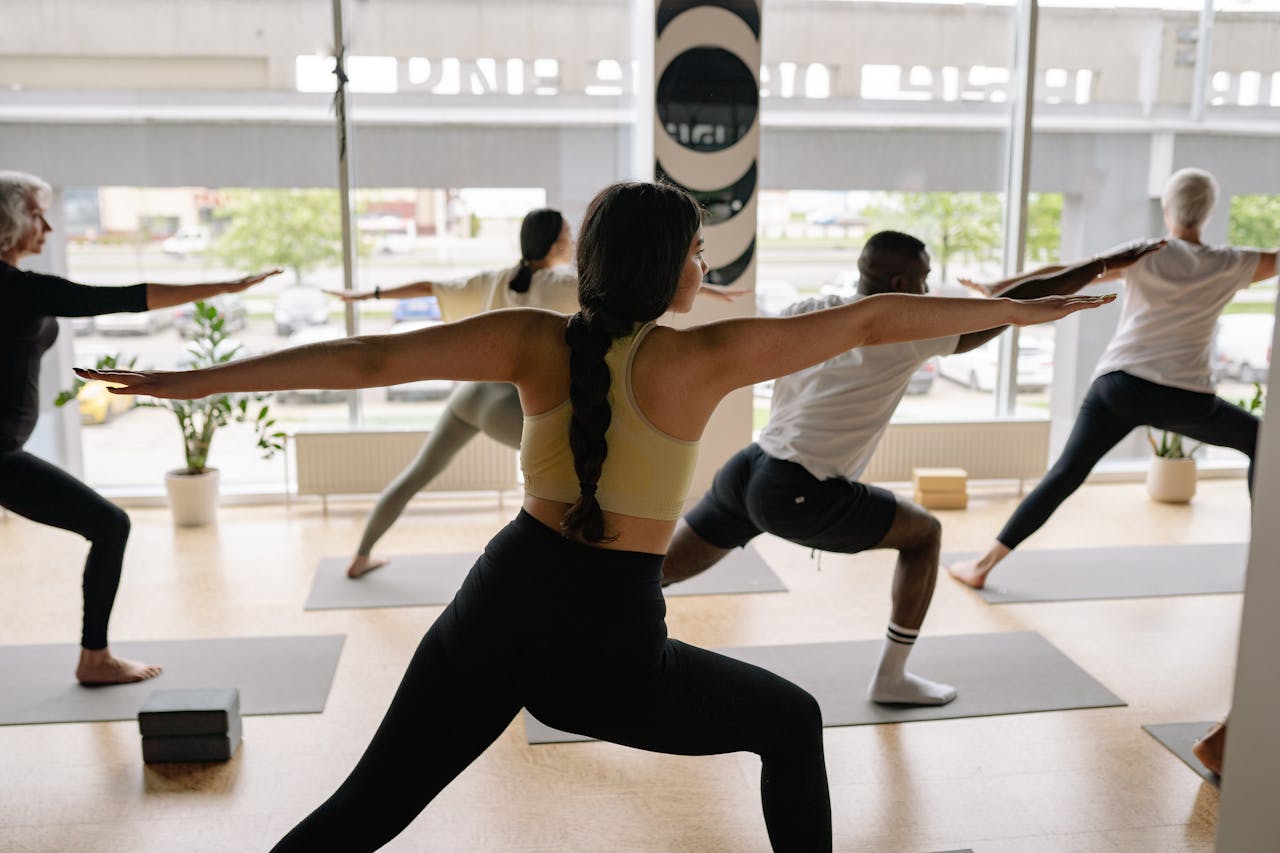
Physical activity is one of the easiest ways to improve health, yet not everyone has access to gyms or paid fitness programs. Communities can address this by creating simple, low-cost opportunities for movement. Weekend yoga sessions in a park, walking groups in neighborhoods, or free outdoor fitness classes make staying active more inviting and affordable. These activities also encourage social connections, making exercise less of a chore and more of a shared experience. Inclusivity should be at the heart of these initiatives. Offering activities for different age groups and fitness levels ensures that everyone, from children to seniors, can participate.
Improve Access to Healthy Foods
Nutrition is a cornerstone of good health, but many communities struggle with limited access to affordable, fresh foods. One effective strategy is organizing farmers’ markets or community gardens. These not only provide access to fresh produce but also encourage people to connect with the source of their food. Community gardens, in particular, create shared spaces where residents can work together, learn basic gardening skills, and enjoy the rewards of their efforts. Local food co-ops or partnerships with small businesses can also reduce costs and make healthier foods more available. In addition to access, education plays an important role. Simple cooking workshops can empower families to prepare balanced meals at home, reducing reliance on processed or fast food.
Support Mental Health and Emotional Well-Being
Physical health often takes center stage, but mental health is just as critical. Communities that support emotional well-being create safer, more connected spaces for everyone. Hosting peer support groups, mindfulness sessions, or stress management workshops helps normalize conversations about mental health. Small actions, such as creating safe spaces for open dialogue or organizing campaigns that reduce stigma, can have a significant impact. When mental health is addressed alongside physical health, the community becomes stronger and more balanced.
Encourage Volunteerism and Peer Support
Communities grow stronger when people step up to help one another. Volunteer programs create networks of support that extend beyond health, building trust and resilience. A simple neighborhood initiative, like organizing residents to deliver groceries to seniors, can have a direct impact on well-being. Peer-led programs also make a difference. An exercise buddy system encourages accountability and motivation. Informal childcare networks help parents share responsibilities, reducing stress and improving family health. These efforts rely on people offering their time and skills.
Use Schools and Educational Institutions as Hubs
Schools and universities are natural centers for community activity. They already bring together families, educators, and young people, making them powerful platforms for promoting wellness.
For instance, healthy school meal programs can introduce children to balanced diets that influence their habits for life. Physical education and after-school activities keep students active while also creating opportunities for parents to engage. Hosting health fairs or wellness days at schools makes it easier for families to access information and resources.
Universities can also contribute through research, outreach programs, or by offering expert lectures to the community.
Leverage Technology for Engagement
Technology has changed the way communities connect, and it can be a powerful tool for encouraging healthier living. Social media groups, wellness apps, and online platforms allow people to share resources, track progress, and stay motivated. For example, a community fitness challenge shared through an app or group chat can encourage participation even from those who cannot attend in-person events. Technology also makes information more accessible. Telehealth services provide medical advice without requiring travel, which is particularly valuable in underserved areas.
The key is using technology to enhance engagement while still nurturing face-to-face connections whenever possible.
Advocate for Safer and Healthier Environments
The design of a community shapes the health of its people. Safe sidewalks, well-lit parks, and accessible recreational areas encourage physical activity and social interaction. Clean water, reduced pollution, and safe housing contribute to long-term health outcomes. Residents can work with local authorities to advocate for improvements in these areas. Petitioning for bike lanes, demanding regular park maintenance, or organizing clean-up drives are all practical actions that directly impact health.
Advocacy requires persistence, but when communities raise their voices together, it becomes harder for policymakers to ignore their needs.
Healthy living together is not just about reducing illness or promoting exercise. It is about reshaping the way people see their role within the community. Every action, whether it is volunteering or participating in a school wellness day, adds a layer of strength to the community’s foundation. The future of health lies in these collective efforts. By continuing to innovate, adapt, and support one another, communities can move beyond addressing problems as they arise and instead create lasting systems of care and prevention.