Long-Term Mental Health Effects of Serious Accidents
Experiencing a serious accident can lead to numerous repercussions, profoundly impacting an individual’s mental health. The trauma from accidents often lingers long after the physical wounds have healed. Understanding the long-term mental health effects is important for both survivors and their families, as these emotional consequences can affect quality of life. By acknowledging these challenges and seeking help, individuals can navigate the complexities of their mental health and find a path toward recovery.

The Psychological Impact of Trauma
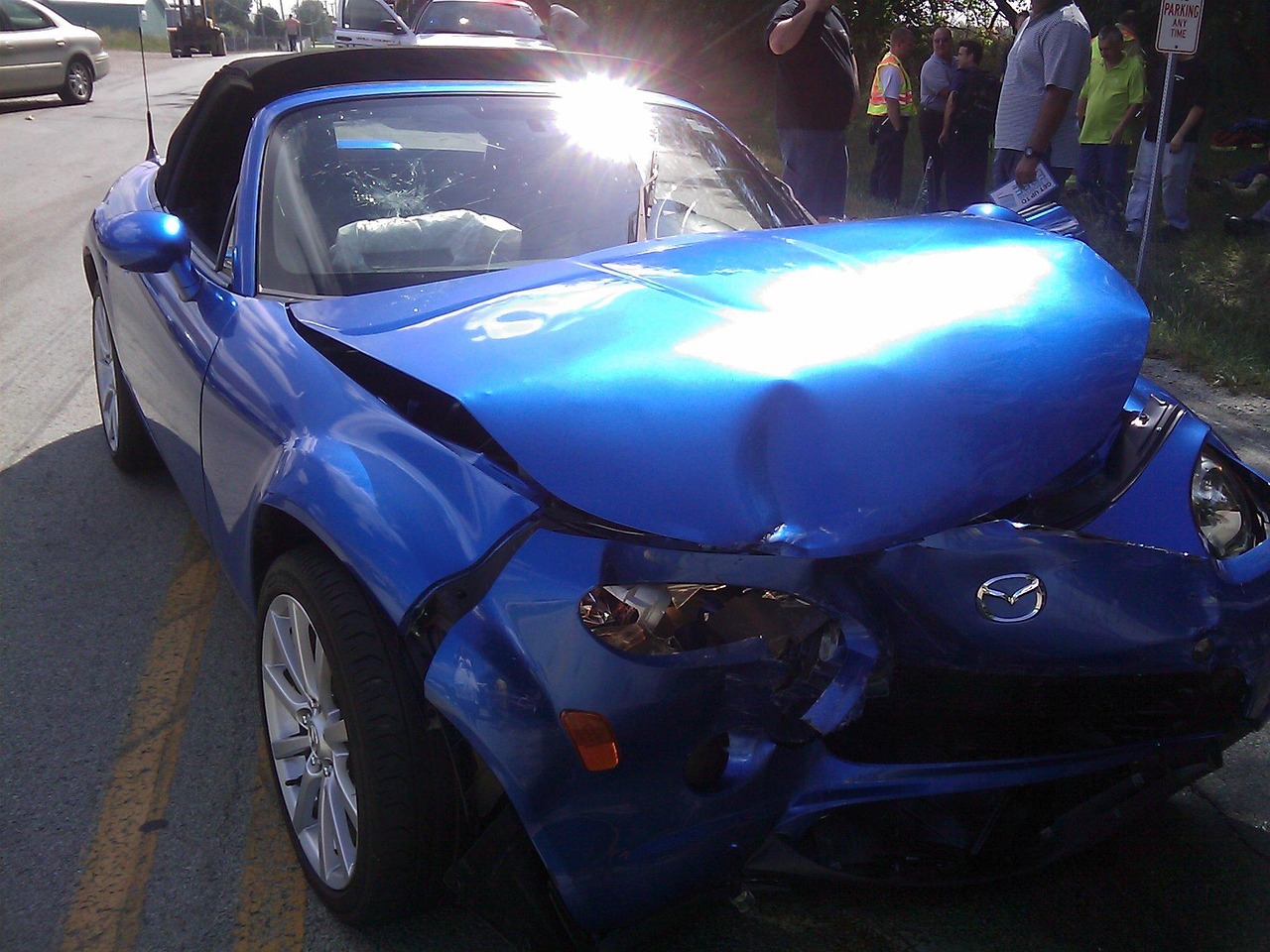
When a serious accident occurs, it can be an intensely traumatic event that overwhelms an individual’s ability to cope. Psychological trauma often manifests as post-traumatic stress disorder (PTSD), anxiety, and depression. A study published in the Journal of Traumatic Stress highlights that about 20% of survivors from significant accidents may experience PTSD symptoms. These symptoms can include flashbacks, nightmares, and severe anxiety, which may lead to avoidant behavior, isolating the individual from social support.
The psychological effects can disrupt various aspects of daily life. As seen at https://ltlaw.com/, getting legal support is important to navigate the aftermath of accidents. The aftermath of such incidents extends to families and friends, resulting in a broader emotional toll. Understanding this dynamic underscores the necessity for counseling and support systems to aid in recovery.
Common Mental Health Conditions Post-Accident
Survivors of serious accidents often grapple with several mental health conditions. Beyond PTSD, anxiety disorders are prevalent among those who have endured traumatic incidents. Many individuals report persistent anxiety, which can feature hyperarousal and a general sense of dread about potential future dangers. The resultant depression can handicap one’s ability to find joy in previously enjoyed activities.
Support from mental health professionals can be pivotal. Many survivors benefit from tailored therapeutic approaches, which might include cognitive-behavioral therapy (CBT) or exposure therapy. These interventions aim to address and mitigate symptoms by altering destructive thought patterns and enabling healthier coping mechanisms. Understanding that seeking help is not a sign of weakness is imperative for recovery.
The Role of Support Networks
Support networks play a crucial role in the recovery process after a serious accident. Family, friends, and support groups can provide the necessary encouragement and compassion that individuals need. It’s important for survivors to surround themselves with empathetic listeners who validate their feelings while encouraging them to seek professional help. Peer support groups, often made up of individuals who have experienced similar traumas, can prove exceptionally valuable in sharing coping strategies and fostering a sense of community.
Beyond emotional support, these networks can often help monitor behavioral changes that might indicate the worsening of mental health conditions. Engaging in open dialogues about feelings and experiences can alleviate some burdens, allowing individuals to feel less isolated in their struggles.
Barriers to Seeking Help
Despite the availability of extensive support, barriers to seeking help exist. Many individuals may not recognize the symptoms of mental health issues or may attribute their feelings to normal reactions following trauma. Stigma surrounding mental health can discourage survivors from pursuing necessary treatment. A study in the American Journal of Psychiatry indicates that societal stigma can significantly deter individuals from seeking help, often leading to prolonged suffering.
Practical challenges such as financial constraints or lack of access to mental health resources can exacerbate the situation. These barriers can leave individuals feeling trapped, further intensifying their sense of isolation and despair. Acknowledging these challenges is crucial, as it pushes for a broader dialogue on ensuring that mental health support is accessible and destigmatized across communities.
Long-Term Effects of Neglecting Mental Health
The detrimental effects of neglecting mental health after a serious accident can be extensive and far-reaching. Unaddressed psychological issues can lead to chronic mental health conditions, impacting personal relationships and professional life. Survivors may find it difficult to return to work or participate in social gatherings, further segregating themselves from loved ones.
Understanding the long-term consequences of neglecting mental health underlines the need for early intervention and consistent support. Proactive mental health care can prevent conditions from worsening, paving the way for a smoother and healthier recovery journey. Creating awareness and educational initiatives can empower individuals to recognize warning signs and seek timely help.
Strategies for Promoting Long-Term Mental Health Recovery
Recovering from a serious accident requires a comprehensive approach to mental health that combines professional treatment, personal strategies, and ongoing support. One effective strategy is engaging in regular therapy sessions with licensed mental health professionals, such as psychologists or counselors. Evidence-based approaches like cognitive-behavioral therapy (CBT), exposure therapy, and eye movement desensitization and reprocessing (EMDR) can help survivors process trauma, manage anxiety, and develop healthier coping mechanisms.
Incorporating self-care routines plays a vital role in long-term recovery. Practices such as mindfulness meditation, journaling, and regular physical activity have been shown to reduce stress, improve mood, and foster resilience. Establishing a structured daily routine can provide a sense of normalcy and control, helping individuals regain confidence in their ability to manage life after an accident.

Serious accidents leave a profound impact that extends beyond physical injuries, often affecting long-term mental health. Survivors may experience PTSD, anxiety, depression, and other psychological challenges that require timely intervention and ongoing care. Support networks, therapy, and personal strategies are important in fostering resilience and preventing chronic mental health issues. Recognizing the barriers to seeking help, addressing stigma, and ensuring access to resources are critical steps toward recovery. By prioritizing mental health, survivors can navigate the aftermath of trauma, regain control over their lives, and cultivate a sense of well-being that supports long-term healing and emotional stability.