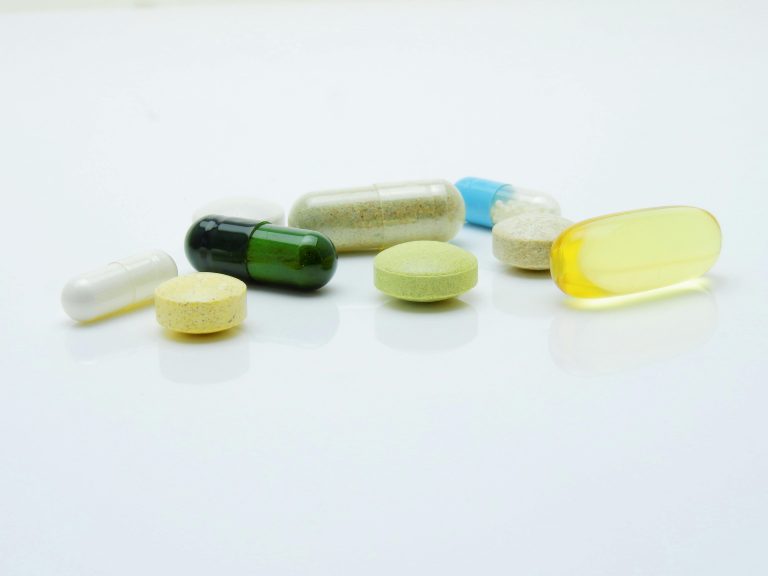
At-Home Detox Kits: Are They Safe?
At-Home Detox Kits: Are They Safe?
From social media ads to drugstore shelves, at-home detox kits are everywhere. People turn to them to save money, avoid stigma, manage withdrawal symptoms, or “cleanse” before a test. But are at-home detox kits safe—or effective? The short answer: most commercial products can’t treat withdrawal and may create a false sense of security. This guide explains the three very different things called “detox kits,” what’s actually safe, and how to protect your health while seeking help.
Understanding At-Home Detox Kits: What Are They?
“Detox kit” is used to describe very different products and approaches. Understanding the differences is essential for safety and realistic expectations.
Three Categories of “Detox Kits”
1) Drug test masking/cleansing products. These are marketed to help people pass urine, saliva, or hair tests. They do not treat addiction or withdrawal and often promise to “flush toxins fast.” Their claims are not medical detox.
2) Wellness/supplement-based cleansing kits. These over-the-counter detox kits bundle herbs, vitamins, teas, diuretics, laxatives, or activated charcoal. They claim to “support liver/kidney function” or “remove toxins,” but they do not address the neurochemical changes of withdrawal.
3) Medical withdrawal management at home. This is not a store-bought kit. It refers to a clinician-guided plan that may include telemedicine, prescriptions, monitoring, and a support person. It is a medical service, not a supplement bundle.
Most retail detox kits are regulated as dietary supplements, which means they do not require proof of effectiveness before being sold. Marketing claims are often broader than what science supports.
The Science Behind Detoxification: What Actually Happens
In medicine, “detoxification” means safely managing withdrawal while the body clears a substance. Your liver and kidneys already handle elimination. Withdrawal occurs when the brain and body adapt to stopping or reducing alcohol or drugs, leading to symptoms like tremors, anxiety, nausea, insomnia, blood pressure swings, and more. Severity depends on substance, dose, duration, health conditions, and prior withdrawal history. Managing withdrawal is a clinical process—not something supplements can replace.
Safety Concerns: The Real Risks of Unsupervised Home Detox
Trying to stop alcohol or drugs at home without medical guidance can be dangerous. Some withdrawals are medical emergencies; others are extremely uncomfortable and risky without support.
Life-Threatening Withdrawal Complications
- Alcohol: Risk of seizures, dangerous blood pressure/heart rate changes, and delirium tremens (confusion, hallucinations). These can be fatal without treatment.
- Benzodiazepines (e.g., Xanax, Valium): Risk of seizures, severe anxiety, psychosis, and rebound symptoms if stopped abruptly.
- Opioids (e.g., heroin, fentanyl, oxycodone): Usually not life-threatening by themselves, but severe vomiting, diarrhea, dehydration, and cardiac stress can cause complications. Overdose risk rises after detox due to lost tolerance.
- Stimulants (e.g., cocaine, methamphetamine): Intense fatigue, depression, and suicidal thoughts can occur. Cardiac concerns and agitation are possible.
Why Commercial Detox Kits Can’t Treat Medical Withdrawal
- Herbal cleanses, teas, and vitamins don’t prevent seizures, stabilize vital signs, or correct brain chemistry changes.
- There’s no solid evidence that “cleansing” products reduce withdrawal severity or speed recovery.
- They can delay needed care and create false confidence.
- Herbs and supplements may interact with medications or underlying conditions.
Additional Risk Factors
- Heart, liver, or kidney disease; pregnancy; uncontrolled high blood pressure; or serious mental health conditions.
- Polysubstance use (e.g., alcohol plus benzodiazepines) elevates risk.
- Prior severe withdrawal (seizures, delirium tremens) or multiple past detox attempts.
- Lack of a support person, unstable housing, or no reliable access to emergency care.
When Home Detox Might Be Considered (With Major Caveats)
There are limited situations where carefully planned home withdrawal support may be possible, but only after medical evaluation.
- Lower-risk substances: Mild dependence on cannabis or some stimulants may be managed at home with clinician oversight, safety planning, and monitoring.
- Telemedicine-supervised home detox: A middle ground where clinicians assess risk, prescribe medications when appropriate, provide check-ins, and require a support person on-site.
- Conditions must be met: Medical clearance, stable housing, a reliable support person, safe storage of medications, clear emergency plan, and quick access to urgent care.
- Avoid “cold turkey” for alcohol/benzodiazepines: Clinician-directed tapering or medications are often needed to reduce risk.
Harm reduction if you proceed anyway: Tell someone you trust, avoid detoxing alone, keep a charged phone nearby, hydrate with electrolytes, avoid driving, schedule daily medical check-ins, and have a plan for ongoing treatment immediately after detox.
What’s Actually in Over-the-Counter Detox Kits?
Common ingredients include milk thistle, dandelion root, burdock, artichoke, B vitamins, magnesium, fiber, senna (laxative), diuretics (dandelion, caffeine), and activated charcoal. These may affect digestion, fluid balance, or lab values, but they do not prevent withdrawal or “flush” substances from your system on demand. Side effects can include dehydration, electrolyte imbalance, diarrhea/constipation, and medication interactions. Quality control varies widely across supplements.
Red Flags: Identifying Dangerous or Fraudulent Products
- Promises like “rapid detox,” “pass any test,” or “guaranteed results.”
- No full ingredient list or undisclosed proprietary blends.
- Claims to replace medical detox or cure addiction.
- Unrealistic timelines (“clean in 24 hours”).
- Past regulatory warnings or lawsuits.
Safer Alternatives: Professional Detox Options
Levels of Professional Detox Care
- Inpatient/residential medical detox: 24/7 monitoring for moderate to severe alcohol, benzodiazepine, or polysubstance withdrawal, or when medical/psychiatric risks are high.
- Outpatient detox: Regular clinic visits, vitals, and medications for selected lower-risk cases with strong support at home.
- Partial hospitalization (PHP): Daytime medical and therapeutic care, home at night, for step-down support.
- Telemedicine-supported home detox: Remote clinical oversight and prescriptions with daily monitoring and a required support person.
- Medication-assisted treatment (MAT): Buprenorphine or methadone for opioids; acamprosate, naltrexone, or others for alcohol, as appropriate.
A clinician uses criteria like medical history, current vitals, substance type, use pattern, environment, and prior withdrawals to match the safest level of care.
Accessing Affordable Detox Treatment
Many insurance plans cover detox as an essential health benefit. Call your insurer to confirm in-network detox providers, prior authorization requirements, and co-pays. If uninsured, ask about state-funded programs, community health centers, or sliding-scale options. The SAMHSA National Helpline (1-800-662-4357) can help you find local, low-cost care.
Warning Signs: When to Seek Emergency Medical Help
Call 911 immediately if any of the following occur:
- Seizures, fainting, or unresponsiveness
- Severe confusion, agitation, or hallucinations
- Chest pain, shortness of breath, or irregular heartbeat
- Uncontrollable vomiting or inability to keep fluids down
- High fever, severe tremors, or worsening blood pressure
- Suicidal thoughts or intent
Be honest with emergency providers about what and how much you’ve used. Rapid, appropriate care saves lives.
Beyond Detox: The Path to Lasting Recovery
Detox addresses physical dependence, not the behavioral and psychological components of addiction. Without follow-up care, relapse risk is high. A strong plan includes therapy (CBT, DBT), peer support (12-step or alternatives), medication-assisted treatment when indicated, mental health care, family support, and ongoing relapse-prevention strategies.
Conclusion
Most commercial at-home detox kits are not designed to treat withdrawal and can be misleading. Unsupervised home detox carries serious risks, especially for alcohol and benzodiazepines. The safest path is medically supervised detox—now increasingly available via outpatient clinics and telemedicine. Help is available, affordable options exist, and recovery is possible. For confidential support and treatment navigation, call the SAMHSA National Helpline at 1-800-662-4357.
Frequently Asked Questions About At-Home Detox Kits
What exactly are “at-home detox kits” and what do they claim to do?
“Detox kits” include drug-test masking products, supplement-based cleanses, and clinician-guided home withdrawal support. Marketers often promise “toxin removal” and fast results. Most retail kits are unregulated supplements and don’t treat withdrawal. Clinician-supervised home detox is a medical service, not a product bundle.
Can at-home detox kits help with alcohol or drug withdrawal symptoms?
There’s little to no evidence that commercial kits meaningfully reduce withdrawal. Withdrawal is a medical condition requiring assessment and, at times, prescription medications and monitoring. Some vitamins may support general health, but they don’t replace medical detox or prevent severe complications.
What are the biggest dangers of trying to detox at home without medical supervision?
Alcohol and benzodiazepine withdrawal can cause seizures, dangerous vital sign changes, or delirium. Opioid withdrawal can lead to dehydration and medical complications; overdose risk rises post-detox due to lost tolerance. Depression or suicidality can occur with stimulants. Underlying conditions and polysubstance use add risk.
Are there any situations where home detox might be safe?
Possibly for mild dependence on lower-risk substances with medical clearance, stable housing, a support person, and rapid access to care. Telemedicine-supervised home detox is a safer middle ground. Never attempt alcohol or benzodiazepine detox “cold turkey” without clinician oversight and a plan.
What ingredients are typically in over-the-counter detox kits?
Common ingredients include milk thistle, dandelion, burdock, B vitamins, magnesium, fiber, senna, diuretics, and activated charcoal. They may affect digestion or fluid balance but don’t treat withdrawal. Risks include dehydration, electrolyte imbalance, and interactions with medications or health conditions.
How can I tell if a detox kit is legitimate or just a scam?
Beware “guaranteed” results, “rapid detox,” or “pass any test” claims, missing ingredient lists, and promises to replace medical care. Look for transparent labeling, realistic claims, and third-party testing—but remember, supplements aren’t substitutes for evidence-based withdrawal management.
What should I do if I or someone I know is experiencing withdrawal symptoms at home?
Call 911 for seizures, severe confusion, chest pain, extreme tremors, hallucinations, inability to keep fluids down, or suicidal thoughts. For non-emergencies and treatment navigation, contact the SAMHSA National Helpline at 1-800-662-4357. Be honest with clinicians about use; it guides safer care.
What are safer alternatives to at-home detox kits?
Medically supervised inpatient detox, outpatient detox with regular monitoring, partial hospitalization, telemedicine-supported home detox, and medication-assisted treatment. A clinician can match you to the safest level of care based on your substance use, health, environment, and history.
Will insurance cover professional detox treatment?
Most plans include detox as an essential health benefit. Call your plan’s member services to verify in-network providers and any prior authorization. If uninsured, look for state-funded programs, community clinics, sliding-scale options, and support through the SAMHSA Helpline (1-800-662-4357).
Is detox enough for recovery, or do I need additional treatment?
Detox is the first step. Long-term recovery typically requires ongoing treatment: therapy, support groups, medication-assisted treatment when indicated, mental health care, and relapse-prevention planning. A structured continuum—from detox to outpatient care and aftercare—greatly improves outcomes.