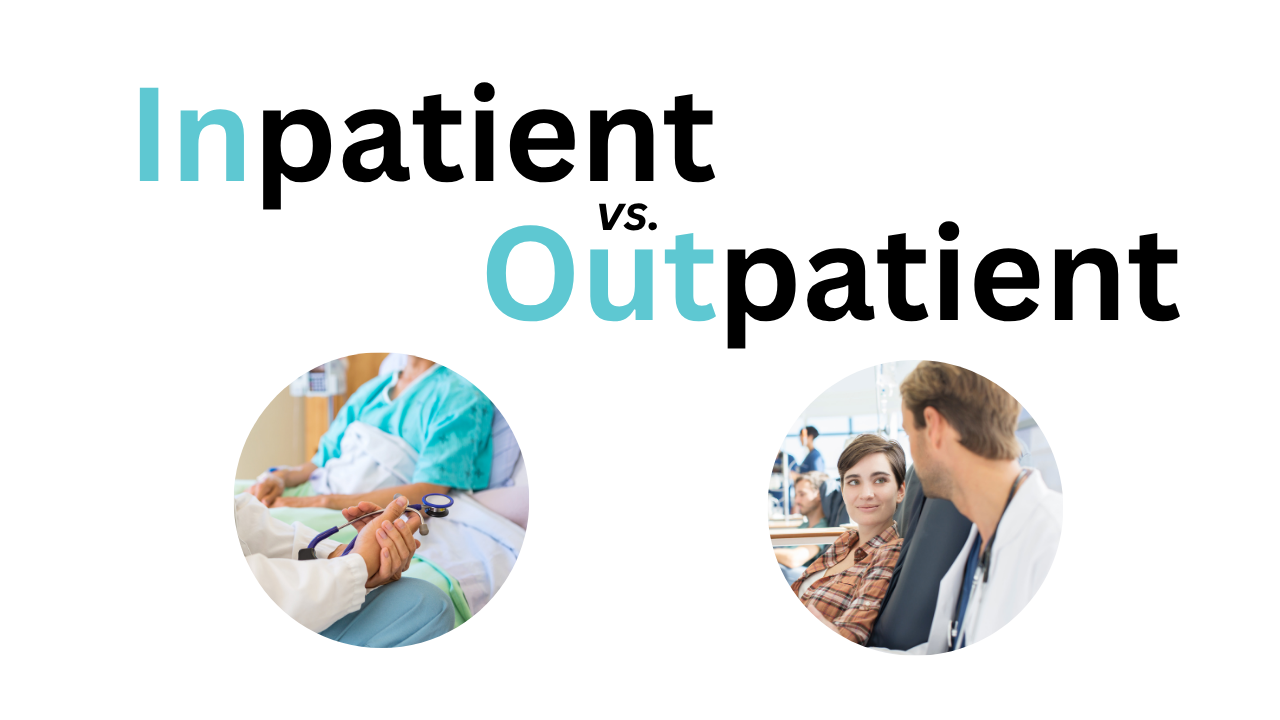
Difference Between Inpatient and Outpatient Detox
When facing addiction, choosing the right detoxification program can feel overwhelming. The difference between inpatient and outpatient detox represents one of the most critical decisions in your recovery journey. This comprehensive guide will help you navigate these options, understand their unique benefits, and make an informed choice that aligns with your specific needs and circumstances.
At The Recover, we understand that every person’s path to recovery is unique. Our commitment to providing comprehensive information on addiction treatment and recovery support means helping you understand all available options, including the fundamental differences between residential and ambulatory detox programs.
Understanding Detoxification: The Foundation of Recovery
Detoxification serves as the crucial first step in addiction treatment, allowing your body to safely eliminate harmful substances while managing potentially dangerous withdrawal symptoms. The process involves medical supervision, psychological support, and careful monitoring to ensure your safety throughout this vulnerable period.
Medical detox programs provide structured environments where healthcare professionals can address both the physical and emotional challenges of withdrawal. Whether you choose inpatient or outpatient care, proper detoxification sets the foundation for long-term recovery success.
The choice between these two approaches depends on multiple factors, including the severity of your addiction, your medical history, available support systems, and personal circumstances that may influence your treatment needs.
What Is Inpatient Detox?
Inpatient detox involves residing at a specialized medical facility for the duration of your detoxification process. This residential approach provides 24/7 medical supervision, immediate access to healthcare professionals, and a controlled environment free from external triggers and substances.
Key Features of Inpatient Detox Programs
Residential detox facilities offer comprehensive care that includes:
- Round-the-clock medical monitoring by licensed healthcare professionals
- Immediate intervention for medical emergencies or severe withdrawal complications
- Structured daily schedules that promote healing and recovery
- Peer support through interaction with others in similar situations
- Medication management for withdrawal symptoms and underlying conditions
- Therapeutic activities including individual and group counseling sessions
Medical supervision in inpatient vs. outpatient detox represents one of the most significant differences between these approaches. Inpatient facilities maintain medical staff on-site at all times, ensuring immediate response to any complications that may arise during the detox process.
Duration and Intensity of Inpatient Programs
How long is inpatient detox compared to outpatient detox? Typically, inpatient programs range from 3 to 14 days, depending on the substance involved and individual needs. This intensive approach allows for complete focus on the detoxification process without external distractions or responsibilities.
The structured environment eliminates access to substances while providing comprehensive support during the most challenging phase of withdrawal. This controlled setting proves particularly beneficial for individuals with severe addictions or those who have experienced unsuccessful previous attempts at recovery.
What Is Outpatient Detox?
Outpatient detox allows individuals to receive medical supervision and support while maintaining their daily responsibilities and living arrangements. This flexible approach involves scheduled visits to a treatment facility while continuing to reside at home.
Characteristics of Outpatient Detox Programs
Ambulatory detox services typically include:
- Scheduled medical appointments for monitoring and medication management
- Flexible treatment schedules that accommodate work and family obligations
- Home-based recovery with family and community support systems
- Gradual transition into daily life while receiving professional guidance
- Cost-effective treatment with lower overall expenses
- Continued access to personal support networks and familiar environments
Support systems available in inpatient vs. outpatient detox programs differ significantly in their structure and intensity. Outpatient programs rely heavily on external support networks, including family members, friends, and community resources.
Outpatient Program Variations
Several types of outpatient detox programs exist to meet different needs:
Intensive Outpatient Programs (IOP) require multiple weekly visits and provide more structured support while maintaining flexibility for daily responsibilities.
Standard Outpatient Programs involve fewer weekly appointments, suitable for individuals with strong support systems and less severe withdrawal risks.
Partial Hospitalization Programs (PHP) offer day-long treatment sessions while allowing patients to return home each evening.
Inpatient vs. Outpatient Detox Success Rates
Research demonstrates varying success rates between inpatient and outpatient approaches, with several factors influencing outcomes. Inpatient vs. outpatient detox success rates depend heavily on individual circumstances, addiction severity, and post-detox treatment engagement.
Studies indicate that inpatient programs often show higher completion rates due to the controlled environment and inability to access substances during treatment. However, long-term success depends more on continued engagement with recovery programs after initial detoxification.
Factors Affecting Success Rates
Several elements contribute to successful detox outcomes:
- Severity of addiction and length of substance use
- Presence of co-occurring mental health disorders
- Quality of post-detox treatment and ongoing support
- Individual motivation and commitment to recovery
- Availability of family and social support systems
- Previous treatment history and relapse experiences
The Recover emphasizes that success extends beyond initial detoxification completion. Long-term recovery requires comprehensive treatment that addresses underlying issues contributing to addiction.
Cost Analysis: Inpatient vs. Outpatient Programs
Cost of inpatient vs. outpatient drug detox programs represents a significant consideration for many individuals and families. Understanding the financial implications helps inform treatment decisions while considering insurance coverage and available resources.
Inpatient Detox Costs
Residential detox programs typically involve higher upfront costs due to:
- 24/7 medical staffing and supervision requirements
- Residential accommodations including meals and lodging
- Comprehensive medical services and emergency intervention capabilities
- Therapeutic programming and structured activities
- Advanced medical equipment and facility maintenance
Average costs for inpatient detox range from $1,000 to $3,000 per day, with total program costs varying based on length of stay and specific services provided.
Outpatient Detox Expenses
Ambulatory programs generally cost less due to:
- Limited facility overhead without residential components
- Flexible staffing based on appointment schedules
- Reduced medical infrastructure requirements
- Lower administrative costs per patient served
Outpatient detox costs typically range from $100 to $500 per day, depending on the intensity of services and frequency of appointments.
Insurance Coverage Considerations
Most insurance plans cover both inpatient and outpatient detox services, though coverage levels may vary. The Recover recommends verifying benefits before beginning treatment to understand potential out-of-pocket expenses and available options.
Medical Supervision and Safety Considerations
Medical supervision in inpatient vs. outpatient detox represents perhaps the most crucial difference between these treatment approaches. The level of medical oversight directly impacts safety and the ability to manage potentially life-threatening complications.
Inpatient Medical Supervision
Residential facilities provide:
- Immediate medical intervention for emergencies
- Continuous vital sign monitoring during high-risk periods
- Medication administration by licensed healthcare professionals
- Rapid response capabilities for severe withdrawal symptoms
- Comprehensive medical assessments and ongoing evaluation
This level of supervision proves essential for individuals at risk of severe withdrawal complications, including seizures, delirium tremens, or cardiovascular issues.
Outpatient Medical Oversight
Ambulatory programs offer:
- Regular medical check-ups during scheduled appointments
- Medication management with take-home prescriptions
- Emergency contact protocols for crisis situations
- Family education about warning signs and when to seek help
- Coordination with primary care physicians and specialists
Patients and families bear greater responsibility for recognizing potential complications and seeking appropriate medical attention when necessary.
Risk Assessment and Safety Protocols
Healthcare providers assess multiple factors when determining appropriate supervision levels:
- Type of substance being discontinued
- Duration and severity of addiction
- Previous withdrawal experiences and complications
- Overall physical health and medical conditions
- Mental health status and suicide risk factors
- Available support systems and emergency resources
Withdrawal Symptoms: Management Approaches
Withdrawal symptoms managed in inpatient vs. outpatient detox facilities require different strategies based on the available resources and supervision levels. Understanding these differences helps set appropriate expectations for each treatment approach.
Common Withdrawal Symptoms
Detoxification may involve various symptoms depending on the substance:
Alcohol withdrawal can include tremors, sweating, nausea, anxiety, hallucinations, and potentially life-threatening seizures or delirium tremens.
Opioid withdrawal typically involves muscle aches, nausea, vomiting, diarrhea, anxiety, insomnia, and intense cravings.
Stimulant withdrawal often causes depression, fatigue, increased appetite, sleep disturbances, and strong drug cravings.
Benzodiazepine withdrawal may include anxiety, insomnia, tremors, confusion, and potentially dangerous seizures.
Inpatient Symptom Management
Residential facilities can provide:
- Immediate medication adjustments based on symptom severity
- Comfort measures including IV fluids, nutritional support, and environmental modifications
- Psychological support through counseling and peer interaction
- Activity therapy to promote healing and distraction from discomfort
- Sleep management through medication and environmental controls
Outpatient Symptom Support
Ambulatory programs focus on:
- Medication protocols for home management of symptoms
- Family education about supportive care techniques
- Emergency protocols for severe symptom management
- Regular monitoring through scheduled appointments
- Community resources for additional support and comfort measures
Addiction Severity and Treatment Matching
Is inpatient or outpatient detox better for severe addiction? The answer depends on multiple factors related to addiction severity, medical complexity, and individual risk factors.
Indicators for Inpatient Treatment
Residential detox may be recommended for:
- Severe, long-term addiction with high physical dependence
- Previous unsuccessful outpatient attempts
- Co-occurring medical conditions that complicate withdrawal
- Mental health disorders requiring intensive monitoring
- Lack of stable housing or supportive home environment
- High risk of relapse due to environmental triggers
- Previous severe withdrawal complications
Appropriate Outpatient Candidates
Ambulatory detox may suit individuals with:
- Mild to moderate addiction severity
- Strong family and social support systems
- Stable housing and safe living environment
- Work or family obligations that cannot be interrupted
- Previous successful treatment experiences
- Lower risk of severe withdrawal complications
- Strong motivation and commitment to recovery
Choosing Between Inpatient and Outpatient Detox for Opioid Addiction
Opioid addiction presents unique challenges that influence treatment selection. Factors to consider include:
Duration of use and daily amounts consumed affect withdrawal severity and medical risk levels.
Type of opioid influences withdrawal timeline and potential complications, with synthetic opioids often requiring more intensive management.
Concurrent substance use increases complexity and may necessitate higher levels of medical supervision.
Previous treatment history helps predict likely challenges and successful approaches for individual patients.
Specialized Considerations for Different Substances
Pros and Cons of Inpatient vs. Outpatient Alcohol Detox
Alcohol detoxification requires careful consideration due to potentially life-threatening withdrawal complications.
Inpatient Alcohol Detox Advantages:
- Immediate medical intervention for seizures or delirium tremens
- Controlled environment preventing access to alcohol
- Comprehensive nutritional support and thiamine replacement
- Intensive psychological support during vulnerable periods
Outpatient Alcohol Detox Benefits:
- Maintained family and work relationships
- Lower treatment costs and insurance impact
- Familiar environment and support systems
- Gradual transition to sober living
Safety Considerations: Severe alcohol withdrawal can cause life-threatening complications, making inpatient care essential for high-risk individuals with extensive drinking histories or previous withdrawal seizures.
Opioid Detox Considerations
Opioid withdrawal, while rarely life-threatening, causes significant discomfort that may lead to treatment dropout and relapse.
Medication-assisted treatment options like buprenorphine or methadone can be provided in both settings, though inpatient programs may offer more comprehensive medication management during the initial phase.
Psychological support becomes crucial as opioid withdrawal often involves intense cravings and emotional distress that benefit from intensive therapeutic intervention.
Support Systems and Environmental Factors
Support systems available in inpatient vs. outpatient detox programs play crucial roles in treatment success and long-term recovery outcomes.
Inpatient Support Structures
Residential programs provide:
- 24/7 professional support from medical and therapeutic staff
- Peer support groups with others in similar situations
- Structured programming that promotes healthy routines
- Family therapy sessions when appropriate and possible
- Educational workshops about addiction and recovery
- Spiritual care and chaplaincy services when desired
Outpatient Support Networks
Ambulatory programs rely on:
- Family involvement and home-based support systems
- Community resources including support groups and churches
- Professional relationships with therapists and counselors
- Workplace accommodations and understanding employers
- Social connections that support sobriety goals
- Recreational activities that promote healthy lifestyle choices
Building Long-term Recovery Networks
Both approaches should focus on developing sustainable support systems that extend beyond initial detoxification. The Recover emphasizes the importance of connecting individuals with ongoing recovery resources and community support networks.
Eligibility Criteria for Inpatient vs. Outpatient Detox Treatment
Healthcare providers use specific criteria to determine appropriate treatment levels based on multiple assessment factors.
Medical Assessment Factors
Physical health evaluation considers:
- Current medical conditions and complications
- Vital sign stability and cardiovascular health
- Liver function and other organ systems
- Pregnancy status and fetal considerations
- Age-related factors and medication interactions
Addiction severity assessment examines:
- Duration and frequency of substance use
- Quantities consumed and tolerance levels
- Previous withdrawal experiences and complications
- Concurrent substance use patterns
- Failed previous treatment attempts
Psychosocial Evaluation
Mental health screening addresses:
- Depression, anxiety, and other psychiatric conditions
- Suicide risk assessment and safety planning
- Cognitive function and decision-making capacity
- Trauma history and PTSD symptoms
- Motivation and readiness for change
Social factors include:
- Housing stability and safety
- Family support and relationship quality
- Employment status and financial resources
- Transportation and childcare availability
- Legal issues and court requirements
Insurance and Authorization Requirements
Many insurance providers require prior authorization for inpatient treatment, necessitating documentation of medical necessity and failed outpatient attempts.
Utilization review processes may involve ongoing assessment of treatment progress and continued need for residential care.
Treatment Outcomes and Transition Planning
Success in detoxification extends beyond completing the initial withdrawal phase. Both inpatient and outpatient programs must address transition planning and continued treatment engagement.
Post-Detox Treatment Planning
Inpatient programs typically provide:
- Comprehensive discharge planning with treatment recommendations
- Referrals to ongoing therapy and support services
- Medication management protocols for continued care
- Family education about warning signs and relapse prevention
- Connection to community resources and support groups
Outpatient programs focus on:
- Gradual transition to less intensive services
- Continued medical monitoring and medication adjustments
- Integration of family and social support systems
- Development of coping strategies and relapse prevention skills
- Coordination with primary care and mental health providers
Long-term Recovery Considerations
Both treatment approaches should address factors that influence long-term success:
Ongoing therapy helps address underlying issues contributing to addiction and develop healthy coping mechanisms.
Support group participation provides peer support and accountability throughout the recovery process.
Lifestyle modifications including exercise, nutrition, and stress management support overall health and wellbeing.
Vocational rehabilitation may help individuals rebuild careers and financial stability affected by addiction.
Making the Right Choice for Your Situation
Selecting between inpatient and outpatient detox requires careful consideration of personal circumstances, medical needs, and recovery goals. The Recover recommends working with qualified healthcare professionals to evaluate your specific situation and determine the most appropriate treatment approach.
Questions to Consider
When evaluating treatment options, consider:
- How severe is your addiction, and what substances are involved?
- Have you experienced dangerous withdrawal symptoms in the past?
- Do you have strong support systems at home?
- Can you safely manage withdrawal symptoms in your current environment?
- What are your work, family, and financial considerations?
- Do you have co-occurring medical or mental health conditions?
- What does your insurance cover, and what are the financial implications?
Professional Assessment
Healthcare providers will evaluate multiple factors including:
Medical history and current health status Addiction severity and substance use patterns Mental health conditions and treatment needs Social support systems and environmental factors Previous treatment experiences and outcomes Personal preferences and treatment goals
Frequently Asked Questions About Inpatient vs. Outpatient Detox
1. Which type of detox has higher success rates?
Success rates vary based on individual factors rather than treatment setting alone. Inpatient programs often show higher completion rates due to controlled environments, but long-term success depends on continued treatment engagement and personal commitment to recovery.
2. How much more expensive is inpatient detox compared to outpatient?
Inpatient detox typically costs 3-10 times more than outpatient programs due to residential components and 24/7 staffing. However, insurance coverage often applies to both options, and the total cost depends on program length and specific services provided.
3. Can I switch from outpatient to inpatient detox if needed?
Yes, treatment levels can be adjusted based on your response and changing needs. If outpatient detox proves insufficient or complications arise, healthcare providers can recommend transitioning to inpatient care for enhanced safety and support.
4. How long does each type of detox program last?
Inpatient detox typically lasts 3-14 days, depending on the substance and individual needs. Outpatient detox may extend over several weeks with scheduled appointments, allowing for gradual withdrawal management and ongoing monitoring.
5. Will I receive medications for withdrawal symptoms in both settings?
Both inpatient and outpatient programs can provide medications to manage withdrawal symptoms. Inpatient facilities offer immediate medication adjustments, while outpatient programs provide prescriptions for home management with regular monitoring.
6. What happens if I experience medical complications during outpatient detox?
Outpatient programs include emergency protocols and 24/7 contact numbers for medical concerns. Severe complications may require emergency room visits or immediate transition to inpatient care for enhanced medical supervision.
7. Can family members be involved in both types of detox programs?
Yes, both settings encourage family involvement, though the format differs. Inpatient programs may offer scheduled family therapy sessions, while outpatient programs often involve family members more directly in daily support and monitoring.
8. Which option is better for someone with a demanding job?
Outpatient detox offers more flexibility for maintaining work responsibilities, though some individuals may need medical leave regardless of treatment setting. Discuss work accommodations with healthcare providers and employers to determine the best approach.
9. Do I need to complete detox before starting other addiction treatments?
Detoxification often serves as the first step in comprehensive addiction treatment. Both inpatient and outpatient detox programs should include planning for continued therapy, counseling, and support services to address underlying addiction issues.
10. How do I know if my addiction is severe enough to require inpatient detox?
Healthcare professionals assess addiction severity, medical risk factors, previous treatment history, and social support systems to determine appropriate treatment levels. Factors like dangerous withdrawal history, severe physical dependence, or lack of safe home environment may indicate need for inpatient care.
Conclusion: Your Path Forward with The Recover
Understanding the difference between inpatient and outpatient detox empowers you to make informed decisions about your recovery journey. Both approaches offer valuable benefits, and the right choice depends on your unique circumstances, medical needs, and personal goals.
The Recover remains committed to providing comprehensive information and support throughout your recovery process. Whether you choose inpatient or outpatient detox, the most important step is beginning your journey toward healing and long-term sobriety.
Remember that detoxification represents just the beginning of recovery. Successful long-term outcomes require ongoing treatment, support, and commitment to lifestyle changes that support your health and wellbeing. With proper planning, professional guidance, and personal dedication, both inpatient and outpatient detox can serve as effective foundations for lasting recovery.
If you’re ready to take the next step in your recovery journey, reach out to qualified healthcare professionals who can assess your needs and recommend appropriate treatment options. Your path to recovery is unique, and with the right support and treatment approach, lasting sobriety is achievable.