Does Suboxone/Methadone Really Work?
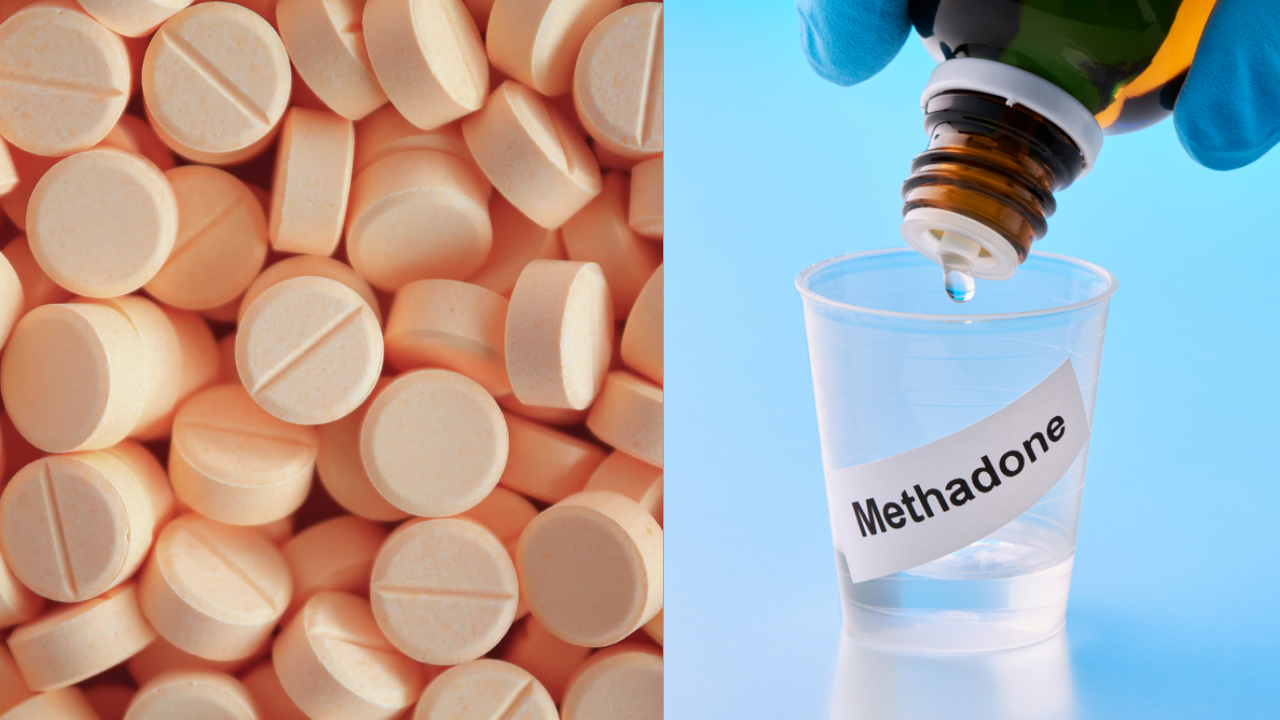
When facing opioid addiction, one of the most pressing questions patients and families ask is whether medication-assisted treatment with Suboxone or methadone actually works. It’s a valid concern—after all, using one medication to treat dependence on another substance can seem counterintuitive. However, decades of research and real-world evidence demonstrate that both Suboxone and methadone are highly effective components of comprehensive addiction treatment programs.
The debate around medication-assisted treatment often centers on misconceptions about “replacing one drug with another.” This perspective, while understandable, overlooks the fundamental differences between medically supervised treatment and uncontrolled substance use. When prescribed and monitored by healthcare professionals as part of comprehensive drug and alcohol-specific recovery paths, both medications offer patients a pathway to stability, recovery, and renewed hope.
Understanding How Suboxone and Methadone Work in Opioid Recovery
The Science Behind Buprenorphine (Suboxone)
Suboxone contains two active ingredients: buprenorphine and naloxone. Buprenorphine functions as a partial opioid agonist, attaching to brain receptors but activating them only partially. This unique mechanism provides therapeutic advantages that make it a cornerstone of evidence-based treatment for opioid addiction.
Unlike full opioid agonists, buprenorphine has a “ceiling effect”—after reaching about 24 milligrams, taking additional amounts won’t produce stronger effects or increased euphoria. This built-in safety mechanism significantly reduces overdose risk and makes Suboxone safer for outpatient vs inpatient addiction treatment settings.
The naloxone component serves as an additional safeguard against misuse. If someone attempts to inject or snort Suboxone, naloxone becomes active and triggers immediate withdrawal symptoms, effectively deterring abuse. This combination makes Suboxone particularly suitable for patients who can manage recovery with greater independence while receiving medical supervision.
How Methadone Functions in Recovery Treatment
Methadone operates as a full opioid agonist, completely activating opioid receptors in the brain. While this classification might seem concerning, methadone’s long-acting properties—lasting 24 to 36 hours—provide sustained relief from withdrawal symptoms and cravings without the rapid highs and lows of short-acting opioids.
This steady activation helps restore brain chemistry balance disrupted by chronic opioid use. Patients taking methadone as prescribed don’t experience euphoria or impairment; instead, they achieve stability that allows normal daily functioning. The medication occupies opioid receptors, preventing other opioids from binding and producing their effects.
Methadone treatment requires intensive monitoring through specialized opioid treatment programs where patients initially receive daily doses under medical supervision. This structure provides additional support for individuals with severe addiction who benefit from comprehensive medical oversight as part of their personalized addiction recovery programs.
Clinical Evidence: Success Rates and Research Findings
Proven Effectiveness Statistics
Research consistently demonstrates both medications’ effectiveness in treating opioid use disorder. Clinical trials show that patients receiving buprenorphine-based medication-assisted treatment are 1.82 times more likely to remain in treatment compared to those receiving placebo or non-medication approaches. This retention rate is crucial because staying in treatment longer correlates directly with better long-term outcomes.
Methadone boasts an even longer track record, with over five decades of research. A comprehensive meta-analysis of 11 randomized controlled trials involving nearly 2,000 participants found that methadone was significantly more effective than non-pharmacological treatments in retaining patients and suppressing heroin use.
The life-saving potential is particularly compelling. Studies show that patients receiving methadone maintenance treatment experience a 50% or greater reduction in overdose death risk. For high-risk populations, such as individuals recently released from incarceration, this protective effect may be even more pronounced.
Comparative Analysis: Suboxone vs Methadone Success Rates
When comparing the medications directly, research indicates both are equally effective when prescribed at adequate doses. The choice often depends on individual patient factors rather than inherent differences in effectiveness. Studies suggest that higher methadone doses (80-100 mg daily) enhance treatment retention, while Suboxone’s ceiling effect provides consistent benefits across its therapeutic range.
For patients with mild to moderate opioid dependence, Suboxone often proves sufficient and offers greater treatment flexibility. However, individuals with severe, long-term addiction may find methadone’s full agonist properties provide better relief from withdrawal symptoms and cravings.
Real-World Effectiveness: What Patients and Doctors Report
Patient Success Stories
Patients who’ve achieved stability through medication-assisted treatment frequently describe transformative experiences. Many report that Suboxone or methadone allowed them to reclaim aspects of life that seemed impossible during active addiction—returning to work, rebuilding family relationships, and pursuing educational goals.
One common theme among successful patients is relief from the constant cycle of seeking drugs, experiencing euphoria, then facing withdrawal. Both medications provide stability that breaks this exhausting pattern. Patients often describe feeling “normal” for the first time in years, able to focus on recovery work rather than simply surviving day-to-day.
Healthcare Provider Perspectives
Addiction medicine specialists emphasize that medication-assisted treatment represents the gold standard for opioid use disorder treatment. Providers report seeing dramatically improved outcomes when patients receive comprehensive care that includes medication, counseling, and social support services.
Many healthcare professionals note that patients who initially resist medication-assisted treatment due to stigma often become its strongest advocates once they experience its benefits. Providers frequently observe that patients maintained on Suboxone or methadone demonstrate better treatment engagement, reduced emergency department visits, and improved overall health outcomes.
Factors That Influence Treatment Success
Individual Patient Characteristics
Several patient factors influence medication-assisted treatment outcomes. The severity and duration of opioid addiction often guide medication choice—patients with mild to moderate dependence may respond well to Suboxone, while those with severe, long-term addiction might benefit more from methadone’s stronger effects.
Co-occurring mental health conditions significantly impact treatment success. Patients with dual diagnosis treatment for substance abuse needs require integrated care addressing both addiction and mental health simultaneously. Depression, anxiety, PTSD, and other conditions can complicate recovery if left untreated.
The Role of Behavioral Therapy and Counseling
While medication provides the biological foundation for recovery, cognitive behavioral therapy for drug addiction and other therapeutic approaches address the psychological aspects of addiction. Research consistently shows that combining medication with behavioral interventions produces superior outcomes compared to medication alone.
Effective behavioral therapy helps patients identify triggers for drug use, develop healthy coping strategies, and address underlying issues. Cognitive-behavioral therapy, contingency management, and motivational interviewing are among the evidence-based approaches that complement medication-assisted treatment effectively.
Group therapy and peer support programs provide additional benefits by connecting patients with others facing similar challenges. These recovery pathways help reduce isolation, provide practical advice, and create accountability structures supporting long-term sobriety.
Addressing Common Concerns and Misconceptions
“Am I Just Trading One Addiction for Another?”
This question reflects the most persistent misconception about medication-assisted treatment. The fundamental difference lies in controlled, therapeutic medication use versus uncontrolled substance abuse. Patients taking Suboxone or methadone as prescribed don’t experience euphoria, don’t engage in drug-seeking behavior, and don’t suffer the devastating consequences of active addiction.
Medication-assisted treatment aims to normalize brain function disrupted by chronic opioid use. Rather than producing intoxication, these medications restore chemical balance, allowing patients to function normally and engage in recovery activities. Leading addiction medicine organizations explicitly state that patients maintained on medication-assisted treatment are considered to be in recovery.
Long-term Use vs Short-term Treatment Approaches
Another concern involves treatment duration. Some patients and families worry about “lifetime dependence” on medication. However, research shows that premature discontinuation often leads to relapse, which can be fatal given reduced tolerance to opioids.
The National Institute on Drug Abuse recommends a minimum of 12 months of treatment, with many patients benefiting from longer-term maintenance. Treatment duration should be viewed through chronic disease management lens—just as patients with diabetes may require lifelong medication, some individuals with opioid use disorder benefit from extended treatment.
Side Effects and Safety Considerations
Both medications can cause side effects, though most are manageable and diminish over time. Common side effects include constipation, mild sedation, headaches, and nausea. These effects typically resolve as patients adjust to their medication regimen.
Safety profiles differ between medications. Suboxone’s ceiling effect makes overdose less likely, particularly when used alone. Methadone carries higher overdose risk, particularly during treatment initiation. Both medications require careful monitoring for potential drug interactions.
Making an Informed Decision About Treatment
Questions to Ask Your Healthcare Provider
When considering medication-assisted treatment, patients should ask specific questions about medication rationale, expected benefits and risks, treatment duration, monitoring requirements, and available alternatives. Understanding program structure, including counseling requirements and visit frequency, helps ensure successful engagement.
Questions about insurance coverage, program costs, and financial assistance options are also important. Many insurance plans cover medication-assisted treatment, and programs may offer sliding-scale fees for uninsured patients.
Finding the Right Treatment Program
Selecting an appropriate program involves considering location, services offered, staff qualifications, treatment philosophy, and practical considerations like scheduling flexibility. Quality programs should offer comprehensive services including medical care, counseling, case management, and social support.
Program accreditation and licensing indicate adherence to quality standards. Patients can verify credentials through state licensing boards and national accreditation organizations.
Frequently Asked Questions
1. How long does it take for Suboxone or methadone to start working? Suboxone typically begins working within 30-60 minutes of administration, while methadone’s effects start within 1-2 hours. Full stabilization on either medication may take several days to weeks as doses are adjusted to optimal levels.
2. Can I overdose on Suboxone or methadone? While both medications are much safer than illicit opioids, overdose is possible, particularly when combined with alcohol or other central nervous system depressants. Methadone carries higher overdose risk than Suboxone due to its full agonist properties and lack of ceiling effect.
3. Will I feel “high” or impaired on these medications? When taken as prescribed at appropriate doses, neither medication should cause euphoria or significant impairment. Patients may experience mild sedation initially, but this typically resolves as they adjust to treatment.
4. Can I work and drive while taking these medications? Most patients can perform normal activities including work and driving once stabilized on medication. However, patients should avoid these activities during initial dose adjustments and should be aware of any impairment before operating vehicles or machinery.
5. How do these medications affect pregnancy? Both Suboxone and methadone can be used safely during pregnancy under medical supervision. Maintaining medication-assisted treatment during pregnancy reduces risks to both mother and baby compared to untreated opioid use disorder.
6. Will I need to stay on medication forever? Treatment duration varies by individual. Some patients successfully taper off medication after achieving stability, while others benefit from longer-term maintenance. The decision should be made collaboratively with healthcare providers based on individual circumstances.
7. Do these medications show up on drug tests? Standard drug tests don’t typically screen for buprenorphine or methadone, but specialized tests can detect them. Patients should inform employers or legal officials about legitimate medication use if drug testing is required.
8. Can I take other medications while on Suboxone or methadone? Many medications can be safely used with Suboxone or methadone, but some combinations are dangerous. Patients must inform all healthcare providers about their medication-assisted treatment to prevent harmful interactions.
9. What happens if I relapse while on treatment? Relapse doesn’t mean treatment failure. Patients should immediately contact their healthcare provider to discuss medication adjustments and additional support services. Continued engagement in treatment remains crucial for long-term success.
10. How much do these treatments cost? Costs vary by location and program type. Many insurance plans cover medication-assisted treatment, and programs may offer sliding-scale fees. The long-term cost-effectiveness of treatment far outweighs the expense when considering reduced healthcare utilization and improved productivity.
Conclusion: The Evidence Supports MAT Effectiveness
The question of whether Suboxone and methadone really work has been answered decisively by decades of research and millions of successful patients. Both medications, when used as part of comprehensive addiction treatment options, significantly improve outcomes for individuals with opioid use disorder.
The evidence is clear: medication-assisted treatment saves lives, reduces criminal activity, improves family functioning, and helps patients reclaim productive, meaningful lives. While individual experiences may vary, the overwhelming scientific consensus supports these treatments as the most effective approaches for opioid addiction.
For anyone struggling with opioid addiction, or for families seeking help for loved ones, medication-assisted treatment offers genuine hope for recovery. The stigma and misconceptions surrounding these treatments should not prevent access to life-saving care.
If you’re considering treatment options for opioid addiction, don’t let another day pass without exploring these evidence-based solutions. The Recover is here to help you navigate your options and connect with qualified providers who can assess your individual needs and recommend appropriate treatment.
Ready to take the next step toward recovery? Contact The Recover today for confidential guidance and support. Our experienced team understands the challenges of addiction and can help you access the comprehensive treatment services you need. Recovery is possible, and it starts with reaching out for help. Call us now to discuss how medication-assisted treatment might fit into your personalized recovery plan.