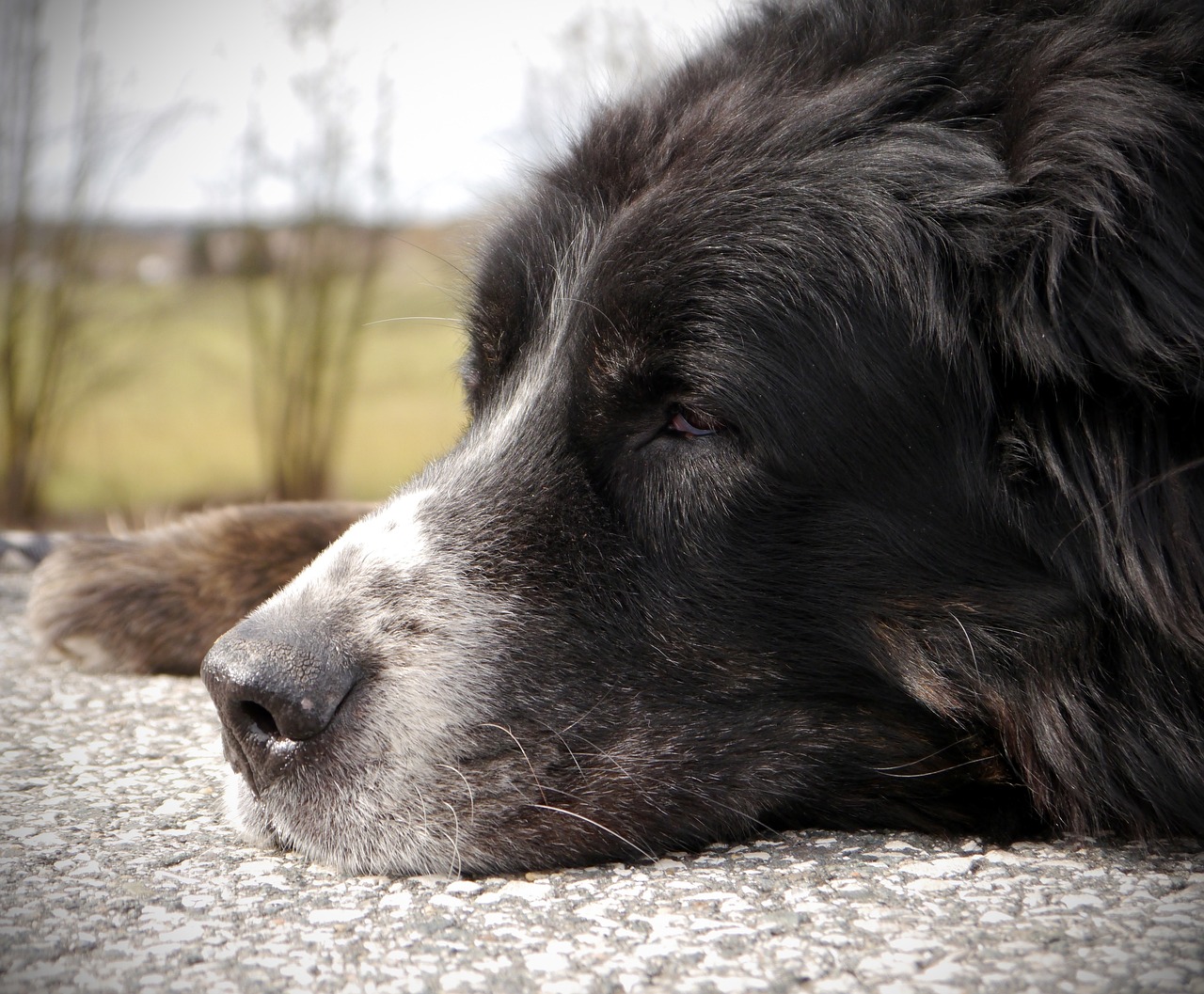
How Can You Improve the Quality of Life for a Dog with Dementia?
Dementia, a condition marked by cognitive decline, can affect our canine companions as they age. Like in humans, dementia in dogs, also known as Canine Cognitive Dysfunction (CCD), can lead to confusion, memory loss, and behavioral changes. As a dog owner, you can enhance your furry friend’s quality of life in several ways, providing comfort and support during this challenging time.
- Maintain a Consistent Routine
Dogs with dementia often find comfort in routines. Maintain a consistent daily schedule for your dog, including regular feeding times, bathroom breaks, and exercise. Predictability can reduce anxiety and confusion, making your dog feel more secure.
- Create a Dog-Friendly Environment
Reducing Hazards
This disease can affect a dog’s spatial awareness, leading to accidents or injuries. Remove potential hazards from your home, such as sharp objects, tripping hazards, or toxic substances. Consider baby gates to limit access to stairs or areas where accidents might occur.
Provide Familiarity
Make your dog’s living environment as familiar and comfortable as possible. Keep their bed, toys, food, and water dishes in the same place to minimize disorientation.
- Interactive Toys and Mental Stimulation
Puzzle Toys
Interactive puzzle toys can provide mental stimulation and keep your dog engaged. These toys challenge your dog to solve puzzles or retrieve treats, helping to maintain cognitive function.
Short Training Sessions
Engage in short, positive training sessions with your dog. Even simple commands or tricks can stimulate their mind and strengthen their bond.
- Diet and Supplements
Specialized Diets
Consider switching to a specialized diet formulated for senior dogs or those with cognitive issues. These diets often contain antioxidants and nutrients that support brain health.
Omega-3 Fatty Acids
Omega-3 fatty acids, found in fish oil supplements, have shown promise in improving cognitive function in dogs. Always seek advice from your veterinarian before incorporating any supplements into your dog’s diet.
- Veterinary Care and Medications
Regular Check-Ups
Schedule regular veterinary check-ups to monitor your dog’s condition. Early detection of any medical issues or changes in dementia can help with timely interventions.
Medications
Your veterinarian may prescribe medications to manage specific dementia-related symptoms, such as anxiety or sleep disturbances. Always follow your vet’s recommendations and closely monitor your dog for side effects.
6. Monitoring and Adjusting Care
Dementia in dogs is a progressive condition, and your furry friend’s needs may change over time. Schedule periodic assessments with your veterinarian to evaluate the effectiveness of your current care plan and make any necessary adjustments.
In conclusion, while dementia in dogs can present challenges, there are numerous ways to improve the quality of life for your beloved pet. By maintaining a consistent routine, creating a safe environment, providing mental stimulation, considering specialized diets and supplements, seeking veterinary care, and offering unconditional love and patience, you can help your dog navigate the complexities of Canine Cognitive Dysfunction. Remember that each dog is unique, so consult with your veterinarian to tailor these strategies to your dog’s specific needs and ensure they receive the best care possible during this phase.