


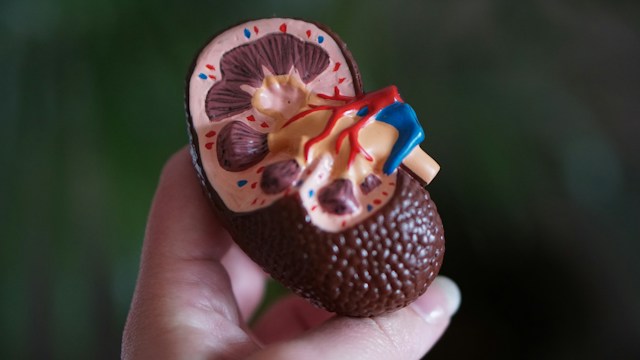
How Everyday Hydration Habits Can Affect Your Kidney Health
Water is involved in nearly every major process in the body, and the kidneys depend on an adequate fluid supply to filter waste and maintain the right balance of water and minerals in the bloodstream. People searching for a Kidney pain specialist in Arizona can use the Southwest Kidney Institute kidney stones page to learn about kidney stone symptoms, diagnosis, prevention, and available treatment options for patients in Arizona. Developing sensible hydration habits can support normal kidney function while also helping the urinary system work efficiently throughout the day.
Water Supports the Kidneys’ Filtering Work
The kidneys continuously filter the blood, removing waste products and excess substances that the body does not need. These materials eventually become part of urine, which allows them to leave the body rather than accumulating in the bloodstream. Adequate hydration provides the kidneys with the fluid they need to carry out this process effectively.
Drinking too little fluid can result in more concentrated urine because the body has less water available for waste removal. Occasional mild dehydration may be corrected relatively quickly, but consistently poor hydration habits can place additional demands on the urinary system. Making water a regular part of the day can help maintain a healthier fluid balance.
Hydration Can Influence Kidney Stone Risk
Kidney stones develop when certain substances in urine become concentrated enough to form crystals that can gradually grow into stones. Low fluid intake can contribute to this process because there is less water available to dilute minerals and other compounds in the urine. Staying appropriately hydrated is therefore commonly considered an important part of reducing kidney stone risk.
Hydration alone cannot prevent every kidney stone because factors such as diet, medical conditions, family history, medications, and the type of stone can also play a role. People who have previously experienced kidney stones may receive specific recommendations about how much fluid they should consume each day. Individual medical advice is particularly important when stones repeatedly return.
Small Drinking Habits Add Up
Many people do not intentionally avoid water but simply become distracted by work, travel, errands, or other responsibilities. Several hours can pass before thirst becomes noticeable, particularly when someone spends most of the day indoors or follows a busy schedule. Keeping water easily accessible can make regular drinking feel like a normal part of the day rather than another task to remember.
It can also be useful to connect drinking water with established routines such as meals, breaks, exercise, or arriving at work. This approach spreads fluid intake across the day instead of relying on drinking a large amount at one time. Consistency can be especially helpful for people who regularly realize late in the day that they have consumed very little fluid.
Your Fluid Needs Can Change
There is no single amount of water that is appropriate for every person in every situation. Fluid needs can vary according to body size, physical activity, climate, diet, pregnancy, health conditions, medications, and other individual circumstances. Someone exercising outdoors in hot weather, for example, may lose considerably more water through sweat than someone spending the day in a cool indoor environment.
Changes in routine should therefore be accompanied by greater awareness of hydration needs. Travel, strenuous exercise, illness, and extended periods outdoors can all change how much fluid the body loses during the day. People with medical conditions that affect fluid balance should follow professional guidance rather than automatically increasing their water intake.
Diet Also Contributes to Hydration
Drinking water is an obvious source of fluid, but food also contributes to daily hydration. Fruits, vegetables, soups, yogurt, and other foods with a high water content can provide additional fluid alongside the beverages a person consumes. A varied diet can therefore support hydration while supplying nutrients needed for overall health.
At the same time, hydration should be considered alongside broader dietary habits when thinking about kidney health. High sodium intake, for example, may influence fluid balance and can be relevant to some people with kidney or cardiovascular concerns. Dietary recommendations can differ depending on a person’s health and history, so individualized advice may be necessary.
Pay Attention During Exercise and Hot Weather
Physical activity increases fluid loss because the body uses sweating to help control temperature. The amount lost can rise substantially during intense exercise, long training sessions, or activity in hot and humid conditions. Replacing fluids appropriately can help prevent dehydration while supporting normal physical performance and recovery.
Hot weather can also increase fluid requirements even when someone is not exercising intensely. People who work outdoors, spend long periods in the sun, or participate in recreational activities may need to pay closer attention to how much they drink. Waiting until severe thirst develops may make it easier to fall behind on fluid intake during demanding conditions.
Hydration Is Only One Part of Kidney Health
Good hydration habits can support kidney function, but they should not be viewed as a substitute for broader preventive care. Blood pressure, blood sugar, diet, medications, physical activity, and existing health conditions can all influence kidney health over time. Routine medical care can help identify risk factors that may not produce obvious symptoms in their early stages.
Persistent pain around the side or back, blood in the urine, difficulty urinating, fever, nausea, or significant changes in urinary habits deserve appropriate medical attention. These symptoms can have several possible causes and should not automatically be attributed to dehydration or kidney stones. Professional assessment can help determine what is causing the problem and whether testing or treatment is required.
Conclusion
Hydration is an ordinary daily habit, but it has an important relationship with the way the kidneys filter blood, remove waste, and produce urine. Drinking fluids consistently, adjusting intake when activity or weather changes, and paying attention to broader dietary and health factors can help support normal kidney function. Rather than treating hydration as something to think about only when thirst becomes strong, making it part of an everyday routine can contribute to a practical, long-term approach to kidney and urinary health.


