


How Imaging Tech Is Accelerating Drug Discovery and Development
Drug discovery feels fast from the outside, yet the real work behind the scenes moves through long stretches of testing, validation, and endless checking. Labs need sharp tools to keep the pace steady. They need tech that shows the truth inside every cell.
Imaging tools sit at the center of this shift. They turn vague observations into solid evidence. They help teams move through complex decisions with less guesswork and more clarity.
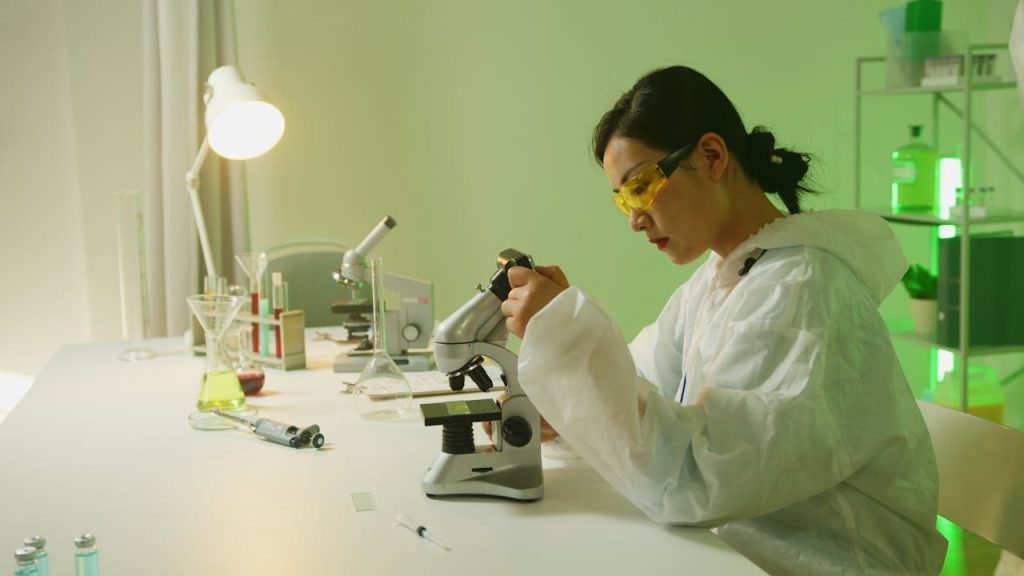
Sharper Views That Change Early Screening
Researchers rely on close-up detail when they start sorting through potential compounds. They need to see how cells react. They need proof that a signal is real and not just noise. A fluorescence microscope becomes a go-to tool in this phase because it reveals patterns that hide in plain sight. It shows tiny changes in cell behavior. It highlights movement. It captures activity that shapes the next step in the work.
This level of detail gives scientists an edge. They can drop weak leads early. They can push strong leads forward. The whole screening stage becomes tighter and easier to manage. The process feels less like wandering and more like steering.
The Push Toward High-Throughput Imaging
Labs want speed without losing control of quality. High-throughput imaging brings that balance. It runs many samples in a short window. It captures data that stays consistent from run to run. It gives teams a clear timeline instead of a long chain of manual checks.
This shift frees up researchers. They stop wrestling with repetitive tasks. They spend more time thinking through the results. They spot patterns they could not notice before because they were stuck behind a bench.
The volume of data rises. The clarity rises with it. That combination changes the whole rhythm of discovery.
Automated Platforms Add Structure
Automation holds a strong position in modern imaging workflows. Platforms now handle scanning, capturing, and processing. They move through steps with steady precision. They give every sample the same treatment, which brings stability to the data.
This consistency builds trust. Teams can compare results without worrying about subtle changes in technique. It also cuts down the time needed for validation. The workflow becomes lighter. The pace becomes more predictable.
Automation also keeps errors from creeping into the process. The system stays focused. The results stay clean.
3D Imaging Reveals What Flat Images Hide
Flat images help, yet they still leave questions. Cells move in a full three-dimensional space. They interact in ways that two dimensions cannot show. Modern imaging tools now build 3D models that track shape, depth, and behavior with far more nuance.
These models help scientists understand how a compound affects a cell over time. They can watch structures shift. They can follow how a treatment spreads. They can test ideas with a level of detail that never existed in older workflows.
This type of insight shapes better decisions. It shapes stronger studies. It brings the drug pipeline into clearer focus.
Live-Cell Imaging Offers Real-Time Evidence
Static images provide a moment. Live-cell imaging brings motion. It captures how cells breathe, react, and adapt. The real-time element builds a stronger story around each compound.
Researchers spot trouble fast. They track side effects. They watch toxicity unfold before it becomes a major concern. They also see positive reactions. They see pathways activate. They see signals light up. The proof moves from theory to footage.
This kind of observation pushes the work into a new space. It brings intuition and evidence together.

AI and Imaging Form a Strong Team
AI steps in when datasets grow too large for manual review. It scans thousands of images. It pulls out small changes and trends. It spots patterns humans miss because the volume is overwhelming.
AI tools help rank potential leads. They help classify cell reactions. They help filter noise from meaningful signals. This partnership between imaging and AI reduces delays. It cuts down on long nights spent sorting through data.
The output becomes clearer. The decisions become faster.
A New Rhythm for Drug Development
Imaging tech no longer plays a supporting role. It drives the momentum in drug development. It shapes early decisions. It speeds up screening. It guides validation. It keeps teams focused on insight instead of routine.
The tools keep improving. The workflows keep tightening. The research pipeline grows stronger because the details no longer hide in the shadows.


