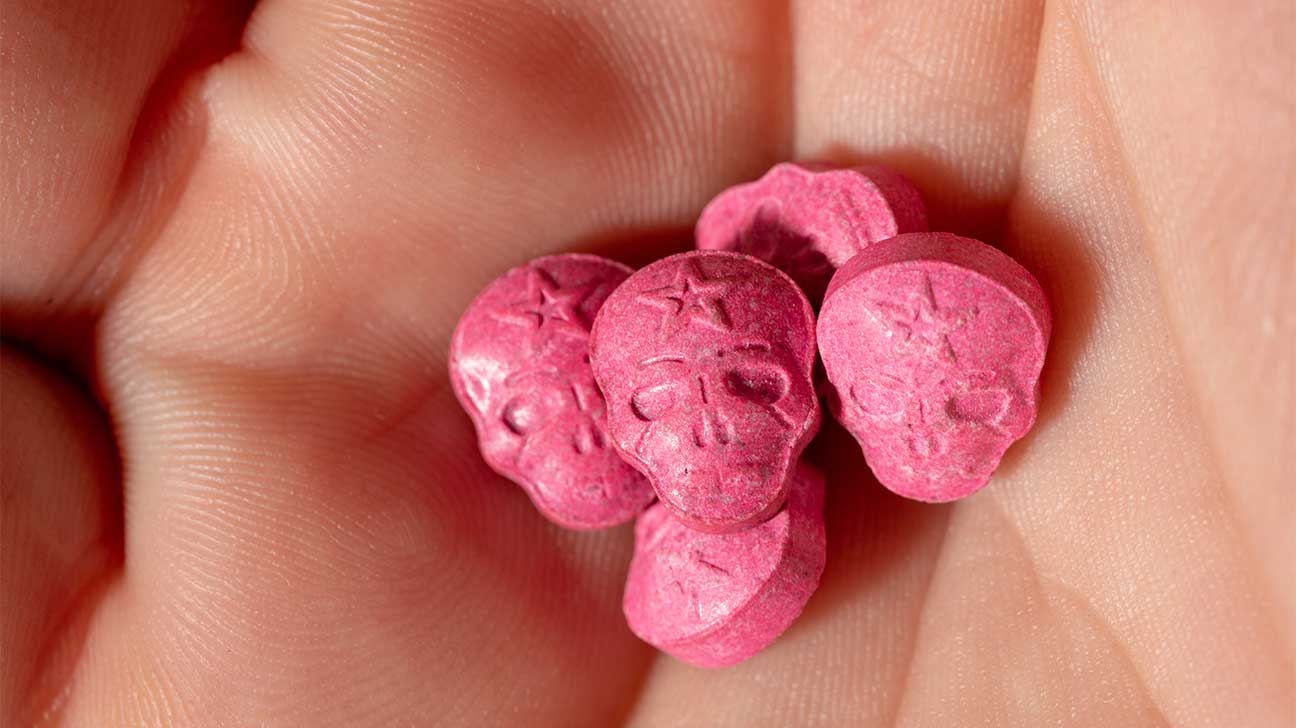
How Long Does Ecstasy Stay in Your System?
Ecstasy, also known as MDMA (3,4-methylenedioxymethamphetamine), is a popular recreational drug that has been associated with music festivals, nightclubs, and social gatherings. Known for its euphoric effects and heightened sensory experiences, ecstasy is a synthetic substance that affects serotonin, dopamine, and norepinephrine levels in the brain. However, as with any drug, understanding how long it stays in your system is crucial for various reasons—whether it’s for personal health, employment screening, or treatment purposes.
In this article, The-Recover, based in California, delves into the science behind how ecstasy metabolizes in the body, the factors influencing detection times, and the risks associated with its use. By understanding how long ecstasy stays in your system, individuals can make informed decisions about their health and seek appropriate help if needed.
What Is Ecstasy and How Does It Work?
Before discussing how long ecstasy stays in your system, it’s essential to understand what it is and how it interacts with the body. Ecstasy is a psychoactive drug that alters mood and perception by increasing the activity of neurotransmitters such as serotonin, dopamine, and norepinephrine. These neurotransmitters play a significant role in regulating mood, emotions, and sensory perception.
MDMA enhances feelings of emotional closeness, empathy, and happiness, which is why it is popular in social environments. However, its effects on the brain’s chemistry can lead to serious mental and physical health risks when abused, including addiction, anxiety, and depression.
How Long Does Ecstasy Stay in Your System?
The time it takes for ecstasy to leave the body depends on various factors, including how the drug is metabolized. On average, MDMA has a half-life of about 7 hours, which means that half of the substance is eliminated from the body in that time. However, it can take approximately 40 hours for ecstasy to be completely cleared from your system. Let’s break down the different phases of how ecstasy is processed:
1. Absorption
After taking ecstasy, it is rapidly absorbed into the bloodstream through the gastrointestinal tract. The effects typically begin within 30 to 45 minutes, depending on factors like body weight, metabolism, and whether the individual has eaten beforehand. Peak levels of the drug in the blood are usually reached about 1 to 2 hours after ingestion.
2. Distribution
Once absorbed, ecstasy is distributed throughout the body, affecting the brain, heart, and other organs. The “high” typically lasts between 3 to 6 hours, after which the effects begin to wear off as the drug is metabolized.
3. Metabolism
MDMA is primarily metabolized in the liver by enzymes, which convert it into inactive metabolites. These metabolites are then excreted from the body, mainly through urine.
4. Excretion
The majority of MDMA is eliminated through the kidneys, and small amounts may also be excreted in sweat. Ecstasy and its metabolites can remain detectable in urine for several days after the last use.
Detection Times by Test Type
How long ecstasy stays in your system can vary depending on the type of drug test used. Each test detects different metabolites and has varying windows of detection:
1. Urine Test
Urine tests are the most common method used to detect ecstasy. MDMA can be detected in urine within 2 to 5 days after use. In heavy or chronic users, it may remain detectable for up to a week. This test is widely used in employment screenings, legal cases, and clinical settings.
2. Blood Test
MDMA is detectable in the blood for a much shorter period, usually between 12 to 24 hours after ingestion. However, blood tests are less commonly used for routine drug screening due to their shorter detection window and invasive nature.
3. Saliva Test
Saliva tests can detect ecstasy for up to 1 to 2 days after use. They are often used in roadside testing for drivers suspected of being under the influence. Saliva tests are non-invasive and provide relatively quick results.
4. Hair Test
Hair follicle tests offer the longest detection window. Ecstasy can be detected in hair samples for up to 90 days or even longer after use. While hair tests are less common for routine drug testing, they are sometimes used in forensic investigations or for long-term monitoring of drug use.
Factors That Influence How Long Ecstasy Stays in Your System
Several factors affect how long MDMA remains in your system. These variables can influence how the body metabolizes and excretes the drug, leading to differences in detection times for different individuals.
1. Dosage
The amount of ecstasy taken plays a significant role in how long it stays in your system. A higher dose of MDMA requires the body more time to process, leading to prolonged detection times.
2. Frequency of Use
Frequent users may experience a buildup of MDMA in their system, making it detectable for a more extended period than someone who uses the drug occasionally.
3. Metabolism
Metabolic rate is a critical factor. People with faster metabolisms process substances more quickly, while those with slower metabolisms may retain drugs in their systems longer. Factors like age, diet, and physical activity all impact metabolism.
4. Body Fat and Hydration
Ecstasy is not fat-soluble, meaning it doesn’t store in fat cells. However, hydration levels can affect how long it stays in your system. Dehydration can slow down the body’s ability to excrete the drug, whereas staying hydrated may speed up excretion.
5. Overall Health
Liver and kidney function are essential for metabolizing and excreting ecstasy. Individuals with impaired liver or kidney function may process the drug more slowly, leading to longer detection times.

Risks and Long-Term Effects of Ecstasy Use
While ecstasy is often perceived as a harmless party drug, its use comes with significant risks. These risks are compounded by the fact that MDMA is often cut with other substances like methamphetamine, cocaine, or synthetic cathinones (bath salts), making it even more dangerous.
1. Mental Health Risks
Prolonged or heavy use of ecstasy can lead to various mental health issues, including anxiety, depression, paranoia, and memory problems. MDMA depletes serotonin levels in the brain, which can result in feelings of sadness or emotional fatigue for days or even weeks after use.
2. Physical Health Risks
MDMA use is associated with dehydration, hyperthermia (increased body temperature), and electrolyte imbalances, all of which can lead to serious complications like kidney failure or even death. Additionally, the cardiovascular effects of ecstasy—such as increased heart rate and blood pressure—put users at risk for heart attacks or strokes.
3. Addiction Potential
Though ecstasy is not typically associated with the same addiction profile as opioids or methamphetamines, users can still develop a psychological dependence. The pleasurable effects of the drug may lead to repeated use, despite the negative physical and mental health consequences.
Seeking Help for Ecstasy Use
If you or someone you know is struggling with ecstasy use, it’s essential to seek professional help. At The-Recover in California, we understand the complex nature of substance abuse and offer comprehensive programs tailored to your unique needs. Whether you require detoxification, behavioral therapy, or long-term support, The-Recover is here to guide you through every step of the recovery process.
Detoxification Services
One of the first steps in overcoming ecstasy addiction is detoxification. Our detox programs help individuals safely eliminate MDMA and its metabolites from their system while managing withdrawal symptoms.
Therapeutic Support
At The-Recover, we offer a range of therapeutic interventions, including cognitive-behavioral therapy (CBT) and individual counseling, to address the underlying issues contributing to ecstasy use. Our holistic approach ensures that every aspect of your mental, emotional, and physical well-being is considered during treatment.
Ongoing Care
Recovery doesn’t stop once treatment ends. We provide aftercare programs to support long-term recovery, including peer support groups and continued therapy sessions to help you stay on track.
FAQ
How long does ecstasy stay in your system?
Ecstasy (MDMA) can stay in your system for 2 to 5 days, depending on factors such as dosage, frequency of use, and metabolism.
What are the most common drug tests for detecting ecstasy?
The most common tests for detecting ecstasy include urine, blood, saliva, and hair tests. Urine tests are the most frequently used.
How long can ecstasy be detected in a urine test?
MDMA can typically be detected in urine for 2 to 5 days after use, with some heavy users showing traces for up to a week.
Can ecstasy be detected in a blood test?
Yes, but MDMA is detectable in blood for a shorter period—usually between 12 to 24 hours after use.
How long is ecstasy detectable in a hair follicle test?
Ecstasy can be detected in hair samples for up to 90 days or longer after use.
What factors influence how long ecstasy stays in the body?
Factors like dosage, frequency of use, metabolism, hydration, body fat, and overall health can affect how long MDMA stays in your system.
Can frequent ecstasy use increase detection times?
Yes, frequent or heavy use of ecstasy can result in a buildup of the drug in the system, prolonging detection times.
What are the risks of long-term ecstasy use?
Long-term use of ecstasy can lead to mental health issues like anxiety and depression, as well as physical risks such as dehydration, hyperthermia, and addiction.
Is ecstasy addictive?
While not as physically addictive as some drugs, ecstasy can lead to psychological dependence, where users crave its euphoric effects and may struggle to quit.
How can The-Recover help with ecstasy addiction?
The-Recover offers comprehensive treatment programs, including detoxification, therapy, and ongoing support to help individuals overcome ecstasy addiction.
Conclusion
Understanding how long ecstasy stays in your system is crucial for those who use the drug and those looking to quit. The time it takes for ecstasy to leave the body depends on factors such as dosage, metabolism, and frequency of use. While the euphoric effects may be short-lived, the physical and mental health risks associated with ecstasy can be long-lasting. If you or a loved one is struggling with ecstasy use, The-Recover, based in California, is here to offer support and guidance. Recovery is possible, and it starts with taking that first step toward a healthier, drug-free life.
For more information on our programs, visit The-Recover’s website or contact us directly to begin your journey to recovery today.