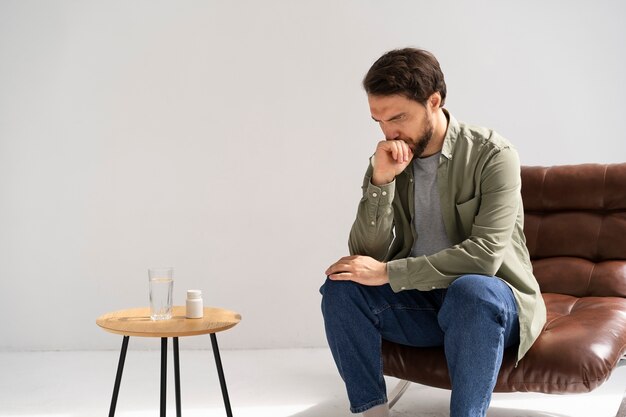
How to Support Your Partner Through Addiction Recovery
Addiction recovery is a challenging journey that not only affects the individual going through it but also their loved ones. If your partner is in the process of overcoming addiction, your support can play a critical role in their recovery. However, it’s essential to understand how to provide that support in a way that fosters healing and growth, both for your partner and for your relationship. In this comprehensive guide, we’ll discuss practical ways you can support your partner through addiction recovery, while also highlighting the professional services offered by The-Recover, based in California, that can help both you and your partner navigate this journey.
Introduction: The Role of Partners in Addiction Recovery
When someone embarks on the road to recovery, they often face a combination of physical, emotional, and psychological challenges. Addiction not only damages the individual but can also strain relationships. As the partner of someone in recovery, you have a unique opportunity to provide support and encouragement that can make a significant difference in their long-term success. However, it’s also important to maintain boundaries, ensure your own well-being, and recognize when professional help is necessary.
At The-Recover, we understand the complexity of addiction and the toll it can take on relationships. Our comprehensive addiction treatment programs are designed to support individuals and their loved ones through every stage of the recovery process. Located in California, The-Recover offers a variety of resources to help both individuals and their families navigate the path to sobriety.
Understanding Addiction and Recovery
What is Addiction?
Addiction is a chronic, relapsing disorder characterized by compulsive drug use or engagement in harmful behaviors despite negative consequences. It affects the brain’s reward system, making it difficult for the individual to control their urges or make healthy decisions. Addiction can develop for various reasons, including genetics, trauma, mental health disorders, or environmental factors.
For partners, understanding addiction as a disease rather than a moral failing can be the first step toward offering meaningful support. Recognizing that your partner is battling an illness can shift the dynamic from one of frustration to one of compassion and empathy.
The Stages of Recovery
Recovery from addiction is not a one-time event but a continuous process that often happens in stages. These stages typically include:
- Acknowledgment – Recognizing the problem and deciding to seek help.
- Detoxification – Cleansing the body of harmful substances.
- Rehabilitation – Engaging in therapy and counseling to address underlying issues.
- Maintenance – Continuing healthy habits to prevent relapse.
Understanding these stages can help you better empathize with your partner’s experience and know what kind of support is most needed at each stage. The-Recover offers customized addiction recovery plans tailored to meet the specific needs of each individual, ensuring comprehensive care throughout every phase of recovery.
How to Support Your Partner Through Recovery
1. Educate Yourself About Addiction
One of the most powerful ways to support your partner is by educating yourself about addiction. This can help you understand their behavior, challenges, and needs throughout the recovery process. Reading up on the subject, attending support groups, or even speaking with professionals at The-Recover can provide valuable insights that will help you offer better support.
Understanding the science of addiction and the recovery process will allow you to approach your partner’s situation with patience and empathy, reducing the likelihood of resentment or frustration.
2. Encourage Professional Help
While your support is crucial, professional help is often necessary to ensure a successful recovery. Encouraging your partner to seek professional treatment from experienced facilities like The-Recover can provide them with the tools and resources they need to overcome addiction.
At The-Recover in California, we offer a range of evidence-based treatments, including individual counseling, group therapy, and family therapy. These services are designed to address the underlying causes of addiction and provide ongoing support for both individuals and their loved ones.
3. Be Patient and Compassionate
Recovery is a long and often unpredictable journey, filled with ups and downs. Your partner may face setbacks, including relapses, mood swings, or periods of doubt. In these moments, patience and compassion are key. Avoid criticizing or blaming your partner for their struggles. Instead, offer words of encouragement and remind them of the progress they’ve made.
By showing unconditional support, you help foster a safe environment where your partner feels comfortable being honest about their challenges. The-Recover emphasizes the importance of a supportive environment, and our programs are designed to help individuals and families maintain open lines of communication during the recovery process.
4. Set Healthy Boundaries
While it’s important to support your partner, it’s equally crucial to set healthy boundaries. Addiction can lead to behaviors that strain relationships, including lying, manipulation, or financial instability. Setting clear boundaries about what behaviors are unacceptable can help both you and your partner stay focused on recovery.
Boundaries also help protect your emotional well-being. It’s easy to get caught up in the turmoil of your partner’s addiction, but maintaining your own mental health is just as important. The-Recover offers family therapy sessions to help partners and loved ones establish healthy boundaries while providing the necessary support for recovery.
5. Practice Self-Care
Supporting a partner through addiction recovery can be emotionally draining. If you neglect your own well-being, it can lead to burnout, resentment, and even a breakdown in the relationship. Taking time for yourself—whether through hobbies, exercise, therapy, or simply spending time with friends—ensures that you can continue to offer your partner the support they need.
The-Recover recognizes the importance of self-care for loved ones of those in recovery. We offer resources and support groups specifically designed to help partners and family members manage their emotional and mental health throughout their loved one’s recovery journey.

6. Celebrate Milestones
Recovery is hard work, and it’s important to acknowledge and celebrate your partner’s achievements along the way. Whether it’s completing detox, attending therapy sessions regularly, or reaching a sobriety milestone, celebrating these successes can provide positive reinforcement and motivate your partner to stay on track.
At The-Recover, we encourage individuals and their families to celebrate progress. Our programs are designed to empower individuals to take pride in their achievements, big or small, while providing the ongoing support they need to maintain their sobriety.
7. Avoid Enabling Behaviors
Enabling occurs when you unintentionally support your partner’s addiction-related behaviors, such as giving them money, covering for them at work, or ignoring the issue altogether. While you may think you’re helping, enabling can actually prevent your partner from facing the full consequences of their addiction.
It’s important to hold your partner accountable for their actions while remaining supportive of their recovery. The-Recover offers family counseling to help partners and loved ones recognize enabling behaviors and develop strategies to foster healthier, more constructive relationships.
8. Be Prepared for Relapse
Relapse is often part of the recovery process and should not be viewed as a failure. Instead, it’s an opportunity to reassess the treatment plan and identify areas where additional support may be needed. If your partner relapses, it’s essential to remain calm, supportive, and proactive in helping them get back on track.
At The-Recover, we offer relapse prevention programs that teach individuals how to manage triggers and high-risk situations. Our team works closely with both individuals and their loved ones to create a solid plan for recovery, even in the face of setbacks.
The Services Offered by The-Recover
The-Recover, based in California, offers a wide range of services to help individuals and their families navigate the complexities of addiction recovery. These include:
- Detoxification Programs: Safe and medically supervised detox to help individuals cleanse their bodies of harmful substances.
- Residential Treatment: Inpatient care that provides 24/7 support and structure during the early stages of recovery.
- Outpatient Treatment: Flexible programs that allow individuals to continue their recovery while maintaining their daily responsibilities.
- Individual Counseling: One-on-one therapy sessions to address the root causes of addiction and develop healthy coping strategies.
- Group Therapy: A supportive environment where individuals can share their experiences and learn from others in recovery.
- Family Therapy: Counseling sessions that involve loved ones to improve communication, set boundaries, and provide mutual support.
- Relapse Prevention: Programs designed to help individuals identify and manage triggers to avoid relapse.
FAQ
1. How can I best support my partner through addiction recovery?
The best way to support your partner is by educating yourself about addiction, offering emotional support, encouraging professional help, and practicing patience throughout the recovery process.
2. What should I avoid when supporting my partner in recovery?
Avoid enabling behaviors such as making excuses for them or providing resources that allow them to continue their addiction. It’s important to set healthy boundaries.
3. How do I set healthy boundaries with my partner in recovery?
Set clear expectations about what behaviors are acceptable and what will not be tolerated, and communicate openly with your partner to maintain a healthy balance in the relationship.
4. How do I handle my partner’s relapse?
If your partner relapses, remain calm, offer support, and encourage them to seek professional help to get back on track. Relapse is a common part of recovery, not a failure.
5. What professional help should I encourage my partner to seek?
Encourage your partner to seek treatment from a reputable facility like The-Recover, which offers detox, rehabilitation, and ongoing support tailored to individual needs.
6. How do I maintain my own well-being while supporting my partner?
Practice self-care by engaging in activities that nourish your mental and emotional health. This could include therapy, hobbies, or simply taking time for yourself.
7. What are the signs that my partner needs professional help?
If your partner is unable to manage their addiction, experiences frequent relapses, or their addiction is causing serious harm to their life, professional help from a facility like The-Recover is essential.
8. How can I celebrate my partner’s progress in recovery?
Celebrate milestones by acknowledging their achievements, whether it’s completing detox, reaching a sobriety goal, or attending therapy regularly. Positive reinforcement can be highly motivating.
9. Can I attend therapy with my partner during their recovery?
Yes, family therapy is a great way to improve communication and understanding. The-Recover offers family counseling to help partners and loved ones navigate the recovery process together.
10. How can I help prevent my partner from relapsing?
You can help by identifying triggers, offering emotional support, encouraging continued therapy, and using the relapse prevention strategies provided by The-Recover to keep them on the right track.
Supporting Your Partner and Yourself
Supporting a partner through addiction recovery is both a challenge and an opportunity for growth. By educating yourself, practicing patience, setting boundaries, and encouraging professional help, you can be a valuable source of strength and encouragement for your partner. However, it’s also essential to prioritize your own well-being throughout the process.
At The-Recover, we are committed to helping individuals and their loved ones navigate the complex road to recovery. Our comprehensive programs provide the tools, resources, and support needed to achieve long-term sobriety. Located in California, The-Recover is here to support both you and your partner every step of the way.
Contact The-Recover today, you can help your partner overcome addiction and build a healthier, stronger relationship in the process.