


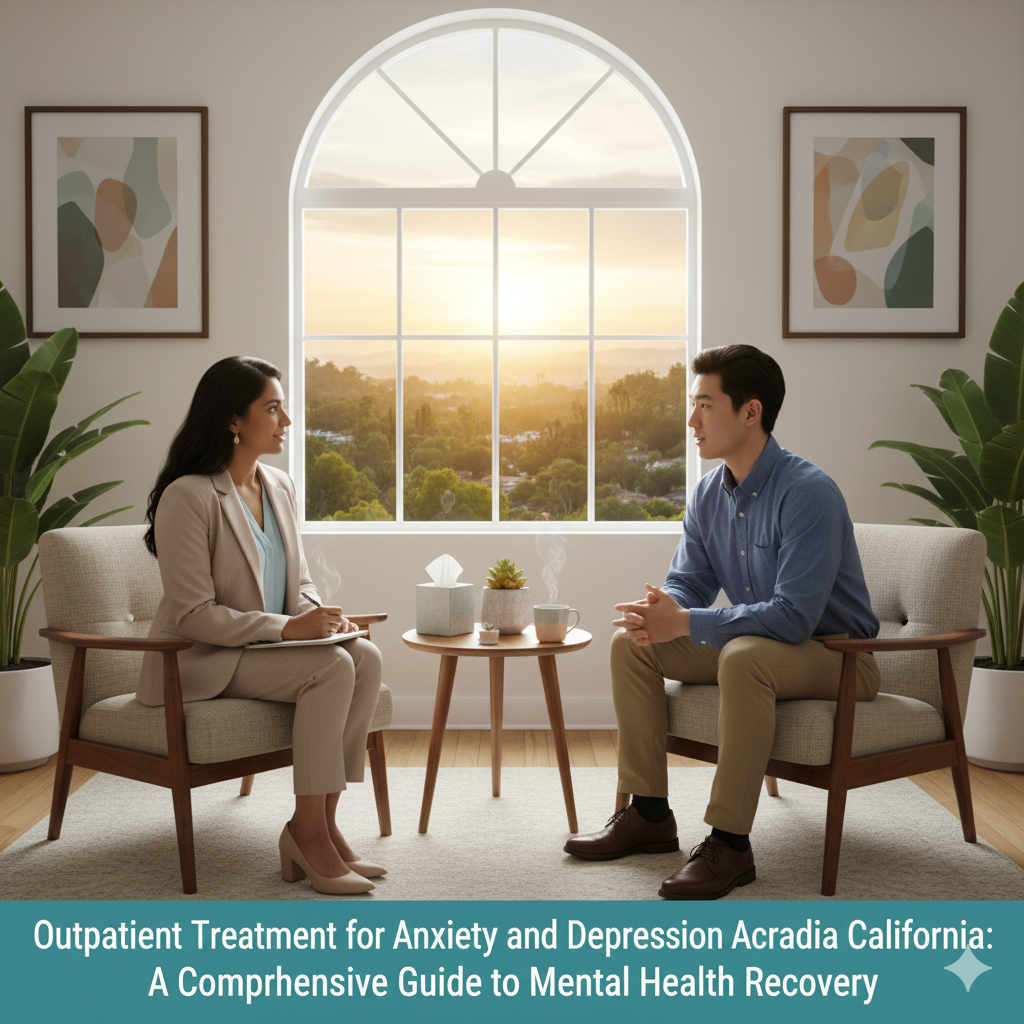
IOP for Anxiety and Depression Arcadia, CA
Outpatient Treatment for Anxiety and Depression Arcadia California: A Comprehensive Guide to Mental Health Recovery
Living with anxiety and depression can feel like carrying an invisible weight that affects every aspect of your daily life. For residents of Arcadia, California, finding effective mental health treatment that doesn’t disrupt work, school, or family obligations has become increasingly important. Outpatient treatment programs offer a powerful solution, providing intensive therapeutic support while allowing individuals to maintain their daily routines and stay connected to their support systems.
The picturesque city of Arcadia, nestled in the San Gabriel Valley, provides an ideal backdrop for mental health recovery. With its blend of suburban tranquility and proximity to world-class healthcare facilities, Arcadia residents have access to comprehensive outpatient mental health services that combine evidence-based treatments with innovative therapeutic approaches.
Understanding Outpatient Treatment for Anxiety and Depression
Outpatient treatment for anxiety and depression represents a flexible yet structured approach to mental health care that allows individuals to receive professional treatment while living at home. Unlike inpatient hospitalization, outpatient programs provide the freedom to maintain work, educational, and family responsibilities while addressing mental health concerns through regular therapeutic sessions and support groups.
The effectiveness of this treatment model stems from its ability to integrate therapeutic interventions into real-world settings. Participants can immediately apply coping strategies and skills learned in therapy to their daily challenges, receiving ongoing support and feedback from mental health professionals who understand the complexities of managing anxiety and depression in contemporary life.
Modern outpatient programs recognize that anxiety and depression often co-occur, creating complex symptom presentations that require specialized treatment approaches. According to the National Institute of Mental Health, approximately 60% of individuals with anxiety disorders also experience depression, making integrated treatment essential for optimal outcomes.
For Arcadia residents, this integrated approach means accessing evidence-based treatments that address both conditions simultaneously rather than treating them as separate issues. This comprehensive strategy has been shown to produce superior outcomes compared to sequential treatment approaches, reducing treatment duration and improving long-term recovery success rates.
The Spectrum of Outpatient Mental Health Services
Understanding the various levels of outpatient care helps individuals and families choose the most appropriate treatment intensity for their specific needs. The continuum of care ranges from traditional weekly therapy sessions to intensive programs that provide multiple hours of treatment per week.
Intensive Outpatient Program (IOP) for anxiety and depression Arcadia represents the most structured form of outpatient care, typically involving 9-15 hours of programming per week spread across multiple days. These programs combine individual therapy, group sessions, psychoeducation, and skill-building activities designed to address severe symptoms while maintaining outpatient status.
Partial Hospitalization Program (PHP) Arcadia mental health services provide an even higher level of care, offering 5-6 hours of daily programming, five to seven days per week. PHP serves as a bridge between inpatient hospitalization and traditional outpatient care, appropriate for individuals with acute symptoms who don’t require 24-hour supervision.
Arcadia mental health outpatient program for young adults often incorporates specialized tracks addressing the unique developmental and social challenges faced by emerging adults. These programs recognize that young adults experience distinct stressors related to identity formation, career development, and relationship building that require age-appropriate therapeutic interventions.
Traditional outpatient therapy, involving weekly or bi-weekly individual sessions, remains the foundation of mental health treatment for many individuals with mild to moderate symptoms. These sessions provide ongoing support, symptom monitoring, and skill reinforcement that maintains therapeutic gains achieved through more intensive programming.
Evidence-Based Treatment Modalities
Modern outpatient treatment programs integrate multiple evidence-based therapeutic approaches to address the complex nature of anxiety and depression. Cognitive Behavioral Therapy (CBT) for anxiety Arcadia forms the cornerstone of most treatment programs, helping individuals identify and modify negative thought patterns that contribute to emotional distress.
CBT’s effectiveness lies in its practical, skills-based approach that teaches participants to recognize the connection between thoughts, feelings, and behaviors. Through structured exercises and homework assignments, individuals learn to challenge catastrophic thinking, develop problem-solving skills, and gradually confront situations that trigger anxiety or depressive symptoms.
DBT (Dialectical Behavior Therapy) for anxiety and depression Arcadia provides essential skills for emotional regulation, distress tolerance, mindfulness, and interpersonal effectiveness. Originally developed for individuals with borderline personality disorder, DBT techniques have proven highly effective for anxiety and depression, particularly when emotional dysregulation is a significant concern.
The mindfulness component of DBT teaches individuals to observe their thoughts and emotions without judgment, reducing the tendency to ruminate or catastrophize that often characterizes anxiety and depression. Distress tolerance skills provide practical strategies for managing crisis situations without engaging in self-destructive behaviors.
Holistic outpatient treatment for depression Arcadia programs increasingly incorporate complementary approaches such as mindfulness meditation, yoga, art therapy, and nutritional counseling. These interventions address the mind-body connection inherent in mental health disorders, recognizing that comprehensive healing involves physical, emotional, and spiritual dimensions.
Research consistently demonstrates that combining traditional psychotherapy with holistic approaches produces enhanced outcomes, particularly for individuals who haven’t achieved complete symptom resolution through conventional treatments alone. These integrated programs appeal to many Arcadia residents seeking comprehensive, wellness-oriented mental health care.
Specialized Treatment Tracks and Populations
Depression and anxiety treatment for teens Arcadia addresses the unique developmental challenges faced by adolescents struggling with mental health concerns. Teen programs typically involve family therapy components, school coordination, and age-appropriate group activities that address peer relationships, academic stress, and identity development.
Adolescent mental health treatment requires specialized expertise in developmental psychology, family systems, and educational advocacy. Many teens benefit from intensive outpatient programming that provides daily structure while allowing them to maintain school attendance and peer relationships crucial for healthy development.
Arcadia intensive outpatient program for women’s mental health recognizes the specific factors that influence women’s mental health, including hormonal fluctuations, reproductive health concerns, trauma histories, and societal pressures. These programs often address body image issues, relationship dynamics, and the unique ways anxiety and depression manifest in women’s lives.
Women-focused programs frequently incorporate trauma-informed care principles, recognizing the high prevalence of trauma histories among women with anxiety and depression. Group therapy components allow women to share experiences and support each other through common challenges while developing healthy coping mechanisms and interpersonal skills.
Dual diagnosis outpatient treatment Arcadia serves individuals struggling with both mental health disorders and substance use concerns. These integrated programs recognize that anxiety and depression often contribute to substance use as individuals attempt to self-medicate emotional distress, creating complex presentations requiring specialized treatment approaches.
Effective dual diagnosis treatment addresses both conditions simultaneously, helping individuals develop healthy coping strategies for managing mental health symptoms without relying on substances. These programs typically involve addiction counseling, relapse prevention planning, and coordination with twelve-step or other recovery support programs.
The Role of Group Therapy in Recovery
Anxiety and depression group therapy Arcadia provides unique therapeutic benefits that individual therapy cannot replicate. Group settings allow participants to realize they’re not alone in their struggles while learning from others who have successfully managed similar challenges. The peer support element significantly enhances treatment engagement and long-term outcomes.
Therapeutic groups focusing on specific topics such as anxiety disorders provide targeted skill-building opportunities while fostering connections among individuals with shared experiences. Process-oriented groups help participants explore interpersonal patterns and relationship dynamics that may contribute to their mental health symptoms.
The social learning that occurs in group therapy proves particularly valuable for individuals whose anxiety or depression has led to social isolation. Groups provide a safe environment for practicing social skills, receiving feedback, and building confidence in interpersonal interactions.
Many participants find that helping others in group settings enhances their own recovery process, providing a sense of purpose and connection that counters the hopelessness often associated with depression. This mutual support creates a therapeutic community that extends beyond formal treatment hours.
Flexible Programming and Scheduling Options
Flexible outpatient mental health program Arcadia options recognize that individuals have varying schedules, responsibilities, and preferences that must be accommodated for successful treatment engagement. Many programs offer morning, afternoon, and evening sessions to serve working professionals, students, and parents with childcare responsibilities.
Online intensive outpatient program for anxiety California has become increasingly available, particularly following the COVID-19 pandemic’s impact on mental health service delivery. Telehealth options provide access to treatment for individuals with transportation limitations, mobility concerns, or preferences for receiving care from home.
Virtual programming maintains the therapeutic benefits of group interactions while offering enhanced flexibility and reduced barriers to participation. Many participants appreciate the ability to access treatment without travel time, allowing them to maintain fuller work and family schedules during recovery.
Hybrid models combining in-person and virtual sessions provide optimal flexibility while preserving the benefits of face-to-face therapeutic relationships. These approaches allow for personalized treatment planning that adapts to changing circumstances and individual preferences throughout the recovery process.
Comprehensive Assessment and Treatment Planning
The foundation of effective outpatient treatment lies in thorough assessment and individualized treatment planning. Initial evaluations examine symptom severity, functional impairment, trauma history, substance use patterns, medical conditions, family dynamics, and social support systems to develop comprehensive understanding of each individual’s unique presentation.
Standardized assessment instruments help clinicians track symptom changes over time while identifying specific areas requiring targeted intervention. Regular reassessment ensures that treatment remains responsive to changing needs and circumstances throughout the recovery process.
How is a treatment plan customized to my individual needs involves collaboration between clinical staff and participants to establish realistic, measurable goals that reflect personal values and priorities. Treatment planning considers cultural background, spiritual beliefs, learning styles, and personal preferences to create engagement and enhance treatment effectiveness.
Family involvement in treatment planning proves crucial for many individuals, particularly younger adults who may still depend on family support systems. Family therapy components help address relationship dynamics that may contribute to mental health symptoms while building supportive home environments that facilitate recovery.
Addressing Co-Occurring Conditions
Outpatient therapy for co-occurring anxiety and substance abuse Arcadia requires specialized expertise in both mental health and addiction treatment. These programs recognize the complex relationships between anxiety, depression, and substance use, developing integrated treatment approaches that address all conditions simultaneously.
Many individuals with anxiety disorders use alcohol, marijuana, or other substances to manage symptoms, creating cycles where substance use ultimately worsens anxiety and depression over time. Breaking these patterns requires comprehensive treatment that provides alternative coping strategies while addressing underlying mental health concerns.
Outpatient treatment for PTSD and anxiety Arcadia incorporates trauma-informed care principles throughout all programming components. Trauma-focused therapies such as EMDR (Eye Movement Desensitization and Reprocessing) or trauma-focused CBT may be integrated into individual sessions while group programming emphasizes safety, stabilization, and skill-building.
Understanding the connection between trauma and anxiety/depression proves crucial for effective treatment planning. Many individuals with anxiety and depression have underlying trauma histories that contribute to their symptoms, requiring specialized therapeutic approaches that address trauma’s impact on emotional regulation and interpersonal functioning.
Insurance Coverage and Financial Accessibility
Arcadia mental health outpatient services with insurance coverage varies significantly depending on specific plans, providers, and treatment intensity levels. The Mental Health Parity and Addiction Equity Act requires insurance companies to provide comparable coverage for mental health services and medical care, improving access to intensive outpatient programming.
Affordable outpatient mental health treatment Arcadia options include sliding scale fees, payment plans, and financial assistance programs offered by many treatment providers. Community mental health centers often provide services regardless of ability to pay, ensuring that financial constraints don’t prevent access to necessary care.
Insurance verification processes help individuals understand their specific benefits, including copayments, deductibles, and any prior authorization requirements for intensive programming. Many treatment centers employ insurance specialists who assist with benefit verification and appeals processes when coverage issues arise.
Understanding that mental health treatment represents an investment in long-term wellbeing helps individuals and families make informed decisions about treatment options. The cost of untreated anxiety and depression—including lost productivity, medical complications, and relationship problems—often far exceeds treatment expenses.
Technology and Innovation in Treatment
Modern outpatient programs increasingly incorporate technology to enhance treatment effectiveness and accessibility. Mobile applications provide between-session support, mood tracking, and skill practice opportunities that extend therapeutic contact beyond formal programming hours.
Telehealth platforms have revolutionized access to mental health services, particularly for individuals in suburban areas like Arcadia who may face transportation challenges or scheduling conflicts. Virtual reality exposure therapy for anxiety disorders represents an emerging treatment modality that some progressive programs are beginning to incorporate.
Online support groups and peer networks provide additional resources for individuals seeking ongoing support and connection with others who understand their experiences. These digital communities often serve as bridges between intensive treatment and long-term recovery maintenance.
Biofeedback and neurofeedback technologies help individuals develop greater awareness of physiological responses associated with anxiety and depression, teaching self-regulation skills that complement traditional therapeutic approaches. These innovations reflect the evolving landscape of mental health treatment that embraces both traditional and cutting-edge approaches.
Family Involvement and Support Systems
Effective outpatient treatment recognizes that mental health recovery occurs within the context of relationships and family systems. Family therapy components help address communication patterns, boundary issues, and relationship dynamics that may contribute to or be affected by anxiety and depression.
Educational programming for family members provides information about mental health conditions, treatment approaches, and ways to provide effective support without enabling unhealthy patterns. Family education reduces stigma while increasing understanding and empathy within the household.
How do you involve family and friends in the recovery process varies depending on individual circumstances, cultural background, and personal preferences. Some individuals benefit from regular family therapy sessions, while others prefer occasional educational meetings or crisis intervention support.
Building healthy support networks extends beyond immediate family to include friends, coworkers, community members, and peer support groups. Treatment programs often help participants identify and strengthen existing support relationships while developing skills for building new connections.
Measuring Progress and Treatment Outcomes
Effective outpatient programs incorporate regular outcome measurement to track progress and adjust treatment approaches as needed. Standardized instruments assess symptom severity, functional improvement, quality of life changes, and treatment satisfaction to ensure programming meets individual needs.
Progress monitoring helps identify individuals who may need more or less intensive treatment, facilitating appropriate level-of-care transitions. Regular assessment also helps participants recognize improvements that might not be immediately apparent, providing motivation for continued engagement in treatment.
Treatment outcome data helps programs continuously improve their approaches while providing evidence-based information about program effectiveness. Many individuals find that reviewing their progress over time provides powerful motivation and validation of their recovery efforts.
Long-term follow-up studies demonstrate that individuals who complete intensive outpatient programming for anxiety and depression show sustained improvements in symptoms, functioning, and quality of life months and years after treatment completion. These positive outcomes reflect the lasting benefits of comprehensive, evidence-based treatment approaches.
Transitioning to Long-Term Recovery
What happens after I complete the outpatient program involves comprehensive discharge planning that ensures continuity of care and ongoing support. Transition planning begins early in treatment, identifying continuing care needs and developing relationships with ongoing providers before program completion.
Step-down programming may involve transitioning from intensive outpatient services to traditional weekly therapy, maintaining therapeutic relationships while reducing treatment intensity. This gradual transition helps maintain therapeutic gains while building confidence in independent symptom management.
What kind of aftercare and long-term support do you provide includes ongoing individual therapy, periodic group sessions, psychiatric medication management, and access to support groups or peer networks. Some programs offer alumni groups that provide ongoing connection and mutual support among program graduates.
Building relapse prevention skills forms a crucial component of discharge planning, helping individuals recognize early warning signs of symptom recurrence and develop action plans for maintaining recovery. Crisis intervention planning ensures that individuals know how to access help if symptoms worsen unexpectedly.
Community Resources and Continuing Support
Arcadia’s location in the San Gabriel Valley provides access to numerous community resources that complement formal mental health treatment. Local support groups, recreational activities, volunteer opportunities, and wellness centers contribute to comprehensive recovery approaches that address all aspects of mental health and wellbeing.
Religious and spiritual communities often provide additional sources of support, meaning, and connection for individuals in recovery. Many treatment programs help participants explore how their spiritual beliefs and practices can support their mental health recovery journey.
Educational and vocational support services help individuals address practical concerns related to career development, academic success, and financial stability that often impact mental health. Comprehensive recovery addresses both emotional healing and practical life skills that support overall wellbeing.
The broader Los Angeles area provides access to specialized resources and treatment options, including programs like IOP for anxiety Los Angeles CA, IOP for anxiety Long Beach CA, and IOP for anxiety Santa Clarita CA that serve the regional mental health needs of Southern California residents.
Research and Evidence Supporting Outpatient Treatment
Extensive research demonstrates the effectiveness of outpatient treatment for anxiety and depression, with studies consistently showing significant symptom improvement, enhanced functioning, and improved quality of life among program participants. The combination of individual and group therapy components produces superior outcomes compared to either modality alone.
Long-term follow-up studies indicate that individuals who complete structured outpatient programming maintain therapeutic gains over time, with many reporting continued improvement months and years after treatment completion. These positive outcomes reflect the lasting impact of comprehensive, evidence-based treatment approaches.
Cost-effectiveness analyses demonstrate that intensive outpatient programming provides excellent value compared to inpatient hospitalization while producing comparable outcomes for appropriate candidates. This efficiency makes outpatient treatment an attractive option for individuals, families, and insurance providers seeking effective yet affordable mental health care.
Research on innovative treatment approaches continues to expand the evidence base supporting various therapeutic modalities and program components. This ongoing research ensures that outpatient programs can continue evolving to incorporate the most effective, cutting-edge treatment approaches available.
Frequently Asked Questions About Outpatient Treatment
What is outpatient treatment for anxiety and depression, and how does it work?
Outpatient treatment for anxiety and depression is a comprehensive mental health care approach that provides structured therapeutic services while allowing individuals to live at home and maintain their daily responsibilities. This treatment model combines evidence-based therapies, including Cognitive Behavioral Therapy (CBT), Dialectical Behavioral Therapy (DBT), and group therapy, delivered through various intensity levels ranging from traditional weekly sessions to intensive programs involving multiple hours of treatment per week. The approach works by providing consistent therapeutic support, skill-building opportunities, and peer connections while allowing participants to immediately apply learned coping strategies to real-world situations.
What is the difference between inpatient, Partial Hospitalization Program (PHP), and Intensive Outpatient Program (IOP)?
Inpatient treatment provides 24-hour supervised care in a hospital setting, typically reserved for individuals with severe symptoms or safety concerns requiring constant monitoring. Partial Hospitalization Programs (PHP) offer 5-6 hours of daily programming, five to seven days per week, serving as a bridge between inpatient and outpatient care for individuals with acute symptoms who don’t need round-the-clock supervision. Intensive Outpatient Programs (IOP) provide 9-15 hours of weekly programming spread across multiple days, allowing participants to maintain work, school, and family obligations while receiving comprehensive treatment. Traditional outpatient therapy involves weekly or bi-weekly individual sessions for ongoing support and maintenance.
Who is a good candidate for an outpatient mental health program in Arcadia?
Good candidates for outpatient mental health programs include individuals with moderate to severe anxiety and depression symptoms who can safely live at home, have adequate support systems, and are motivated to participate in treatment. Candidates should be able to attend scheduled sessions consistently, engage in therapeutic activities, and apply learned skills between sessions. Those with mild to moderate symptoms may benefit from traditional outpatient therapy, while individuals with more severe symptoms might require intensive outpatient programming. Outpatient treatment is particularly suitable for people who need to maintain work, school, or family responsibilities during recovery.
What types of therapy are used in your outpatient program for anxiety and depression?
Outpatient programs typically incorporate multiple evidence-based therapeutic approaches including Cognitive Behavioral Therapy (CBT) to identify and modify negative thought patterns, Dialectical Behavioral Therapy (DBT) for emotional regulation and distress tolerance skills, mindfulness-based interventions for present-moment awareness, exposure therapy for anxiety disorders, interpersonal therapy for relationship concerns, and trauma-focused therapies when applicable. Many programs also include holistic approaches such as art therapy, yoga, meditation, and nutritional counseling. Group therapy provides peer support and social learning opportunities, while individual sessions address personal concerns and treatment goals.
What is a typical daily or weekly schedule like in your program?
Intensive Outpatient Programs typically meet 3-4 days per week for 3-4 hours per session, often offering morning, afternoon, or evening options to accommodate various schedules. A typical day might include individual therapy sessions, group therapy focused on specific skills or topics, psychoeducational workshops, and therapeutic activities such as mindfulness practice or art therapy. Partial Hospitalization Programs involve more hours daily with comprehensive programming including medication management, individual and group therapy, recreational therapy, and meal support when needed. Traditional outpatient therapy involves weekly or bi-weekly individual sessions lasting 45-90 minutes.
How long does an outpatient treatment program for anxiety and depression usually last?
Treatment duration varies based on individual needs, symptom severity, and program type. Intensive Outpatient Programs typically last 6-12 weeks, though some individuals may benefit from longer participation depending on their progress and circumstances. Partial Hospitalization Programs usually last 2-4 weeks as a transition from inpatient care or crisis stabilization. Traditional outpatient therapy may continue for months or years, with session frequency decreasing as symptoms improve. Treatment teams regularly assess progress and adjust program length accordingly, with some participants transitioning between different levels of care as their needs change.
Can I continue to work or go to school while in treatment?
Yes, outpatient treatment programs are specifically designed to accommodate work and school schedules. Many programs offer flexible scheduling with morning, afternoon, and evening options. Intensive Outpatient Programs typically meet 3-4 days per week, allowing participants to maintain employment or educational commitments on non-treatment days. Some programs offer weekend options for working professionals. Treatment teams work with participants to create schedules that support both recovery goals and practical life responsibilities, recognizing that maintaining structure and purpose contributes to mental health recovery.
Do you offer treatment for co-occurring disorders, such as anxiety and substance abuse?
Yes, many outpatient programs provide specialized dual diagnosis treatment for individuals with co-occurring mental health and substance use disorders. These integrated programs recognize that anxiety, depression, and substance use often interact in complex ways, requiring comprehensive treatment approaches that address all conditions simultaneously. Dual diagnosis treatment typically includes addiction counseling, relapse prevention planning, medication management, and coordination with recovery support programs. Some programs offer specialized tracks for specific co-occurring conditions such as eating disorders, PTSD, or personality disorders.
Do your programs include medication management and psychiatric care?
Most comprehensive outpatient programs include psychiatric services and medication management as part of their treatment offerings. Board-certified psychiatrists or psychiatric nurse practitioners provide medication evaluations, prescribe and monitor psychiatric medications, and coordinate with therapy staff to ensure integrated treatment approaches. Medication management sessions may occur weekly or monthly depending on individual needs and medication stability. Some programs also provide medication education groups to help participants understand their medications and manage side effects effectively.
Is group therapy a significant part of the program, and how does it help?
Group therapy forms a central component of most outpatient programs, providing unique therapeutic benefits that individual therapy cannot replicate. Groups help participants realize they’re not alone in their struggles while learning from others who have successfully managed similar challenges. The peer support element significantly enhances treatment engagement and motivation. Different types of groups may focus on specific skills (such as anxiety management or depression coping strategies), process-oriented discussions, psychoeducation, or recreational activities. Group participation helps develop social skills, build confidence, and create lasting support networks.
Do you offer holistic or alternative therapies, like yoga or mindfulness?
Many modern outpatient programs incorporate holistic and complementary therapies alongside traditional evidence-based treatments. These may include mindfulness meditation, yoga, art therapy, music therapy, nutritional counseling, acupuncture, and outdoor recreational therapy. Holistic approaches address the mind-body connection inherent in mental health disorders, recognizing that comprehensive healing involves physical, emotional, and spiritual dimensions. Research demonstrates that combining traditional psychotherapy with holistic approaches often produces enhanced outcomes, particularly for individuals seeking comprehensive, wellness-oriented mental health care.
How is a treatment plan customized to my individual needs?
Treatment planning involves comprehensive assessment of symptoms, functional impairment, treatment history, personal goals, cultural background, and individual preferences. Clinical staff collaborate with participants to establish realistic, measurable goals that reflect personal values and priorities. Regular reassessment ensures treatment remains responsive to changing needs throughout recovery. Customization may involve adjusting therapy modalities, group assignments, session frequency, or treatment intensity based on progress and circumstances. Family involvement, cultural considerations, spiritual beliefs, and learning styles are incorporated into individualized treatment approaches.
How much does outpatient treatment for anxiety and depression cost in Arcadia?
Treatment costs vary significantly depending on program type, duration, and services included. Intensive Outpatient Programs typically cost less than inpatient hospitalization while providing comprehensive care. Many insurance plans cover outpatient mental health treatment under the Mental Health Parity and Addiction Equity Act, which requires comparable coverage to medical services. Some programs offer sliding scale fees, payment plans, or financial assistance for individuals with limited insurance coverage. Community mental health centers may provide services regardless of ability to pay, ensuring financial constraints don’t prevent access to necessary care.
Do you accept my insurance? Do you offer free insurance verification?
Most reputable outpatient programs accept various insurance plans including major commercial insurers, Medicare, and Medicaid. Many treatment centers employ insurance specialists who provide free benefit verification to help individuals understand their coverage, including copayments, deductibles, and any prior authorization requirements. Insurance verification typically occurs before treatment begins, allowing for financial planning and identification of any coverage limitations. Some programs also assist with insurance appeals when coverage issues arise, advocating for appropriate level of care authorization.
Do I need a referral to start treatment?
Referral requirements depend on your specific insurance plan and chosen treatment provider. Some insurance plans require referrals from primary care physicians or mental health professionals for specialty care, while others allow direct access to mental health services. Many individuals self-refer to outpatient programs after recognizing the need for mental health support. Treatment centers typically provide information about referral requirements during initial contact and can assist with obtaining necessary referrals when required. Emergency situations may bypass typical referral requirements.
What should I expect during my first visit or intake assessment?
The initial assessment typically lasts 1-2 hours and involves comprehensive evaluation of mental health symptoms, treatment history, medical conditions, substance use patterns, family history, trauma experiences, and current functioning levels. Clinical staff will ask detailed questions about your symptoms, their impact on daily life, previous treatment experiences, and treatment goals. The assessment may include standardized questionnaires and rating scales to establish baseline measurements. Following assessment, clinical staff will discuss treatment recommendations, program options, and develop initial treatment goals collaboratively.
Do you offer telehealth or virtual outpatient programs?
Many outpatient programs now offer telehealth options, particularly following the COVID-19 pandemic’s impact on mental health service delivery. Virtual programming maintains therapeutic benefits while providing enhanced flexibility and reduced barriers to participation. Some programs offer fully virtual intensive outpatient programming, while others provide hybrid models combining in-person and virtual sessions. Telehealth options prove particularly valuable for individuals with transportation limitations, mobility concerns, childcare responsibilities, or preferences for receiving care from home. Technology requirements and insurance coverage for telehealth services vary by provider and location.
What happens after I complete the outpatient program?
Discharge planning begins early in treatment and involves developing comprehensive continuing care plans to maintain therapeutic gains achieved during intensive programming. This may include transitioning to traditional weekly therapy, participating in ongoing support groups, continuing psychiatric medication management, or accessing peer support networks. Some programs offer alumni groups providing ongoing connection among program graduates. Follow-up appointments may be scheduled to monitor progress and adjust continuing care plans as needed. Crisis intervention planning ensures individuals know how to access help if symptoms worsen unexpectedly.
What kind of aftercare and long-term support do you provide?
Aftercare services typically include ongoing individual therapy with reduced frequency, access to support groups or alumni programs, psychiatric medication management, and crisis intervention support. Many programs maintain relationships with participants for several months after completion, offering check-in appointments and access to additional services as needed. Long-term support may involve connections to community resources, vocational or educational support services, and peer networks. Some programs provide lifetime access to certain services or support groups, recognizing that mental health recovery is an ongoing process requiring sustained support.
How do you involve family and friends in the recovery process?
Family involvement varies based on individual preferences, circumstances, and cultural considerations. Many programs offer family therapy sessions addressing communication patterns, relationship dynamics, and ways family members can provide effective support. Educational programming helps family members understand mental health conditions and treatment approaches while reducing stigma. Some programs include family members in treatment planning and discharge planning processes. Support groups for family members provide education and mutual support. The extent of family involvement is determined collaboratively, respecting individual autonomy while recognizing the importance of supportive relationships in recovery.
If you or someone you know is struggling with anxiety and depression, don’t hesitate to seek professional help. The Recover offers comprehensive outpatient treatment programs designed to support your journey toward mental health recovery in Arcadia and throughout Southern California. Take the first step toward healing by contacting us today.


