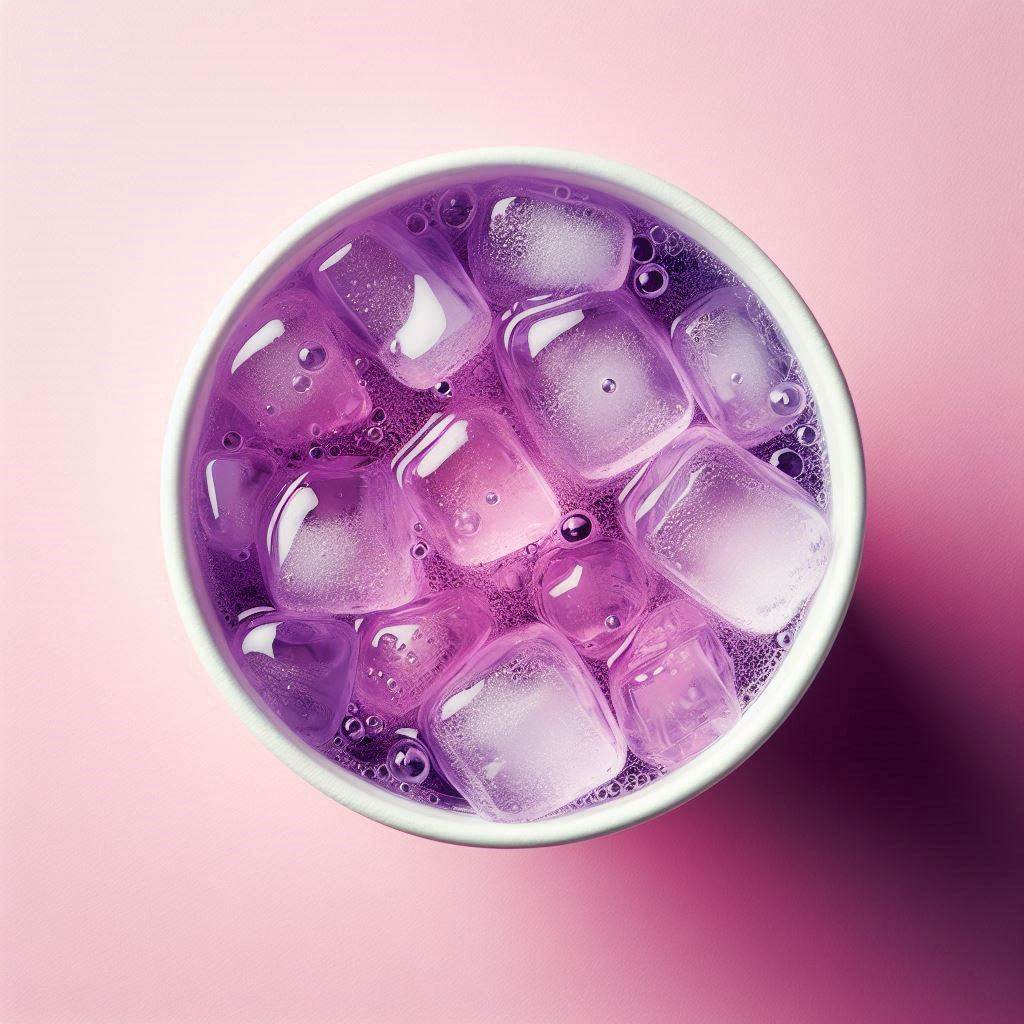
Lean Addiction Abuse
Understanding Lean Drink: Risks, Addiction, and the Path to Recovery
The “lean drink,” also known as “purple drank” or “sizzurp,” has gained notoriety in recent years, particularly within certain music and youth culture circles. This concoction, typically made from prescription-strength cough syrup, soda, and sometimes hard candy, can be deceptively appealing but poses significant health risks. In this blog post, we will explore what lean drink is, the dangers associated with its use, and the pathways to recovery for those struggling with addiction.
What is Lean Drink?
Ingredients of Lean Drink
Lean drink usually consists of the following ingredients:
- Prescription Cough Syrup: The primary ingredient often contains codeine and promethazine, both of which can lead to sedation and euphoria.
- Soda: Commonly, a citrus soda like Sprite is mixed in to mask the cough syrup’s taste.
- Hard Candy: Some users add candy, like Jolly Ranchers, for additional sweetness and flavor.
How is Lean Drink Consumed?
Lean is typically consumed in a manner similar to cocktails, where the ingredients are mixed together in a cup and sipped slowly. Users often enjoy the high that follows, leading to its recreational appeal.
The Dangers of Lean Drink
While the allure of lean drink may be strong, it’s crucial to understand the potential risks and side effects associated with its consumption.
Health Risks
- Respiratory Depression: Codeine can depress the respiratory system, leading to slowed breathing, which can be fatal.
- Addiction: The opioid component of lean drink can lead to physical dependence and addiction.
- Cognitive Impairment: Users may experience memory issues, confusion, and impaired judgment.
- Physical Health Issues: Long-term use can lead to liver damage, heart issues, and increased risk of overdose.
Signs of Lean Drink Abuse
Recognizing the signs of lean drink abuse can be critical for early intervention:
- Frequent requests for cough syrup prescriptions
- Changes in mood or behavior
- Withdrawal from social activities
- Physical symptoms like lethargy or nausea
Getting Help for Lean Drink Addiction
If you or someone you know is struggling with addiction to lean drink, it’s essential to seek help. Addiction treatment centers can provide the necessary support and resources for recovery.
Call to Action: Seek Help Today
If you’re struggling with lean drink addiction, don’t wait to seek help. Reach out to an addiction treatment center today. Professionals are ready to guide you through the recovery process, ensuring that you and your loved ones receive the care and support you deserve.
Treatment Options for Lean Drink Addiction
1. Detoxification
Detoxification is often the first step in overcoming addiction to lean drink. This process involves:
- Medical Supervision: A medically supervised detox ensures safety during withdrawal.
- Managing Withdrawal Symptoms: Withdrawal from codeine can be uncomfortable and requires medical assistance.
- Supportive Environment: Detox facilities provide a safe and supportive environment for recovery.
2. Inpatient Treatment
Inpatient treatment offers a structured environment for individuals to focus solely on recovery. This type of program includes:
- 24/7 Care: Round-the-clock medical support ensures that individuals are safe and monitored.
- Therapeutic Activities: Programs often include group therapy, individual counseling, and educational workshops.
- Focus on Relationship Dynamics: Inpatient treatment helps address underlying issues that may contribute to substance use.
3. Outpatient Treatment
Outpatient programs offer flexibility for individuals who may not require residential treatment. Key features include:
- Flexible Scheduling: Patients can attend therapy sessions while maintaining daily responsibilities.
- Continued Support: Regular group meetings and individual therapy sessions help maintain accountability.
- Life Skills Training: Outpatient programs often include training to develop coping strategies and healthy habits.
4. Aftercare Programs
Aftercare is essential for maintaining long-term sobriety. Components of aftercare include:
- Alumni Programs: Connecting individuals with others who have completed treatment fosters a sense of community.
- Continued Therapy: Regular therapy sessions help address any ongoing challenges.
- Support Groups: Peer support can be invaluable in maintaining sobriety and preventing relapse.
The Importance of Holistic Approaches
Effective addiction treatment often incorporates holistic approaches alongside traditional methods. These may include:
- Mindfulness and Meditation: Techniques that promote relaxation and stress relief.
- Physical Activity: Exercise can improve mental health and overall well-being.
- Nutritional Support: A balanced diet can aid in recovery and help restore physical health.
Building a Support Network
Recovery from lean drink addiction is not a journey you have to take alone. Building a support network can make a significant difference:
- Family and Friends: Engage loved ones in the recovery process for encouragement and accountability.
- Support Groups: Join local or online groups to connect with others who understand your struggles.
- Therapists and Counselors: Professional guidance can help navigate the emotional challenges of recovery.
The Road to Recovery
Recovering from lean drink addiction is a journey that requires commitment and support. While it may be challenging, many individuals find that they emerge stronger and more resilient.
Key Takeaways
- Recognize the Risks: Understanding the dangers of lean drink is crucial for informed decision-making.
- Seek Help Early: The sooner you seek help, the better your chances for a successful recovery.
- Utilize Available Resources: Many treatment options exist, and it’s essential to find the one that fits your needs.
In closing
Lean drink addiction can have severe consequences, but recovery is possible with the right support. If you or someone you know is struggling with this issue, don’t hesitate to reach out for help. With detox, inpatient care, outpatient programs, and aftercare support, a brighter, healthier future is within reach.
Start Your Recovery Journey Today
If you or a loved one is battling lean drink addiction, contact an addiction treatment center today. The path to recovery begins with a single step, and professionals are here to guide you every step of the way. Don’t wait—reach out for help now!
Top 10 FAQ’s about Lean
1. What is lean drink?
Answer: Lean drink, also known as purple drank or sizzurp, is a concoction made from prescription-strength cough syrup that contains codeine and promethazine, mixed with soda and sometimes hard candy. It’s consumed for its sedative and euphoric effects.
2. What are the primary ingredients in lean drink?
Answer: The main ingredients in lean drink are prescription cough syrup (containing codeine and promethazine), a soft drink (often citrus-flavored like Sprite), and sometimes hard candy for added sweetness.
3. What are the health risks associated with lean drink?
Answer: Lean drink poses several health risks, including respiratory depression, addiction, cognitive impairment, and potential liver and heart issues. Long-term use can lead to overdose and serious health complications.
4. How is lean drink typically consumed?
Answer: Lean drink is usually mixed in a cup and sipped slowly, similar to a cocktail. Users often enjoy it for its sweet taste and the high it produces.
5. What are the signs of lean drink abuse?
Answer: Signs of lean drink abuse can include frequent requests for cough syrup prescriptions, mood changes, social withdrawal, and physical symptoms like lethargy or nausea.
6. What should I do if I or someone I know is struggling with lean drink addiction?
Answer: It’s essential to seek help from an addiction treatment center. Professional guidance can provide the necessary support for recovery, including detox and therapy options.
7. What is the detox process like for lean drink addiction?
Answer: Detox for lean drink addiction involves medically supervised withdrawal, where professionals monitor symptoms and provide support to manage discomfort safely.
8. What types of treatment are available for lean drink addiction?
Answer: Treatment options include detoxification, inpatient programs for intensive care, outpatient programs for flexible support, and aftercare to maintain long-term recovery.
9. How does aftercare support individuals recovering from lean drink addiction?
Answer: Aftercare includes ongoing therapy, support groups, and alumni programs that help individuals transition back into everyday life while maintaining sobriety.
10. Can holistic approaches aid in recovering from lean drink addiction?
Answer: Yes, holistic approaches such as mindfulness, physical activity, and nutritional support can complement traditional treatments, promoting overall well-being and aiding in recovery.
1. Substance Abuse and Mental Health Services Administration (SAMHSA)
Description: SAMHSA provides information on mental health and substance use disorders, treatment options, and resources for individuals and families. Website: SAMHSA Contact Number: 1-800-662-HELP (4357)
2. National Institute on Drug Abuse (NIDA)
Description: NIDA offers research-based information on drug abuse, addiction, and related health issues, along with resources for prevention and treatment. Website: NIDA Contact Number: 1-301-443-1124
3. National Institute of Mental Health (NIMH)
Description: NIMH provides information on mental health disorders, research findings, and resources for individuals seeking help and support. Website: NIMH Contact Number: 1-866-615-6464
4. Center for Substance Abuse Treatment (CSAT)
Description: CSAT focuses on improving the quality and availability of substance abuse treatment services. It offers resources for treatment providers and individuals seeking help. Website: CSAT
5. Substance Abuse and Mental Health Data Archive (SAMHDA)
Description: SAMHDA provides access to a wide range of datasets and resources related to substance abuse and mental health research. Website: SAMHDA
6. Veterans Affairs – Mental Health
Description: The VA provides resources and support specifically for veterans dealing with mental health and substance use issues. Website: VA Mental Health Contact Number: 1-800-273-8255 (Press 1 for Veterans)
7. National Center for Mental Health Services (NCMHS)
Description: This center focuses on promoting mental health through prevention, treatment, and rehabilitation services. Website: NCMHS
These resources can help individuals and families seeking assistance for substance abuse and mental health issues across the United States.