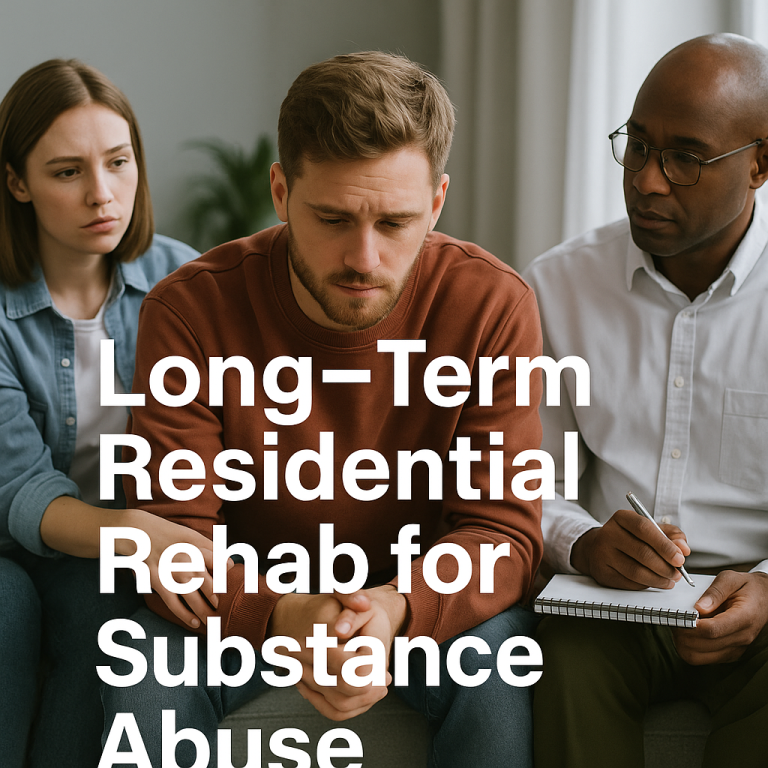
Life after rehab represents a crucial phase in the recovery journey, marking the transition from structured treatment to independent living. The goal of this phase is to integrate the skills and insights gained during rehab into daily life, ensuring that the progress made is sustained over the long term. This period requires a proactive approach to managing one’s sobriety and adapting to new ways of living that support continued recovery.
Successfully navigating life after rehab involves embracing a series of strategies designed to reinforce and maintain sobriety. It is a time to build on the foundation laid during treatment and to develop a robust support system that can aid in managing the challenges of early recovery. The transition may bring its own set of challenges, but with the right tools and support, individuals can establish a fulfilling and sober life.
Contact us
Understanding the Challenges of Early Recovery
Early recovery can be particularly challenging as individuals face the realities of life outside of a treatment facility. This phase often includes managing new responsibilities, coping with stressors that may have previously triggered substance use, and adjusting to changes in relationships and routines. The risk of relapse can be high during this time, making it essential to be prepared for the difficulties that may arise.
Common challenges in early recovery include dealing with cravings, handling social pressures, and navigating environments that may have been associated with past substance use. Developing strategies to address these challenges is crucial for maintaining sobriety and ensuring that the hard work put into rehab continues to yield positive results.
Creating a Post-Rehab Routine
Establishing a structured routine is key to maintaining sobriety after rehab. A well-organized daily schedule helps create a sense of normalcy and stability, which can be particularly beneficial during the transition from treatment. This routine should include activities that support personal growth and recovery, such as attending support groups, engaging in regular exercise, and practicing healthy eating habits.
Incorporating routine elements like work or educational pursuits can provide a sense of purpose and accomplishment, further reinforcing the commitment to sobriety. Additionally, a structured routine helps manage time effectively, reducing the likelihood of encountering situations or triggers that could lead to relapse.
Building a Support Network
A strong support network is essential for sustaining sobriety after rehab. This network can include family members, friends, support groups, and therapists who provide encouragement and accountability. Building and maintaining these connections helps create a safety net that can offer guidance and support during challenging times.
Regular participation in support groups or meetings provides an opportunity to share experiences, receive advice, and gain motivation from others who are navigating similar challenges. Developing these relationships can also foster a sense of community and belonging, which is valuable for emotional and psychological well-being.
Setting Realistic Goals for Your Recovery
Setting realistic and achievable goals is a fundamental aspect of maintaining sobriety. These goals should be specific, measurable, attainable, relevant, and time-bound (SMART). By setting clear objectives, individuals can track their progress and celebrate milestones, which can be motivating and reinforcing for continued recovery.
Goals can range from short-term achievements, such as attending a certain number of support meetings, to long-term aspirations, such as pursuing educational or career advancements. Aligning goals with personal values and interests helps maintain focus and direction in the recovery journey.
Developing Healthy Coping Strategies
Effective coping strategies are essential for managing stress and avoiding relapse. Developing healthy ways to cope with challenges can help individuals navigate the ups and downs of life without resorting to substance use. These strategies might include mindfulness practices, engaging in hobbies, or seeking professional counseling.
By identifying and practicing coping mechanisms that work best for them, individuals can better handle the pressures and emotions that come with early recovery. Healthy coping strategies contribute to emotional resilience and help prevent relapse by providing alternative outlets for managing stress.
Managing Triggers and Cravings
Triggers and cravings are common challenges in early recovery. Triggers are situations, people, or emotions that can provoke a desire to use substances, while cravings are the intense urges to consume them. Identifying personal triggers and developing strategies to manage cravings is crucial for maintaining sobriety.
Techniques for managing triggers and cravings may include avoiding high-risk situations, employing distraction techniques, or reaching out to a support network for help. Developing a plan to address these challenges proactively can significantly reduce the risk of relapse.
The Importance of Continuing Therapy and Counseling
Continuing therapy and counseling after rehab plays a vital role in sustaining recovery. Ongoing therapy provides a space to address any underlying issues, refine coping strategies, and receive support as new challenges arise. It also helps individuals stay connected with their recovery goals and maintain accountability.
Therapists and counselors can offer personalized guidance and support tailored to individual needs, which can be instrumental in navigating the complexities of life after rehab. Regular sessions help ensure that individuals remain focused on their recovery journey and receive the tools necessary to manage their sobriety effectively.
Incorporating Healthy Lifestyle Changes
Incorporating healthy lifestyle changes is a key component of sustaining sobriety. Adopting habits that promote physical health, such as regular exercise, balanced nutrition, and sufficient sleep, can have a positive impact on mental and emotional well-being. These changes support overall health and reduce the likelihood of relapse by addressing factors that can contribute to substance use.
Healthy lifestyle changes also contribute to building self-esteem and a sense of accomplishment, which are important for maintaining motivation in recovery. Embracing a holistic approach to health helps create a strong foundation for a sober life.
Finding Purpose and Meaning in Sobriety
Finding purpose and meaning in sobriety is essential for long-term recovery. Engaging in activities and pursuits that align with personal values and interests can provide a sense of fulfillment and direction. This might include pursuing hobbies, volunteering, or setting new life goals.
A sense of purpose helps reinforce the commitment to sobriety by providing motivation and enhancing overall life satisfaction. It also contributes to a positive outlook and strengthens the resolve to maintain a sober lifestyle.
Maintaining Strong Relationships and Boundaries
Maintaining healthy relationships and establishing clear boundaries is crucial for sustaining sobriety. Strong, supportive relationships provide emotional support and encouragement, while clear boundaries help prevent situations that could lead to relapse.
Communicating openly and honestly with loved ones about needs and expectations can strengthen relationships and foster mutual support. Setting boundaries helps manage relationships that may be challenging or potentially triggering, ensuring a supportive environment conducive to recovery.
Dealing with Relapses: What to Do if It Happens
Relapses can be a part of the recovery journey, and it is important to address them constructively. If a relapse occurs, it is crucial to seek support and re-evaluate the recovery plan. Understanding that relapse does not equate to failure but rather a setback that can be overcome is key to moving forward.
Addressing a relapse involves reflecting on what led to the relapse, seeking help from a support network, and re-engaging in therapy or counseling. Developing a plan to address the factors that contributed to the relapse can help prevent future occurrences and reinforce commitment to sobriety.
The Role of Self-Care in Sustaining Sobriety
Self-care is an integral part of maintaining sobriety. Engaging in activities that promote well-being and reduce stress can support mental, emotional, and physical health. Self-care practices might include mindfulness, exercise, hobbies, and relaxation techniques.
Prioritizing self-care helps individuals manage the demands of daily life while staying focused on their recovery goals. It also contributes to overall life satisfaction and resilience, which are important for sustaining sobriety in the long term.
Stay SoberAfter Rehab – Tips with The Recover
Life after rehab is a critical period that requires dedication and strategic planning to maintain sobriety. By implementing these tips and strategies, individuals can navigate the challenges of early recovery and build a fulfilling, sober life. For additional support and guidance, contact us at The Recover. Our team is here to help you through every step of your recovery journey.