Mental Health Ice Bucket Challenge
Mental Health Ice Bucket Challenge: Breaking the Silence, One Bucket at a Time
The Revival of a Viral Movement for Mental Health Awareness
In the landscape of social media activism, few campaigns have captured global attention quite like the Ice Bucket Challenge. Now, this powerful movement has been reimagined with a crucial new focus: mental health awareness. The mental health ice bucket challenge represents more than just another viral trend—it’s becoming a transformative force in how we discuss, understand, and support mental wellness in our communities.
As someone who has spent over two decades working in addiction recovery and mental health advocacy, I’ve witnessed countless awareness campaigns come and go. What makes this particular movement remarkable isn’t just its viral nature, but its ability to transform a simple act into a powerful statement about breaking down the barriers that prevent people from seeking help. The Recover, as a trusted addiction and mental health referral source, recognizes the profound impact such movements can have on public perception and accessibility of mental health resources.
The challenge has evolved from its original ALS awareness roots to address one of the most pressing health crises of our time. With one in five adults experiencing mental illness each year, the need for widespread awareness and destigmatization has never been more critical. This revival isn’t merely copying a successful formula—it’s adapting proven engagement strategies to address the silent epidemic affecting millions worldwide.
Understanding the Mental Health Ice Bucket Challenge Movement
What Makes This Challenge Different
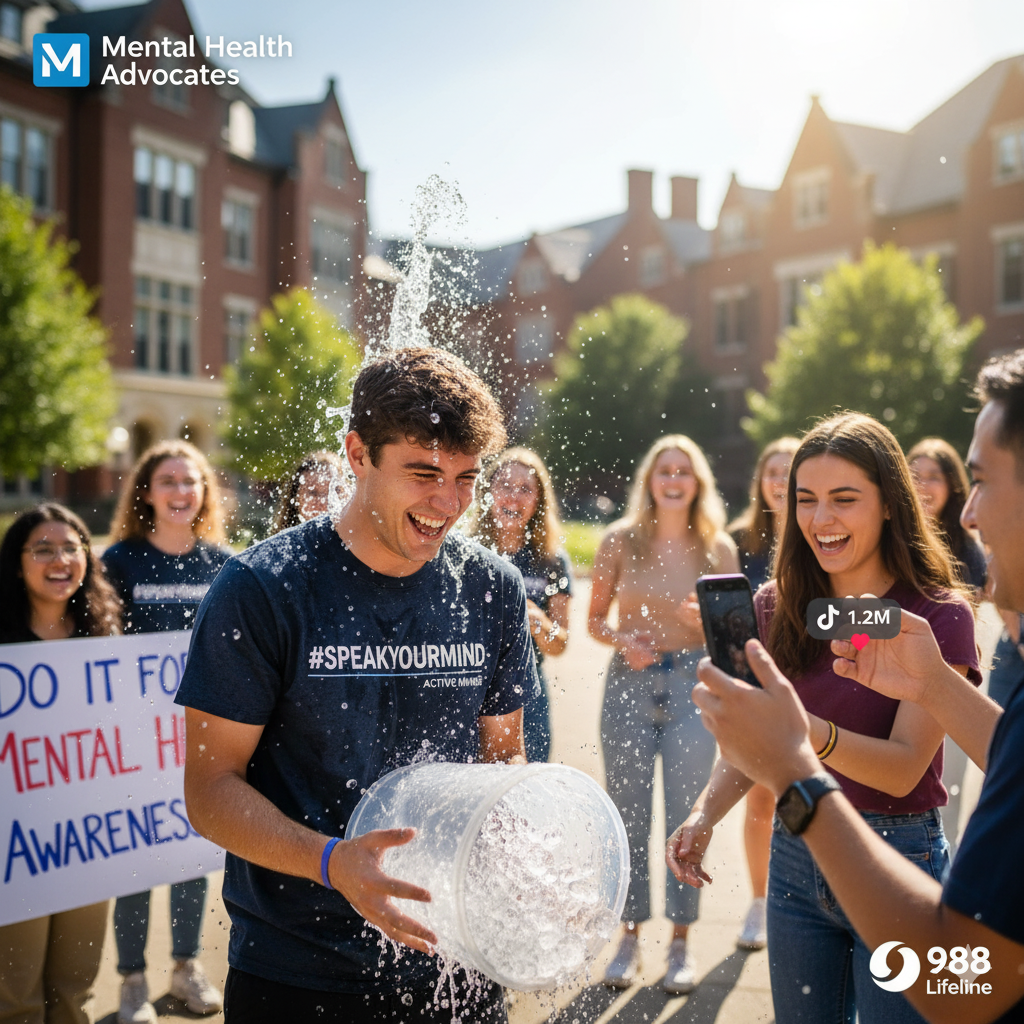
The mental health version of the ice bucket challenge distinguishes itself through its core mission: speaking your mind about mental health struggles. Unlike the original ALS challenge, which focused primarily on fundraising for research, this iteration emphasizes breaking the silence surrounding mental illness. Participants aren’t just dumping ice water—they’re making a public declaration that mental health matters and that seeking help is a sign of strength, not weakness.
The #SpeakYourMIND ice bucket challenge meaning goes deeper than surface-level awareness. It represents a collective acknowledgment that mental health challenges affect everyone, directly or indirectly. When someone accepts the challenge, they’re not just raising funds; they’re contributing to a cultural shift that normalizes conversations about depression, anxiety, trauma, and other mental health conditions.
The Organizations Behind the Movement
Active Minds, the nation’s largest nonprofit organization supporting mental health awareness and education for students, has emerged as a primary beneficiary of this movement. Their work on high school and college campuses makes them particularly suited to harness the challenge’s viral nature among younger demographics. The organization’s focus on peer-to-peer mental health advocacy aligns perfectly with the challenge’s grassroots approach.
Other major mental health organizations have also embraced the movement. The National Alliance on Mental Illness (NAMI) has encouraged local chapters to participate, creating community-based ice bucket challenge events that bring neighbors together around a shared cause. These local mental health ice bucket challenge events serve dual purposes: raising awareness and building support networks within communities.
How to Start a Mental Health Ice Bucket Challenge Movement
Planning Your Challenge Campaign
Starting your own mental health ice bucket challenge movement requires thoughtful planning and genuine commitment to the cause. Begin by identifying your specific goals—whether you’re raising funds for a local NAMI chapter, supporting university mental health programs, or simply spreading awareness in your community. The most successful campaigns combine clear objectives with authentic personal stories that resonate with potential participants.
Consider partnering with established organizations to maximize your impact. Many groups provide resources, including video script templates for mental health ice bucket challenge nominations and promotional materials. These partnerships lend credibility to your efforts and ensure that funds raised go directly to proven mental health initiatives.
Ice Bucket Challenge Rules for Mental Health Awareness
The official rules for the mental health awareness challenge are intentionally flexible to encourage maximum participation. The basic framework involves:
- The Challenge: Participants dump a bucket of ice water over their heads while sharing why mental health awareness matters to them
- The Message: Before or after the ice water, participants share a brief statement about mental health, whether it’s personal experience, support for someone struggling, or general advocacy
- The Nomination: Challenge three to five others to participate within 24-48 hours
- The Donation: Contribute to a mental health organization of choice, with suggested amounts typically ranging from $10-100
- The Sharing: Post on social media with relevant hashtags to maintain momentum
Alternative ways to participate in the ice bucket mental health trend acknowledge that not everyone can safely dump ice water on themselves. Options include making a larger donation, creating awareness content, organizing local events, or volunteering with mental health organizations.
The Social Media Strategy That’s Making It Viral
Platform-Specific Approaches
The mental health ice bucket challenge TikTok tutorial phenomenon has introduced the movement to Generation Z, with creative variations including themed challenges, duets, and educational content woven into entertainment. TikTok’s algorithm favors authentic, engaging content, making personal mental health stories paired with the challenge particularly effective.
Learning how to share the ice bucket challenge on Instagram Reels requires understanding the platform’s emphasis on visual storytelling. Successful Instagram campaigns combine striking visuals with meaningful captions that provide context and resources. The best hashtags for mental health ice bucket challenge on Instagram include #SpeakYourMIND, #MentalHealthMatters, #BreakTheStigma, and location-specific tags for local engagement.
Trending Mental Health Challenge on Social Media 2025
The trending mental health challenge on social media 2025 has evolved beyond simple participation videos. Content creators are developing series that follow their mental health journeys, incorporating the ice bucket challenge as symbolic moments of breakthrough or commitment to wellness. This deeper engagement creates lasting impact beyond the initial viral moment.
Celebrities doing mental health ice bucket challenge videos have amplified the movement’s reach. When public figures share their own mental health struggles alongside their challenge videos, it normalizes seeking help and demonstrates that mental illness doesn’t discriminate based on success or status.
Impact on Different Demographics and Communities
Campus-Based Initiatives
The Speak Your MIND challenge on college campuses has become particularly powerful, addressing the mental health crisis affecting students nationwide. Universities like the University of South Carolina have integrated the mental health ice bucket challenge into broader wellness initiatives, combining viral engagement with on-campus resources and support systems.
High school students participating in the mental health ice bucket challenge represent a crucial demographic, as half of all lifetime mental health disorders begin by age 14. School-based campaigns provide opportunities for peer support and early intervention, potentially changing trajectories for young people struggling in silence.
Specialized Community Outreach
The ice bucket challenge for veterans’ mental health support addresses unique challenges faced by military personnel and their families. Veterans face higher rates of PTSD, depression, and suicide, making targeted awareness campaigns essential. Organizations specializing in veteran mental health have adapted the challenge to include military-specific messaging and resources.
Men’s mental health has emerged as another critical focus area. The mental health ice bucket challenge for men’s mental health specifically addresses the stigma that prevents many men from seeking help. By framing mental health support as an act of strength rather than weakness, these campaigns are slowly changing cultural narratives around masculinity and emotional wellness.
Teen mental health ice bucket challenge campaigns recognize that adolescents face unique pressures in today’s digital age. These initiatives often incorporate education about social media’s impact on mental health, creating a thoughtful paradox: using social media virality to address social media-related mental health challenges.
Mental Health Resources and Support Systems
Connecting Participants to Help
One of the most critical aspects of the mental health ice bucket challenge is ensuring participants and viewers have immediate access to support resources. Every challenge video should include information about crisis helplines and local mental health services.
The 988 Suicide & Crisis Lifeline provides 24/7 support for anyone experiencing mental health crisis. Participants should prominently feature this number in their content, normalizing the act of reaching help when needed.
Crisis Text Line offers text-based support for those who might feel more comfortable with written communication. Text HOME to 741741 connects individuals with trained crisis counselors who can provide immediate support.
Finding Local Support
FindTreatment.gov serves as a confidential resource for locating mental health and substance use disorder treatment in any community. This federal resource ensures that awareness translates into action by connecting individuals with appropriate care.
The SAMHSA National Helpline (1-800-662-HELP) provides treatment referrals and information in both English and Spanish, ensuring broader accessibility for diverse communities participating in the challenge.
Addressing Criticisms and Concerns
The Debate Around Viral Activism
Critics of using the ice bucket challenge for mental health raise valid concerns about “slacktivism” and whether viral challenges create lasting change. However, research from the original ALS challenge demonstrates that viral campaigns can produce substantial, measurable impact. The ALS Association received $115 million in donations during the challenge’s peak, funding research that led to significant treatment breakthroughs.
The question “is the mental health ice bucket challenge a good idea” deserves thoughtful consideration. While no single campaign can solve the mental health crisis, viral movements serve important functions: reducing stigma through visibility, creating community through shared participation, and generating funds for critical services and research.
Ensuring Respectful Participation
What are the criticisms of using the ice bucket challenge for mental health? Primary concerns include trivializing serious mental health conditions, creating peer pressure that might trigger anxiety, and potentially overshadowing ongoing advocacy work. Addressing these concerns requires thoughtful messaging that emphasizes respect, voluntary participation, and the challenge as one part of broader mental health advocacy.
Does the mental health challenge take away from ALS awareness? Organizations have addressed this by acknowledging the original challenge’s impact while explaining how different health causes can benefit from similar awareness strategies. Many participants honor both causes, demonstrating that supporting one health initiative doesn’t diminish others.
Creating Lasting Impact Beyond the Viral Moment
Sustaining Momentum
The best mental health awareness challenge ideas for May (Mental Health Awareness Month) and throughout the year involve creating sustained engagement beyond initial participation. Successful campaigns develop follow-up initiatives, including mental health education series, ongoing fundraising efforts, and community support groups that maintain connections formed during the challenge.
How to host a mental health awareness challenge fundraiser requires planning that extends beyond collecting donations. Effective fundraisers incorporate educational components, connect participants with local mental health resources, and create ongoing engagement opportunities. Community mental health awareness ice bucket challenge rules should emphasize inclusion, ensuring everyone can participate regardless of physical ability or financial situation.
Measuring Success
How much money has the mental health ice bucket challenge raised? While comprehensive figures continue to evolve, individual organizations report significant increases in donations and volunteer engagement. More importantly, metrics extend beyond financial contributions to include website traffic to mental health resources, increases in help-seeking behavior, and shifts in public discourse around mental health.
The challenge’s success in how does the ice bucket challenge promote mental health advocacy can be measured through multiple lenses: increased media coverage of mental health issues, growth in mental health organization memberships, and documented increases in individuals seeking mental health services after exposure to challenge content.
Future Directions and Innovations
Evolving the Challenge
Alternative challenges that raise mental health awareness without water have emerged to ensure year-round participation and inclusion. These variations include fitness challenges, creative arts challenges, and mindfulness challenges that maintain the viral element while adapting to different contexts and preferences.
The ice bucket challenge for mental health research funding specifically targets raising money for scientific advancement in understanding and treating mental illness. The National Institute of Mental Health (NIMH) provides frameworks for how public engagement can support research initiatives, creating bridges between viral movements and scientific progress.
Technology and Mental Health Advocacy
Where to find mental health ice bucket challenge videos has expanded beyond traditional social media to include mental health apps, virtual reality experiences, and interactive websites that combine challenge participation with mental health education. These technological innovations ensure the movement reaches diverse audiences across multiple platforms.
Best charities for mental health awareness challenges continue to evolve their approaches, incorporating lessons learned from viral campaigns into comprehensive advocacy strategies. Organizations like Mental Health America have developed screening tools and resources that complement viral awareness efforts with practical support mechanisms.
The Role of Educational Institutions
University Partnerships
The mental health ice bucket challenge University of South Carolina model demonstrates how educational institutions can leverage viral movements for campus-wide mental health initiatives. Universities participating in the Speak Your MIND challenge near specific college areas create localized impact while contributing to the broader movement.
Academic institutions have unique opportunities to combine challenge participation with research, education, and support services. When students, faculty, and staff participate together, it creates community-wide conversations about mental health that extend beyond the challenge itself.
Integration with Mental Health Curriculum
Educational institutions are incorporating the challenge into broader mental health literacy programs. This integration ensures that viral engagement translates into lasting knowledge and behavior change, addressing the root causes of mental health stigma through education.
Practical Implementation Guide
Step-by-Step Participation
For those wondering how do I participate in the #SpeakYourMIND ice bucket challenge, the process involves several key steps:
- Preparation: Choose your location, gather materials, and decide on your message
- Recording: Ensure good lighting and clear audio for maximum impact
- Messaging: Share your personal connection to mental health advocacy
- Action: Complete the ice bucket challenge safely
- Nomination: Tag specific individuals to continue the movement
- Donation: Contribute to your chosen mental health organization
- Sharing: Post across multiple platforms with appropriate hashtags
Safety Considerations
Is it safe to pour ice water over your head for the challenge? While generally safe for healthy individuals, certain precautions should be taken. Participants with heart conditions, respiratory issues, or other health concerns should consult medical providers or choose alternative participation methods. The emphasis should always be on awareness and support rather than risk-taking.
Building Community Through Challenge Participation
Local Event Organization
How to host a mental health ice bucket challenge event in your state involves coordinating with local mental health organizations, securing appropriate venues, and ensuring professional mental health support is available. Successful events combine challenge participation with resource fairs, allowing attendees to connect with mental health services in their communities.
The ice bucket challenge to benefit local NAMI chapter initiatives provides frameworks for community-based fundraising that strengthens local mental health infrastructure. These localized efforts ensure that funds raised directly benefit community members, creating tangible local impact from viral participation.
Corporate and Workplace Participation
Workplaces participating in the mental health ice bucket challenge create opportunities for employee wellness initiatives and destigmatization within professional settings. Companies that embrace the challenge often report improved workplace culture around mental health discussions and increased utilization of employee assistance programs.
The Science Behind Viral Mental Health Advocacy
Understanding Viral Psychology
Why did the ice bucket challenge get revived for mental health awareness? The psychology behind viral challenges reveals that successful campaigns combine several elements: social proof, achievable actions, clear calls-to-action, and emotional resonance. The mental health version leverages these same psychological principles while adding the powerful element of personal vulnerability and courage.
Research indicates that public commitments, like those made through challenge participation, increase likelihood of sustained behavior change. When individuals publicly declare support for mental health awareness, they’re more likely to maintain that support through ongoing actions.
Impact on Stigma Reduction
The ice bucket challenge for mental health stigma reduction operates through exposure therapy principles on a societal scale. As more people openly discuss mental health, it normalizes these conversations and reduces the shame and isolation often experienced by those struggling with mental illness.
Studies on the original ice bucket challenge demonstrated that viral campaigns can create lasting changes in public awareness and behavior. Applied to mental health, these findings suggest that viral movements can contribute to long-term shifts in how society approaches mental wellness.
Conclusion: The Continuing Evolution of Mental Health Advocacy
The mental health ice bucket challenge represents more than a momentary viral trend—it’s part of an ongoing evolution in how we approach mental health awareness and advocacy. As we’ve seen throughout this comprehensive exploration, the challenge serves multiple functions: raising funds for critical mental health services, reducing stigma through public participation, building communities of support, and creating entry points for deeper engagement with mental health resources.
When did the ice bucket challenge for mental health start? While the exact origins continue to evolve, what matters more than the precise beginning is the movement’s ongoing impact. Each participant adds their voice to a growing chorus declaring that mental health matters, that seeking help is courageous, and that no one should face mental health challenges alone.
The goal of the challenge besides raising money encompasses fundamental shifts in how we discuss, understand, and support mental health in our communities. Through careful implementation, respectful participation, and sustained follow-through, the mental health ice bucket challenge can contribute to lasting positive change in mental health awareness and support.
As mental health professionals and advocates, we at The Recover understand that viral movements are just one tool in comprehensive mental health advocacy. However, when implemented thoughtfully and supported by robust resources and follow-up, challenges like this can create meaningful impact in reducing stigma and increasing access to mental health support.
The true measure of success for the mental health ice bucket challenge won’t be found in viral video counts or donation totals alone—it will be measured in lives saved, stigma reduced, and communities strengthened through open, honest conversations about mental health. Every bucket of ice water poured represents another voice joining the movement to ensure that mental health receives the attention, resources, and respect it deserves.
Frequently Asked Questions About the Mental Health Ice Bucket Challenge
What is the Mental Health Ice Bucket Challenge?
The Mental Health Ice Bucket Challenge is a viral social media campaign adapted from the original ALS Ice Bucket Challenge, now focused on raising awareness and funds for mental health organizations. Participants dump ice water over their heads, share personal messages about mental health awareness, nominate others to participate, and donate to mental health charities. The challenge aims to reduce stigma, encourage open conversations about mental health, and support organizations providing mental health services and advocacy.
What is the hashtag for the new Ice Bucket Challenge for mental health?
The primary hashtag is #SpeakYourMIND, which emphasizes the challenge’s focus on encouraging open dialogue about mental health. Additional commonly used hashtags include #MentalHealthIceBucketChallenge, #BreakTheStigma, #MentalHealthMatters, and #IceBucketChallengeForMentalHealth. Participants often combine these with organization-specific tags like #ActiveMinds or #NAMI, and location-based hashtags to increase local engagement and connect with community-based mental health initiatives.
When did the Ice Bucket Challenge for mental health start?
The mental health version of the ice bucket challenge began gaining momentum in 2023, with various organizations and individuals adapting the original ALS challenge format to address mental health awareness. The movement saw significant growth in 2024, particularly on college campuses through organizations like Active Minds. Unlike the original ALS challenge which had a clear starting point in 2014, the mental health version emerged more organically through multiple grassroots efforts that eventually coalesced into a broader movement.
Why did the Ice Bucket Challenge get revived for mental health awareness?
The challenge was revived for mental health awareness due to the ongoing mental health crisis, particularly among young people, and the proven effectiveness of viral campaigns in raising awareness and funds. The COVID-19 pandemic significantly increased mental health challenges globally, creating urgent need for awareness and resources. Additionally, the original ice bucket challenge’s success in raising over $115 million for ALS research demonstrated the potential impact of viral movements, making it a natural model for mental health advocacy.
How is the mental health version different from the original ALS Ice Bucket Challenge?
While maintaining the ice water element, the mental health version emphasizes personal storytelling and breaking silence around mental illness. Participants are encouraged to share why mental health matters to them, whether through personal experience or supporting others. The mental health challenge also focuses more on ongoing engagement and connecting participants with resources, rather than primarily fundraising. Additionally, it offers more alternative participation methods to ensure inclusivity for those who cannot safely do the ice water challenge.
Which organizations benefit from the Mental Health Ice Bucket Challenge donations?
Primary beneficiaries include Active Minds, the National Alliance on Mental Illness (NAMI), Mental Health America (MHA), The Trevor Project for LGBTQ youth, and local community mental health organizations. Participants can choose their preferred organization, with many selecting charities that align with their personal experiences or community needs. Some campaigns specifically support research institutions like the National Institute of Mental Health or specialized programs for veterans, students, or other specific populations.
How much money has the Mental Health Ice Bucket Challenge raised?
While comprehensive figures are still being compiled as the movement continues to grow, individual organizations report significant increases in donations. Active Minds has reported substantial growth in fundraising through challenge-related campaigns, though exact totals vary by organization and continue to evolve. The focus extends beyond monetary donations to include increased volunteer engagement, website traffic to mental health resources, and documented increases in help-seeking behavior following challenge exposure.
How do I participate in the #SpeakYourMIND Ice Bucket Challenge?
Participation involves recording yourself stating why mental health awareness matters, safely dumping ice water over your head (or choosing an alternative), nominating 3-5 others to participate within 24-48 hours, donating to a mental health organization of your choice, and sharing your video on social media with appropriate hashtags. Preparation includes choosing a safe location, having towels ready, ensuring someone is present for safety, and preparing your mental health message beforehand.
Do I have to dump ice water on myself, or can I just donate?
No, dumping ice water is not mandatory. The challenge offers multiple participation options including making a larger donation without doing the ice water, creating alternative awareness content like artwork or written pieces, organizing local mental health awareness events, volunteering with mental health organizations, or participating in adapted challenges that don’t involve ice water. The emphasis is on supporting mental health awareness in whatever way feels comfortable and safe for each individual.
Is the Mental Health Ice Bucket Challenge viral on TikTok or Instagram?
Yes, the challenge has gained significant traction on both platforms, with TikTok seeing particularly strong engagement among younger demographics. TikTok creators have developed creative variations including duets, educational content series, and themed challenges. Instagram sees high engagement through Reels and Stories, with many participants using the platform’s features to add mental health resources and donation links. The multi-platform presence ensures broad reach across different age groups and demographics.
What is the goal of the challenge besides raising money?
Beyond fundraising, the challenge aims to normalize conversations about mental health, reduce stigma surrounding mental illness, create community connections among those affected by mental health challenges, increase awareness of available mental health resources, encourage help-seeking behavior, and build long-term advocacy movements. The challenge serves as an entry point for deeper engagement with mental health issues, inspiring participants to become ongoing advocates and supporters.
Did the original ALS Ice Bucket Challenge foundation approve of this revival?
While there’s no formal approval process needed, the ALS Association has generally expressed support for other causes using similar awareness strategies. Many mental health challenge participants acknowledge the original challenge’s impact and honor both causes. The approach emphasizes that supporting mental health awareness doesn’t diminish ALS advocacy, and many participants donate to both causes, demonstrating that health awareness campaigns can coexist and mutually benefit from viral strategies.
Is it safe to pour ice water over your head for the challenge?
For most healthy individuals, the ice bucket challenge is safe when done properly. However, people with heart conditions, respiratory issues, pregnancy, or other health concerns should consult healthcare providers or choose alternative participation methods. Safety guidelines include having someone present, choosing a safe location with good footing, using a reasonable amount of water and ice, avoiding extreme cold exposure, and immediately warming up afterward. The emphasis should always be on awareness rather than risk-taking.
Who started the “Speak Your Mind” Ice Bucket Challenge?
The Speak Your Mind iteration emerged through collaboration between multiple mental health organizations, with Active Minds playing a particularly prominent role in its campus-based implementations. Rather than having a single originator, the movement developed organically through various grassroots efforts that recognized the potential of adapting the ice bucket challenge format for mental health awareness. This collaborative origin reflects the community-based nature of mental health advocacy.
What are the criticisms of using the Ice Bucket Challenge for mental health?
Critics raise concerns about potential trivialization of serious mental health conditions, creation of peer pressure that might trigger anxiety, the risk of “slacktivism” without sustained engagement, possible overshadowing of ongoing advocacy work, and questions about long-term impact versus momentary viral attention. Addressing these concerns requires thoughtful messaging emphasizing respect, voluntary participation, and positioning the challenge as one component of comprehensive mental health advocacy rather than a complete solution.
How does the challenge help fight the stigma around mental illness?
The challenge reduces stigma through public visibility of mental health support, normalization of mental health conversations, demonstration that mental health affects people from all backgrounds, creation of community connections that reduce isolation, and encouragement of help-seeking behavior through resource sharing. When individuals publicly participate, they signal that mental health is a legitimate health concern deserving of attention and support, helping shift cultural narratives away from shame and silence.
Are there any official rules for the mental health challenge?
While rules vary by organizing group, general guidelines include safely completing the ice water challenge or alternative, sharing a personal mental health message or statement of support, nominating 3-5 others within 24-48 hours, donating to a recognized mental health organization, and including mental health resources in posts. The rules emphasize flexibility and inclusion, ensuring everyone can participate regardless of physical ability, financial situation, or comfort level with different aspects of the challenge.
What celebrities have participated in the Mental Health Ice Bucket Challenge?
Various celebrities, influencers, and public figures have participated, though specific participants vary by region and platform. Celebrity participation significantly amplifies reach and impact, particularly when they share personal mental health stories. Their involvement helps normalize mental health struggles across all levels of success and visibility, demonstrating that mental health challenges don’t discriminate and that seeking help is a sign of strength regardless of public status.
Where can I find the official donation link for the mental health challenge?
There isn’t one single official donation link, as participants can choose from various reputable organizations. Recommended organizations include Active Minds (activeminds.org), NAMI (nami.org), Mental Health America (mhanational.org), The Trevor Project (thetrevorproject.org), and local community mental health organizations. Participants should verify organizations through charity evaluators and ensure donations go directly to mental health services and advocacy rather than third-party fundraising platforms.
Does the mental health challenge take away from ALS awareness?
The mental health challenge doesn’t diminish ALS awareness but rather demonstrates how successful advocacy models can benefit multiple causes. Many participants honor both causes through dual donations or acknowledgments. The ALS Association’s original campaign created a template for viral health awareness that can be respectfully adapted for various causes. Health advocacy isn’t zero-sum—increased awareness for one condition can create rising tide effects that benefit overall health consciousness and charitable giving.