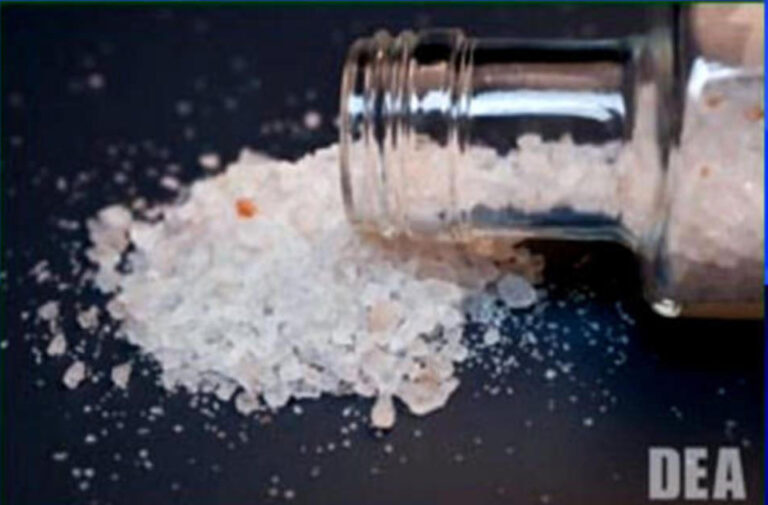
Navigating Adolescence: Effective Teen Drug Prevention Programs That Work
In the tumultuous journey of adolescence, navigating the waters of substance abuse can be particularly challenging. As society grapples with rising rates of teen drug use, the importance of effective prevention programs cannot be overstated. From evidence-based interventions to promising initiatives, The Recover delves into the realm of teen drug prevention, shedding light on strategies that work and offering hope for a healthier future.
Call Us for Advice (888) 510-3898
Understanding the Need for Teen Drug Prevention Programs
The teenage years are a critical period of development characterized by rapid physical, emotional, and social changes. During this time, adolescents are particularly vulnerable to the lure of experimentation and peer pressure, making them susceptible to the dangers of substance abuse. Effective teen drug prevention programs play a vital role in equipping young people with the knowledge, skills, and resilience needed to resist the temptations of drugs and alcohol.
Evidence-Based Teen Drug Prevention Programs: The Gold Standard
When it comes to preventing teen drug use, evidence-based programs are the gold standard. These programs are grounded in scientific research and have been rigorously evaluated to determine their effectiveness. By targeting risk factors and promoting protective factors associated with substance abuse, evidence-based interventions have demonstrated significant success in reducing rates of teen drug use.
- LifeSkills Training: LifeSkills Training is a highly acclaimed substance abuse prevention program designed to equip adolescents with essential life skills and coping mechanisms. Through interactive lessons and role-playing exercises, participants learn how to resist peer pressure, make healthy decisions, and manage stress effectively.
- Project ALERT: Project ALERT is a comprehensive substance abuse prevention program that focuses on empowering adolescents to make informed choices about drug use. The program uses a combination of classroom instruction, group discussions, and skill-building activities to educate teens about the risks of drug use and provide them with the tools they need to resist experimentation.
- Too Good for Drugs: Too Good for Drugs is a school-based prevention program that aims to build students’ social-emotional skills and resilience to prevent substance abuse. Through a series of engaging activities and lessons, students learn how to set goals, make responsible decisions, and develop healthy relationships, reducing their likelihood of engaging in risky behaviors.
Effective Strategies for Preventing Teen Drug Use
In addition to evidence-based programs, several effective strategies can help prevent teen drug use:
- Parental Involvement: Research consistently shows that parental involvement is one of the most significant protective factors against teen drug use. Parents who communicate openly with their children, set clear expectations, and monitor their activities are more likely to raise resilient, drug-free teens.
- School-Based Education: Schools play a crucial role in educating young people about the dangers of drug use and promoting healthy behaviors. Comprehensive drug education programs, peer-led initiatives, and extracurricular activities can all contribute to a positive school climate that discourages substance abuse.
- Community Partnerships: Collaborative efforts involving schools, parents, law enforcement, healthcare providers, and community organizations can strengthen prevention efforts and create a supportive environment for young people. By working together, communities can implement comprehensive prevention strategies that address the underlying factors contributing to teen drug use.

Successful Approaches to Teen Substance Abuse Prevention
When it comes to preventing teen substance abuse, successful approaches share several key characteristics:
- Early Intervention: Effective prevention programs often start early, targeting children and adolescents before they begin experimenting with drugs. By educating young people about the risks of substance abuse and equipping them with coping skills early on, prevention efforts can have a lasting impact on their behavior.
- Interactive and Engaging Content: Teenagers are more likely to engage with prevention programs that are interactive, relevant, and relatable. Effective programs use a variety of teaching methods, such as role-playing, group discussions, and multimedia presentations, to capture teens’ attention and make learning fun.
- Culturally Tailored Content: Prevention programs that are culturally sensitive and tailored to the needs of diverse populations are more likely to resonate with teens and their families. By acknowledging and addressing cultural factors that influence substance abuse, prevention efforts can be more effective in reaching at-risk populations.
Promising Teen Drug Prevention Interventions: Looking Towards the Future
As the landscape of teen drug prevention continues to evolve, several promising interventions are emerging:
- Online Prevention Programs: With the rise of digital technology, online prevention programs are becoming increasingly popular. These programs provide convenient access to prevention resources and support for teens and their families, allowing them to participate from the comfort of their own homes.
- Peer-Led Initiatives: Peer-led prevention initiatives harness the power of peer influence to promote healthy behaviors among adolescents. By empowering young people to become advocates for drug-free living, these initiatives can create positive social norms and encourage responsible decision-making.
- Community-Based Initiatives: Community-based prevention initiatives mobilize local resources and stakeholders to address the unique needs and challenges of a specific community. By engaging residents, businesses, schools, and other community organizations, these initiatives can create a supportive environment that promotes health and well-being for all.
A Brighter Future Through Prevention
In the battle against teen drug use, prevention is the key to building a brighter future. From evidence-based programs to promising initiatives, effective teen drug prevention efforts have the power to change lives, protect communities, and shape the course of a generation. By investing in prevention today, we can create a world where all young people have the opportunity to thrive, drug-free. Contact us today to join the movement for a healthier tomorrow!

FAQs
- Why is teen drug prevention important?Teen drug prevention is crucial because adolescence is a vulnerable period where experimentation with drugs can lead to long-term consequences. Effective prevention programs equip teens with the knowledge and skills to resist peer pressure and make healthy choices.
- What are evidence-based teen drug prevention programs?Evidence-based programs are scientifically validated interventions that have been proven effective in preventing teen drug use. Examples include LifeSkills Training, Project ALERT, and Too Good for Drugs.
- How can parents get involved in teen drug prevention?Parents can get involved in teen drug prevention by communicating openly with their children, setting clear expectations, monitoring their activities, and educating them about the risks of drug use.
- What role do schools play in teen drug prevention?Schools play a critical role in teen drug prevention by providing comprehensive drug education programs, peer-led initiatives, and extracurricular activities that promote healthy behaviors and discourage substance abuse.
- Why are community partnerships important in teen drug prevention?Community partnerships bring together schools, parents, law enforcement, healthcare providers, and community organizations to strengthen prevention efforts and create a supportive environment for teens.
- What are some successful approaches to teen substance abuse prevention?Successful approaches to teen substance abuse prevention include early intervention, interactive and engaging content, culturally tailored programs, and peer-led initiatives.
- What are some promising interventions for teen drug prevention?Promising interventions for teen drug prevention include online prevention programs, peer-led initiatives, and community-based initiatives that mobilize local resources and stakeholders.
- How can teens access teen drug prevention resources?Teens can access teen drug prevention resources through schools, community organizations, online platforms, and peer support groups.
- What should parents look for in a teen drug prevention program?Parents should look for evidence-based programs that are age-appropriate, interactive, culturally sensitive, and supported by research evidence.
- How can communities support teen drug prevention efforts?Communities can support teen drug prevention efforts by promoting awareness, advocating for policies that support prevention, and providing resources and support for teens and their families.