


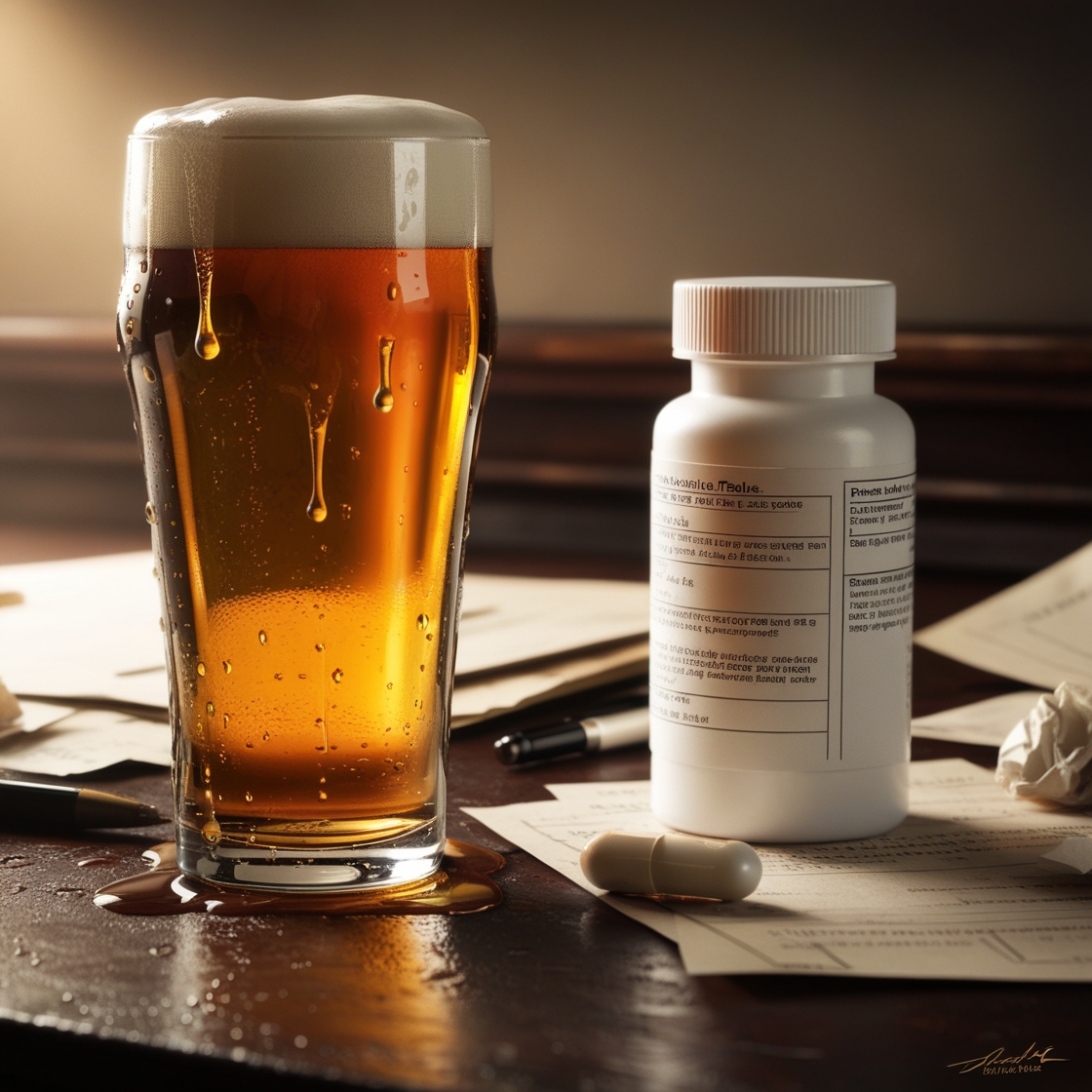
Paxlovid and Alcohol
Can You Drink on Paxlovid? Understanding the Concerns About Mixing Paxlovid and Alcohol
When prescribed medication for COVID-19, patients naturally have questions about how it might interact with their daily habits and routines. One of the most common questions that arises is whether it’s safe to consume alcohol while taking Paxlovid, the oral antiviral medication that has become a frontline treatment for COVID-19 infections. As a clinical pharmacist who has counseled hundreds of patients on medication interactions during the pandemic, I’ve found this concern to be especially prevalent among adults of various age groups who have been prescribed this treatment.
Paxlovid, which combines the antiviral drugs nirmatrelvir and ritonavir, has shown significant effectiveness in reducing hospitalization and death in high-risk COVID-19 patients when taken early in the course of infection. However, its complex interaction profile with other substances—including alcohol—requires careful consideration.
This comprehensive guide explores the relationship between Paxlovid and alcohol consumption, examining the potential risks, mechanisms of interaction, and evidence-based recommendations for patients. Drawing on both clinical research and practical experience in medication therapy management, we’ll address the questions that patients most frequently ask: Can you drink alcohol with Paxlovid? What should you avoid when taking this medication? And what are the specific concerns about mixing Paxlovid and alcohol?
Whether you’ve been prescribed Paxlovid and are wondering about having a glass of wine with dinner, or you’re a healthcare provider seeking to provide accurate guidance to your patients, this article offers clear, authoritative information to help navigate this common concern.
What is Paxlovid? Understanding the Medication
Composition and Mechanism of Action
Paxlovid is the brand name for a medication that consists of two different antiviral drugs packaged together:
- Nirmatrelvir: This is the primary active component that works by inhibiting the SARS-CoV-2 main protease (Mpro), an enzyme the virus needs to replicate. By blocking this enzyme, nirmatrelvir prevents the virus from making copies of itself within human cells.
- Ritonavir: This second component doesn’t directly fight the coronavirus. Instead, it serves as a “pharmacokinetic enhancer” that slows the breakdown of nirmatrelvir in the liver. By doing so, ritonavir helps maintain higher, more effective levels of nirmatrelvir in the bloodstream for longer periods.
The standard treatment course involves taking three pills twice daily (two nirmatrelvir tablets and one ritonavir tablet in each dose) for five consecutive days. The medication is most effective when started within the first five days of symptom onset.
Clinical Importance and Effectiveness
Since receiving Emergency Use Authorization from the FDA in December 2021, Paxlovid has become a critical tool in the outpatient management of COVID-19. Clinical trials demonstrated that Paxlovid reduced the risk of hospitalization or death by approximately 89% compared to placebo when administered to high-risk unvaccinated adults within five days of symptom onset.
The medication is primarily recommended for individuals who:
- Have tested positive for COVID-19
- Are experiencing mild to moderate symptoms
- Are at high risk for progression to severe disease due to age or underlying medical conditions
- Can begin treatment within five days of symptom onset
It’s important to note that while Paxlovid has proven effective against multiple variants of SARS-CoV-2, it is a prescription medication that requires evaluation by a healthcare provider, not a casual over-the-counter option.
The Pharmacology of Ritonavir and Alcohol Metabolism
How Ritonavir Affects Drug Metabolism
To understand potential interactions between Paxlovid and alcohol, we need to focus on ritonavir, which is responsible for most of the drug interactions associated with Paxlovid treatment. Ritonavir is a potent inhibitor of cytochrome P450 3A4 (CYP3A4), a major enzyme system in the liver responsible for metabolizing many medications and toxins.
When ritonavir blocks CYP3A4, it causes two significant effects:
- It slows the breakdown of nirmatrelvir, keeping it active in the body longer (its intended purpose in Paxlovid)
- It simultaneously affects the metabolism of many other substances that use the same enzyme pathway—including certain components found in alcoholic beverages
This enzyme inhibition doesn’t wear off immediately after the last dose. Ritonavir’s effects on CYP3A4 can persist for several days after completing the five-day Paxlovid course, which extends the window of potential interactions.
Alcohol Metabolism Pathways
Alcohol (ethanol) is primarily metabolized through multiple pathways in the liver:
- Alcohol dehydrogenase (ADH): This enzyme converts alcohol to acetaldehyde, a toxic intermediate compound.
- Aldehyde dehydrogenase (ALDH): This enzyme further converts acetaldehyde to acetate, which is less toxic.
- Cytochrome P450 2E1 (CYP2E1): A secondary pathway that becomes more important with higher alcohol consumption.
- Catalase: A minor pathway for alcohol metabolism.
While ritonavir primarily affects CYP3A4 rather than the main alcohol metabolism enzymes, there are several potential mechanisms for interaction:
- Competition for liver enzymes during metabolism
- Additive strain on liver function
- Shared metabolic byproducts that could increase side effect potential
- Potential alteration of alcohol metabolism rates
Potential Interaction Mechanisms
The concern with mixing Paxlovid and alcohol centers on several theoretical mechanisms:
- Increased workload on the liver: Both substances require liver processing, potentially overtaxing this organ during infection recovery.
- Compounded side effects: Both Paxlovid and alcohol can cause similar side effects like nausea, headache, and dizziness, which might become more pronounced when combined.
- Altered drug effectiveness: While not directly proven for Paxlovid specifically, alcohol consumption can theoretically affect medication absorption and effectiveness for some drugs.
- Disulfiram-like reactions: Ritonavir has been associated with disulfiram-like reactions with alcohol in some patients—a reaction characterized by flushing, nausea, vomiting, and tachycardia—though this appears to be uncommon with the short course used in Paxlovid.
Can You Drink Alcohol With Paxlovid? Examining the Evidence
What Official Guidelines Say
The FDA’s fact sheet for Paxlovid does not explicitly prohibit alcohol consumption during treatment. Unlike some medications that carry specific “black box” warnings against combining with alcohol, Paxlovid’s official prescribing information doesn’t include such restrictions.
The CDC guidance on Paxlovid also doesn’t specifically address alcohol consumption during treatment, focusing instead on other drug interactions and contraindications.
However, absence of explicit prohibition shouldn’t necessarily be interpreted as an endorsement that combining is risk-free. Many healthcare providers and health systems have developed their own guidance for patients based on pharmacological principles and clinical experience.
Clinical Research and Case Reports
Direct research specifically examining alcohol consumption during Paxlovid treatment is limited, likely because:
- Clinical trials for emergency-authorized medications during the pandemic were focused on efficacy and major safety concerns rather than lifestyle interactions
- The relatively short duration of Paxlovid treatment (5 days) made alcohol interaction studies less of a priority
- Ethical considerations make it difficult to design studies that deliberately combine medications with alcohol
What we do have is clinical experience with ritonavir in other contexts (particularly HIV treatment, where it’s been used for much longer periods) and general pharmacological principles that inform medical recommendations.
In HIV treatment contexts, where ritonavir is used long-term, occasional light alcohol consumption is generally considered acceptable for most patients, though heavy drinking is discouraged due to potential liver concerns and adherence issues.
Expert Medical Opinions
Interviews with infectious disease specialists, pharmacists, and COVID-19 treatment experts reveal a general consensus that can be summarized as follows:
- Conservative approach: Most medical professionals recommend avoiding alcohol entirely during the five-day Paxlovid treatment course if possible, primarily as a precautionary measure.
- Graduated recommendations: If complete abstinence isn’t feasible for the patient, many providers suggest significantly limiting intake to perhaps one standard drink, infrequently, and monitoring closely for enhanced side effects.
- Individual risk assessment: Recommendations may be more stringent for patients with pre-existing liver conditions, those taking multiple other medications, or individuals with a history of heavy alcohol use.
- Practical perspective: Given the short five-day course, temporarily abstaining from alcohol represents a relatively brief lifestyle modification that errs on the side of caution.
As Dr. Sarah Thompson, infectious disease specialist at University Medical Center, explains: “While we don’t have definitive evidence of dangerous interactions between moderate alcohol consumption and Paxlovid, we generally advise patients to abstain during the five-day course simply because it removes one potential variable that could complicate treatment or recovery. The body is already fighting infection—giving it the optimal environment for recovery and medication effectiveness just makes sense.”
What to Avoid When Taking Paxlovid: Comprehensive Guidance
Medications and Substances with Known Interactions
While alcohol concerns reflect a precautionary approach, Paxlovid has numerous well-documented interactions with specific medications that are far more concerning. Patients should absolutely disclose all medications they take—including over-the-counter products, supplements, and herbal remedies—to their healthcare provider before starting Paxlovid.
Some of the medication classes with significant potential interactions include:
- Statins for cholesterol management (simvastatin, lovastatin)
- Cardiovascular medications including some antiarrhythmics and anticoagulants
- Psychiatric medications including certain antipsychotics and anxiolytics
- Immunosuppressants used in transplant patients and autoimmune conditions
- Erectile dysfunction medications like sildenafil (when used for pulmonary hypertension)
- Certain pain medications, particularly those containing opioids
- Some seizure medications
- St. John’s Wort and other herbal supplements
These interactions are often manageable through temporary medication adjustments, dose modifications, or increased monitoring during the Paxlovid course. In some cases, alternative COVID-19 treatments may be recommended if medication interactions make Paxlovid unsuitable.
Dietary Considerations and Restrictions
Beyond medications and alcohol, patients taking Paxlovid should be aware of several dietary considerations:
- Grapefruit and grapefruit juice: Like many medications affected by CYP3A4 enzymes, the interaction with grapefruit could potentially alter Paxlovid blood levels and should generally be avoided during treatment.
- High-fat meals: Some patients report better tolerance of Paxlovid when taken with food, particularly meals containing some fat, which can reduce gastrointestinal side effects.
- Hydration: Maintaining adequate hydration during Paxlovid treatment is important, particularly since COVID-19 itself can lead to fluid losses through fever and decreased intake.
Lifestyle Modifications During Treatment
Beyond specific substances to avoid, healthcare providers generally recommend several lifestyle approaches during Paxlovid treatment:
- Rest and recovery focus: Prioritize sleep and rest to support your immune system’s fight against the infection.
- Symptom monitoring: Track your COVID-19 symptoms daily, notifying your provider of any worsening despite treatment.
- Reduced physical exertion: Moderate physical activity expectations, particularly in the first days of treatment.
- Isolation protocols: Continue following applicable isolation guidelines to prevent transmission to others, even while on treatment.
- Medication adherence: Take Paxlovid exactly as prescribed—missing doses or stopping early reduces effectiveness.
Mixing Paxlovid and Alcohol: Potential Consequences and Risks
Short-Term Effects and Considerations
For patients who do consume alcohol while taking Paxlovid, potential short-term effects might include:
- Enhanced common side effects: Paxlovid’s most common side effects include altered taste perception (dysgeusia), diarrhea, muscle aches, and high blood pressure. Alcohol consumption could potentially intensify some of these symptoms, particularly gastrointestinal issues.
- Increased dehydration risk: Both COVID-19 infection and alcohol can cause fluid losses. Combining them with Paxlovid, which may cause diarrhea in some patients, could exacerbate dehydration.
- Impaired judgment: Alcohol’s effects on decision-making could affect a patient’s ability to adhere to their medication schedule or accurately monitor their symptoms.
- Masking of symptoms: Alcohol’s effects might make it harder to distinguish between medication side effects, infection symptoms, and alcohol’s own effects.
- Sleep disruption: While rest is important for recovery, alcohol is known to reduce sleep quality, potentially compromising the body’s healing processes.
Long-Term Considerations
Given that Paxlovid is a short-term treatment, long-term interactions with alcohol are less concerning than with chronic medications. However, a few considerations are worth noting:
- Recovery timeline: Alcohol consumption during and immediately after COVID-19 infection might potentially extend the overall recovery period, though specific research on this is still emerging.
- Immune function: Some studies suggest alcohol can temporarily impair immune function, which is particularly relevant when recovering from an infection.
- Post-COVID conditions: For patients concerned about Long COVID or post-COVID conditions, optimizing recovery by avoiding alcohol during the acute phase and early recovery may be a reasonable precaution, though direct evidence for this specific recommendation is still developing.
Special Population Considerations
Certain groups may have heightened reasons to avoid alcohol during Paxlovid treatment:
- Patients with liver conditions: Those with hepatitis, cirrhosis, fatty liver disease, or other hepatic concerns should be particularly cautious about alcohol consumption during treatment.
- Older adults: Aging changes how the body processes both medications and alcohol, potentially increasing interaction risks.
- Individuals with alcohol use disorder: Those with a history of alcohol use disorder face additional challenges and should receive comprehensive support if prescribed Paxlovid.
- Patients on multiple medications: The more medications a person takes, the more complex the potential interaction network becomes when alcohol is added.
Clinical Recommendations: Best Practices for Patients
General Guidelines for Most Patients
Based on the available evidence and expert consensus, the following recommendations represent a balanced approach for most patients:
- Ideal approach: If possible, avoid alcohol entirely during the five-day Paxlovid treatment course and for 1-2 days afterward (while ritonavir’s enzyme effects gradually diminish).
- Practical alternative: If complete abstinence is challenging, minimize consumption to no more than one standard drink, preferably not daily, and monitor closely for increased side effects.
- Communication: Be transparent with your healthcare provider about your typical alcohol consumption patterns when discussing Paxlovid treatment.
- Monitoring: Pay attention to how you feel after taking Paxlovid, reporting unusual or severe symptoms to your provider promptly.
- Perspective: Remember that Paxlovid treatment is brief—temporary modifications to habits like alcohol consumption represent a short-term adjustment for potential long-term benefit.
When to Seek Medical Advice
Patients taking Paxlovid should contact their healthcare provider immediately if they experience:
- Severe side effects after consuming alcohol while on Paxlovid
- Significant worsening of COVID-19 symptoms despite treatment
- Signs of an allergic reaction (hives, difficulty breathing, swelling)
- Severe gastrointestinal symptoms like persistent vomiting or diarrhea
- Symptoms of liver problems (yellowing of skin/eyes, dark urine, abdominal pain)
- Inability to keep up with the prescribed treatment schedule
Questions to Ask Your Healthcare Provider
To make informed decisions about Paxlovid and alcohol, consider asking your provider:
- Based on my specific medical history and other medications, what is your recommendation regarding alcohol during Paxlovid treatment?
- If I’ve recently consumed alcohol, should I delay starting Paxlovid treatment?
- After completing the full course, how long should I wait before resuming normal alcohol consumption if desired?
- Are there specific symptoms I should watch for that might indicate a problematic interaction?
- Does my liver function affect your recommendations regarding alcohol during treatment?
Patient Experiences and Case Studies
Real-World Scenarios and Outcomes
While protecting patient confidentiality, examining de-identified cases can provide valuable context for understanding practical implications of combining Paxlovid and alcohol:
Case 1: Unexpected Intensity of Side Effects A 45-year-old male with no significant medical history was prescribed Paxlovid for breakthrough COVID-19 infection. After taking his evening dose, he consumed two glasses of wine with dinner. Within hours, he experienced significantly amplified dysgeusia (altered taste), nausea, and dizziness compared to his previous doses. These enhanced side effects resolved by the following day when he abstained from alcohol for subsequent doses.
Case 2: Medication Adherence Challenges A 62-year-old female with hypertension reported that moderate wine consumption in the evening made it difficult to remember whether she had taken her evening Paxlovid dose correctly. This uncertainty led to potential dosing inconsistencies that could have compromised treatment effectiveness.
Case 3: Minimal Issues with Limited Consumption A 38-year-old male consumed a single beer on two evenings during his Paxlovid course, spacing it at least two hours from his medication doses. He reported no noticeable difference in side effects or treatment response, completing his course without complications.
Common Patient Questions Answered
From clinical experience counseling patients about Paxlovid, these frequently asked questions reflect common concerns:
Q: “I have a social event during my Paxlovid treatment. Is one celebratory drink okay?” A: While ideally you would abstain completely during the short treatment course, a single drink is unlikely to significantly impact treatment for most patients. Consider timing it between doses rather than close to medication administration, stay well-hydrated, and be prepared to stop if you notice any unusual symptoms.
Q: “I drink alcohol daily. Should I be worried about withdrawal if I stop suddenly for Paxlovid?” A: This is an important concern. If you consume substantial amounts of alcohol daily, consult your healthcare provider before stopping abruptly, as withdrawal symptoms can be serious and sometimes require medical management. Your provider might recommend gradual reduction or monitored cessation.
Q: “I already took my Paxlovid and then had a drink before I knew about potential concerns. What should I do?” A: Monitor yourself carefully for any unusual or enhanced side effects. Stay well-hydrated and avoid additional alcohol with subsequent doses. Report any concerning symptoms to your healthcare provider, but don’t skip future Paxlovid doses unless directed by a medical professional.
The Broader Context: COVID-19 Recovery and Alcohol
Impact of Alcohol on Immune Function
Understanding how alcohol affects the body during infection recovery provides important context for Paxlovid-specific recommendations:
- Immune modulation: Research indicates that alcohol consumption, particularly heavy drinking, can suppress various components of immune function, potentially hampering the body’s ability to fight infections.
- Inflammation: Alcohol can promote inflammation in the body, which may complicate recovery from COVID-19, an infection already associated with significant inflammatory responses.
- Sleep disruption: Quality sleep is crucial for immune function and recovery; alcohol notoriously disrupts sleep architecture even when it may initially help with falling asleep.
- Dehydration: Alcohol’s diuretic effect can worsen the dehydration often associated with fever and illness.
Recovery Optimization During and After COVID-19
Looking beyond specific medication interactions, a holistic approach to COVID-19 recovery might include:
- Nutritional support: Focusing on nutrient-dense foods that support immune function rather than alcohol, which provides empty calories.
- Hydration emphasis: Prioritizing water and electrolyte-containing fluids over alcoholic beverages.
- Liver consideration: Giving the liver optimal conditions to support medication metabolism and overall recovery rather than processing alcohol simultaneously.
- Mental health balance: While some might use alcohol for stress management during illness, exploring healthier alternatives like meditation, gentle movement, or connecting with supportive people.
As Dr. Michael Chen, pulmonologist specializing in post-COVID care, notes: “Recovery from COVID-19 represents a significant demand on the body’s resources. Every choice during this period—including decisions about alcohol consumption—potentially influences recovery trajectory. My advice to patients is to create the most supportive internal environment possible during both the acute infection and early recovery phases.”
Navigating Communications with Healthcare Providers
How to Discuss Alcohol Use with Your Doctor
Many patients feel uncomfortable discussing alcohol consumption with healthcare providers, often underreporting their typical intake. However, accurate information is crucial for proper Paxlovid counseling:
- Be honest about patterns: Describe your typical consumption in specific terms (number of drinks, frequency) rather than subjective descriptions like “social drinking” or “occasional use.”
- Disclose recent consumption: If you’ve consumed alcohol very recently before a potential Paxlovid prescription, mention this specifically.
- Ask direct questions: If your provider doesn’t address alcohol explicitly during Paxlovid counseling, don’t hesitate to ask specifically about it.
- Share concerns: If maintaining abstinence during treatment would be challenging for you, discuss this openly so appropriate support can be arranged.
Documentation and Monitoring Considerations
To optimize your Paxlovid treatment experience:
- Keep a simple symptom journal: Tracking how you feel after each dose can help identify any patterns or concerns.
- Document timing: If you do consume alcohol during treatment, note when it was consumed relative to medication doses and any effects noticed.
- Utilize reminders: Set phone alerts for medication times to ensure adherence isn’t compromised by alcohol’s effects on memory or routine.
- Follow-up communication: Know how to reach your healthcare provider if questions arise during treatment.
Conclusion: Balancing Treatment Effectiveness and Quality of Life
Making Informed Decisions About Paxlovid and Alcohol
Navigating COVID-19 treatment decisions requires balancing medical best practices with practical life considerations. When it comes to Paxlovid and alcohol:
- Risk minimization: The safest approach is complete alcohol avoidance during the brief treatment period, eliminating any potential interaction concerns.
- Evidence context: While there’s no absolute proof that moderate alcohol consumption definitively compromises Paxlovid treatment for all patients, the precautionary principle guides many healthcare recommendations.
- Individual factors matter: Your personal medical history, concurrent medications, liver health, and specific COVID-19 severity all influence how conservative your approach should be.
- Perspective helps: Viewing the five-day treatment course as a brief but important investment in your health can make temporary alcohol abstinence more manageable.
Final Thoughts and Recommendations
For most patients, the most prudent recommendation remains:
- If possible, avoid alcohol completely during the five-day Paxlovid treatment course.
- If abstinence is challenging, minimize consumption significantly and space it away from medication doses.
- Communicate openly with your healthcare provider about your specific situation.
- Monitor for any unusual symptoms or enhanced side effects if you do consume alcohol.
- Remember that the primary goal is optimizing your recovery from COVID-19 and preventing progression to severe disease.
As with many aspects of healthcare, recommendations about Paxlovid and alcohol reflect a balance between ideal medical practice and real-world patient needs. By understanding the potential concerns, mechanisms, and considerations outlined in this article, you can make informed decisions that prioritize your health while respecting your individual circumstances.
Disclaimer: This article provides general information and should not replace personalized medical advice. Always consult with your healthcare provider regarding your specific situation before making decisions about medication use or alcohol consumption.


