
Physical Wellness After Rehab: A Simple Guide
In early recovery, your body starts to send small signals. You sleep a little better. Food has more taste. A short walk feels less heavy.
These signs matter. They are not just nice to have. They are the base for the next stage of recovery. When you protect sleep, eat steady meals, move your body, and work on a healthy weight, you lower stress and cravings.
If you want medical support too, programs that offer medical weight loss for Charlotte patients can sit alongside therapy and peer support under a doctor’s care.
Why Body Health Matters
Substance use can shake up appetite, hormones, digestion, and sleep. When those systems feel off, mood can swing and energy can crash. It becomes harder to keep meetings, stay with therapy, or show up for family and work.
A simple health routine helps. Sleep at a regular time supports memory and self control. Meals with protein, fiber, and water prevent sharp blood sugar drops that can feel like cravings. Light daily movement eases worry and lifts mood. Each habit helps the next habit stick.
You do not need a perfect plan. You need a plan you can repeat on a busy week. Think of it like housework. A little done often beats a lot done once.
Weight and Relapse
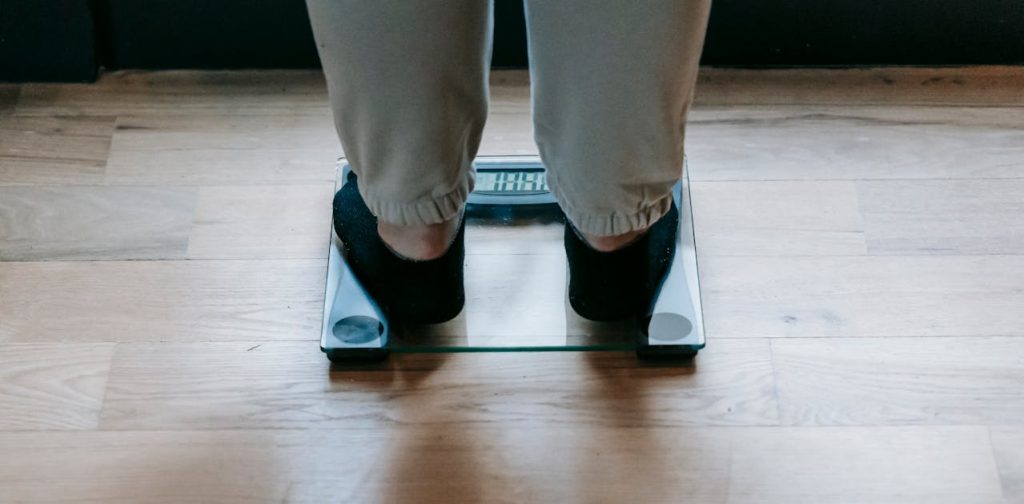
Weight changes are common after detox and early treatment. Some people gain weight because appetite returns and food becomes the new comfort. Others lose muscle because meals are irregular or too low in protein.
Fast changes in either direction can bring fatigue, reflux, joint pain, and low mood. Those symptoms make it harder to attend groups, go for a walk, or follow through on therapy goals. It becomes easy to skip the very things that protect sobriety.
Weight care is not about chasing a perfect number. It is about how your body works each day. A stable, healthy weight can improve sleep, blood pressure, and blood sugar. Better sleep and steadier energy reduce the pressure that often feeds cravings.
If weight is causing stress, asking for structured help is not vanity. It is part of recovery maintenance. It lowers daily friction so you can focus on the parts of life you care about.
Medical Care for Weight
A doctor supervised plan looks for root causes and fits your life. It does not rely on quick fixes. It brings several tools together so your effort pays off.
First, nutrition. Many people do well with three meals and one planned snack most days. Each meal includes protein, produce, and a source of healthy fats. Eating at regular times can calm appetite and support better sleep.
You do not need special products. You need steady patterns that you can follow when life gets busy.
Second, movement. Walking, light cycling, or swimming most days can reduce stress and improve mood. Two or three short strength sessions each week help keep muscle as weight changes. Muscle is helpful because it supports blood sugar control and makes daily life easier.
Third, sleep. A regular sleep window, less caffeine late in the day, and morning light soon after waking help your body clock. Good sleep lowers daytime hunger and helps you think clearly when stress hits.
Fourth, medical options. Some clinics use precision peptide support, such as GLP 1 medicines like semaglutide, when it is appropriate and safe. These medicines can reduce appetite and support steady weight change.
Doctors check for side effects, review labs, and adjust doses. The point is a calm plan you can live with, not a strict diet that fades after a month.
If you also live with high blood pressure, prediabetes, or fatty liver disease, medical guidance is even more helpful. Care teams can watch how changes in food, movement, and sleep show up in your numbers and how you feel. Good plans protect mental health, not just the scale.
Start Safe After Treatment
If you are stepping down from residential or intensive outpatient care, keep month one simple. Think checklists, not perfection. Here is a starter plan you can print and keep on your fridge.
- Eat breakfast within two hours of waking. Include protein and fiber. Examples are eggs with spinach and whole grain toast, or Greek yogurt with berries and oats.
- Take a short walk after two meals. Ten to fifteen minutes is enough. If walking outside is not possible, march in place or climb a few flights of stairs.
- Keep a water bottle nearby. Refill it at least twice. Add lemon or a pinch of salt if plain water is hard to drink.
- Go to bed and get up at the same times every day. A steady sleep window helps your body learn when to power down and when to wake.
- Book a primary care visit to review medicines, blood pressure, and labs. Ask about any symptoms that feel new or worrying.
- If weight is a stress point, ask your doctor if a medical weight plan could help. Bring your recovery plan so your care team can work together.
If you take medicines for alcohol or opioid use disorder, bring a full list of all prescriptions and supplements to every visit. Ask your clinician to check for interactions with any weight related medicine. If you plan to quit nicotine, expect short term weight changes.
Plan for extra protein, more fiber, and a little more movement during that time.
Simple Goals and Tracking
The best goals are clear and boring. They are easy to repeat on a busy day. Here is a basic setup you can shape to your life.
Movement. Aim for two to four strength sessions per week using bodyweight, bands, or light weights. On the other days, walk briskly or ride a bike. Keep rest days, and keep them guilt free. You are training for life, not a contest.
Food. Build a simple plate most of the time. Half vegetables and fruit. One quarter protein. One quarter whole grains or starchy vegetables. Add healthy fats. Repeat this pattern at most meals, and you will not need complicated rules.
Sleep. Set a wind down time and a regular sleep window. Keep screens out of bed. Get a bit of morning light soon after waking. Try to keep your sleep schedule steady on weekends too.
Tracking. Pick two or three numbers for the next eight weeks. Good options include weekly step average, number of strength sessions, hours of sleep, fiber grams per day, protein grams per day, or waist size at the navel.
If you are in a medical weight program, you may also track appetite, side effects, and energy. Share these notes with your care team so changes are based on real data, not mood.
Expect plateaus. They are normal. Change one small thing at a time. Add one more short walk. Move dinner a little earlier. Increase daily fiber. Nudge bedtime earlier by thirty minutes. If progress stalls for several weeks, ask your clinician to check labs and sleep quality again.
Hidden issues like iron deficiency, sleep apnea, or thyroid problems can slow things down and can be treated.

Make Wellness Daily
Recovery is daily work. Body care is daily work. When you treat physical wellness as part of relapse prevention, life gets a little smoother.
You have more energy for meetings, therapy, work, and family. You feel steadier and less reactive. That steadiness lowers the pull of old habits.
You do not need complex rules or a perfect week. You need practice. Keep your plan simple and keep it going. Sleep at regular times. Eat regular meals with protein and fiber. Move most days. If weight adds stress or health risks, consider medical help so you are not guessing.
Think small and steady. A short walk after dinner. A glass of water before coffee. Protein at breakfast. Lights out on time.
These tiny moves carry you through hard days and good days alike. They protect your progress and help life in recovery feel open, active, and worth protecting.