


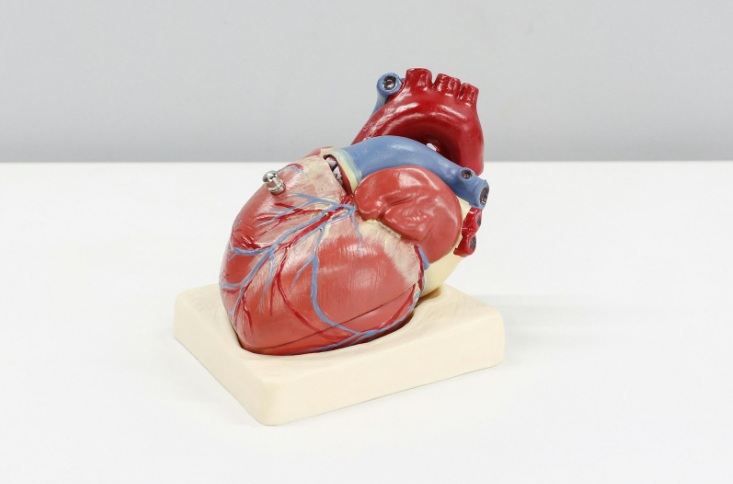
Signs You Might Have a Mitral Valve Condition
The mitral valve controls blood flow between the left atrium and left ventricle of the heart. When it does not function correctly, circulation becomes less efficient, which can lead to a wide range of symptoms. Some cases are mild and only need to be monitored over time, while others eventually require surgery such as mitral valve replacement. Recognising possible warning signs and knowing how they are investigated helps patients seek timely medical advice.
Shortness of Breath
One of the most frequent symptoms of a valve issue is difficulty breathing. Shortness of breath can be experienced during exertion, like climbing stairs, so it is easy to overlook. However, when the problem continues even after or during rest, you need to take note immediately. The reason shortness of breath is a symptom is that the heart has difficulty pumping blood efficiently, which causes the accumulation of fluid in the lungs. Individuals tend to experience a slow deterioration of stamina before they realise that shortness of breath is associated with a heart-related problem.
Unexplained Fatigue
Fatigue that fails to be relieved by rest may indicate that the heart is being overworked. A mitral valve that is leaking or constricted causes the heart to labour more, making it less efficient in pumping blood. Consequently, organs and muscles can get less oxygen, and people feel tired despite having done little. Constant fatigue cannot be ignored, especially when accompanied by other symptoms.
Irregular Heartbeat
Sometimes palpitations, fluttering, or rapid heartbeats can be an indication that the valve is not working correctly. Mitral valve disorders may cause atrial fibrillation, which is an irregular heartbeat that raises the risk of blood clots and stroke. Episodes can be brief (a few seconds) in the initial stages but increase in frequency or persistence with time. It is essential to report such changes to a doctor for proper assessment.
Swelling in Ankles or Feet
Valve disease may lead to fluid retention in the lower limbs when blood flow becomes less efficient. The condition can occur as swelling in the ankles, feet or even the abdomen. Although there are numerous causes of swelling, such as lifestyle or other health issues, chronic oedema and other heart-related symptoms can indicate a cardiac cause.
Chest Discomfort
Even though it is less prevalent than in coronary artery disease, confident individuals with mitral valve problems report pressure, tightness, or chest discomfort. This can occur during exercise or even when at rest. New or unexplained chest symptoms should be evaluated immediately as they may be associated with other severe conditions.
Coughing and Hoarseness
The build-up of the fluid in the lungs sometimes causes a persistent cough, which at times produces sputum of a pink hue. In some instances, the enlarged left atrium may push against the adjacent structures, resulting in hoarseness. These are not specific symptoms of mitral valve disease, but they should be a cause for concern when accompanied by other cardiac symptoms.
Investigations and Diagnostic Tests
To ascertain the association between symptoms and a valve disorder, doctors employ several techniques. The most significant investigation is an echocardiogram, which is a test that uses ultrasound to visualise the structure of the heart and blood flow. Electrocardiograms (ECGs) capture electrical activity and can indicate abnormal rhythms, including atrial fibrillation. Chest X-rays may be used to detect changes in heart size or the presence of fluid in the lungs. More advanced imaging techniques, such as MRI or CT scanning, provide further detail in some cases. Exercise testing can also be employed to assess the change in symptoms with exertion. These tests are collectively used to determine whether monitoring, medication, or surgical intervention is required.
When Surgery Becomes Necessary
Not every valve issue requires surgery straight away. Regular monitoring and medication are used to manage symptoms and prevent complications in many individuals. Nevertheless, when the valve is severely narrowed or leaky, and the symptoms are aggravated or the heart starts to deteriorate, surgery can be considered. Treatment can be achieved by repairing the valve, leaving it intact, or by replacing it with a mechanical or biological valve. It is a personalised decision, which is determined by the outcomes of tests, general health, and the conversations between a patient and specialist teams.
Recognising and Acting on Symptoms
Mitral valve disorders can be accompanied by shortness of breath, fatigue, palpitations, coughing, or chest pain. As these signs may be similar to numerous other health problems, a doctor should examine them to determine the cause. Tests like echocardiograms and ECGs provide clarity and can assist in making treatment decisions. In the worst cases, the mitral valve might need to be replaced or repaired to normalise heart performance. Any person experiencing these symptoms should seek medical consultation immediately, as early diagnosis can help preserve quality of life.


