


The Connection Between Gut Health and Plant-Based Nutrition
You carry trillions of bacteria in your gut. Some are good. Some are bad. The balance between them decides how well you feel each day.
You may notice bloating after meals. Or you may feel low on energy even after a full night’s sleep. That can be a sign your gut needs attention.
Doctors often say that almost 70% of your immune system lives in the gut. So if your gut struggles, the rest of your body struggles too.

How Does Plant Food Help Your Gut?
It is important to know that plants carry fiber. Fiber is food for good bacteria. You do not get that from meat. That is why many people feel lighter when they cut down on an omnivore diet and add more vegetables.
A paper in Nature Microbiology explained how diet can shift the gut microbiome in a matter of days. (The Nature Microbiology journal impact factor is high in the science world, so findings there carry weight.)
What About Fermented Foods For Vegans?
You may wonder if vegans can eat foods that raise good bacteria. The answer is yes.
You can try sauerkraut on salads. Or you can add miso to the soup. Kimchi and tempeh also help. These are well-known fermented foods for vegans. They add probiotics, the live bacteria your gut craves.
Kombucha is another easy one. It is fizzy, a little sweet, and now you can find it in most stores.
Can Supplements Help?
Food comes first. Yet sometimes diet alone is not enough. Stress, antibiotics, or late nights reduce healthy bacteria. That is where extra support can help.
You can look at the Shape Line supplement. It works with a plant-based diet. Many people also use Sunwarrior products when they want clean vegan options.
Do Plants Support Protein And Digestion?
Yes. You should know that plant protein often comes with fiber. That helps digestion.
Animal protein can carry fat that slows things down. Beans, lentils, and peas give you protein plus prebiotics. Prebiotics feed your good bacteria. More food for them means more balance for you.
Studies already show people who eat plant-heavy diets have more diverse bacteria. Diversity in the gut means more strength against illness.
Can Gut Problems Affect Your Mood And Skin?
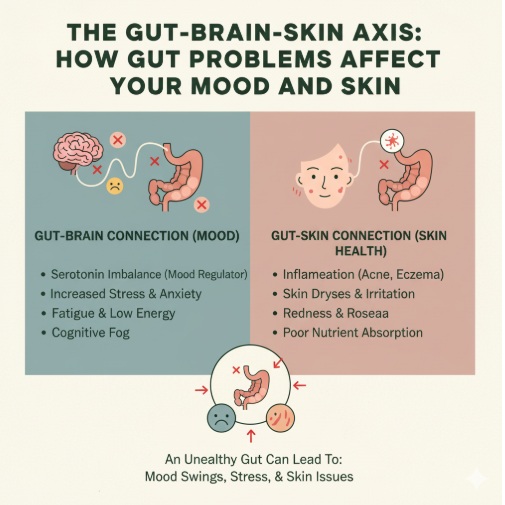
Gut health goes beyond digestion. Doctors link the gut to both skin and mood.
Have you noticed acne after weeks of poor eating? That can be tied to gut imbalance. Around 90% of serotonin, the feel-good hormone, comes from the gut. When the gut is off, mood often goes down.
What Steps Should You Try Today?
You can start simple:
- Eat fruits, vegetables, and whole grains every day.
- Add fermented foods for vegans like kimchi, miso, or sauerkraut.
- Drink enough water.
- Cut back on sugar because it feeds harmful bacteria.
It also helps to avoid antibiotics when you don’t need them. They kill both good and bad bacteria.
How Do You Know It’s Working?
Pay attention to small signs. Do you feel less bloated? Is your energy steady through the day? Are your bathroom trips more regular?
Some people keep a food diary. That helps you see what meals help you feel good and which ones make you uncomfortable. Over time, you notice patterns.
Final Words
Gut health is not about one food. It is about the habits you keep each day. Plants give you fiber and prebiotics. Fermented foods give you probiotics.
Supplements like Shape Line supplement and Sunwarrior can help when life gets in the way.
You may not notice changes overnight. But after a few weeks, many people report better energy, calmer digestion, and even clearer skin.


