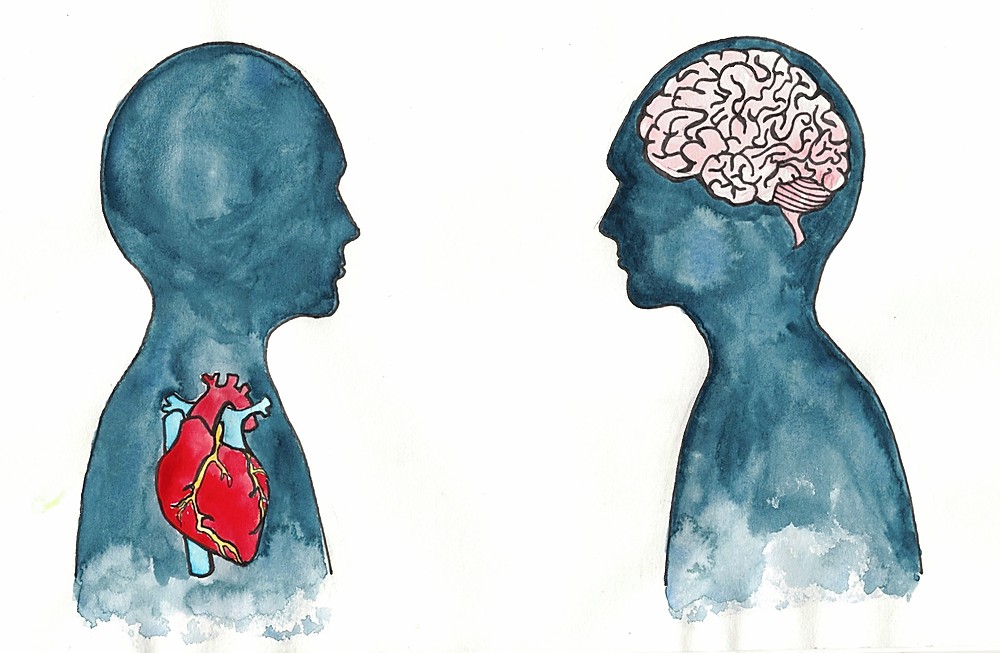
The Connection Between Mental Health and Physical Health
In today’s fast-paced world, the connection between mental health and physical health has become increasingly significant. At The-Recover, based in California, we understand that mental and physical health are not isolated; rather, they are intertwined and mutually influential. This article explores the profound connection between mental and physical well-being, how they impact each other, and the importance of addressing both in a holistic approach to health.
Understanding Mental Health
What is Mental Health?
Mental health refers to our emotional, psychological, and social well-being. It affects how we think, feel, and act, and plays a crucial role in how we handle stress, relate to others, and make decisions. Mental health conditions, such as anxiety, depression, and bipolar disorder, can significantly impair an individual’s quality of life.
The Prevalence of Mental Health Issues
According to the National Institute of Mental Health (NIMH), nearly one in five adults in the U.S. experience mental illness each year. These conditions not only impact individuals but also society at large, contributing to lost productivity, increased healthcare costs, and strained relationships.
Understanding Physical Health
What is Physical Health?
Physical health encompasses the overall condition of the body, including the absence of disease, proper functioning of bodily systems, and maintaining physical fitness. Factors such as nutrition, exercise, sleep, and lifestyle choices play a crucial role in determining one’s physical health in California.
The Impact of Poor Physical Health
Poor physical health can lead to various chronic conditions, including heart disease, diabetes, and obesity. These conditions often require ongoing medical attention and can drastically affect quality of life.
The Interrelationship Between Mental and Physical Health
How Mental Health Affects Physical Health
- Stress and the Body
- Chronic stress can lead to inflammation, which has been linked to various health issues, including cardiovascular disease. Stress triggers the release of cortisol, a hormone that, in excess, can weaken the immune system and increase the risk of illness.
- Lifestyle Choices
- Individuals with mental health issues may engage in unhealthy behaviors, such as poor diet, lack of exercise, and substance abuse. These behaviors can exacerbate physical health problems, creating a vicious cycle.
- Pain and Mental Health
- Chronic pain conditions, such as fibromyalgia or arthritis, often coexist with mental health issues. The experience of persistent pain can lead to anxiety and depression, further complicating treatment and recovery.
How Physical Health Affects Mental Health
- Physical Activity and Mood
- Regular physical activity is proven to boost mood and reduce symptoms of anxiety and depression. Exercise releases endorphins, which are natural mood lifters, and can enhance overall emotional well-being.
- Nutrition and Mental Clarity
- A balanced diet rich in nutrients can support brain health. Omega-3 fatty acids, antioxidants, and vitamins play critical roles in cognitive function and emotional regulation. Conversely, poor nutrition can contribute to mood swings and cognitive decline.
- Sleep Quality
- Quality sleep is essential for both physical and mental health. Sleep deprivation can lead to mood disorders and impair cognitive function, while mental health issues can disrupt sleep patterns, creating a feedback loop.
The Importance of a Holistic Approach to Health
Integrated Treatment Models
At The-Recover, we advocate for integrated treatment models that address both mental and physical health simultaneously. This approach not only improves outcomes for individuals but also promotes overall wellness.
- Therapeutic Practices
- Incorporating therapies such as cognitive-behavioral therapy (CBT) can help individuals address negative thought patterns and behaviors that affect both mental and physical health.
- Mindfulness and Stress Reduction
- Techniques such as mindfulness, meditation, and yoga can reduce stress, improve mental clarity, and enhance physical well-being. These practices encourage a balanced approach to health, fostering resilience against both mental and physical health challenges.
- Nutritional Support
- Providing nutritional counseling as part of mental health treatment can lead to better health outcomes. A diet rich in whole foods can support both physical and mental well-being, providing the body with the necessary nutrients to function optimally.
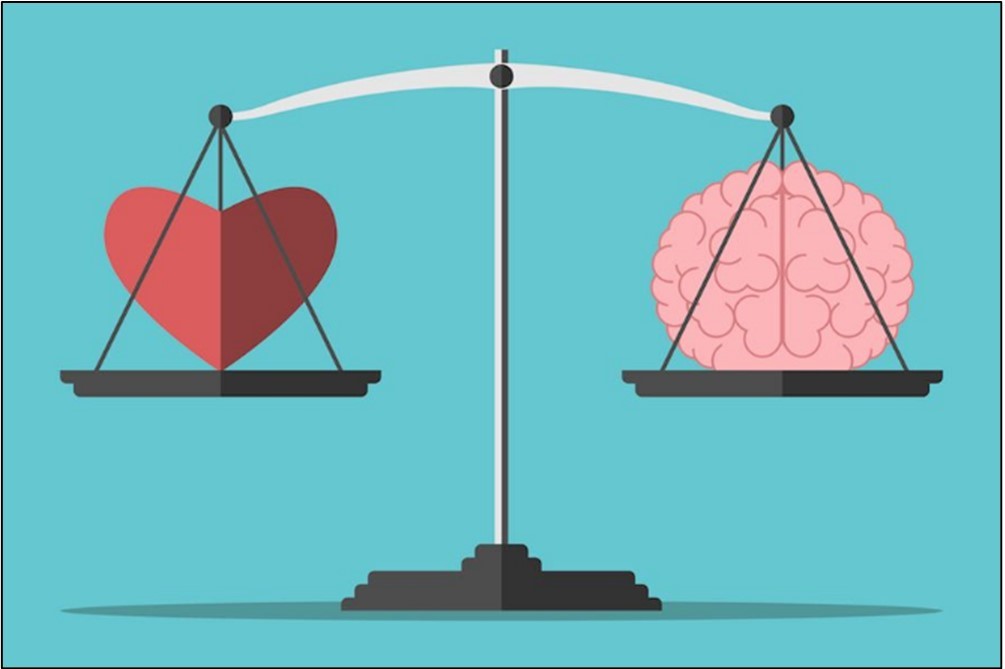
Case Studies and Research Findings
Evidence of the Connection
Numerous studies have highlighted the link between mental and physical health:
- A study published in the American Journal of Psychiatry found that individuals with chronic physical health conditions are more likely to experience mental health disorders, and vice versa.
- Research from the World Health Organization indicates that mental health disorders can increase the risk of physical health problems, leading to higher morbidity and mortality rates.
Success Stories from The-Recover
At The-Recover, we have witnessed many success stories where integrated treatment has led to transformative changes. Clients who participated in holistic programs that addressed both mental and physical health reported improved quality of life, better emotional regulation, and healthier lifestyle choices.
Practical Steps for Improving Mental and Physical Health
Self-Care Strategies
- Regular Exercise
- Aim for at least 150 minutes of moderate aerobic activity each week. Exercise can help reduce symptoms of anxiety and depression while improving physical fitness.
- Balanced Nutrition
- Focus on a diet rich in fruits, vegetables, whole grains, and lean proteins. Avoid processed foods and sugar to enhance mood stability.
- Quality Sleep
- Establish a regular sleep schedule, create a calming bedtime routine, and aim for 7-9 hours of sleep per night to support mental and physical health.
- Mindfulness Practices
- Engage in mindfulness practices such as meditation, deep breathing, or yoga to reduce stress and promote mental clarity.
- Seek Professional Help
- Don’t hesitate to reach out to mental health professionals for support. Integrated programs, like those offered at The-Recover, provide comprehensive care that addresses both mental and physical health needs.
Conclusion
The intricate connection between mental health and physical health cannot be overstated. At The-Recover in California, we emphasize the importance of addressing both aspects of health for a holistic approach to wellness. By recognizing the interplay between mental and physical well-being, we can promote healthier lifestyles and more effective treatment options. Taking proactive steps to improve both mental and physical health is essential for achieving optimal well-being and living a fulfilling life.
If you or someone you know is struggling with mental or physical health issues, reach out to The-Recover for support and guidance. Together, we can navigate the path to a healthier, happier life.