What Causes Persistent Dryness in Both Hair and Scalp Over Time
The sensation of dryness in hair and scalp can be unsettling and frustrating. Many individuals experience this condition, which can lead to a number of issues, including itchiness, flaking, and breakage.
Understanding the various factors that contribute to persistent dryness is necessary for effective management. Let’s explore the possible causes of dryness in both hair and scalp, along with potential solutions to alleviate this common problem.
Improper Hair Care Products
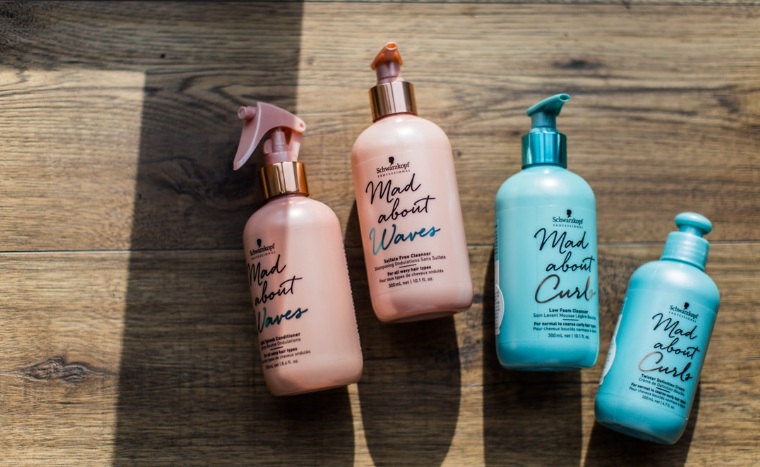
Using the wrong hair care products can negatively affect your scalp and hair health. Many shampoos and conditioners contain drying ingredients like sulfates, parabens, and alcohols that can strip natural oils. To improve a dry scalp coming from improper hair care, use hydrating and sulfate-free products that nourish the scalp. Frequent washing and applying heat can damage the hair cuticle and dry it even more.
Use oils or masks to deeply hydrate and protect your locks and scalp from drying agents in conventional products. Pay attention to how your products interact with your hair and make informed switches when necessary.
Emotional Stress
Emotional stress is a contributing factor to hair and scalp issues, including persistent dryness. Stress causes hormonal imbalances that may affect scalp conditions and hair health. When stressed, the body may neglect hair growth, meaning that the scalp will tend to dryness and thinning.
Stress-induced conditions like telogen effluvium can result in hair loss in addition to dryness. Practicing stress-reduction techniques can have a positive impact on hair and scalp health. Engaging in regular exercise, meditation, or mindfulness strategies can lower cortisol levels and benefit hair vitality. Make time for self-care to obtain significant results for hair and skin health.
Environmental Factors
Extreme weather conditions can strip moisture from hair strands and the scalp. Even exposure to harsh sunlight can lead to dehydration and cause the hair to become brittle and the scalp to lose its natural oils. Air conditioning and indoor heating systems contribute to drying out the air, which can exacerbate issues of dryness and flaking.
The water quality can impact scalp health, too. Hard water with high mineral content can leave residues and reduce moisture. Wear hats or use humidifiers indoors to protect yourself from the elements. Reassess your environment regularly and consider how it might be influencing your hair and scalp.
Dietary Influences
Don’t ignore the importance of a healthy diet either. A lack of essential fatty acids, vitamins, and minerals can manifest as dryness in the scalp. Foods rich in omega-3 fatty acids, such as salmon and walnuts, can promote scalp health by fighting inflammation and improving hydration.
Vitamin E and biotin can maintain hair moisture and strength. A zinc deficiency can lead to scaling and dandruff, exacerbating dryness. Inadequate water consumption can affect moisture levels in your scalp and hair. Having a balanced diet rich in nutrients can improve hair and scalp conditions. Take a moment to evaluate your eating habits and consider introducing supplements or dietary changes that could help alleviate dryness.
Medical Conditions
Persistent dryness in hair and scalp may be linked to underlying medical conditions like eczema, psoriasis, and seborrheic dermatitis. Allergies or sensitivities to certain products can trigger dryness and irritation, too. Understanding your medical history can help identify possible factors contributing to your symptoms. If over-the-counter solutions do not produce the desired results, consulting with a healthcare professional can provide targeted treatments tailored to your needs.
Some individuals might benefit from topical treatments or medicated shampoos that focus on reducing inflammation and hydrating the scalp. Sometimes, scalp dryness can indicate an imbalance that needs addressing through medical guidance.
Poor Hydration Practices
Aside from internal hydration, adopt external moisturizing practices to fight off dryness. For those living in dry climates, using hydrating hair masks and oils on a regular basis can provide necessary moisture. Applying leave-in conditioners or serums can maintain moisture balance throughout the day.
Regular scalp massages using nourishing oils can boost circulation and hydration. Hot showers may feel good, but the heat can strip moisture from the scalp and hair—consider lowering the temperature. Frequent trims can also help mitigate dryness by removing split ends and encouraging healthier hair growth. It’s important to create a hydration routine tailored to your specific needs to address dryness effectively.
Hormonal Changes
Puberty, pregnancy, and menopause all alter hormone levels and affect oil production in the scalp. During menopause, decreased estrogen levels can result in thinning hair and a drier scalp. Hormonal imbalances caused by polycystic ovary syndrome (PCOS) can contribute to dryness and other issues.
To manage hormone-related dryness, consult with a healthcare provider for appropriate evaluations and treatments. Incorporating hormone-balancing foods into your diet and managing stress promotes healthy hormonal levels. Staying informed about your body’s cycles can empower you to make better decisions regarding your hair and scalp care.
Infrequent Trimming
Split ends and damaged hair shafts can worsen the appearance of dryness and unmanageability. Hair requires regular maintenance to prevent breakage, which can accumulate if neglected. A trim every six to eight weeks can keep hair looking fresh and healthy and eliminate damage.
The appearance of split ends can contribute to the perception of dryness. Regularly trimming hair boosts its look and aids in resilience against environmental stressors. Individuals should embrace a personalized haircare routine that emphasizes gentle handling and care to reduce potential damage. Developing these habits will maintain beautiful, hydrated hair.
Improper Hair Styling Techniques
How you style your hair may be the culprit behind scalp dryness. Over-styling with heat tools can strip away natural oils. Aggressive brushing and tying hair too tightly can weaken strands and create friction that leads to dryness. Using heat protectants, gentle brushes, and loose hairstyles can preserve hair moisture.
Avoid chemical treatments that can compromise hair health when combined with high heat styling. Embracing a more natural look or reduced styling frequency can restore moisture balance in the long run. Learning about protective hairstyles may reduce stress on the hair and encourage health.
Dryness in hair and scalp can stem from various causes, each requiring specific interventions to restore health. Understanding the elements contributing to this dryness can empower you to make informed choices regarding your care.
When you adopt a well-rounded approach involving responsible product selection, dietary adjustments, and lifestyle modifications, you can effectively enhance the condition of both your hair and scalp.