What Toxins Are Released After Massage?
Do Toxins Get Released After Massage? A Deep Dive
Massage therapy has long been revered for its ability to relax the body, alleviate pain, and promote overall well-being. However, one common belief associated with massage is that it helps release toxins stored in the body. But what does this really mean? Are toxins actually released after a massage, and if so, what kinds of toxins are we talking about? This article aims to explore these questions, debunk common myths, and provide a clear understanding of what happens to toxins in your body after a massage.
Understanding Toxins
Definition of Toxins
Toxins are harmful substances that can negatively affect your health. They can be external, like pollutants and chemicals from the environment, or internal, such as metabolic waste products generated by your body’s natural processes.
Sources of Toxins in the Body
The body is exposed to toxins from various sources, including the air we breathe, the food we eat, and the water we drink. Additionally, the body produces its own toxins as byproducts of normal metabolic functions.
Common Myths About Toxins
There’s a lot of misinformation out there regarding toxins. One prevalent myth is that our bodies are heavily burdened with toxins that can only be removed through specific detox practices. In reality, the body is well-equipped with organs like the liver and kidneys that work tirelessly to eliminate toxins.
How Massage Works
Basic Principles of Massage Therapy
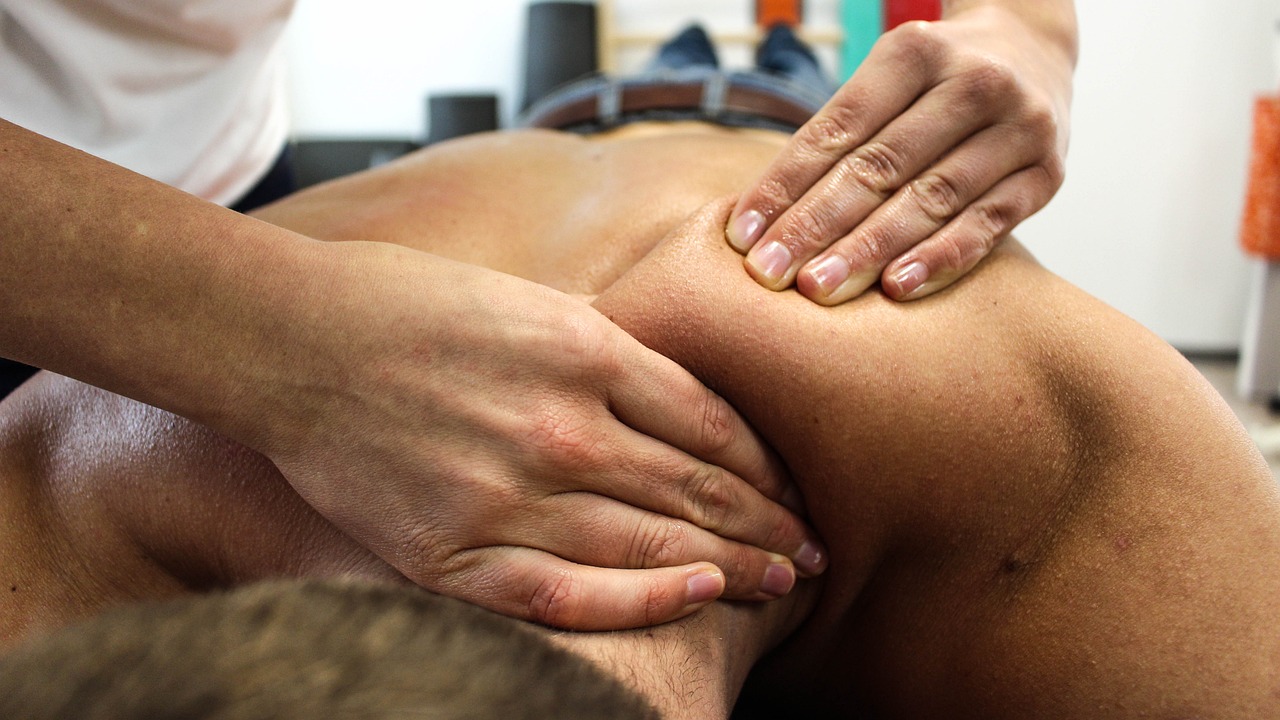
Massage therapy involves the manipulation of soft tissues in the body, including muscles, tendons, and ligaments. Through various techniques, massage therapists aim to relieve tension, reduce pain, and improve circulation.
Physiological Effects of Massage on the Body
Massage promotes increased blood flow, which in turn supports the delivery of oxygen and nutrients to tissues. It also stimulates the nervous system, helping to alleviate stress and promote relaxation.
The Role of the Lymphatic System
The lymphatic system plays a critical role in detoxification. It’s a network of tissues and organs that help rid the body of toxins, waste, and other unwanted materials. Massage can stimulate the lymphatic system, potentially aiding in the movement of lymph fluid and waste products.
The Connection Between Massage and Toxins
How Massage Stimulates the Body
Massage techniques like kneading, pressing, and stretching not only work on muscles but also stimulate the movement of fluids within the body. This can lead to an increased circulation of blood and lymphatic fluid, which is often associated with toxin release.
Misconceptions About Toxin Release
The idea that massage releases toxins into the bloodstream, causing temporary discomfort, is a common misconception. While massage does stimulate circulation and lymphatic flow, it doesn’t suddenly dump a large amount of toxins into your system.
Scientific Evidence and Studies
There is limited scientific evidence supporting the notion that massage significantly increases the release of toxins. Most studies suggest that the benefits of massage are more related to improved circulation, muscle relaxation, and stress reduction.
Types of Toxins Potentially Released After Massage
Environmental Toxins
These include pollutants, chemicals, and other harmful substances from the environment. While your body is exposed to these toxins daily, a massage might help to improve circulation, which could assist in their elimination.
Metabolic Waste Products
During normal metabolic processes, your body produces waste products like carbon dioxide, urea, and lactic acid. Massage may help in the removal of these byproducts by enhancing circulation and lymphatic drainage.
Lactic Acid and Its Role in Muscle Soreness
Lactic acid is often associated with muscle soreness after intense physical activity. Massage can help to reduce lactic acid buildup, which may alleviate post-exercise discomfort.
The Role of the Lymphatic System
How the Lymphatic System Processes Toxins
The lymphatic system collects waste products and toxins from tissues and transports them to the lymph nodes, where they are filtered out and eventually excreted from the body.
The Impact of Massage on Lymphatic Drainage
Lymphatic drainage massage is a specialized technique aimed at enhancing the flow of lymph fluid. This can support the body’s natural detoxification process by helping to clear waste products more efficiently.
Benefits of Enhancing Lymphatic Flow Through Massage
By promoting lymphatic flow, massage can help reduce swelling, improve immune function, and enhance overall detoxification, leaving you feeling rejuvenated.
Detoxification Myths and Facts
Common Detox Myths Related to Massage
One common myth is that a massage causes a sudden release of toxins, leading to symptoms like headaches or fatigue. In reality, these symptoms are more likely due to dehydration or overstimulation rather than toxin release.
What Really Happens During a Detox
During a detox, the body works to eliminate toxins through natural processes like sweating, urination, and defecation. Massage can support these processes but isn’t a cure-all for toxin removal.
The Role of Hydration and Diet in Toxin Elimination
Staying hydrated and maintaining a healthy diet are crucial for effective detoxification. Water helps to flush out toxins, while a balanced diet provides the nutrients needed for optimal liver and kidney function.
Symptoms of Toxin Release
Common Post-Massage Symptoms
Some people may experience symptoms like headaches, fatigue, or muscle soreness after a massage. These are usually mild and temporary, often linked to the body’s natural response to the stimulation rather than toxin release.
Why Some People Feel Fatigued or Unwell
Fatigue or feeling unwell after a massage could be due to a variety of factors, including dehydration, emotional release, or the body’s adjustment to the massage’s effects.
The Role of Hydration in Minimizing Symptoms
Drinking plenty of water after a massage can help minimize any discomfort by aiding the kidneys in filtering out any byproducts of increased circulation and lymphatic activity.
Post-Massage Care
Importance of Hydration After a Massage
Staying well-hydrated after a massage is crucial. Water supports the kidneys in filtering and eliminating waste products more effectively, reducing the risk of post-massage symptoms.
Recommended Practices for Toxin Elimination
In addition to drinking water, gentle exercise, adequate rest, and maintaining a healthy diet can support your body’s natural detoxification processes after a massage.
How to Support Your Body’s Natural Detox Process
Regular physical activity, proper nutrition, and sufficient sleep are key to supporting your body’s detoxification system. Incorporating regular massages can also contribute to overall well-being.
Choosing a Qualified Massage Therapist
When it comes to massage therapy, it’s essential to choose a qualified and experienced therapist. A professional massage therapist understands the body’s anatomy and can tailor the massage to your specific needs, ensuring that it’s both effective and safe.
How Professional Care Ensures Effective Toxin Management
A trained massage therapist knows how to stimulate the lymphatic system and promote circulation without overloading your body. This helps manage the release and elimination of any potential toxins in a controlled manner, reducing the risk of discomfort.
The Risks of Untrained Massage Practices
Getting a massage from someone without proper training can lead to adverse effects, such as bruising, muscle strain, or even increased toxin buildup due to improper techniques. Always ensure your therapist is certified and experienced.
Massage Techniques and Toxin Release
Deep Tissue Massage
Deep tissue massage targets the deeper layers of muscle and connective tissue. It’s often used to treat chronic pain and stiffness. This technique can help release muscle knots and improve circulation, potentially aiding in the elimination of metabolic waste.
Swedish Massage
Swedish massage is one of the most popular techniques, focusing on relaxation and gentle manipulation of the muscles. It promotes overall well-being by enhancing circulation and lymphatic flow, supporting the body’s natural detoxification processes.
Lymphatic Drainage Massage
Lymphatic drainage massage is specifically designed to stimulate the lymphatic system. This technique helps reduce swelling, improve immune function, and enhance the removal of toxins and waste from the body.
Who Should Be Cautious About Massage Toxin Release?
Individuals with Certain Medical Conditions
People with specific health conditions, such as kidney disease, heart problems, or certain types of cancer, should consult with a healthcare provider before undergoing massage therapy. The release of toxins could place additional strain on the body.
Pregnant Women
While massage can be beneficial during pregnancy, certain techniques may not be suitable. Pregnant women should seek out a therapist who is experienced in prenatal massage to ensure both mother and baby’s safety.
Elderly and Children
Older adults and children may have more sensitive systems that could react differently to massage. It’s important to choose a therapist who has experience working with these populations and can adjust the massage accordingly.
The Benefits of Regular Massage
Long-Term Health Benefits
Regular massage therapy offers numerous long-term benefits, including improved circulation, reduced stress levels, enhanced immune function, and better management of chronic pain. Over time, these benefits contribute to overall health and well-being.
Preventative Care for Toxin Build-Up
By promoting regular circulation and lymphatic drainage, consistent massage therapy can help prevent the buildup of toxins in the body. This proactive approach supports long-term detoxification and overall health.
Mental and Emotional Well-Being
Beyond the physical benefits, massage therapy also supports mental and emotional well-being. The relaxation and stress relief that comes with regular massages can improve mood, reduce anxiety, and enhance overall quality of life.
Conclusion
In summary, while massage therapy does stimulate the body and can support the elimination of toxins, the idea that massages release large amounts of harmful substances that must be flushed out is largely a myth. The body’s natural detoxification systems, such as the liver and kidneys, are highly efficient at managing toxins. Massage therapy, particularly when done by a professional, can enhance circulation, support lymphatic flow, and contribute to overall well-being, but it should be seen as a complementary practice rather than a primary detoxification method.
If you’re considering massage therapy as part of your wellness routine, it’s essential to choose a qualified therapist and follow proper post-massage care, such as staying hydrated, to maximize the benefits and minimize any discomfort.
Frequently Asked Questions (FAQs)
1. Do massages really release toxins?
Massages can stimulate circulation and the lymphatic system, which may aid in the elimination of metabolic waste products, but the idea of a significant release of toxins is more myth than fact.
2. How can I minimize post-massage discomfort?
To minimize discomfort after a massage, drink plenty of water, get adequate rest, and consider gentle stretching or light activity to help your body adjust.
3. What should I drink after a massage?
Water is the best choice to drink after a massage. It helps keep your body hydrated and supports the kidneys in filtering out any waste products.
4. Are certain types of massages better for detoxification?
Lymphatic drainage massage is specifically designed to enhance the flow of lymphatic fluid, which may support detoxification more effectively than other types of massage.
5. Can massage replace other detox methods?
Massage should not replace other detox methods but can be a beneficial addition to a healthy lifestyle that includes proper nutrition, hydration, and regular physical activity.