How Long Does Meth Stay in Your System?
Methamphetamine, commonly known as meth, is a highly addictive stimulant that affects the central nervous system. With its profound impact on both the body and brain, meth use can lead to serious physical, psychological, and social consequences. One of the most common concerns for individuals seeking to quit meth or those involved in legal matters is how long meth stays in the system. This article, brought to you by The-Recover based in California, aims to provide a detailed explanation of meth’s duration in the body, factors affecting its elimination, and the testing methods used to detect it.
What Is Methamphetamine?
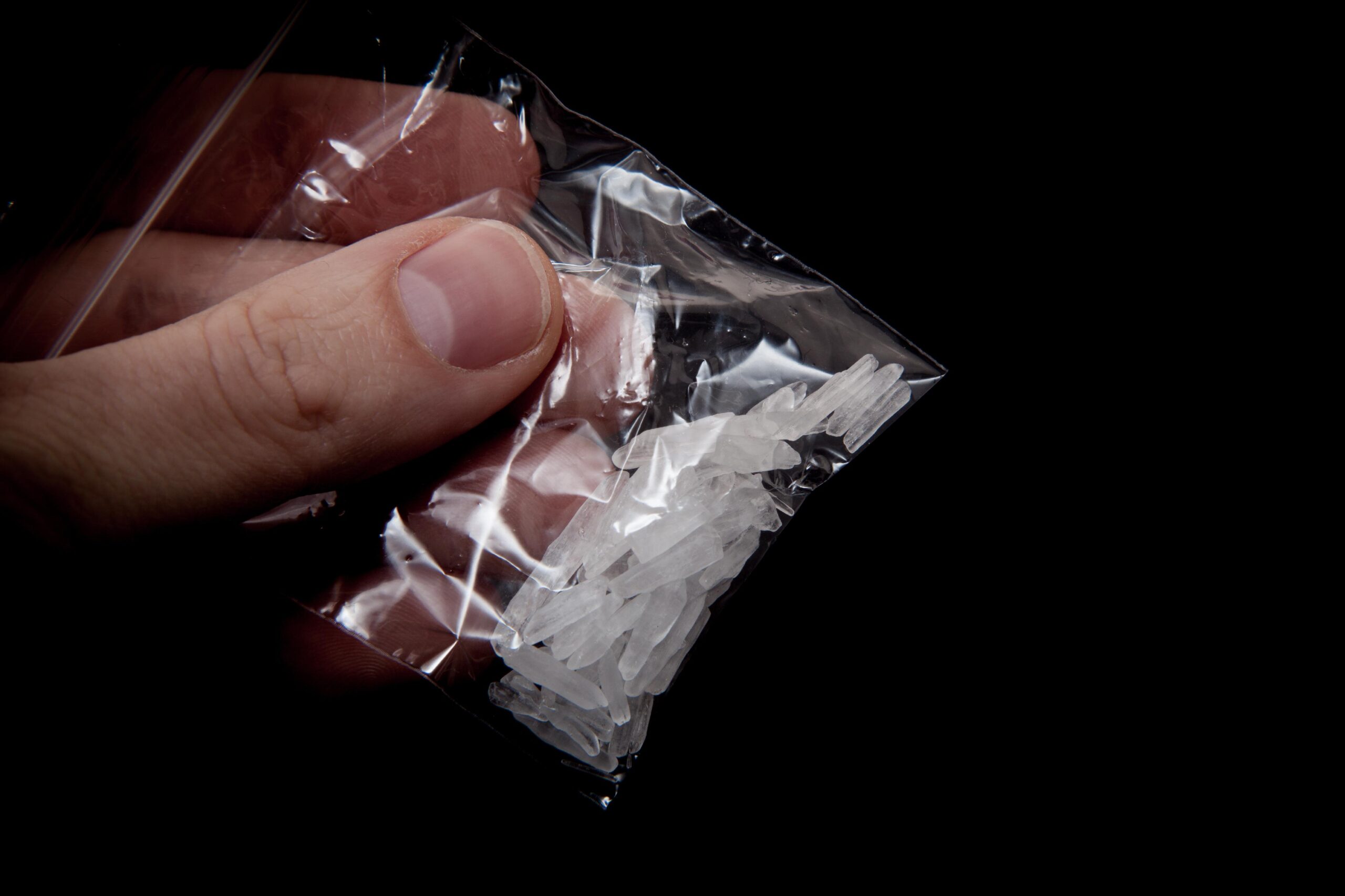
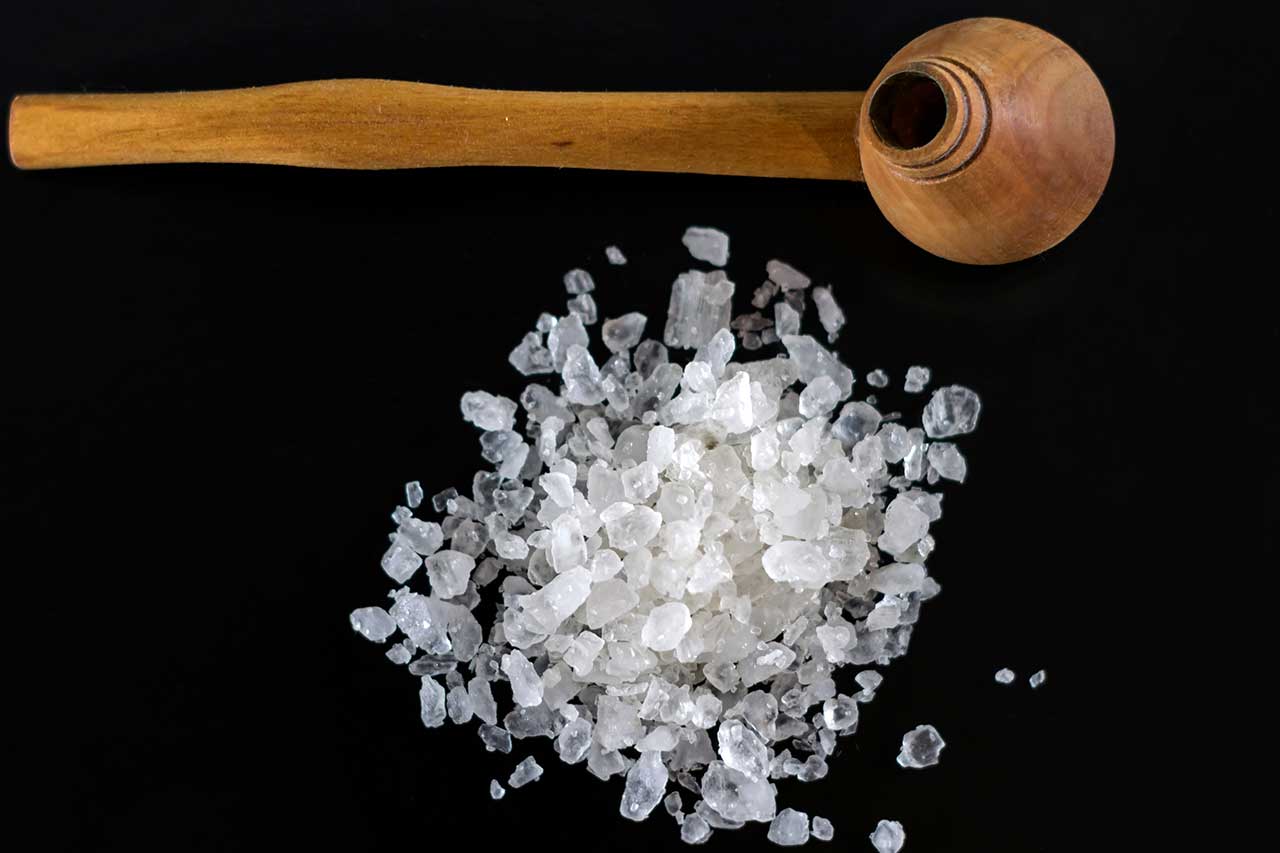
Methamphetamine, also known as crystal meth, is a potent and illegal drug that produces intense feelings of euphoria and energy. It comes in various forms such as powder or crystals, and users typically consume it by smoking, injecting, snorting, or ingesting the substance. Meth is known for its powerful effects, which can lead to addiction quickly, even after just a few uses.
Understanding meth’s duration in the system is crucial for those recovering from meth addiction. The-Recover in California is committed to helping individuals overcome their struggles with meth addiction, offering professional treatment and resources to those in need.
Meth in the Body: What Happens After You Use It?
When meth enters the body, it causes an intense release of dopamine, a chemical associated with pleasure and reward. This rush of dopamine is what leads to the euphoric “high” that users experience. However, meth’s stimulating effects come with severe side effects such as increased heart rate, high blood pressure, and damage to the nervous system.
Once meth is introduced into the bloodstream, it’s metabolized by the liver and broken down into amphetamine and other compounds. These metabolites can linger in the body for varying lengths of time, depending on several factors.
How Meth Affects Different Systems
- Brain: Meth can alter brain function, leading to cognitive deficits, memory loss, and emotional instability.
- Cardiovascular System: Meth increases heart rate and blood pressure, putting users at risk of heart attack, stroke, and other cardiovascular issues.
- Respiratory System: Smoking meth can lead to lung damage, while intravenous use increases the risk of infection.
- Immune System: Prolonged meth use weakens the immune system, making users more susceptible to infections.
The-Recover based in California offers comprehensive treatment programs that address the long-term effects of meth use on the body and mind. Whether it’s detoxification or therapy, our team is dedicated to helping individuals through each step of recovery.
Factors That Influence How Long Meth Stays in Your System
The time meth stays in the body varies from person to person, and several factors influence this duration. Understanding these factors can provide more clarity on why meth may stay longer in some individuals than others.
1. Dosage and Frequency of Use
- Higher Doses: The more meth an individual consumes, the longer it will take for the body to metabolize and eliminate it.
- Chronic Use: Frequent meth users may find that the drug builds up in their system over time, leading to longer detection periods.
2. Metabolism Rate
- People with faster metabolism rates will process and eliminate meth more quickly than those with slower metabolic systems.
- Factors such as age, weight, and overall health can influence how quickly meth is broken down in the body.
3. Method of Use
- Smoking or Injecting Meth: Meth enters the bloodstream almost immediately when smoked or injected, leading to a rapid and intense high.
- Snorting or Ingesting Meth: When snorted or swallowed, meth takes longer to take effect, but it can also stay in the system longer.
4. Overall Health and Hydration Levels
- Liver and kidney function play crucial roles in metabolizing and eliminating meth from the body. Individuals with impaired liver or kidney function may experience slower meth clearance times.
- Staying hydrated helps the body eliminate meth more efficiently through urine.
5. Polydrug Use
- Using meth alongside other substances can complicate its metabolism and elimination. For example, alcohol can slow down meth elimination, leading to prolonged effects and longer detection times.
At The-Recover in California, we understand that each person’s journey with meth addiction is unique. That’s why we offer personalized treatment plans that take into account the individual’s health, drug use history, and recovery needs.
Meth Detection Times: How Long Does Meth Stay in the System?
Different drug tests detect methamphetamine in the body for varying periods of time, depending on the type of test used. Here’s a breakdown of the common testing methods and how long meth can be detected in the body.
1. Urine Test
- Detection Window: 3 to 7 days after the last use.
- Urine tests are the most common method for detecting meth, particularly in workplace and legal settings. Meth and its metabolites are excreted through the urine, making it a reliable testing option.
2. Blood Test
- Detection Window: Up to 72 hours after the last use.
- Blood tests are less common due to their invasive nature but are highly accurate for detecting meth in the system. However, meth clears the bloodstream relatively quickly.
3. Saliva Test
- Detection Window: 1 to 4 days after the last use.
- Saliva tests offer a less invasive option for meth detection, though they have a shorter detection window compared to urine and hair tests.
4. Hair Test
- Detection Window: Up to 90 days after the last use.
- Hair tests can detect meth use over a longer period, making it useful for identifying chronic or long-term meth use. However, it’s not typically used for recent use detection.
Understanding these detection times is important for individuals who are undergoing testing for legal, medical, or employment reasons. The-Recover, based in California, provides guidance and support to individuals undergoing drug tests, ensuring they have the resources and information needed to navigate their recovery journey.
The Half-Life of Meth: How Long Does It Take to Leave the Body?
Meth has a half-life of approximately 10 to 12 hours, meaning that half of the drug is eliminated from the body in this time frame. After one half-life, 50% of the drug remains in the body, and after two half-lives, 25% remains, and so on.
Given this, meth can take up to four days to be fully eliminated from the system, though metabolites may still be detectable through certain tests beyond this period.
The Long-Term Effects of Meth Use
Meth use not only affects the body in the short term but also leads to long-lasting damage. Chronic meth use can lead to numerous long-term health problems, including:
- Cognitive Decline: Prolonged meth use can cause memory problems, reduced attention span, and difficulty with decision-making.
- Dental Issues (“Meth Mouth”): Meth users often suffer from severe dental decay and gum disease, commonly known as “meth mouth.”
- Skin Sores: Meth users may develop sores on their skin, often due to excessive scratching, known as “meth mites.”
- Mental Health Disorders: Meth addiction is often associated with anxiety, depression, and paranoia. In some cases, meth can induce psychosis, characterized by hallucinations and delusional thinking.
At The-Recover in California, we emphasize the importance of addressing both the physical and psychological aspects of meth addiction. Our holistic treatment programs incorporate therapy, medical care, and support to help individuals achieve lasting recovery.
Treatment Options for Meth Addiction
Recovering from meth addiction requires professional intervention and a comprehensive treatment plan. Here are some of the treatment options offered at The-Recover in California:
1. Detoxification
- The first step in recovery is detox, where the body clears itself of meth. Medical supervision during detox is crucial as withdrawal symptoms can be severe, including fatigue, depression, and intense cravings.
2. Inpatient Rehab
- Inpatient treatment programs provide a structured and supportive environment for individuals to focus on their recovery. At The-Recover, our inpatient programs include therapy, counseling, and medical care.
3. Outpatient Rehab
- For those with milder addictions or who need to maintain work or family responsibilities, outpatient rehab offers flexibility while still providing access to professional treatment and support.
4. Behavioral Therapy
- Cognitive-behavioral therapy (CBT) and other forms of counseling are essential in helping individuals change the thoughts and behaviors associated with meth use.
5. Support Groups
- Peer support through group therapy or 12-step programs can provide invaluable encouragement and accountability for those in recovery.
The-Recover in California is committed to helping individuals break free from meth addiction. Our team of experts provides personalized treatment plans tailored to each person’s unique needs and challenges.
FAQ Section: How Long Does Meth Stay in Your System?
1. How long does meth stay in your urine?
Meth can typically be detected in urine for 3 to 7 days after the last use, depending on various factors such as dosage and frequency of use.
2. How long does meth stay in your blood?
Meth can be detected in the blood for up to 72 hours after the last use. Blood tests are less common but highly accurate.
3. Can meth be detected in saliva?
Yes, meth can be detected in saliva for 1 to 4 days after use, making saliva tests a less invasive option.
4. How long does meth stay in your hair?
Meth can remain detectable in hair follicles for up to 90 days after the last use, making hair tests effective for identifying long-term use.
5. What factors affect how long meth stays in your system?
Factors include dosage, frequency of use, metabolism rate, method of use, overall health, and hydration levels.
6. What is the half-life of meth?
The half-life of meth is approximately 10 to 12 hours, meaning that it takes this time for half of the drug to be eliminated from the body.
7. What are the withdrawal symptoms from meth?
Withdrawal symptoms can include fatigue, depression, anxiety, and intense cravings, often leading to a challenging recovery process.
8. Can I speed up the elimination of meth from my system?
While staying hydrated and maintaining a healthy lifestyle can support your body’s natural detoxification processes, there’s no guaranteed way to speed up meth elimination significantly.
9. Is treatment available for meth addiction?
Yes, The-Recover in California offers various treatment options for meth addiction, including detox, inpatient and outpatient rehab, and behavioral therapy.
10. How can I get help for meth addiction?
If you or someone you know is struggling with meth addiction, contact The-Recover in California for personalized treatment options and support.
Conclusion: Start Your Journey to Recovery Today
Methamphetamine has devastating effects on the body and mind, but recovery is possible with the right support. Knowing how long meth stays in your system is important for understanding its impact and navigating the challenges of detox and recovery.
At The-Recover, based in California, we offer comprehensive meth addiction treatment services, from detox to ongoing support. If you or a loved one is struggling with meth addiction, reach out today to start your journey toward a healthier, drug-free life.
For more information about meth addiction recovery or to get started on your treatment plan, contact The-Recover in California today. Let us help you take the first step toward lasting recovery.