


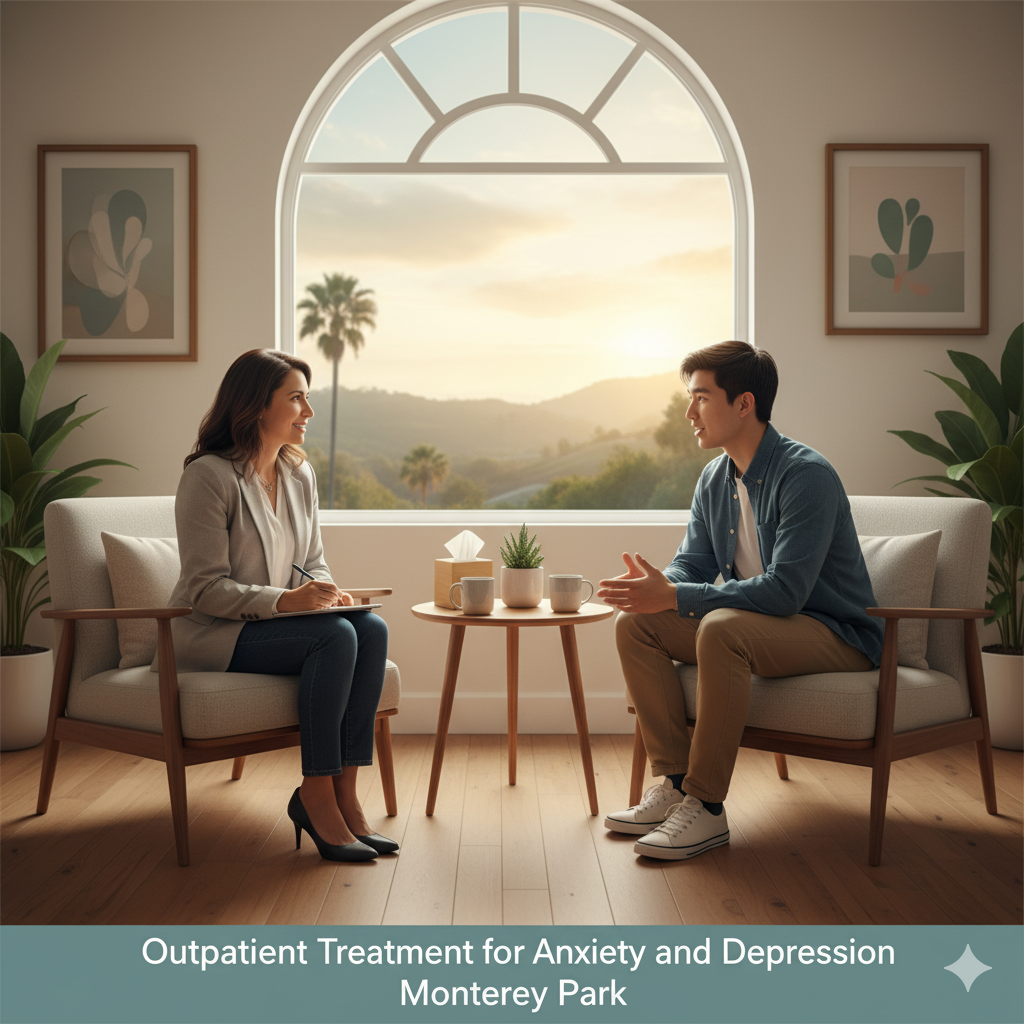
IOP for Anxiety and Depression Monterey Park, CA
Outpatient Treatment for Anxiety and Depression in Monterey Park: Your Complete Guide to Recovery
When anxiety and depression begin interfering with your daily life, finding the right treatment becomes paramount. For residents of Monterey Park and surrounding communities, outpatient treatment programs offer a balanced approach that allows you to receive professional mental health care while maintaining your work, school, and family responsibilities. As someone who has spent decades working in addiction and mental health treatment, I’ve witnessed firsthand how effective outpatient programs can transform lives when individuals receive the right level of care at the right time.
Understanding Outpatient Mental Health Treatment
Outpatient treatment for anxiety and depression represents a flexible yet structured approach to mental health care that doesn’t require overnight stays at a treatment facility. Unlike inpatient programs where you live at the treatment center, outpatient care allows you to return home each day while participating in scheduled therapy sessions, group meetings, and other therapeutic activities.
The beauty of outpatient treatment lies in its adaptability. Whether you’re a working professional experiencing anxiety attacks during presentations, a college student struggling with depression, or a parent trying to manage both conditions while caring for your family, outpatient programs can be tailored to fit your unique circumstances and schedule.
In Monterey Park, outpatient mental health services have evolved significantly over the past decade. Treatment centers now offer evidence-based therapies, holistic approaches, and specialized programs that address the diverse needs of our community. The goal isn’t just symptom management – it’s helping you develop the tools and strategies necessary for long-term mental wellness.
Types of Outpatient Programs Available
Intensive Outpatient Programs (IOP) for Anxiety and Depression
Intensive Outpatient Programs represent the most structured form of outpatient care, typically involving 9-15 hours of treatment per week spread across multiple days. An Intensive Outpatient Program (IOP) for anxiety and depression Monterey Park provides comprehensive care that bridges the gap between inpatient treatment and traditional weekly therapy.
IOP programs typically include:
- Individual therapy sessions with licensed mental health professionals
- Group therapy focusing on anxiety and depression management
- Psychoeducation about mental health conditions and coping strategies
- Skills training for stress management and emotional regulation
- Family involvement and support when appropriate
For young adults struggling with mental health challenges, a Monterey Park mental health outpatient program for young adults offers age-appropriate treatment that addresses the unique pressures and transitions this demographic faces. These programs often incorporate technology, peer support, and career/academic planning into the treatment framework.
Partial Hospitalization Programs (PHP)
Partial Hospitalization Program (PHP) Monterey Park mental health services provide the most intensive level of outpatient care, typically requiring attendance 5-6 days per week for 6-8 hours daily. PHP programs are ideal for individuals who need significant structure and support but don’t require 24-hour medical supervision.
PHP programs excel at treating individuals with:
- Severe anxiety disorders that significantly impair daily functioning
- Major depressive episodes requiring intensive intervention
- Co-occurring mental health conditions
- History of psychiatric hospitalizations who need step-down care
Traditional Outpatient Therapy
For individuals with mild to moderate symptoms, traditional outpatient therapy involves weekly or bi-weekly individual sessions with a licensed therapist. This format works well for maintenance care, early intervention, or as a step-down from more intensive programs.
Evidence-Based Treatment Approaches
Cognitive Behavioral Therapy (CBT)
Cognitive Behavioral Therapy (CBT) for anxiety Monterey Park has become the gold standard for treating both anxiety and depression. CBT operates on the principle that our thoughts, feelings, and behaviors are interconnected, and by changing negative thought patterns, we can improve our emotional well-being and behavioral responses.
In my experience working with anxiety and depression, CBT has proven remarkably effective because it provides concrete tools that individuals can use in real-world situations. During CBT sessions, you’ll learn to identify cognitive distortions, challenge negative thoughts, and develop healthier thinking patterns that reduce anxiety and depressive symptoms.
Dialectical Behavior Therapy (DBT)
DBT (Dialectical Behavior Therapy) for anxiety and depression Monterey Park combines cognitive-behavioral techniques with mindfulness practices and distress tolerance skills. Originally developed for borderline personality disorder, DBT has proven highly effective for individuals with anxiety and depression, particularly those who struggle with emotional regulation.
DBT teaches four core skills modules:
- Mindfulness: Being present in the moment without judgment
- Distress Tolerance: Managing crisis situations without making them worse
- Emotion Regulation: Understanding and managing intense emotions
- Interpersonal Effectiveness: Communicating needs and maintaining relationships
Group Therapy Benefits
Anxiety and depression group therapy Monterey Park offers unique advantages that individual therapy alone cannot provide. Group settings allow you to:
- Connect with others who understand your struggles
- Practice new skills in a supportive environment
- Gain different perspectives on common challenges
- Develop social skills and reduce isolation
- Learn from others’ coping strategies and success stories
Group therapy also helps combat the isolation that often accompanies anxiety and depression. When you realize that others share similar experiences and have found ways to manage their symptoms successfully, it instills hope and reduces the shame often associated with mental health conditions.
Specialized Programs and Populations
Co-Occurring Disorders Treatment
Many individuals struggle with anxiety and depression alongside substance use disorders. Outpatient therapy for co-occurring anxiety and substance abuse Monterey Park addresses both conditions simultaneously, recognizing that effective treatment must consider how these conditions influence each other.
Dual diagnosis outpatient treatment Monterey Park programs employ integrated treatment approaches that:
- Address both mental health and substance use simultaneously
- Provide specialized group therapy for dual diagnosis
- Include family education about both conditions
- Incorporate relapse prevention strategies for both mental health and substance use
Women’s Mental Health Programs
Monterey Park intensive outpatient program for women’s mental health recognizes that women often face unique challenges related to anxiety and depression, including hormonal factors, societal pressures, trauma history, and caregiving responsibilities.
Women-specific programs typically address:
- Postpartum anxiety and depression
- Hormonal influences on mental health
- Trauma-informed care approaches
- Work-life balance and role strain
- Body image and eating-related concerns
Treatment for Adolescents and Teens
Depression and anxiety treatment for teens Monterey Park requires specialized approaches that consider developmental factors, family dynamics, and academic pressures. Teen programs often incorporate:
- School liaison services to maintain academic progress
- Family therapy to improve communication and support
- Peer group activities that build social skills
- Technology integration that appeals to younger generations
Holistic and Alternative Approaches
Integrative Treatment Methods
Holistic outpatient treatment for depression Monterey Park recognizes that mental health involves more than just psychological symptoms. Holistic approaches address the whole person, including physical health, spiritual well-being, and lifestyle factors that contribute to mental wellness.
Holistic treatment components may include:
- Nutritional counseling and education
- Exercise and movement therapy
- Mindfulness and meditation training
- Art and music therapy
- Yoga and tai chi classes
- Acupuncture and massage therapy
Mindfulness-Based Interventions
Mindfulness practices have gained significant recognition in mental health treatment due to their effectiveness in reducing anxiety and depressive symptoms. These approaches teach individuals to observe their thoughts and feelings without judgment, reducing the tendency to ruminate or catastrophize that often characterizes anxiety and depression.
Treatment-Resistant Depression Options
For individuals who haven’t responded well to traditional treatments, outpatient program for treatment-resistant depression Monterey Park offers specialized approaches that may include:
- Transcranial Magnetic Stimulation (TMS)
- Ketamine-assisted therapy
- Intensive medication management
- Combination therapy approaches
- Experimental protocols through research partnerships
These programs require careful evaluation and monitoring but can provide hope for individuals who have struggled with persistent symptoms despite multiple treatment attempts.
Accessibility and Flexibility
Online and Virtual Options
The COVID-19 pandemic accelerated the adoption of telehealth services, and online intensive outpatient program for anxiety California options have proven effective for many individuals. Virtual programs offer several advantages:
- Eliminates transportation barriers
- Provides access to specialized programs regardless of geographic location
- Offers flexibility for individuals with physical limitations or busy schedules
- Maintains continuity of care during illness or travel
- Reduces anxiety for individuals who find in-person groups intimidating initially
Flexible Scheduling Options
Flexible outpatient mental health program Monterey Park services recognize that one size doesn’t fit all. Treatment centers now offer:
- Evening programs for working professionals
- Weekend intensive sessions
- Hybrid online/in-person formats
- Part-time IOP options
- Customized scheduling based on individual needs
Insurance and Financial Considerations
Insurance Coverage and Verification
Monterey Park mental health outpatient services with insurance coverage varies significantly depending on your specific plan and provider. Most insurance plans are required to provide mental health benefits equivalent to medical coverage, but understanding your specific benefits is crucial.
When seeking treatment, consider:
- Your annual deductible and out-of-pocket maximums
- Copayment requirements for individual and group sessions
- Network providers versus out-of-network costs
- Pre-authorization requirements for intensive programs
- Coverage limits on number of sessions or treatment duration
Affordable outpatient mental health treatment Monterey Park options exist for individuals without insurance or with limited coverage, including sliding-scale fees, community mental health centers, and grant-funded programs.
What to Expect During Treatment
Initial Assessment and Treatment Planning
Your journey begins with a comprehensive assessment that evaluates:
- Current symptoms and their impact on daily functioning
- Mental health history and previous treatment experiences
- Medical history and current medications
- Substance use history
- Family dynamics and support systems
- Work, school, and social functioning
- Treatment goals and preferences
This information guides the development of an individualized treatment plan that addresses your specific needs, goals, and circumstances.
Typical Program Structure
Most outpatient programs follow a structured format that might include:
- Morning Check-in: Brief assessment of mood, anxiety levels, and daily goals
- Individual Therapy: One-on-one sessions with your primary therapist
- Group Therapy: Facilitated sessions focusing on specific skills or topics
- Psychoeducation: Learning about anxiety, depression, and recovery strategies
- Skills Practice: Homework assignments and real-world application of techniques
- Family Sessions: When appropriate, involving loved ones in the treatment process
The Role of Family and Support Systems
Anxiety and depression don’t exist in isolation – they affect entire family systems. Effective outpatient treatment often includes family education and involvement to:
- Help loved ones understand mental health conditions
- Improve communication patterns within the family
- Develop supportive home environments
- Address family conflicts that may contribute to symptoms
- Create accountability and encouragement for treatment participation
Family involvement looks different for everyone. For some, it means regular family therapy sessions, while for others, it might involve educational workshops or occasional check-ins with treatment staff.
Medication Management
Many outpatient programs include psychiatric services for medication evaluation and management. A psychiatrist or psychiatric nurse practitioner can:
- Evaluate whether medication might be beneficial
- Monitor medication effects and side effects
- Adjust dosages based on treatment response
- Coordinate with your primary care physician
- Provide education about psychiatric medications
The decision to use medication is always collaborative, considering your preferences, medical history, symptom severity, and treatment goals.
Long-term Success and Aftercare Planning
Developing Relapse Prevention Strategies
Successful outpatient treatment doesn’t end when the formal program concludes. Developing comprehensive relapse prevention strategies is crucial for maintaining progress and preventing symptom recurrence. This involves:
- Identifying personal triggers and early warning signs
- Creating detailed coping strategies for high-risk situations
- Establishing ongoing support systems and check-in schedules
- Developing lifestyle changes that support mental wellness
- Planning for periodic “tune-up” sessions when needed
Continuing Care Options
After completing intensive treatment, many individuals benefit from step-down care that might include:
- Weekly individual therapy sessions
- Monthly group maintenance sessions
- Periodic psychiatric medication reviews
- Participation in community support groups
- Peer support and mentoring opportunities
Finding Quality Treatment in Monterey Park
When searching for anxiety and depression counseling Monterey Park, consider these important factors:
Program Accreditation and Licensing
- Verify that the treatment center is properly licensed
- Look for accreditation from organizations like JCAHO or CARF
- Ensure therapists and counselors hold appropriate licenses and credentials
- Check if psychiatric staff are board-certified
Treatment Philosophy and Approaches
- Seek programs that use evidence-based treatment methods
- Look for individualized treatment planning
- Consider whether holistic approaches align with your values
- Evaluate the program’s success rates and outcome measures
Practical Considerations
- Location and accessibility via public transportation
- Parking availability and costs
- Program hours that fit your schedule
- Cultural competency and language services if needed
- Technology requirements for virtual components
The Connection to Specialized Treatment Centers
For individuals requiring more specialized care, understanding the broader treatment landscape is essential. Anxiety disorders can manifest in various forms, each potentially requiring tailored treatment approaches. Some individuals may benefit from exploring practical ways to destroy social anxiety as part of their comprehensive treatment plan.
The Recover offers specialized programs throughout the region, including IOP for anxiety in Los Angeles, IOP for anxiety in Long Beach, and IOP for anxiety in Santa Clarita. These programs demonstrate the comprehensive network of care available to individuals throughout Southern California.
Evidence-Based Research and Outcomes
The effectiveness of outpatient treatment for anxiety and depression is well-documented in mental health research. According to the National Institute of Mental Health, anxiety disorders affect over 40 million adults in the United States, making effective treatment approaches crucial for public health.
Studies consistently show that outpatient treatment can be as effective as inpatient care for many individuals, particularly when:
- Treatment is individualized based on comprehensive assessment
- Evidence-based therapies are implemented consistently
- Medication management is provided when appropriate
- Family and social support systems are engaged
- Aftercare planning addresses long-term maintenance needs
The VA’s approach to anxiety treatment demonstrates how comprehensive outpatient programs can serve diverse populations effectively, including those with complex trauma histories and co-occurring conditions.
Overcoming Stigma and Seeking Help
Despite increased awareness about mental health, stigma continues to prevent many individuals from seeking treatment. It’s important to recognize that anxiety and depression are medical conditions that respond to professional treatment – they’re not character flaws or signs of weakness.
Seeking outpatient treatment demonstrates:
- Self-awareness about your mental health needs
- Commitment to improving your quality of life
- Responsibility toward your family and loved ones
- Strength in facing challenges head-on
- Investment in your long-term well-being and success
Technology and Innovation in Treatment
Modern outpatient programs increasingly incorporate technology to enhance treatment effectiveness:
Digital Therapeutics
- Smartphone apps that provide between-session support
- Mood tracking and symptom monitoring tools
- Guided meditation and relaxation applications
- Cognitive behavioral therapy modules for homework practice
Virtual Reality Applications
- Exposure therapy for specific phobias and anxiety disorders
- Mindfulness and relaxation training in virtual environments
- Social skills practice in simulated situations
Biometric Monitoring
- Heart rate variability training for anxiety management
- Sleep tracking to address sleep disturbances
- Activity monitoring to encourage behavioral activation
Cultural Considerations and Diversity
Monterey Park’s diverse population requires culturally competent mental health services that consider:
Language Services
- Bilingual therapists and staff
- Professional interpretation services
- Culturally adapted treatment materials
- Family involvement approaches that respect cultural values
Cultural Factors in Treatment
- Understanding how different cultures view mental health
- Adapting treatment approaches to cultural preferences
- Addressing immigration-related stress and trauma
- Incorporating cultural strengths and resources into treatment
Making the Decision to Seek Treatment
If you’re experiencing symptoms of anxiety or depression that interfere with your daily life, work performance, relationships, or overall well-being, it may be time to consider outpatient treatment. Common signs that indicate professional help might be beneficial include:
- Persistent worry or fear that interferes with daily activities
- Difficulty sleeping or changes in sleep patterns
- Loss of interest in activities you once enjoyed
- Changes in appetite or eating habits
- Difficulty concentrating or making decisions
- Physical symptoms like headaches or stomach problems without clear medical cause
- Increased use of alcohol or drugs to cope with emotions
- Thoughts of self-harm or suicide
Remember that seeking help early often leads to better outcomes and shorter treatment duration. You don’t have to wait until symptoms become severe to benefit from professional support.
Frequently Asked Questions About Outpatient Treatment
What is outpatient treatment for anxiety and depression, and how does it work?
Outpatient treatment for anxiety and depression is a form of mental health care that allows you to receive professional treatment while living at home and maintaining your daily responsibilities. It works by providing structured therapy sessions, skill-building activities, and support groups that help you develop effective coping strategies and address the underlying causes of your symptoms. Treatment typically combines individual therapy, group sessions, and sometimes medication management to create a comprehensive approach tailored to your specific needs.
What is the difference between inpatient, Partial Hospitalization Program (PHP), and Intensive Outpatient Program (IOP)?
Inpatient treatment requires you to stay at a treatment facility 24/7, typically for severe symptoms requiring medical supervision. PHP programs require attendance 5-6 days per week for 6-8 hours daily but you return home each evening. IOP programs involve 9-15 hours of treatment per week, usually 3-4 days, offering flexibility for work or school. Regular outpatient therapy typically involves weekly individual sessions. The choice depends on symptom severity, level of support needed, and your daily functioning abilities.
Who is a good candidate for an outpatient mental health program in Monterey Park?
Good candidates for outpatient programs are individuals with mild to moderate anxiety and depression symptoms who can function safely in their daily environment. Ideal candidates have some level of motivation for change, access to transportation for sessions, and basic social support systems. You might be a good fit if you’re experiencing symptoms that interfere with daily life but don’t require 24-hour medical supervision, or if you’re stepping down from a higher level of care.
What types of therapy are used in your outpatient program for anxiety and depression?
Evidence-based therapies commonly used include Cognitive Behavioral Therapy (CBT), which helps identify and change negative thought patterns; Dialectical Behavior Therapy (DBT), which teaches emotional regulation and distress tolerance skills; and Acceptance and Commitment Therapy (ACT), which focuses on accepting difficult emotions while committing to value-based actions. Many programs also incorporate group therapy, family therapy when appropriate, and holistic approaches like mindfulness training and expressive therapies.
What is a typical daily or weekly schedule like in your program?
IOP schedules typically involve attending treatment 3-4 days per week for 3-4 hours per day. A typical day might include individual therapy (1 hour), group therapy (1-2 hours), psychoeducation sessions, and skills practice. PHP programs require daily attendance Monday through Friday for 6-8 hours, with more intensive individual attention and structured activities. Evening and weekend options are often available to accommodate work and school schedules.
How long does an outpatient treatment program for anxiety and depression usually last?
Program length varies based on individual needs and progress, but typically ranges from 6-12 weeks for intensive programs. IOP programs often last 8-10 weeks, while PHP programs may be 4-8 weeks. Some individuals benefit from longer programs or step-down approaches that gradually reduce intensity. Treatment length is regularly evaluated based on symptom improvement, skill acquisition, and individual goals. Many people continue with weekly therapy after completing intensive programs.
Can I continue to work or go to school while in treatment?
Yes, outpatient treatment is specifically designed to allow you to maintain work, school, and family responsibilities. Many programs offer flexible scheduling, including evening and weekend options. If you need time off for intensive programs, treatment centers can provide documentation for employers or schools. The goal is to integrate treatment with your daily life, actually improving your ability to function in these important areas.
Do you offer treatment for co-occurring disorders, such as anxiety and substance abuse?
Many outpatient programs specialize in dual diagnosis treatment, addressing both mental health and substance use disorders simultaneously. This integrated approach recognizes that both conditions influence each other and require coordinated treatment. Dual diagnosis programs typically include specialized group therapy, addiction education, relapse prevention planning, and coordination with addiction specialists when needed.
Do your programs include medication management and psychiatric care?
Most comprehensive outpatient programs include psychiatric services or work closely with psychiatrists and psychiatric nurse practitioners. These services include initial medication evaluations, ongoing monitoring of medication effects and side effects, dosage adjustments, and coordination with your primary care physician. Medication decisions are always made collaboratively based on your symptoms, preferences, and treatment goals.
Is group therapy a significant part of the program, and how does it help?
Group therapy is typically a core component of outpatient programs, offering unique benefits that individual therapy alone cannot provide. Groups help reduce isolation, provide peer support, allow practice of new skills in a safe environment, and offer different perspectives on common challenges. You’ll learn from others’ experiences and coping strategies while building social connections and communication skills that support long-term recovery.
Do you offer holistic or alternative therapies, like yoga or mindfulness?
Many modern outpatient programs incorporate holistic approaches alongside traditional therapies. Common offerings include mindfulness and meditation training, yoga classes, art and music therapy, nutritional counseling, and exercise programs. These approaches address the whole person – mind, body, and spirit – and can enhance the effectiveness of traditional psychotherapy by providing additional coping tools and stress management techniques.
How is a treatment plan customized to my individual needs?
Treatment planning begins with a comprehensive assessment examining your symptoms, mental health history, current life circumstances, personal goals, and preferences. Based on this information, your treatment team develops an individualized plan that may include specific therapy types, group assignments, frequency of sessions, and targeted skill-building areas. Plans are regularly reviewed and adjusted based on your progress and changing needs throughout treatment.
How much does outpatient treatment for anxiety and depression cost in Monterey Park?
Costs vary significantly based on program intensity, duration, and your insurance coverage. IOP programs typically cost $300-800 per day, while individual therapy sessions range from $100-200. Most insurance plans cover mental health treatment, often with copayments of $20-50 per session. Many programs offer sliding-scale fees based on income, payment plans, and can help maximize your insurance benefits to minimize out-of-pocket costs.
Do you accept my insurance? Do you offer free insurance verification?
Most outpatient programs accept major insurance plans and offer free insurance verification to determine your specific benefits and costs. Insurance coverage typically includes both individual and group therapy sessions, psychiatric consultations, and intensive outpatient programs. It’s important to understand your deductible, copayment amounts, and any pre-authorization requirements. Treatment centers can help navigate insurance requirements and find affordable options.
Do I need a referral to start treatment?
Most outpatient mental health programs don’t require referrals and allow self-referral, though some insurance plans may require referrals for coverage. You can typically call directly to schedule an initial assessment. If you have a primary care physician, therapist, or psychiatrist, they can provide referrals and coordinate with your outpatient program. Emergency situations never require referrals – help is available immediately when needed.
What should I expect during my first visit or intake assessment?
Your initial assessment typically lasts 60-90 minutes and involves discussing your current symptoms, mental health history, medical history, substance use history, family dynamics, work or school functioning, and treatment goals. You’ll meet with a licensed clinician who will explain program options, discuss treatment recommendations, and answer your questions. This is also an opportunity to tour the facility and meet staff members to ensure the program feels like a good fit.
Do you offer telehealth or virtual outpatient programs?
Many programs now offer virtual options, especially following increased adoption during COVID-19. Virtual programs can include individual therapy sessions, group therapy via video conferencing, and online psychoeducation modules. Some programs offer hybrid approaches combining in-person and virtual components. Virtual options provide flexibility for those with transportation challenges, busy schedules, or initial anxiety about in-person treatment.
What happens after I complete the outpatient program?
Completion of intensive outpatient treatment typically transitions to step-down care, which might include weekly individual therapy, monthly group sessions, periodic psychiatric medication reviews, and participation in community support groups. Your treatment team will develop an aftercare plan addressing ongoing support needs, relapse prevention strategies, and long-term maintenance of progress. Many individuals continue some level of professional support for months or years after intensive treatment.
What kind of aftercare and long-term support do you provide?
Aftercare planning is an essential component of successful outpatient treatment. Long-term support may include alumni groups where former participants can maintain connections, booster sessions to refresh skills and address new challenges, crisis intervention services for difficult periods, and coordination with ongoing community mental health services. Many programs also provide educational workshops and family support services to maintain the progress achieved during intensive treatment.
How do you involve family and friends in the recovery process?
Family involvement varies based on individual preferences and circumstances but often includes family therapy sessions, educational workshops about anxiety and depression, communication skills training, and guidance on creating supportive home environments. Family members learn about mental health conditions, how to provide appropriate support without enabling, and how to maintain their own well-being while supporting their loved one’s recovery journey.
Conclusion: Taking the First Step Toward Wellness
Choosing to seek outpatient treatment for anxiety and depression represents a courageous decision to prioritize your mental health and well-being. In Monterey Park, you have access to comprehensive, evidence-based programs that can provide the support, skills, and strategies necessary for lasting recovery.
Remember that mental health treatment is not a one-size-fits-all proposition. The best program for you will depend on your specific symptoms, life circumstances, support systems, and personal preferences. Whether you benefit most from an intensive outpatient program, traditional weekly therapy, or a combination of approaches, the key is taking that first step to reach out for help.
Recovery from anxiety and depression is possible, and thousands of individuals have found relief and renewed hope through outpatient treatment programs. With the right support, evidence-based interventions, and commitment to the process, you can develop the tools necessary to manage your symptoms effectively and create a more fulfilling, balanced life.
If you’re ready to take the next step toward better mental health, reach out to a qualified outpatient treatment program in Monterey Park today. Your future self will thank you for having the courage to seek the help you deserve.


