


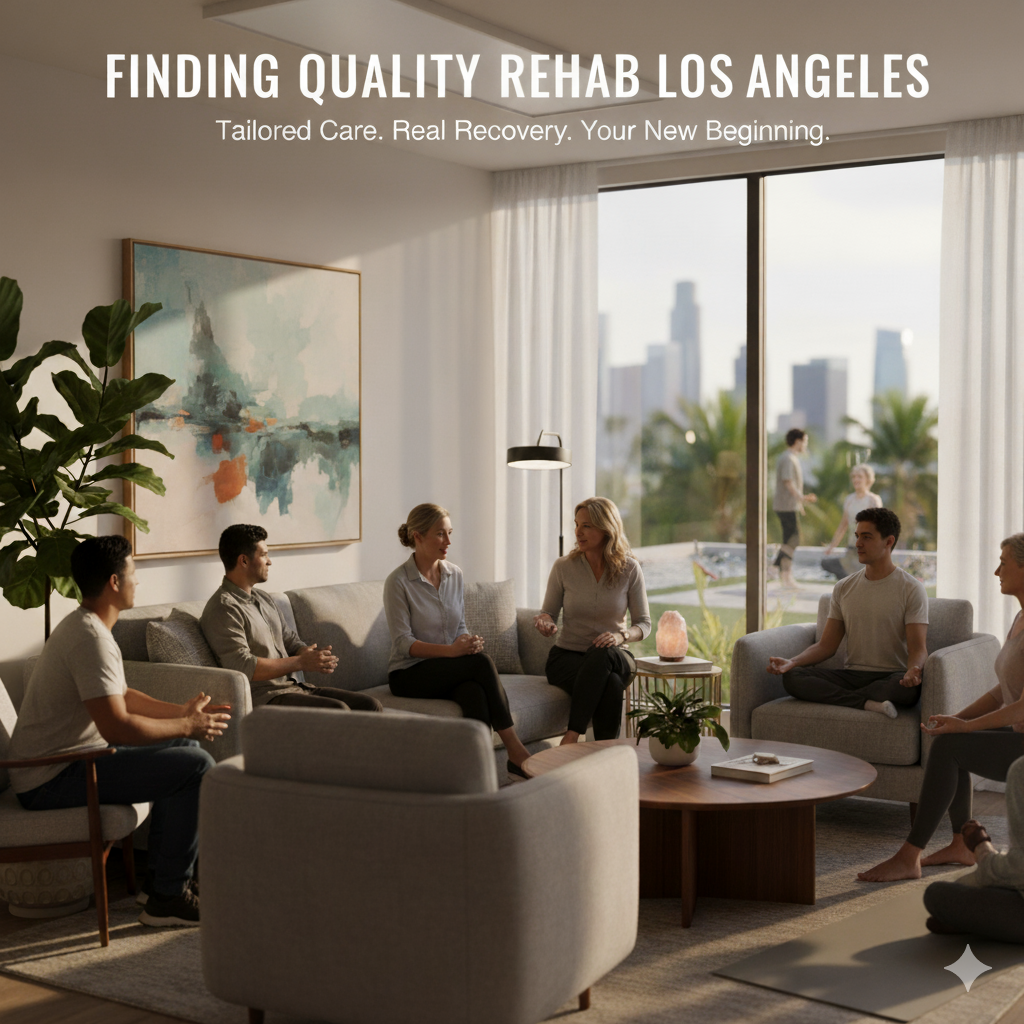
Rehab Facilities in Los Angeles with Good Reviews
Finding Quality Rehab Facilities in Los Angeles: Understanding Your Options When Seeking Addiction Treatment in Southern California
When you or a loved one needs help with substance use disorder, finding the right treatment facility can feel overwhelming. Los Angeles and Orange County offer numerous addiction treatment options, but not all programs are created equal. This guide helps you navigate the process of finding reputable, accredited rehab facilities with proven track records of success.
The decision to seek treatment is courageous. Whether you’re looking for help with alcohol dependency, opioid addiction, or other substance use disorders, understanding what makes a quality treatment center—and how to evaluate reviews and credentials—can make the difference between a transformative recovery experience and a disappointing one.
What Makes a Rehab Facility “Good”? Beyond Star Ratings
When searching for the best drug rehab in Los Angeles with positive reviews, it’s essential to look beyond surface-level ratings. A five-star Google review doesn’t necessarily indicate clinical excellence, and a facility with fewer online reviews might offer superior evidence-based care.
Accreditation and Licensing: The Foundation of Quality
The most critical factor in evaluating any treatment center is proper licensing and accreditation. In California, all substance use disorder treatment facilities must be licensed by the Department of Health Care Services (DHCS). Additionally, the highest-quality programs seek voluntary accreditation from organizations like the Commission on Accreditation of Rehabilitation Facilities (CARF) or The Joint Commission.
These accreditations require facilities to meet rigorous standards for clinical care, staff qualifications, safety protocols, and ethical practices. When you’re researching reputable rehab facilities in Los Angeles, always verify that they hold current California licensure and ideally carry CARF or Joint Commission accreditation.
Evidence-Based Treatment Approaches
Top-rated alcohol rehab centers in Orange County and Los Angeles distinguish themselves by offering evidence-based therapies. These are treatment methods that have been scientifically studied and proven effective for addiction recovery. Look for programs that incorporate:
Cognitive Behavioral Therapy (CBT) helps you identify and change thought patterns that contribute to substance use. This therapy has decades of research supporting its effectiveness for treating addiction.
Dialectical Behavior Therapy (DBT) combines CBT with mindfulness techniques and is particularly effective for people who also struggle with emotional regulation or co-occurring mental health conditions.
Motivational Interviewing is a collaborative approach that helps strengthen your personal motivation for change, particularly useful in early recovery stages.
Medication-Assisted Treatment (MAT) combines FDA-approved medications with counseling for opioid and alcohol use disorders. For opioid addiction specifically, medications like buprenorphine, methadone, and naltrexone have transformed outcomes.
Facilities offering these approaches demonstrate a commitment to clinical best practices rather than relying on outdated or unproven methods.
Staff Credentials Matter
The quality of clinical staff directly impacts treatment outcomes. The highest-rated drug treatment centers in Los Angeles employ licensed professionals including:
- Licensed Clinical Social Workers (LCSW)
- Licensed Marriage and Family Therapists (LMFT)
- Licensed Professional Clinical Counselors (LPCC)
- Board-certified addiction medicine physicians
- Registered nurses with addiction specialty training
- Certified addiction counselors with relevant credentials
Don’t hesitate to ask about staff qualifications during your research. Trusted drug treatment centers in Los Angeles will be transparent about their team’s credentials and experience.
Types of Treatment Programs Available
Understanding the different levels of care helps you match your needs with the appropriate program intensity. Los Angeles area facilities typically offer several treatment options.
Inpatient and Residential Treatment
Inpatient rehab provides 24-hour care in a structured residential environment. You live at the facility for the duration of treatment, which typically ranges from 30 to 90 days, though some programs extend longer.
Residential treatment in Los Angeles is appropriate when you need:
- A safe environment away from triggers and enabling relationships
- Medical supervision during detoxification
- Intensive daily therapy and support
- Treatment for severe addiction or multiple relapses
- Help with co-occurring mental health conditions
The best residential rehab facilities in Los Angeles offer private or semi-private rooms, nutritious meals, recreational activities, and a full schedule of individual therapy, group counseling, and educational sessions.
Medical Detoxification
Medical detox in Los Angeles provides supervised withdrawal management, which is essential for certain substances. Alcohol, benzodiazepines, and opioids can produce dangerous or even life-threatening withdrawal symptoms without proper medical care.
A quality detox center in Los Angeles will:
- Conduct comprehensive medical assessments
- Provide 24-hour nursing care
- Administer medications to ease withdrawal symptoms
- Monitor vital signs continuously
- Create a safe, comfortable environment
- Transition you seamlessly into ongoing treatment
Never attempt to detox from alcohol or benzodiazepines without medical supervision, as seizures and other complications can be fatal.
Partial Hospitalization Programs (PHP)
PHP rehab in Los Angeles offers intensive treatment without requiring overnight stays. You attend programming five to seven days per week for several hours daily, then return home or to a sober living environment in the evenings.
This level of care works well for people who:
- Have completed residential treatment and need step-down care
- Have stable living situations and strong family support
- Don’t require 24-hour supervision
- Need more structure than traditional outpatient care provides
Intensive Outpatient Programs (IOP)
IOP rehab in Los Angeles typically involves nine to twelve hours of programming per week, scheduled around work or school commitments. Sessions usually occur during evenings or weekends.
This option suits individuals who:
- Have completed higher levels of care
- Maintain stable recovery but need continued support
- Have work or family obligations they cannot leave
- Live in supportive, substance-free environments
Standard Outpatient Treatment
Standard outpatient rehab in Los Angeles involves weekly or bi-weekly individual therapy sessions and occasional group meetings. This represents the least intensive level of care and works best for people with mild substance use disorders, strong recovery foundations, or as maintenance after completing more intensive treatment.
When comparing inpatient versus outpatient treatment, consider your substance use severity, living situation, support system, mental health needs, and previous treatment history. The right level of care significantly impacts your recovery success.
Dual Diagnosis Treatment: Addressing Co-Occurring Disorders
Many people struggling with addiction also experience mental health conditions like depression, anxiety, PTSD, or bipolar disorder. In fact, research shows that approximately 50% of people with severe mental health disorders also experience substance use disorders.
Dual diagnosis rehab in Los Angeles treats both conditions simultaneously. This integrated approach is crucial because:
- Untreated mental health conditions often trigger relapse
- Substance use can mask or worsen mental health symptoms
- Both conditions share common underlying factors
- Recovery requires addressing the whole person, not just addiction
When evaluating addiction treatment centers in Los Angeles, ask specifically whether they offer dual diagnosis treatment and have psychiatrists or psychiatric nurse practitioners on staff who can prescribe and manage psychiatric medications alongside addiction treatment.
Insurance Coverage and Financial Considerations
One of the most common concerns when seeking treatment is cost. The good news is that most insurance plans now cover substance use disorder treatment thanks to mental health parity laws.
Does Insurance Cover Rehab in Los Angeles?
Most major insurance providers—including Aetna, Cigna, Blue Cross Blue Shield, UnitedHealthcare, and others—cover addiction treatment at various levels. However, coverage varies significantly based on:
- Whether the facility is in-network or out-of-network
- Your specific plan type and benefits
- Deductibles and out-of-pocket maximums
- Prior authorization requirements
- Medical necessity determinations
Verifying Your Insurance Benefits
Before selecting a facility, verify your insurance benefits specifically for substance use disorder treatment. Reputable facilities offer free, confidential insurance verification. During this process, ask:
- Is this facility in-network with my insurance plan?
- What is my deductible, and how much have I already met?
- What is my co-insurance percentage?
- Is prior authorization required?
- How many days of treatment at each level of care are covered?
- What is my estimated out-of-pocket cost?
Many accredited rehabs in Los Angeles work with out-of-network plans and can help you maximize your benefits.
Cost Without Insurance
If you don’t have insurance coverage, treatment costs vary widely. A 30-day residential program at a standard facility might range from $5,000 to $20,000, while luxury rehab centers in Los Angeles can cost $30,000 to $100,000 or more per month.
However, don’t let cost prevent you from seeking help. Options include:
- State-funded programs through California DHCS
- Sliding-scale payment plans
- Financing options
- Scholarships and grants
- Medi-Cal coverage (California’s Medicaid program)
Medi-Cal and CalOptima Coverage
California’s Medi-Cal program covers comprehensive addiction treatment services, including detox, residential care, outpatient therapy, and medication-assisted treatment. In Orange County, CalOptima manages Medi-Cal benefits and can connect you with covered treatment providers.
For CalOptima behavioral health services, call 1-855-877-3885 (available 24/7, TTY: 711).
Geographic Considerations: Los Angeles Area Treatment Options
The greater Los Angeles area spans an enormous region, and treatment facilities are distributed throughout Los Angeles County, Orange County, and surrounding areas. Location matters for several reasons.
Los Angeles County Facilities
Treatment centers located in Los Angeles proper and surrounding communities like Santa Monica, Pasadena, and Long Beach offer proximity for LA residents and families. Urban facilities typically provide easy access to medical resources and diverse treatment options.
Orange County Treatment Centers
Orange County, particularly coastal communities like Newport Beach, Dana Point, Laguna Beach, Huntington Beach, and San Clemente, has become known for high-quality addiction treatment. Many people seek rehab in Newport Beach or drug rehab in Dana Point specifically because these areas offer:
- Peaceful, resort-like settings conducive to healing
- Distance from urban triggers and old using environments
- Beautiful natural surroundings that support wellness
- Strong recovery community infrastructure
- Numerous aftercare and alumni support options
Alcohol rehab in Huntington Beach, drug treatment in San Clemente, and facilities in Costa Mesa, Anaheim, and San Juan Capistrano each offer unique environments and program philosophies.
Should You Travel for Treatment?
Some people benefit from traveling away from home for treatment, creating physical and psychological distance from people, places, and situations associated with substance use. Others need to stay local for family involvement or work obligations.
Consider your unique circumstances when choosing between nearby options and facilities in other parts of the greater LA area.
How to Evaluate Reviews and Testimonials
Online reviews provide valuable insights but require critical evaluation. Here’s how to assess reviews for Los Angeles recovery centers effectively.
Where to Find Legitimate Reviews
- Google Reviews: Often the most numerous and accessible
- Facebook Reviews: Can provide context about facility culture
- SAMHSA Treatment Locator: Federal database with basic facility information
- Yelp: Mixed reviews; watch for authenticity
- Treatment center websites: Often feature selected testimonials
- State licensing board: Check for complaints or violations
Red Flags in Reviews
Be cautious of facilities with:
- Only five-star reviews (may indicate fake reviews)
- Reviews that all use similar language or structure
- No response from the facility to negative reviews
- Recent serious safety or clinical concerns
- Patterns of complaints about billing practices
- Issues with involuntary discharges or abandonment
Green Flags in Reviews
Look for facilities where reviewers mention:
- Specific staff members who made a difference
- Evidence-based therapies and quality clinical care
- Successful long-term recovery outcomes
- Compassionate, individualized treatment
- Professional handling of crises or challenges
- Smooth insurance and administrative processes
- Strong aftercare and alumni support
Remember that recovery is personal. A facility that was perfect for one person may not fit your needs. Use reviews as one data point among many.
The Admissions Process: What to Expect
Understanding the admissions process reduces anxiety and helps you prepare for entry into treatment.
Initial Contact and Assessment
When you contact a treatment facility, you’ll typically speak with an admissions specialist who will:
- Ask about your substance use history
- Discuss any medical or mental health conditions
- Verify insurance benefits or discuss payment options
- Answer your questions about the program
- Assess appropriate level of care
- Provide information about what to bring
This conversation is confidential and designed to help match you with the right program.
Pre-Admission Requirements
Most facilities require:
- Medical clearance from a physician (sometimes)
- Recent lab work or drug screening
- Valid identification
- Insurance cards or payment arrangements
- List of current medications
- Completion of admission paperwork
How Quickly Can You Be Admitted?
Many reputable facilities can admit you within 24 to 48 hours once insurance verification is complete. Some offer same-day admission for people in crisis. If you need immediate help due to medical concerns or safety issues, express this urgency during your initial contact.
What to Bring to Residential Treatment
Facilities provide detailed packing lists, but generally you should bring:
Allowed Items:
- Comfortable, casual clothing (usually one week’s worth)
- Toiletries and personal hygiene items (typically without alcohol)
- Prescription medications in original bottles
- Comfortable shoes for walking or exercise
- Notebook and pens
- Reading materials
- Insurance information and identification
Typically Restricted Items:
- Cell phones (policies vary; some allow limited use)
- Laptops or tablets (unless specifically permitted)
- Alcohol-based mouthwash or personal care products
- Weapons or anything that could be used as a weapon
- Drugs, alcohol, or drug paraphernalia
- Large amounts of cash
- Provocative clothing
- Food items (to maintain dietary programs)
Policies regarding electronics vary significantly. Some facilities allow phone calls and limited device use during specific hours, while others maintain technology-free environments. Ask about specific policies during admissions.
Treatment Components: What Happens in Quality Programs
The best rehab programs offer comprehensive, multifaceted treatment addressing all aspects of addiction and recovery.
Individual Therapy
One-on-one sessions with a licensed therapist form the foundation of most treatment programs. These confidential sessions allow you to:
- Explore underlying causes of substance use
- Process trauma or painful experiences
- Develop coping skills for triggers and cravings
- Set personal recovery goals
- Work through family or relationship issues
- Address co-occurring mental health conditions
Quality programs provide multiple individual therapy sessions per week, not just one.
Group Therapy
Group counseling allows you to connect with others facing similar challenges. Benefits include:
- Reducing isolation and shame
- Learning from others’ experiences
- Practicing social skills in recovery
- Receiving support and accountability
- Developing empathy and perspective
- Building your recovery community
Effective group therapy is facilitated by trained clinicians who maintain structure and ensure safety.
Family Therapy and Family Programs
Addiction impacts entire family systems. Family therapy programs help:
- Repair damaged relationships
- Educate family members about addiction
- Identify and change enabling behaviors
- Improve communication skills
- Process hurt and rebuild trust
- Create a recovery-supportive home environment
Some facilities offer family programs including multi-day intensive workshops where family members receive their own education and support.
Holistic and Complementary Therapies
Many Los Angeles treatment centers incorporate evidence-informed complementary approaches:
- Yoga and mindfulness meditation: Reduce stress and improve mind-body connection
- Art or music therapy: Process emotions through creative expression
- Equine therapy: Build trust and self-awareness through horse interaction
- Acupuncture: May ease cravings and withdrawal discomfort
- Exercise and nutrition counseling: Support physical health and natural mood regulation
- Recreation therapy: Develop healthy leisure activities
These complement—but don’t replace—core evidence-based treatments.
Medication-Assisted Treatment (MAT)
For opioid and alcohol use disorders, medications can significantly improve outcomes. Quality programs offer:
For Opioid Use Disorder:
- Buprenorphine (Suboxone, Subutex)
- Methadone (typically through specialized clinics)
- Naltrexone (Vivitrol)
For Alcohol Use Disorder:
- Naltrexone
- Acamprosate (Campral)
- Disulfiram (Antabuse)
Despite outdated stigma, medication-assisted treatment is considered the gold standard for opioid use disorder and significantly reduces overdose death risk.
Education and Life Skills
Recovery requires learning new ways to manage life. Quality programs teach:
- Relapse prevention strategies
- Stress management techniques
- Financial literacy and management
- Job readiness and career planning
- Healthy relationship skills
- Time management and daily structure
These practical skills support long-term recovery success.
Aftercare: The Key to Long-Term Recovery
Treatment doesn’t end when you complete a program. Strong aftercare planning dramatically improves long-term recovery outcomes.
Components of Effective Aftercare
Quality facilities develop comprehensive aftercare plans including:
- Continuing therapy: Outpatient counseling to maintain progress
- Medication management: Ongoing psychiatric or addiction medicine care
- 12-step or other mutual support groups: AA, NA, SMART Recovery, Refuge Recovery
- Sober living arrangements: Structured transitional housing if needed
- Alumni programming: Ongoing connection to facility and fellow graduates
- Recovery coaching: Support from peer recovery specialists
- Vocational or educational support: Help returning to work or school
Sober Living Homes
Los Angeles recovery residences provide structured, substance-free housing for people transitioning from intensive treatment. These homes offer:
- Accountability through regular drug testing
- Peer support from housemates in recovery
- Structure with house rules and expectations
- Independence while maintaining recovery focus
- Affordability compared to continuing residential treatment
Many people benefit from spending several months in sober living after completing residential treatment.
Alumni Programs
Facilities with strong alumni support demonstrate commitment to long-term recovery. Look for programs offering:
- Regular alumni meetings and events
- Online alumni communities
- Continued access to counseling or support groups
- Alumni mentorship opportunities
- Family alumni programming
- Lifetime alumni benefits
Special Populations and Specialized Programs
Different groups may have unique treatment needs. Some facilities offer specialized programming for:
Gender-Specific Treatment
Women-only and men-only programs address gender-specific issues in recovery, including trauma, relationships, parenting concerns, and social pressures.
LGBTQ+ Affirming Care
LGBTQ+-affirming treatment centers provide culturally competent care addressing minority stress, identity issues, and community-specific challenges.
Professionals and Executives
Executive rehab programs offer privacy, flexible scheduling, and the ability to manage critical work responsibilities while receiving intensive treatment.
Young Adults
Specialized programs for young adults (typically ages 18-26) address developmental challenges, peer influences, and launching into independent adulthood while maintaining recovery.
Luxury and Holistic Options
Luxury rehab centers in Los Angeles offer resort-like amenities, private accommodations, gourmet meals, spa services, and extensive holistic therapies. While expensive, these programs appeal to people seeking maximum comfort and privacy during treatment.
Warning Signs of Poor-Quality Facilities
Not all treatment centers maintain high standards. Avoid facilities that:
- Guarantee success or specific cure rates
- Pressure you into immediate admission without proper assessment
- Lack proper licensing or accreditation
- Have unqualified or unlicensed staff
- Offer only one treatment approach without individualization
- Discourage medication-assisted treatment for opioid addiction
- Have poor safety records or recent licensing violations
- Use “body brokering” or pay marketers for patient referrals
- Won’t provide clear information about costs and insurance
- Isolate you from family without clinical justification
- Have pattern of complaints about inadequate care
Trust your instincts. If something feels wrong during your research or initial contact, continue looking for other options.
Finding Help Right Now: Immediate Resources
If you’re in crisis or need immediate assistance, several resources provide 24/7 support.
National Resources
SAMHSA National Helpline
Free, confidential, 24/7 treatment referral and information service in English and Spanish
Phone: 1-800-662-HELP (4357)
Website: FindTreatment.gov
988 Suicide & Crisis Lifeline
Free, confidential support for people in distress, including substance use crises
Call or Text: 988 (Available 24/7)
Crisis Text Line
Free, confidential crisis support via text message
Text “HOME” to 741741
California State Resources
California Department of Health Care Services (DHCS)
SUD Services Helpline: 1-877-685-8333 (Toll-Free)
Website: DHCS SUD Directories
CA Bridge Program
Initiative focused on increasing immediate access to Medication-Assisted Treatment
Email: info@cabridge.org
Website: CA Bridge Program
DHCS Non-Emergency Treatment Referral Line
Automated referral line for substance use disorder treatment services
Phone: 1-800-879-2772
Orange County Local Resources
OC Links Behavioral Health Line
24/7 information, referrals, and linkage to Orange County behavioral health services
Phone: 1-855-OC-LINKS (625-4657)
TDD: (714) 834-2332
CalOptima Behavioral Health
Support for CalOptima members (Orange County’s Medi-Cal managed care)
Phone: 1-855-877-3885 (Available 24/7)
TTY: 711
Orange County Mental Health Plan Access Line
For members seeking specialty mental health and substance use services
Phone: 1-800-723-8641 (Available 24/7)
Peer Support Organizations
Narcotics Anonymous (NA) Orange County
24-hour helpline for group support meetings
Phone: (714) 590-2388
Alcoholics Anonymous (AA) Orange County
Group support meetings and fellowship
Santa Ana Helpline: (714) 556-4555
Overdose Prevention
CalRX Naloxone Access Initiative
California program increasing access to naloxone (Narcan), which reverses opioid overdoses
Website: Visit DHCS Opioid Response website for information
Making Your Decision: Choosing the Right Facility
After researching your options, use this framework to make your final decision:
Essential Questions to Ask
Before committing to any program, get clear answers to:
- What are your current California licenses and accreditations?
- What is your philosophy of treatment, and what therapies do you offer?
- What are your staff credentials and staff-to-client ratios?
- Do you offer the appropriate level of care for my situation?
- Do you provide dual diagnosis treatment for co-occurring disorders?
- What does a typical day look like in your program?
- What is included in my program cost, and what costs extra?
- What are my insurance benefits, and what will I pay out-of-pocket?
- What is your policy on medication-assisted treatment?
- How do you handle medical emergencies or psychiatric crises?
- What family involvement opportunities do you offer?
- What does your aftercare planning process look like?
- Do you offer alumni support, and for how long?
- Can I speak with alumni or get references?
- What is your policy on voluntary discharge if the program isn’t the right fit?
Trust Your Gut
Beyond credentials and amenities, pay attention to how you feel when interacting with the facility. Do staff members seem genuinely caring and knowledgeable? Do they listen to your concerns? Does the environment feel safe and supportive? Your intuition matters.
You Don’t Have to Decide Alone
Many people find it helpful to involve a trusted family member, friend, therapist, or interventionist in the decision-making process. Fresh perspectives can help you see blind spots or ask important questions you might have missed.
The Path Forward: Taking the First Step
Choosing to seek treatment represents profound courage. The path to recovery isn’t always linear, and finding the right treatment facility is an important part of your journey.
Whether you need intensive residential care, outpatient support, medication-assisted treatment, or help with co-occurring mental health conditions, Los Angeles and Orange County offer quality options. The key is finding a licensed, accredited facility with qualified staff, evidence-based treatments, and a philosophy that resonates with you.
Don’t let fear, shame, or uncertainty prevent you from reaching out. Thousands of people enter treatment every day, and many go on to build fulfilling lives in recovery. You deserve that opportunity too.
For more information about treatment options and to explore whether The Recover might be right for you, visit their website or contact their admissions team for a confidential conversation about your needs and options.
Recovery is possible. The first step is reaching out for help.
Frequently Asked Questions About Rehab Facilities in Los Angeles
Quality and Accreditation
Is the rehab facility licensed and accredited (e.g., CARF or Joint Commission)?
All legitimate substance use disorder treatment facilities in California must hold a license from the California Department of Health Care Services (DHCS). Beyond basic licensing, the highest-quality facilities pursue voluntary accreditation from organizations like the Commission on Accreditation of Rehabilitation Facilities (CARF) or The Joint Commission. These accreditations require facilities to meet rigorous standards for clinical care, safety protocols, staff qualifications, and ethical treatment practices. You can verify a facility’s license status through the DHCS website. Always ask any facility you’re considering about both their state license and any voluntary accreditations they hold.
Are your clinical staff (doctors, therapists) licensed and experienced in addiction treatment?
Quality treatment centers employ licensed professionals with specialized training in addiction treatment. This should include Licensed Clinical Social Workers (LCSW), Licensed Marriage and Family Therapists (LMFT), Licensed Professional Clinical Counselors (LPCC), and certified addiction counselors. Medical staff should include physicians board-certified in addiction medicine or psychiatry, and registered nurses with behavioral health experience. Don’t hesitate to ask about the credentials and experience levels of the staff who will be directly involved in your care. Reputable facilities are transparent about staff qualifications and proud to share their team’s credentials.
What is your program’s success rate, and where can I read client reviews and testimonials?
Treatment centers should be willing to discuss their outcomes, though “success rates” can be defined and measured differently across facilities. Some track 30-day, 90-day, or one-year sobriety rates, while others measure program completion rates or client satisfaction. Ask specifically how they define and measure success, and what their rates show. For reviews, check Google, Facebook, and the facility’s website for testimonials. Also verify the facility’s standing with California’s licensing board to check for complaints or violations. Be cautious of facilities with only perfect reviews (which may indicate fake reviews) or those unwilling to discuss outcomes transparently.
Does the facility use evidence-based therapies (e.g., CBT, DBT, or EMDR)?
Evidence-based therapies are treatment approaches that have been scientifically studied and proven effective through research. The most reputable facilities incorporate multiple evidence-based approaches including Cognitive Behavioral Therapy (CBT), Dialectical Behavior Therapy (DBT), Motivational Interviewing, and trauma-focused therapies like Eye Movement Desensitization and Reprocessing (EMDR). They should also offer medication-assisted treatment (MAT) for opioid and alcohol use disorders, as this represents the gold standard of care backed by extensive research. Be wary of facilities that rely solely on unproven approaches or discourage evidence-based medications for addiction treatment.
Financial and Insurance
Does my insurance plan cover treatment at your Los Angeles facility?
Most major insurance plans now cover substance use disorder treatment thanks to federal mental health parity laws, but coverage varies significantly by plan and provider. Whether your specific insurance covers treatment at a particular facility depends on several factors: whether the facility is in-network or out-of-network with your insurance company, your plan’s specific benefits for substance use treatment, your deductible and out-of-pocket maximum, and whether prior authorization is required. Reputable facilities offer free, confidential insurance verification and can provide a clear breakdown of your expected coverage and costs before you commit to treatment. Never rely on verbal estimates alone—request written verification of benefits.
How much does a 30-day or 90-day program cost without insurance?
Treatment costs vary dramatically based on the level of care, amenities, location, and services provided. Standard residential treatment programs typically range from $5,000 to $20,000 for 30 days, while 90-day programs can cost $15,000 to $50,000 or more. Luxury or executive programs with premium accommodations and extensive holistic services can cost $30,000 to $100,000+ per month. Outpatient programs are generally more affordable, ranging from $1,500 to $10,000 per month depending on intensity. However, cost shouldn’t prevent you from seeking help. Many facilities offer payment plans, sliding-scale fees, or scholarship opportunities. Additionally, California’s Medi-Cal program covers comprehensive addiction treatment for eligible residents at no or low cost.
How do I verify my insurance benefits and determine my out-of-pocket costs?
Most treatment facilities will verify your insurance benefits for you at no charge. During this process, the facility contacts your insurance company to determine your specific coverage for substance use disorder treatment. You’ll need to provide your insurance card information and authorize the facility to contact your insurer. The verification should reveal your deductible amount and how much you’ve already met, your co-insurance percentage (the portion you pay), out-of-pocket maximum, whether prior authorization is required, how many days of various levels of care are covered, and your estimated total out-of-pocket costs. Request this information in writing before admission. You can also verify benefits yourself by calling the number on your insurance card and asking specifically about substance use disorder treatment coverage.
Are you an in-network or out-of-network provider with major insurance companies (e.g., Aetna, Cigna, Blue Cross)?
Facilities are either in-network (contracted) or out-of-network (not contracted) with each insurance company. In-network providers have agreed to accept negotiated rates from the insurance company, which typically means lower out-of-pocket costs for you. Out-of-network providers haven’t contracted with your insurer, which often means higher co-insurance rates and out-of-pocket costs, though your plan may still provide some coverage. Many high-quality treatment centers are out-of-network with most insurers but can help you maximize your out-of-network benefits. Always verify the facility’s network status with your specific insurance plan before admission, as network status can vary even within the same insurance company depending on your specific plan type.
Program Specifics
What types of programs do you offer (Inpatient/Residential, PHP, IOP, or Outpatient)?
Comprehensive treatment centers offer multiple levels of care to meet different needs and support smooth transitions as you progress in recovery. Inpatient or residential treatment provides 24-hour care in a live-in setting, typically for 30 to 90 days. Partial Hospitalization Programs (PHP) offer intensive daily treatment (usually 5-7 days per week for several hours) while you return home at night. Intensive Outpatient Programs (IOP) provide structured treatment several days per week, typically 9-12 hours total, scheduled around work or school. Standard outpatient care involves weekly or bi-weekly individual therapy sessions. The appropriate level depends on your substance use severity, living situation, support system, mental health needs, and treatment history. Quality facilities assess your needs and recommend the right starting level while offering step-down options as you progress.
Do you offer Dual Diagnosis treatment for co-occurring mental health conditions (e.g., anxiety or depression)?
Approximately 50% of people with substance use disorders also experience co-occurring mental health conditions like depression, anxiety, PTSD, bipolar disorder, or others. Dual diagnosis treatment addresses both conditions simultaneously, which is essential for long-term recovery since untreated mental health issues frequently trigger relapse. Quality dual diagnosis programs have licensed mental health professionals—ideally psychiatrists or psychiatric nurse practitioners—who can diagnose mental health conditions, prescribe psychiatric medications, and provide integrated treatment that addresses how the conditions interact. Not all addiction treatment centers offer true dual diagnosis care, so if you have or suspect you have co-occurring mental health issues, specifically verify that the facility provides integrated treatment rather than treating only the addiction.
Do you provide on-site, medically supervised detoxification?
Medical detoxification provides supervised withdrawal management, which is essential for certain substances. Alcohol and benzodiazepine withdrawal can be dangerous or even fatal without medical supervision due to seizure risk. Opioid withdrawal, while typically not life-threatening, is extremely uncomfortable and medication can make the process much more manageable. Quality detox programs provide 24-hour medical and nursing care, comprehensive medical assessments, medications to ease withdrawal symptoms, continuous monitoring of vital signs, and seamless transition into ongoing treatment. Some treatment facilities offer on-site detox, while others partner with separate medical detox centers. Never attempt to detox from alcohol or benzodiazepines without medical supervision. If a facility doesn’t offer detox, they should help arrange appropriate medical detoxification before you enter their program.
How long are the typical treatment programs (30, 60, or 90 days)?
Treatment length depends on individual needs and the severity of addiction. While 30-day programs are common, research consistently shows that longer treatment produces better outcomes. Many experts recommend a minimum of 90 days of treatment for the best chances of sustained recovery. Most residential programs offer 30-, 60-, and 90-day options, with some extending to six months or longer. Insurance coverage often determines length, as many plans approve 30 days initially with the possibility of extensions based on clinical necessity. However, treatment doesn’t end when you leave residential care. Many people transition through multiple levels of care—starting with residential, stepping down to PHP, then IOP, then outpatient—creating a comprehensive treatment episode lasting several months. The right length for you depends on your substance use history, previous treatment attempts, mental health needs, and progress during treatment.
Logistics and Experience
What is the admissions process, and how quickly can I be admitted for treatment?
The admissions process typically begins with an initial phone call where you’ll speak with an admissions specialist. During this call, they’ll ask about your substance use history, medical and mental health conditions, previous treatment experiences, and current living situation. They’ll also verify your insurance benefits or discuss payment options. This assessment helps determine the appropriate level of care for your needs. After this initial call, most facilities require some paperwork completion, possibly medical clearance from a physician, and insurance authorization if applicable. Many reputable facilities can admit you within 24 to 48 hours once paperwork and insurance verification are complete. Some offer same-day admission for people in crisis or immediate need. If you’re in a dangerous situation or experiencing medical complications from substance use, communicate this urgency during your initial contact, as facilities can often expedite admission for emergency situations.
Will I receive a personalized treatment plan, or is it a standardized program?
Quality treatment centers develop individualized treatment plans tailored to your specific needs, goals, and circumstances rather than using a one-size-fits-all approach. Your personalized plan should be developed shortly after admission based on comprehensive assessments of your substance use patterns, mental health status, medical needs, trauma history, family situation, and personal goals. The plan typically includes specific treatment goals, recommended therapies and interventions, frequency of various services, any needed medications, and criteria for measuring progress. Your treatment team should review and adjust your plan regularly based on your progress and changing needs. Be cautious of facilities that offer only a rigid, standardized program without accounting for individual differences. Effective treatment recognizes that each person’s path to recovery is unique and requires personalized approaches.
What items am I allowed to bring to the residential facility?
Facilities provide specific packing lists, but generally you can bring about one week’s worth of comfortable, modest clothing, toiletries and personal hygiene products (usually without alcohol content), prescription medications in their original bottles with pharmacy labels, comfortable shoes suitable for walking or exercise, a notebook and pens for journaling or note-taking, and your insurance card and identification. Most facilities provide bedding, towels, and basic amenities. You’ll typically need to leave behind items like weapons or anything that could be used as a weapon, illegal drugs or drug paraphernalia, alcohol including mouthwash with alcohol content, excessive cash or valuable items, revealing or provocative clothing, and often electronic devices depending on the facility’s policy. Each facility has specific rules, so request a detailed packing list during the admissions process to avoid bringing prohibited items.
Is the use of cell phones or laptops permitted during treatment?
Cell phone and technology policies vary significantly between facilities. Some maintain completely technology-free environments to minimize distractions and help you focus fully on recovery. Others allow phones during specific hours with restrictions on social media use. Some permit limited computer access for necessary work or school obligations, especially in executive programs. Generally, facilities restrict phone use during the first few days or weeks to help you settle into treatment without outside distractions. Many allow scheduled phone calls with family members even if personal devices aren’t permitted. The rationale for technology restrictions is that early recovery requires focus and presence, and constant connection to the outside world can interfere with the therapeutic process. When researching facilities, ask specifically about their technology policy if this is a concern for you, especially if you have work or family obligations that require limited device access.
Where in Los Angeles are you located, and what amenities does the facility offer?
Treatment facilities throughout Los Angeles and Orange County offer different settings and amenities. Urban facilities in Los Angeles proper provide access to diverse resources and cultural activities. Coastal facilities in areas like Newport Beach, Dana Point, Laguna Beach, and Malibu offer ocean views, beach access, and peaceful environments. Inland locations may provide more privacy and seclusion. Amenities vary from basic but comfortable accommodations to luxury resort-like settings with premium features. Standard amenities typically include comfortable bedrooms (private or semi-private), nutritious meals, recreational areas, and therapy spaces. Higher-end facilities may offer pools, fitness centers, yoga studios, massage therapy, acupuncture, art therapy spaces, gourmet cuisine, and private rooms with premium furnishings. While amenities can enhance your comfort, the quality of clinical care and staff expertise matter far more than luxury features. Choose a facility where the environment feels safe and conducive to your healing, whether that’s a simple, homelike setting or a high-end facility with extensive amenities.
Aftercare and Family
What kind of aftercare planning and alumni support do you provide after treatment?
Comprehensive aftercare planning is essential for long-term recovery success. Quality facilities begin aftercare planning early in treatment, not just during your last few days. A thorough aftercare plan should include arrangements for continuing outpatient therapy or counseling, connection to 12-step or other mutual support groups in your area, medication management if you’re taking psychiatric medications or medications for addiction, referrals to sober living homes if appropriate, educational or vocational support for returning to school or work, and clear crisis planning for managing triggers or cravings. Alumni support demonstrates a facility’s commitment to your long-term success. Strong alumni programs offer regular alumni meetings and events, online communities or social media groups for alumni, continued access to counseling or support groups, mentorship opportunities where alumni can support newer members, family alumni programming, and sometimes lifetime alumni benefits. Ask specifically what alumni services are available, how long they’re available, and how active the alumni community is.
Do you include family therapy or family support programs?
Addiction impacts entire family systems, and family involvement in treatment significantly improves outcomes. Quality programs recognize this and offer various levels of family involvement. Family therapy sessions allow family members to participate in therapy with you and a trained counselor to improve communication, address relationship damage, process hurt and resentment, learn about addiction as a disease, identify and change enabling behaviors, and develop a recovery-supportive home environment. Some facilities offer family programs or workshops where family members attend multi-day intensives to receive their own education and support. These programs help families understand that recovery involves the whole family system, not just the identified patient. At minimum, reputable facilities should offer regular family updates (with your permission), scheduled family phone calls or video sessions, family visiting days or family weekends, and educational resources for family members. If family involvement is important to you or your family is struggling with your addiction, prioritize facilities with robust family programs.
Which specific substance use disorders do you treat (e.g., alcohol, opioids, or stimulants)?
Most comprehensive treatment centers treat the full spectrum of substance use disorders, including alcohol use disorder, opioid use disorder (heroin, prescription painkillers, fentanyl), stimulant use disorders (cocaine, methamphetamine), benzodiazepine dependence, marijuana use disorder, and polysubstance use (multiple substances). However, treatment approaches may differ based on the substance. For opioid use disorder, quality facilities should offer medication-assisted treatment with buprenorphine, methadone (through specialized clinics), or naltrexone. For alcohol use disorder, they may offer medications like naltrexone, acamprosate, or disulfiram alongside therapy. Some facilities specialize in particular substances, while others treat all addictions using similar therapeutic approaches with substance-specific modifications. If you’re struggling with a less common substance or polysubstance use, verify that the facility has experience treating your specific situation. Also ask whether they treat only substance use disorders or if they also address behavioral addictions like gambling or sex addiction if that’s relevant to your situation.
Additional Resources for Support and Information
Beyond treatment facilities, numerous resources exist to support individuals and families affected by addiction:
Federal Treatment Locators and Tools
FindTreatment.gov
The official federal treatment locator helps you find substance use and mental health treatment facilities across the United States. The searchable database includes filters for location, payment options, services offered, and special populations served.
Website: https://findtreatment.gov/
SAMHSA Treatment Locator
The Substance Abuse and Mental Health Services Administration offers a comprehensive treatment locator with detailed facility information.
Website: https://findtreatment.samhsa.gov/
California-Specific Treatment Resources
Shatterproof Treatment Atlas
An independent, free tool backed by California to find and compare high-quality substance use disorder treatment facilities throughout the state.
Website: Search “Shatterproof Treatment Atlas California”
California Hub & Spoke System
A network designed to expand access to Medication-Assisted Treatment (MAT) for opioid use disorder by connecting specialized treatment centers with office-based prescribers.
Website: https://californiaopioidresponse.org/
Choose Change California
Focuses on Medication-Assisted Treatment (MAT) for opioid use disorder and provides resources for finding MAT providers throughout California.
Website: Search “Choose Change California” for current resources
Overdose Prevention and Naloxone Access
Naloxone (brand name Narcan) is a life-saving medication that can reverse opioid overdoses. California has made naloxone widely available without a prescription at most pharmacies.
CalRX Naloxone Access Initiative
California’s program to increase naloxone availability and education about overdose prevention.
Information: Visit the DHCS website and search for “CalRX Naloxone”
How to Get Naloxone:
- Purchase at any California pharmacy without a prescription
- Request free naloxone through local health departments
- Obtain through community-based harm reduction organizations
- Ask your doctor for a prescription if you prefer
Crisis Support Beyond Business Hours
Recovery happens 24/7, and crises don’t wait for business hours. Keep these numbers accessible:
National Suicide Prevention Lifeline
Call or Text: 988
Provides free, confidential support for people in distress, including substance use crises
Crisis Text Line
Text “HOME” to 741741
Free, confidential support via text message, available 24/7
Disaster Distress Helpline
1-800-985-5990
Provides crisis counseling related to any natural or human-caused disaster
Mutual Support Groups
Peer support groups provide ongoing fellowship and support at no cost. These groups meet throughout Los Angeles and Orange County:
Alcoholics Anonymous (AA)
Fellowship for people recovering from alcohol use disorder
Orange County Helpline: (714) 556-4555
Website: aa.org (for meeting locator)
Narcotics Anonymous (NA)
Fellowship for people recovering from drug addiction
Orange County 24-Hour Helpline: (714) 590-2388
Website: na.org (for meeting locator)
SMART Recovery
Science-based mutual support groups using cognitive-behavioral techniques
Website: smartrecovery.org (for meeting locator)
Refuge Recovery
Buddhist-inspired approach to addiction recovery
Website: refugerecovery.org (for meeting locator)
Al-Anon and Nar-Anon
Support groups specifically for family members and friends of people with addiction
Websites: al-anon.org and nar-anon.org
Medicare, Medicaid, and ACA Coverage Information
Medicare Coverage for Substance Use Treatment
Medicare Part A covers inpatient hospital care including detoxification. Medicare Part B covers outpatient mental health and substance use services. Medicare Advantage (Part C) plans may offer additional coverage.
Information: Call 1-800-MEDICARE (1-800-633-4227) or visit Medicare.gov
Medi-Cal (California’s Medicaid)
Medi-Cal covers comprehensive substance use disorder services including outpatient, residential, withdrawal management (detox), medication-assisted treatment, and case management services.
Information: Visit DHCS.ca.gov or call your county Medi-Cal office
Affordable Care Act (ACA) Marketplace Plans
All ACA marketplace health plans must cover substance use disorder treatment as an essential health benefit.
Information: Visit Healthcare.gov or call 1-800-318-2596
Healthcare Provider Resources
If you have a primary care physician, they can be a valuable partner in your recovery journey. Many primary care doctors can:
- Prescribe medications for opioid or alcohol use disorders
- Provide referrals to specialists and treatment programs
- Coordinate care between your treatment team and other healthcare providers
- Monitor your overall health during and after treatment
Don’t hesitate to discuss your substance use with your doctor. They are ethically and legally bound to confidentiality and want to help you get appropriate care.
Final Thoughts: Your Recovery Journey Starts Today
Seeking help for addiction is one of the most courageous decisions you’ll ever make. The journey may feel overwhelming right now, but thousands of people walk this path every day, and comprehensive, evidence-based treatment truly works.
The Los Angeles and Orange County areas offer a wealth of quality treatment options, from intensive residential programs to flexible outpatient care, from medication-assisted treatment for opioid addiction to specialized dual diagnosis programs for co-occurring mental health conditions. Whatever your specific needs, appropriate help exists.
Remember these key points as you move forward:
You deserve quality care. Don’t settle for facilities with questionable credentials or inadequate clinical staff. Verify licensing, accreditation, and staff qualifications.
Recovery is personal. What works perfectly for someone else may not be the right fit for you. Trust your instincts about which facility feels right.
Treatment is an investment, not an expense. The cost of quality treatment is far less than the ongoing cost of active addiction—financially, physically, emotionally, and spiritually.
You don’t have to have everything figured out. Admissions specialists and clinical staff can help you determine the appropriate level of care and navigate the logistics of entering treatment.
Family matters. Involve your loved ones in the process when possible. Their support can be invaluable, and family therapy helps heal relationships damaged by addiction.
Aftercare is essential. Treatment doesn’t end when you complete a program. Ongoing support through therapy, mutual support groups, and alumni programming significantly improves long-term outcomes.
Relapse doesn’t mean failure. If you’ve tried treatment before and relapsed, that doesn’t mean treatment doesn’t work or that you can’t recover. Many people require multiple treatment episodes before achieving sustained recovery. Each attempt teaches you something valuable.
Medication is medicine. If you have opioid or alcohol use disorder, medication-assisted treatment significantly improves outcomes. Don’t let stigma prevent you from accessing proven medical care.
Help is available right now. You don’t have to wait until you hit “rock bottom” or until circumstances become more dire. Treatment works at any stage of addiction, and seeking help early often leads to better outcomes.
If you’re ready to take the next step, or if you simply want to have a confidential conversation about your options, reach out to a treatment facility today. Most offer free, no-obligation consultations where you can ask questions, discuss your concerns, and learn about what treatment might look like for you.
You can also contact The Recover directly to learn more about their comprehensive treatment programs and determine if they might be the right fit for your recovery journey. Visit therecover.com or call to speak with an admissions specialist who can answer your questions and help you explore your options.
The path to recovery begins with a single step—reaching out for help. That step doesn’t have to be perfect, and you don’t have to have everything figured out. You simply have to begin.
Your life can be different. Recovery is possible. And you don’t have to walk this path alone.
Help is waiting. All you have to do is reach out.


![va ptsd outpatient program with substance use [city]](https://therecover.com/wp-content/uploads/2025/09/va-ptsd-outpatient-program-with-substance-use-city-768x643.jpg)

