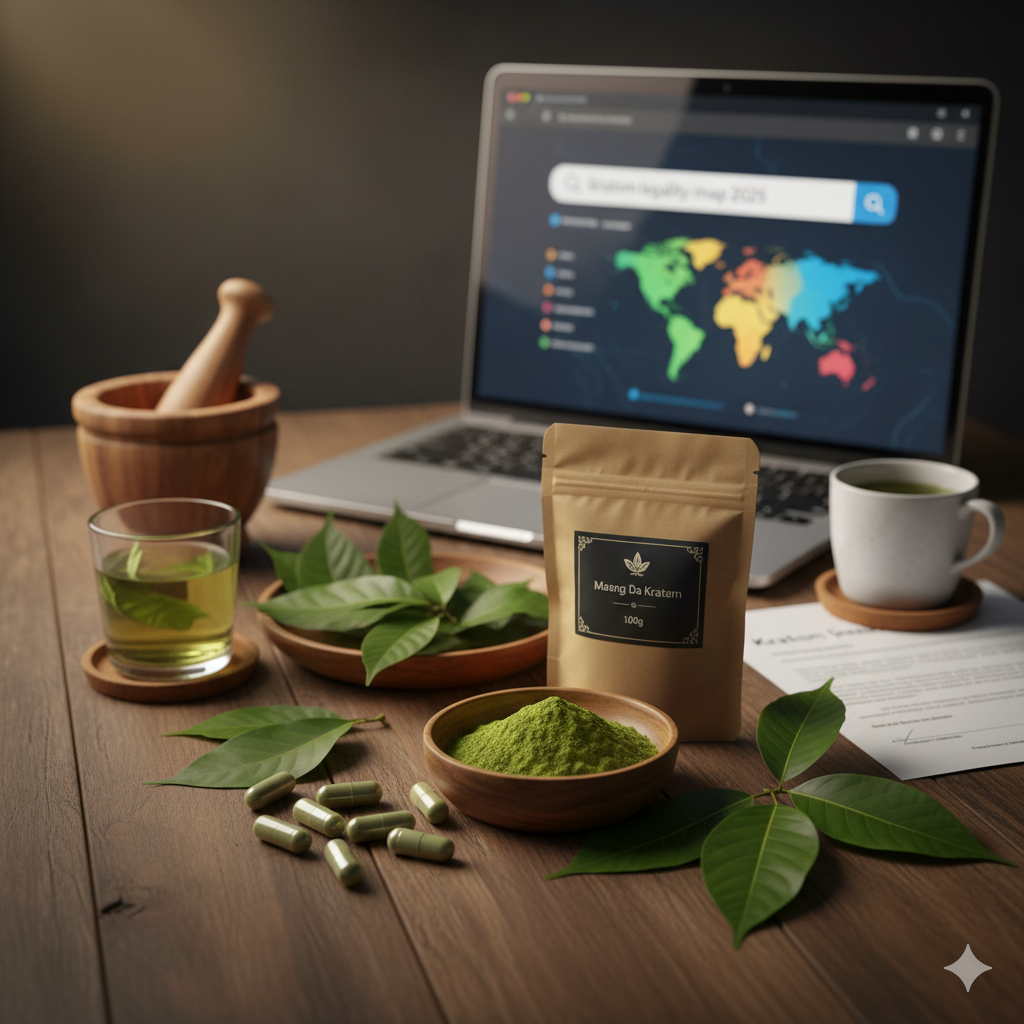
Ultimate Guide to Kratom: Uses, Effects, and Legality
Ultimate Guide to Kratom: Uses, Effects, and Legality
Kratom has emerged as one of the most controversial botanical substances in recent years, sparking intense debate among healthcare providers, researchers, regulatory agencies, and millions of users across the United States. As specialists in addiction medicine and mental health treatment, we recognize the critical need for balanced, evidence-based information about this complex plant and its effects on the human body.
This comprehensive guide examines kratom from multiple perspectives: its traditional uses and modern applications, the scientific evidence surrounding its effects, the complex legal landscape across different jurisdictions, and the genuine health concerns that have prompted warnings from federal agencies. Whether you’re seeking information for personal knowledge, considering kratom use, or concerned about a loved one, understanding the complete picture is essential for making informed decisions.
What Is Kratom (Mitragyna speciosa)?
Kratom is a tropical evergreen tree native to Southeast Asia, particularly Thailand, Malaysia, Indonesia, and Papua New Guinea. The leaves of Mitragyna speciosa have been used for centuries in traditional medicine throughout these regions, where workers would chew fresh leaves to combat fatigue and increase productivity during long days of manual labor.
The plant belongs to the coffee family (Rubiaceae) and contains dozens of active compounds, though two alkaloids receive the most attention from researchers: mitragynine and 7-hydroxymitragynine. These compounds interact with opioid receptors in the brain, though in a different manner than traditional opioid drugs like morphine or oxycodone.
In the United States and other Western countries, kratom is typically sold as a dried powder made from crushed leaves, in capsule form, or as extracts. Some vendors also offer kratom tea, tinctures, and other preparations. The U.S. Food and Drug Administration (FDA) has not approved kratom for any medical use, and the substance remains controversial among health authorities.
How Does Kratom Work in the Body?
Understanding kratom’s mechanism of action helps explain both its appeal and its risks. The primary active compound, mitragynine, acts as a partial agonist at mu-opioid receptors in the brain. This means it binds to the same receptors that respond to opioid medications and drugs, but activates them less fully than traditional opioids.
According to research compiled by the National Institute on Drug Abuse (NIDA), this partial agonist activity produces opioid-like effects including pain relief and euphoria, but potentially with a lower risk of respiratory depression compared to full opioid agonists. However, this does not mean kratom is safe or without serious risks.
Mitragynine also interacts with other receptor systems in the brain, including adrenergic, serotonergic, and dopaminergic pathways. This complex pharmacology may explain why different strains of kratom and varying doses can produce such different effects, ranging from stimulation to sedation.
The National Center for Complementary and Integrative Health (NCCIH) emphasizes that despite these known mechanisms, much remains unknown about how kratom affects the body, particularly with long-term use. The lack of rigorous clinical trials means that many claims about kratom’s effects rely on user reports rather than controlled scientific studies.
Is Kratom a Stimulant or a Sedative?
This question reveals one of kratom’s most distinctive characteristics: its dose-dependent effects. Unlike most substances that produce consistent effects regardless of dose (more alcohol equals more sedation, for example), kratom can act as either a stimulant or a sedative depending on how much is consumed.
At lower doses (typically 1-5 grams), users commonly report stimulant-like effects including increased energy, alertness, sociability, and reduced fatigue. Some describe these effects as similar to drinking strong coffee, though often more pronounced. This stimulating property explains why Southeast Asian laborers traditionally used kratom to enhance work capacity.
At higher doses (typically 5-15 grams or more), kratom tends to produce sedative and opioid-like effects including pain relief, relaxation, euphoria, and drowsiness. Users seeking these effects often do so for pain management or to manage anxiety.
The specific effects also vary based on the strain of kratom consumed. Understanding the different types of kratom strains and their effects helps explain this variability.
What Are the Different Types of Kratom Strains (Red, Green, White) and Their Effects?
Kratom vendors typically categorize their products by vein color and geographic origin, though the scientific validity of these distinctions remains debated. The three primary categories are:
Red Vein Kratom is generally associated with more sedating, pain-relieving effects. Users often choose red strains for managing discomfort, promoting relaxation, or aiding sleep. Popular varieties include Red Bali, Red Borneo, and Red Maeng Da.
White Vein Kratom is typically described as the most stimulating variety, providing energy, focus, and mood enhancement. Users seeking an alternative to coffee or energy drinks often gravitate toward white strains like White Maeng Da or White Thai.
Green Vein Kratom is considered a middle ground, offering balanced effects between stimulation and sedation. Many users report that green strains provide mild energy enhancement along with subtle pain relief. Green Malay and Green Maeng Da are common varieties.
The difference between Maeng Da and Bali kratom illustrates the variation within these categories. Maeng Da, which translates roughly to “pimp grade,” is marketed as a particularly potent strain available in red, white, and green varieties. Bali kratom, typically found in red and green forms, is often described as producing more relaxing effects with pronounced pain relief.
However, it’s crucial to note that these distinctions lack scientific standardization. The Mayo Clinic points out that kratom products are not regulated for purity or potency, meaning significant variation exists even within the same supposed strain. The alkaloid content can vary dramatically based on growing conditions, harvest time, processing methods, and storage.
Can Kratom Help with Pain Relief?
Pain management represents one of the most common reasons people turn to kratom. User testimonials frequently describe significant relief from chronic pain conditions including fibromyalgia, arthritis, back pain, and other persistent discomfort. Some individuals report that kratom provides pain relief comparable to prescription opioid medications without the same degree of sedation or cognitive impairment.
The best kratom for pain management, according to user reviews, tends to be red vein varieties, particularly Red Bali and Red Borneo, typically taken at moderate to high doses. The opioid receptor activity of mitragynine and 7-hydroxymitragynine provides a plausible mechanism for these pain-relieving effects.
However, the scientific evidence supporting kratom for pain remains limited. While animal studies have demonstrated analgesic properties, high-quality human clinical trials are largely absent. The FDA has not approved kratom for pain management or any other medical condition, and warns against using it for self-treatment.
Research available through the National Library of Medicine includes case reports and observational studies suggesting potential benefits, but also documents serious adverse events. The long-term effects of kratom on the liver and other organ systems remain inadequately studied, raising concerns about chronic use for pain management.
For individuals seeking pain relief, exploring evidence-based treatment options through qualified healthcare providers remains the safest approach. Professional treatment programs can provide comprehensive pain management strategies that address both physical discomfort and underlying conditions.
Can Kratom Help with Opioid Withdrawal or Addiction?
Perhaps no aspect of kratom generates more passionate advocacy than its reported use in managing opioid withdrawal and addiction. Thousands of individuals have shared testimonials claiming that kratom helped them discontinue prescription opioids or heroin, describing it as a bridge to recovery or a harm reduction tool.
The pharmacological rationale for this application has merit: as a partial opioid agonist, kratom can potentially alleviate withdrawal symptoms by providing milder opioid receptor stimulation while the body adjusts to the absence of stronger opioids. Some users report that kratom helped them avoid the severe withdrawal symptoms that make opioid discontinuation so challenging.
Research from NIDA acknowledges that kratom is indeed used for this purpose and that preliminary evidence suggests it may have some utility. However, critical concerns temper any enthusiasm:
First, kratom itself has addiction potential. Using one substance with abuse liability to treat dependence on another creates obvious risks. Many individuals who initially used kratom to quit opioids find themselves dependent on kratom instead.
Second, kratom use for opioid withdrawal lacks rigorous clinical validation. While anecdotal reports are numerous, controlled studies demonstrating safety and efficacy are absent. The optimal dosing, duration of use, and transition strategies remain undefined.
Third, kratom use may delay engagement with evidence-based addiction treatment. Medications like buprenorphine and methadone, when combined with counseling and support, represent the gold standard for opioid use disorder treatment. These medications have extensive research supporting their safety and effectiveness, along with medical supervision to manage complications.
For individuals struggling with opioid addiction, seeking professional help through inpatient rehabilitation programs or outpatient treatment offers the best chance of sustained recovery. Medical professionals can provide safe detoxification, evidence-based medications, and comprehensive support addressing the psychological and social aspects of addiction.
Understanding what to expect during detox and the difference between inpatient and outpatient detox helps individuals make informed decisions about their treatment path.
What Is the Recommended Kratom Dosage for a Beginner?
For individuals who choose to use kratom despite the known risks, understanding dosing is critical for harm reduction. However, we must emphasize that no dose of kratom is officially recommended or approved by medical authorities.
That said, user communities generally suggest the following guidelines:
For beginners: 1-2 grams is typically recommended as an initial dose. This conservative approach allows individuals to assess their sensitivity and response before increasing the amount.
Low dose (stimulant effects): 1-5 grams
Moderate dose (balanced effects): 5-10 grams
High dose (sedative effects): 10-15 grams
The recommended kratom dosage for energy specifically falls in the lower range, typically 2-4 grams of a white or green strain. Users seeking this effect often report that less is more, with higher doses producing unwanted sedation.
Several factors complicate dosing:
Kratom powder vs capsules which is better? Both methods deliver similar effects, but capsules offer more precise dosing and avoid the bitter taste of kratom powder. However, capsules may take longer to produce effects since they must first dissolve. Powder allows for faster absorption but requires careful measurement and tolerance of the taste. Many users employ the “toss and wash” method, placing powder in the mouth and quickly washing it down with liquid.
Product variability presents significant challenges. Since kratom products lack standardization, the alkaloid content varies dramatically between vendors and even between batches from the same vendor. A dose that produces mild effects from one source might be much stronger or weaker from another.
Individual factors including body weight, metabolism, tolerance, and sensitivity all influence kratom’s effects. What works for one person may be inadequate or excessive for another.
Tolerance development occurs with regular use, prompting some individuals to increase their doses over time. This escalation increases both the risk of dependence and the potential for adverse effects.
Is kratom safe to take daily? The evidence suggests significant concerns with daily use. Regular consumption can lead to tolerance, dependence, and withdrawal symptoms upon discontinuation. Some long-term users develop a darkening of the skin (hyperpigmentation), particularly on the cheeks, which may be permanent.
How Long Does Kratom Take to Kick In?
The onset of kratom’s effects depends on several factors including the method of consumption, whether taken on an empty or full stomach, and individual metabolism. Understanding the timeline helps users anticipate effects and avoid the dangerous practice of “redosing” too quickly.
Kratom powder typically begins producing noticeable effects within 10-20 minutes when taken on an empty stomach, with peak effects occurring around 1-2 hours after consumption. Taking kratom with food significantly delays absorption, potentially extending onset to 30-45 minutes or longer.
Kratom capsules generally take longer to produce effects since the gelatin capsule must first dissolve in the stomach. Users typically report onset within 20-30 minutes, though sometimes longer, with peak effects at 1.5-2.5 hours.
Kratom tea made by steeping powder in hot water may produce faster effects for some users, potentially within 10-15 minutes, as the alkaloids are already in solution. However, how to make kratom tea effectively requires proper technique to extract the alkaloids efficiently without destroying them with excessive heat.
How long do the effects of kratom last? The duration also varies by dose and individual factors, but generally:
- Low doses: 2-3 hours
- Moderate doses: 3-5 hours
- High doses: 5-8 hours
How long does kratom stay in your system extends beyond the duration of effects. The primary alkaloid mitragynine has a half-life of approximately 3.5 hours, but complete elimination takes considerably longer. Metabolites may be detectable for several days after use, though standard drug tests do not typically screen for kratom.
What Are the Most Common Side Effects of Kratom?
While kratom advocates often emphasize benefits, understanding the most common kratom side effects for beginners and experienced users is essential for informed decision-making. The FDA and other health authorities have documented numerous adverse effects, some potentially serious.
Common side effects reported by users and documented in medical literature include:
- Nausea and vomiting (especially at higher doses or in new users)
- Constipation (similar to traditional opioids)
- Drowsiness and sedation
- Dizziness and confusion
- Dry mouth
- Increased urination
- Loss of appetite
- Sweating
- Itching
Less common but serious side effects include:
- Liver toxicity and hepatitis (the FDA has received reports of liver damage, including some fatal cases)
- Seizures
- Rapid heart rate and high blood pressure
- Psychosis and hallucinations (particularly with very high doses)
- Tremors
- Respiratory depression (especially when combined with other substances)
How does kratom affect sleep varies considerably. Low doses may interfere with sleep due to stimulant effects, while higher doses might promote sleep initially. However, long-term users sometimes report sleep disturbances, including insomnia during withdrawal periods.
The long-term effects of kratom on the liver represent a particular concern. Multiple case reports document liver injury associated with kratom use, ranging from mild enzyme elevations to acute liver failure requiring transplantation. The FDA maintains documentation of serious adverse events, including deaths involving kratom.
Can you mix kratom with coffee? While some users combine these substances seeking enhanced stimulation, this combination increases the risk of adverse effects including anxiety, jitters, rapid heart rate, and elevated blood pressure. The interaction between kratom and caffeine remains poorly studied.
Kratom for anxiety and depression user testimonials reveal mixed results. Some individuals report mood improvement and anxiety reduction, while others experience increased anxiety, particularly as effects wear off or during withdrawal. The lack of clinical trials means these effects remain unpredictable and potentially risky for individuals with mental health conditions.
For those experiencing co-occurring mental health and substance use issues, comprehensive dual diagnosis treatment provides integrated care addressing both conditions simultaneously.
What Are the Signs of a Kratom Overdose?
Understanding signs of kratom overdose what to look for can be lifesaving. While pure kratom overdoses appear less likely to cause fatal respiratory depression compared to traditional opioids, serious toxicity can occur, particularly with high doses or contaminated products.
Warning signs of kratom overdose include:
- Severe nausea and vomiting
- Extreme drowsiness or loss of consciousness
- Confusion and disorientation
- Agitation or combativeness
- Rapid heart rate
- High blood pressure
- Seizures
- Tremors
- Hallucinations
- Difficulty breathing
What is the strongest kratom strain available? Enhanced or extract products contain concentrated alkaloids and present particular overdose risks. These products can deliver much higher doses than traditional leaf powder, making accurate dosing difficult and increasing the likelihood of serious adverse effects.
Kratom-related deaths have occurred, though many cases involve polysubstance use. According to CDC data analyzed by public health researchers, kratom is often found alongside other substances including opioids, benzodiazepines, and alcohol. However, some cases involve kratom as the only identifiable substance, particularly when contaminated products or very high doses are involved.
If someone exhibits signs of serious kratom toxicity, emergency medical attention is warranted. Call 911 and provide as much information as possible about what was taken and when.
What Are the Long-Term Effects of Using Kratom Daily?
Is kratom physically addictive? The evidence clearly indicates yes. Regular kratom use leads to tolerance, physical dependence, and withdrawal symptoms upon discontinuation. The Drug Enforcement Administration (DEA) lists kratom as a “Drug and Chemical of Concern” precisely because of these properties.
Physical effects of long-term daily use documented in medical literature include:
- Dependence and addiction: Regular users often find themselves unable to stop despite wanting to, experiencing cravings and compulsive use patterns similar to other substances.
- Tolerance: Over time, the same dose produces diminished effects, prompting users to increase consumption. Some long-term users report taking 20-50 grams daily or more.
- Hyperpigmentation: Darkening of facial skin, particularly the cheeks, has been reported in chronic users. This effect may persist even after discontinuation.
- Weight loss: Decreased appetite and metabolic changes can lead to significant weight loss in daily users.
- Hormonal changes: Some male users report decreased libido and erectile dysfunction with chronic use.
- Cognitive effects: Memory problems and difficulty concentrating have been reported, though more research is needed.
- Liver damage: As mentioned, hepatotoxicity represents a serious concern with regular use.
Psychological effects can include:
- Increased anxiety or depression during withdrawal periods
- Mood swings and irritability
- Social isolation or relationship problems related to use
- Financial strain from purchasing kratom regularly
The kratom withdrawal timeline how long do symptoms last varies based on duration and amount of use, but typically includes:
- Days 1-2: Anxiety, restlessness, irritability, sweating, runny nose, and watery eyes begin. Muscle aches and cravings intensify.
- Days 3-5: Symptoms peak. Users may experience significant discomfort including severe muscle pain, insomnia, mood disturbances, and intense cravings.
- Days 6-7: Acute physical symptoms begin to subside, though psychological symptoms including depression, anxiety, and cravings may persist.
- Weeks 2-4: Most acute symptoms resolve, but some individuals experience post-acute withdrawal symptoms including low energy, depression, and cravings for several weeks or months.
How to safely stop taking kratom depends on the severity of dependence. Options include:
Tapering: Gradually reducing the dose over several weeks minimizes withdrawal severity. How to taper kratom dosage to avoid withdrawal typically involves reducing daily intake by 0.5-1 gram every few days, though individualized approaches work better for some people.
Medications to help with kratom withdrawal may include symptom-specific treatments like anti-nausea medication, sleep aids, or anti-anxiety medications. Can a doctor prescribe medication for kratom withdrawal? Yes, physicians can provide medications to manage specific withdrawal symptoms, though no FDA-approved medication specifically treats kratom dependence.
Professional treatment: For severe dependence, professional detoxification and treatment offers medical supervision, psychological support, and comprehensive care.
Best supplements for kratom withdrawal relief commonly mentioned include:
- Magnesium for muscle aches and restless legs
- Vitamin C in high doses (though evidence is anecdotal)
- L-theanine for anxiety
- Ashwagandha for stress and mood
- Black seed oil (some users report significant help, though scientific evidence is limited)
However, supplements should not replace professional medical care for moderate to severe dependence.
Is Kratom Legal in the United States?
The legal status of kratom represents a complex, evolving patchwork that varies by jurisdiction. Understanding is kratom a controlled substance federally and state-by-state regulations is essential for anyone considering kratom use or currently using it.
Federal Status of Kratom in the US 2025
At the federal level, kratom is not currently scheduled as a controlled substance under the Controlled Substances Act. The DEA has considered scheduling kratom multiple times, most notably in 2016 when it announced intent to place mitragynine and 7-hydroxymitragynine in Schedule I. Significant public backlash, including advocacy from users and some researchers, led the DEA to withdraw this notice and solicit additional public comment.
What is Mitragynine and why is it regulated? Mitragynine is the primary active alkaloid in kratom, comprising up to 66% of total alkaloid content. Its opioid receptor activity and abuse potential have made it a target for regulation, though it remains federally unscheduled.
However, federal non-scheduling does not mean federal approval or freedom from oversight. FDA warnings about kratom have been consistent and emphatic. The FDA has:
- Issued multiple public health advisories warning about kratom’s risks
- Taken action against companies making unsubstantiated health claims about kratom products
- Seized shipments of kratom imported into the United States
- Linked kratom to numerous deaths and adverse events
- Explicitly stated that kratom should not be used to treat medical conditions or as an alternative to prescription opioids
The FDA maintains that kratom has not been proven safe and effective for any use and warns consumers against using it.
State-by-State Legal Status
Is kratom legal in all states, or are there state-by-state bans? Kratom’s legal status varies significantly across states:
States where kratom is illegal (complete bans):
- Alabama
- Arkansas
- Indiana
- Rhode Island
- Vermont
- Wisconsin
Why is kratom banned in Wisconsin and Indiana? These states cited concerns about abuse potential, public health risks, and the lack of FDA approval in their decisions to prohibit kratom. Each state’s ban resulted from legislative action based on local concerns about substance abuse.
States with partial restrictions (age restrictions or specific regulations):
- Arizona: Legal, with the Kratom Consumer Protection Act establishing testing standards and age restrictions (18+)
- California: Legal statewide, but some counties and cities have local bans (San Diego, Oceanside, others)
- Colorado: Legal with some local restrictions
- Florida: Legal statewide with age restriction (18+), but banned in Sarasota County
- Georgia: Legal with age restriction (18+)
- Illinois: Legal with age restriction (18+) under the Kratom Consumer Protection Act
- Minnesota: Legal with age restriction (18+)
- Nevada: Legal with age restriction (18+) under the Kratom Consumer Protection Act
- New Hampshire: Legal with product testing and labeling requirements
- New York: Legal (after repealing a proposed ban)
- Oregon: Legal with age restriction (18+)
- Tennessee: Legal with age restriction (21+)
- Texas: Legal statewide, but banned in specific areas including San Diego (Texas city), Union County
- Utah: Legal with the Kratom Consumer Protection Act and age restriction (18+)
- Virginia: Legal with regulation under the Kratom Consumer Protection Act
The remaining states have no specific kratom legislation, meaning it remains legal but unregulated.
Local city bans on kratom what to know: Even in states where kratom is legal, individual cities and counties may impose restrictions. San Diego, California; Sarasota County, Florida; and several others have local prohibitions despite state-level legality. Always verify local laws before purchasing or possessing kratom.
Kratom Consumer Protection Act (KCPA)
Is the Kratom Consumer Protection Act (KCPA) passed in my state? The KCPA represents model legislation developed by the American Kratom Association to establish standards for kratom products rather than ban them outright. States that have passed versions of the KCPA include Arizona, Georgia, Nevada, and Utah, with legislation pending in major states including others considering similar frameworks.
The KCPA typically includes:
- Age restrictions (usually 18+)
- Prohibition of contaminated or adulterated products
- Labeling requirements including alkaloid content
- Testing requirements for contaminants
- Penalties for violations
Does my state have a kratom testing requirement? States with KCPA legislation generally require third-party testing for:
- Heavy metals (lead, mercury, arsenic)
- Microbial contamination (salmonella, E. coli)
- Alkaloid content verification
- Absence of synthetic adulterants
These requirements aim to ensure product safety without imposing complete prohibition.
Purchasing and Travel Considerations
Is kratom legal to buy online and ship to all states? No. Reputable vendors will not ship kratom to states or localities where it is banned. However, the unregulated nature of the kratom market means enforcement varies.
What are the age restrictions for buying kratom by state? In states with specific regulations, age requirements range from 18 to 21 years old. In states without specific kratom legislation, vendors often voluntarily impose age restrictions.
Travel with kratom on a plane domestic rules: The Transportation Security Administration (TSA) does not specifically prohibit kratom in carry-on or checked baggage for domestic flights, provided you’re traveling between locations where it’s legal. However, traveling to or from a state where kratom is illegal creates legal risk. International travel with kratom is strongly discouraged, as many countries prohibit it entirely.
Kratom legal status in Texas 2025 update: Kratom remains legal in Texas at the state level, though some cities and counties have local bans. Texas kratom legislation pending in major states discussions continue about potential statewide regulation.
Can Kratom Show Up on a Drug Test?
Employment screening and legal requirements make drug testing a common concern for kratom users. Understanding what kind of drug test detects kratom alkaloids helps individuals make informed decisions.
Is kratom detected in a standard 5-panel drug test? No. Standard employment drug tests (5-panel, 10-panel, or even 12-panel tests) do not screen for kratom alkaloids. These tests look for:
- Marijuana (THC)
- Cocaine
- Amphetamines
- Opiates (morphine, codeine, heroin metabolites)
- Phencyclidine (PCP)
- Benzodiazepines (in expanded panels)
- Barbiturates (in expanded panels)
- Other common drugs of abuse
Kratom’s unique alkaloid profile means it will not trigger positive results for opiates, despite its opioid receptor activity.
However, specialized tests can detect kratom. What kind of drug test detects kratom alkaloids? Specific testing for mitragynine requires:
- Liquid chromatography-mass spectrometry (LC-MS)
- Gas chromatography-mass spectrometry (GC-MS)
- Other specialized analytical methods
These tests are expensive and rarely used outside of specific circumstances such as:
- Forensic investigations
- Suspected kratom toxicity in medical settings
- Specialized monitoring programs
- Some military or government positions
- Specific court-ordered testing
How to pass a kratom drug test (if legal): If you’re in a situation where kratom testing is possible and kratom is legal in your location, abstaining for at least 5-7 days before testing typically allows metabolites to clear. However, heavy, long-term users might require longer abstinence periods.
Important considerations:
- Some kratom products contain adulterants including synthetic opioids, which would trigger positive results on standard tests
- Cross-reactivity with opioid tests is possible but rare with pure kratom
- Disclosure to testing authorities about legal kratom use before testing may be advisable in some contexts
Best Way to Take Kratom: Methods of Consumption
What is the best way to take Kratom (Toss and Wash, Capsules, Tea, etc.)? Each method has advantages and disadvantages:
Toss and Wash
- Method: Place powder in mouth, immediately wash down with liquid
- Pros: Fast onset, complete alkaloid absorption, cost-effective
- Cons: Bitter taste, risk of choking, difficult to measure precisely
Capsules
- Method: Pre-measured powder in gelatin or vegetarian capsules
- Pros: Precise dosing, no taste, portable, discrete
- Cons: More expensive, slower onset, requires swallowing multiple capsules
Tea
- Method: Steep powder in hot (not boiling) water for 15-20 minutes, strain
- Pros: Pleasant preparation ritual, easier on stomach for some, reduces nausea
- Cons: Incomplete alkaloid extraction, difficult to gauge potency, time-consuming
Mixed in Food/Drinks
- Method: Blend powder into smoothies, yogurt, apple sauce, or other foods
- Pros: Masks bitter taste, easier to consume
- Cons: May delay absorption, requires consuming full portion
Extracts and Enhanced Products
- Method: Concentrated forms with higher alkaloid content
- Pros: Smaller volume needed, potentially more consistent potency
- Cons: Significantly more expensive, higher overdose risk, faster tolerance development
Regardless of method, measuring doses accurately is essential for harm reduction.
Can Kratom Be Mixed Safely with Alcohol or Other Medications?
Drug interactions represent serious safety concerns with kratom. Can kratom be mixed safely with alcohol or other medications? The short answer is that combining kratom with other substances increases risks, sometimes dramatically.
Kratom and Alcohol Combining these substances can lead to:
- Increased sedation and central nervous system depression
- Greater risk of nausea and vomiting
- Impaired judgment and coordination
- Potential respiratory depression
- Increased risk of blackouts
College students and young adults particularly should understand the serious risks of substance combinations. Information about binge drinking dangers highlights why mixing substances creates compounded risks.
Kratom and Opioids This combination is particularly dangerous due to:
- Additive opioid receptor stimulation
- Increased respiratory depression risk
- Greater overdose potential
- Unpredictable effects
Kratom and Benzodiazepines Both substances cause central nervous system depression, leading to:
- Severe sedation
- Respiratory depression
- Loss of consciousness
- Overdose risk
Kratom and Antidepressants (SSRIs/SNRIs) Potential serotonin syndrome concerns, though documented cases are rare. Symptoms could include:
- Agitation and confusion
- Rapid heart rate
- High blood pressure
- Tremors and muscle rigidity
Kratom and Stimulants Conflicting effects on the cardiovascular system may cause:
- Irregular heart rhythms
- Elevated blood pressure
- Increased strain on the heart
Kratom and Other Medications Kratom is metabolized by liver enzymes (particularly CYP3A4 and CYP2D6), potentially interfering with numerous medications including:
- Blood thinners
- Antipsychotics
- Antiarrhythmics
- Other medications metabolized by the same pathways
Anyone taking prescription medications should consult a healthcare provider before considering kratom use.
The Science: What Research Says About Kratom
Clinical research on kratom remains limited compared to many other substances, though the scientific literature has expanded in recent years. According to StatPearls medical reference, a comprehensive clinical resource for healthcare professionals, kratom presents a complex pharmacological profile with both potential therapeutic applications and significant toxicity concerns.
Pharmacology Research: Studies have identified over 40 alkaloids in kratom, with mitragynine and 7-hydroxymitragynine receiving the most attention. Research demonstrates that:
- These compounds act as partial agonists at mu-opioid receptors
- They also interact with kappa and delta opioid receptors
- Additional activity occurs at adrenergic and serotonergic receptors
- The pharmacology differs substantially from traditional opioids
Pain Research: Animal studies demonstrate analgesic effects, but human clinical trials remain scarce. The few observational studies suggest users report pain relief, but placebo-controlled trials are needed to establish efficacy and safety.
Addiction Treatment Research: Preliminary studies suggest kratom use for opioid withdrawal management shows some promise, but significant concerns exist:
- Small sample sizes limit conclusions
- Most research is observational rather than controlled
- High rates of kratom dependence development in these populations
- Lack of long-term outcome data
Toxicology Research: Case reports and poison control data document:
- Liver injury ranging from mild to fatal
- Seizures in some users, particularly at high doses
- Cardiac effects including arrhythmias
- Deaths involving kratom, often in combination with other substances
Research Gaps: Major questions remain unanswered:
- Optimal dosing for any indication
- Long-term health effects of chronic use
- Safety in special populations (pregnancy, liver disease, etc.)
- Interaction profiles with common medications
- Standardization of products and alkaloid content
The National Center for Complementary and Integrative Health emphasizes that much remains unknown and that current evidence does not support kratom use for medical purposes.
Making Informed Decisions: Harm Reduction Perspectives
For individuals who choose to use kratom despite the risks and lack of FDA approval, harm reduction principles can minimize potential harms:
If Using Kratom:
- Start with the lowest possible dose and increase gradually only if needed
- Source products carefully from vendors who provide third-party testing for contaminants and alkaloid content
- Avoid daily use to minimize dependence risk
- Never mix with other substances, particularly alcohol, opioids, or benzodiazepines
- Disclose use to healthcare providers, especially before surgery or when prescribed new medications
- Monitor for adverse effects including liver problems (jaundice, dark urine, abdominal pain)
- Avoid use if pregnant or breastfeeding, as effects on fetal development are unknown
- Have a plan to stop periodically to prevent escalating tolerance and dependence
- Seek help if dependence develops rather than trying to manage it alone
When to Seek Professional Help:
- If you’ve tried to stop using kratom but cannot
- If kratom use is causing problems in relationships, work, or other life areas
- If you’re experiencing troubling physical or psychological symptoms
- If you’re using kratom to cope with underlying mental health issues
- If you’re considering using kratom to self-treat opioid addiction
Professional addiction treatment resources provide comprehensive support for substance use disorders, addressing not just the substance use but underlying factors contributing to it.
Alternative Approaches: Evidence-Based Treatment Options
For individuals considering kratom for pain management, opioid addiction, or mental health concerns, evidence-based alternatives offer better safety profiles and clinical support:
For Pain Management:
- Physical therapy and rehabilitation
- Non-opioid pain medications (NSAIDs, acetaminophen, topicals)
- Interventional pain procedures
- Cognitive behavioral therapy for pain
- Complementary approaches (acupuncture, massage, mindfulness)
For Opioid Addiction:
- Medication-assisted treatment with buprenorphine, methadone, or naltrexone
- Inpatient or outpatient rehabilitation programs
- Individual and group counseling
- Peer support programs
- Comprehensive medical and psychological care
For Anxiety and Depression:
- Evidence-based psychotherapy (CBT, DBT, others)
- FDA-approved antidepressant or anti-anxiety medications
- Lifestyle modifications (exercise, sleep hygiene, stress management)
- Support groups and peer support
- Integrated treatment for co-occurring conditions
These approaches benefit from:
- Extensive research supporting their safety and effectiveness
- Medical supervision to manage side effects and complications
- Legal protections and insurance coverage
- Integration with overall healthcare
Frequently Asked Questions (FAQ)
What is Kratom (Mitragyna speciosa)?
Kratom is a tropical tree native to Southeast Asia whose leaves contain compounds that can produce opioid-like effects and stimulation depending on the dose. The leaves have been used traditionally in Southeast Asian countries for centuries, but kratom has not been approved for medical use by the FDA and remains controversial due to safety concerns.
How does Kratom work in the body?
Kratom’s primary active compound, mitragynine, acts as a partial agonist at opioid receptors in the brain, producing effects similar to but distinct from traditional opioids. It also affects other neurotransmitter systems including serotonin, dopamine, and adrenergic pathways, creating complex effects that vary by dose and individual factors.
Is Kratom a stimulant or a sedative?
Kratom exhibits dose-dependent effects. At lower doses (typically 1-5 grams), it produces stimulant-like effects including increased energy, alertness, and sociability. At higher doses (typically 5-15 grams or more), it produces sedative, pain-relieving, and euphoric effects similar to opioid medications.
How long do the effects of Kratom last?
Kratom effects typically last 2-5 hours depending on the dose and individual factors. Low doses tend to produce effects lasting 2-3 hours, while higher doses may produce effects lasting 5-8 hours. Peak effects usually occur 1-2 hours after consumption.
What is the recommended Kratom dosage for a beginner?
No kratom dosage is medically recommended or FDA-approved. However, user communities suggest beginners start with 1-2 grams to assess sensitivity and response. It’s important to note that product potency varies significantly between vendors, making consistent dosing difficult.
What are the different types of Kratom strains (Red, Green, White) and their effects?
Kratom strains are categorized by vein color: Red vein varieties are typically associated with sedation and pain relief; white vein varieties are associated with energy and stimulation; green vein varieties are considered balanced with moderate effects. However, these distinctions lack scientific standardization, and effects vary considerably between individuals and products.
Is Kratom safe to use? What are the main risks?
The FDA and medical authorities consider kratom unsafe. Main risks include liver damage, seizures, addiction and dependence, withdrawal symptoms, interactions with other substances, contaminated products, and death in some cases. The lack of regulation means product purity and potency vary widely, creating additional safety concerns.
What are the most common side effects of Kratom?
Common side effects include nausea, vomiting, constipation, drowsiness, dizziness, dry mouth, itching, sweating, and loss of appetite. More serious side effects can include liver damage, seizures, psychosis, respiratory depression (especially when combined with other substances), and cardiovascular problems.
Can Kratom help with pain relief?
User testimonials frequently describe pain relief from kratom, and animal studies demonstrate analgesic properties. However, high-quality human clinical trials are lacking, and the FDA has not approved kratom for pain management. Long-term safety data is inadequate, and the risk of dependence with chronic use for pain is significant.
Can Kratom help with opioid withdrawal or addiction?
Some individuals report using kratom to manage opioid withdrawal symptoms, and preliminary research suggests potential utility. However, kratom itself has addiction potential, and using it to self-treat opioid addiction risks developing kratom dependence while delaying engagement with evidence-based treatment. Medical-assisted treatment with buprenorphine or methadone, combined with counseling, remains the gold standard for opioid use disorder.
What are the long-term effects of using Kratom daily?
Long-term daily use leads to tolerance, physical dependence, and withdrawal symptoms upon stopping. Documented effects include darkening of facial skin (hyperpigmentation), weight loss, potential liver damage, hormonal changes, cognitive impacts, and psychological dependence. Many long-term users find themselves unable to stop despite wanting to discontinue use.
What are the signs of a Kratom overdose?
Signs of kratom overdose include severe nausea and vomiting, extreme drowsiness or loss of consciousness, confusion, agitation, rapid heart rate, high blood pressure, seizures, tremors, hallucinations, and difficulty breathing. While pure kratom overdoses may be less likely to cause fatal respiratory depression than traditional opioids, serious toxicity can occur, particularly with contaminated products or very high doses.
Is Kratom legal in the United States?
Kratom is not scheduled as a controlled substance at the federal level, but its legal status varies by state. Six states have complete bans (Alabama, Arkansas, Indiana, Rhode Island, Vermont, Wisconsin), while many others have age restrictions or specific regulations. Some cities and counties also impose local bans even in states where kratom is otherwise legal. Always verify local laws before purchasing or possessing kratom.
Is Kratom legal in all states, or are there state-by-state bans?
Kratom faces a patchwork of state laws. Complete bans exist in six states, partial restrictions including age limits exist in many others, and some states have passed the Kratom Consumer Protection Act establishing testing and labeling standards. Local jurisdictions may also impose restrictions independent of state law.
Is Kratom a controlled substance?
No, kratom is not currently scheduled under the federal Controlled Substances Act, though the DEA has considered scheduling it multiple times. The DEA lists kratom as a “Drug and Chemical of Concern” due to its abuse potential and lack of accepted medical use.
Are there age restrictions for buying Kratom products?
Age restrictions vary by state. States with specific kratom legislation typically require buyers to be 18 or 21 years old. Even in states without specific laws, many vendors voluntarily restrict sales to adults. Checking both state and local regulations is essential.
What is the FDA’s stance on Kratom?
The FDA strongly warns against kratom use, stating it has not been shown to be safe or effective for any medical condition. The FDA has issued multiple public health advisories, linked kratom to deaths and serious adverse events, taken enforcement action against companies making health claims, and seized kratom shipments. The FDA’s position is unequivocally that kratom should not be used.
Can Kratom show up on a drug test?
Standard employment drug tests (5-panel, 10-panel, etc.) do not screen for kratom and will not detect its use. However, specialized testing using liquid or gas chromatography-mass spectrometry can detect kratom alkaloids if specifically requested. Such testing is rare and typically occurs only in forensic contexts, specialized monitoring programs, or specific legal situations.
What is the best way to take Kratom (Toss and Wash, Capsules, Tea, etc.)?
Common methods include “toss and wash” (placing powder in mouth and washing down with liquid), capsules (pre-measured doses), tea (steeping powder in hot water), and mixing in foods or drinks. Each method has trade-offs between convenience, taste, absorption speed, and cost. Capsules offer precise dosing and avoid the bitter taste but cost more and have slower onset.
Can Kratom be mixed safely with alcohol or other medications?
No. Combining kratom with alcohol, opioids, benzodiazepines, or other central nervous system depressants significantly increases the risk of severe sedation, respiratory depression, and overdose. Kratom also interacts with various medications through liver enzyme pathways, potentially affecting their effectiveness or increasing side effects. Anyone taking prescription medications should consult a healthcare provider before considering kratom.
Conclusion: Weighing the Evidence
Kratom exists in a complex space between traditional botanical medicine and controversial psychoactive substance. While millions of Americans use kratom and many report benefits, the scientific evidence supporting these uses remains preliminary at best. The FDA, DEA, and medical organizations have issued consistent warnings about kratom’s safety profile and abuse potential.
For individuals considering kratom use, the key considerations include:
Against use:
- No FDA-approved medical applications
- Significant addiction and dependence potential
- Risk of serious adverse effects including liver damage and seizures
- Product variability and contamination concerns
- Legal risks in many jurisdictions
- Limited long-term safety data
- Potential to delay engagement with evidence-based treatment
Arguments for use (from advocates):
- Traditional use spanning centuries
- User testimonials reporting benefits for pain, energy, and opioid withdrawal
- Perceived lower risk than some alternatives
- Availability and relative affordability
Ultimately, decisions about kratom use should be made with full awareness of both the potential benefits reported by users and the significant risks documented by medical authorities. For those struggling with pain, addiction, or mental health concerns, exploring evidence-based treatment options through qualified healthcare providers offers the safest path forward.
Resources like The Recover provide comprehensive information and connections to professional treatment services for individuals facing substance use challenges. Whether dealing with kratom dependence specifically or other substance use concerns, professional support dramatically improves outcomes and reduces health risks.
The kratom debate will likely continue as research gradually fills knowledge gaps and as regulatory agencies weigh public health concerns against individual liberty considerations. In the meantime, honest, complete information empowers individuals to make informed choices about their health and wellbeing.
This article is intended for informational purposes only and does not constitute medical advice. The information presented reflects current understanding as of 2025 but should not replace consultation with qualified healthcare professionals. If you are struggling with substance use, pain management, or mental health concerns, please seek professional help.
Resources and References:
- U.S. Food & Drug Administration (FDA): FDA and Kratom
- Drug Enforcement Administration (DEA): Kratom Fact Sheet
- National Institute on Drug Abuse (NIDA): Kratom Research
- National Center for Complementary and Integrative Health (NCCIH): Kratom Information
- National Library of Medicine: Kratom Research Database
- Mayo Clinic: Kratom: Unsafe and Ineffective
- StatPearls: Kratom Toxicity
For Help with Addiction or Mental Health:
- The Recover: Main Site
- Inpatient Rehabilitation: Programs
- Dual Diagnosis Treatment: Integrated Care
- Detox Information: What to Expect