


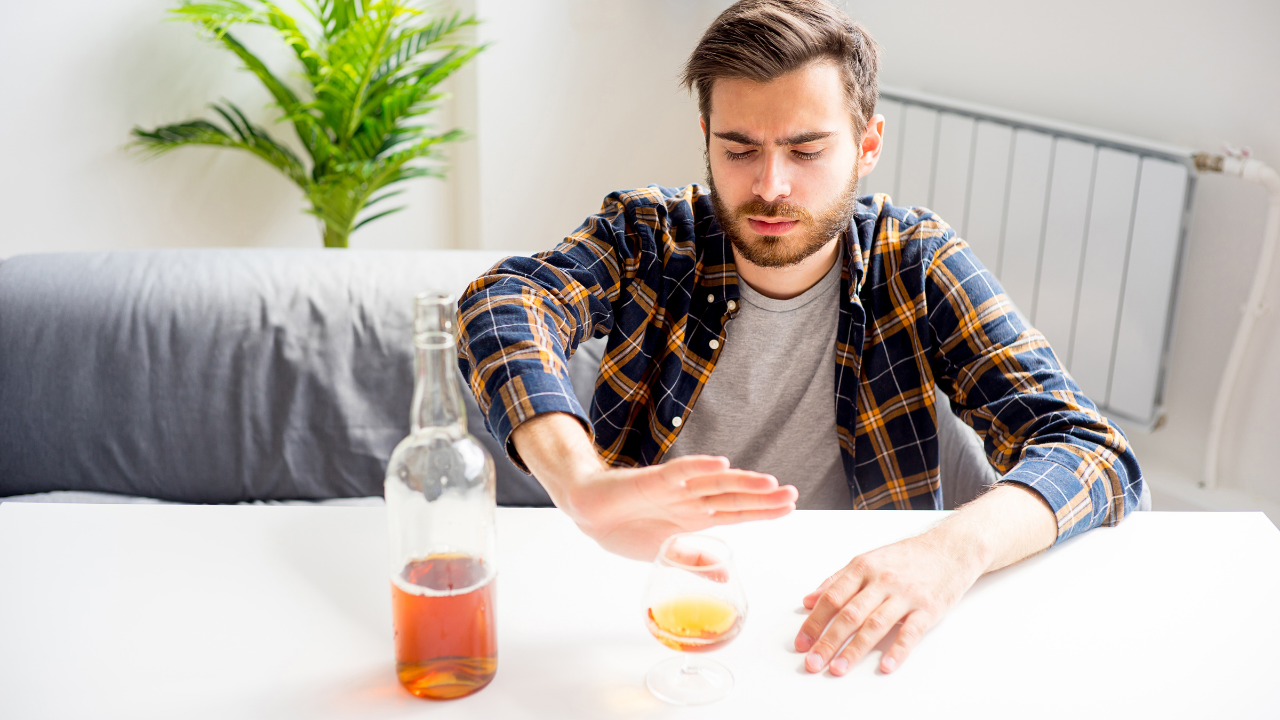
Alcohol Detox At Home | Is It Safe?
Jake stared at the empty bottle on her kitchen counter, knowing she’d reached a crossroads. After years of struggling with alcohol dependency, she was finally ready to stop drinking. But the thought of checking into a treatment facility felt overwhelming. Like many people considering recovery, she wondered: “Can I safely do alcohol detox at home?”
If you’re asking yourself this same question, you’re not alone. Thousands of people each year consider at-home detox as their first step toward sobriety. While it’s possible under certain circumstances, the decision requires careful consideration, proper preparation, and honest assessment of your situation.
This comprehensive guide will walk you through everything you need to know about alcohol detox at home, from understanding withdrawal symptoms to creating a safe environment for recovery. We’ll explore both the possibilities and limitations of home detox, helping you make an informed decision about your path to recovery.
Understanding Alcohol Detox: What Happens to Your Body
When you stop drinking alcohol after prolonged use, your body goes through a complex adjustment process called detoxification. Your central nervous system, which has become accustomed to alcohol’s depressive effects, suddenly needs to function without this chemical influence.
During regular alcohol consumption, your brain compensates for alcohol’s sedative effects by increasing stimulating neurotransmitters. When alcohol is suddenly removed, these overactive systems can cause withdrawal symptoms ranging from mild anxiety to life-threatening seizures.
The severity of withdrawal depends on several factors: how much you typically drink, how long you’ve been drinking regularly, your overall health, age, and whether you’ve experienced withdrawal before. Understanding these factors is crucial when considering whether alcohol detox at home is appropriate for your situation.
Is At-Home Alcohol Detox Safe? A Realistic Assessment
The safety of home alcohol detox isn’t a simple yes or no answer. It depends entirely on your individual circumstances and the severity of your alcohol dependency.
Who May Consider Home Detox
Home detox might be appropriate if you:
- Consume moderate amounts of alcohol daily (typically 3-4 drinks per day or less)
- Haven’t experienced severe withdrawal symptoms in the past
- Have strong support systems in place
- Can commit to gradual tapering rather than stopping abruptly
- Have access to medical consultation if needed
- Don’t have underlying health conditions that complicate withdrawal
Even under these circumstances, medical supervision is always preferable and significantly safer.
When Professional Supervision is Non-Negotiable
You should never attempt alcohol detox at home if you:
- Drink heavily daily (more than 8-10 drinks per day)
- Have a history of withdrawal seizures or delirium tremens
- Take medications that interact with alcohol
- Have underlying health conditions like heart disease, diabetes, or liver problems
- Experience severe anxiety, depression, or other mental health issues
- Live alone without reliable support
- Have previously failed at home detox attempts
Remember, there’s no shame in needing professional help. Medically supervised detox can be the difference between successful recovery and dangerous complications.
Creating Your Safe Home Detox Environment
If you and a healthcare provider determine that home detox might be appropriate for your situation, proper preparation becomes essential.
Essential Preparations Before Starting
Creating a safe environment for alcohol detox at home requires thoughtful planning. Start by removing all alcohol from your living space – this includes cooking wine, mouthwash with alcohol, and any hidden bottles you might have stashed away.
Stock your kitchen with nutritious foods that are easy to digest. Withdrawal often causes nausea and appetite loss, so having bland options like crackers, toast, bananas, and clear broths readily available helps maintain nutrition when you’re not feeling well.
Set up a comfortable recovery space with extra pillows, blankets, and entertainment options like books, movies, or puzzles. Withdrawal can cause both physical discomfort and restlessness, so having comfort items nearby makes the process more manageable.
Building Your Support Network
Support systems for home alcohol detox success cannot be overstated in importance. Identify at least two people who can check on you regularly during your detox period. These support people should understand what you’re going through and be prepared to seek medical help if your condition worsens.
Consider joining online support groups or having phone numbers for addiction hotlines readily available. The emotional support during withdrawal can be just as important as physical safety measures.
The At-Home Detox Timeline: What to Expect Day by Day
Understanding what to expect during at-home alcohol detox timeline helps you prepare mentally and physically for the journey ahead.
Days 1-3: The Critical Period
The first 72 hours represent the most dangerous period of alcohol withdrawal. During this time, your body is adjusting to functioning without alcohol, and symptoms typically peak.
You might experience anxiety, sweating, headaches, nausea, and difficulty sleeping. Some people develop hand tremors or feel generally shaky. These are normal responses, but they require careful monitoring.
This is when dehydration becomes a serious concern. Alcohol withdrawal causes excessive sweating and sometimes vomiting, leading to rapid fluid loss. Drinking water, electrolyte solutions, and clear broths helps maintain proper hydration levels.
Days 4-7: Stabilization Phase
By day four, many physical symptoms begin to stabilize, though psychological symptoms may persist or even intensify. You might experience mood swings, irritability, difficulty concentrating, and sleep disruptions.
This phase often brings what many describe as “emotional rawness” – feelings seem more intense than usual. This is completely normal as your brain’s chemistry rebalances itself.
Week 2 and Beyond: Early Recovery
Physical withdrawal symptoms typically subside within the first week, but psychological adjustment continues for weeks or months. You may experience cravings, sleep disturbances, and mood fluctuations during this period.
This is where long-term recovery support becomes crucial. The physical detox is just the beginning – addressing the underlying reasons for alcohol use requires ongoing attention and often professional support.
Managing Mild Alcohol Withdrawal Symptoms at Home
Understanding how to handle mild alcohol withdrawal symptoms home treatment can make the difference between successful detox and dangerous complications.
Physical Symptoms and Natural Remedies
For mild physical symptoms, several natural approaches can provide relief. Gentle exercise like walking or stretching helps reduce anxiety and improves sleep quality. However, avoid intense workouts during withdrawal, as they can worsen dehydration and stress your already-taxed system.
Warm baths with Epsom salts can ease muscle tension and promote relaxation. The magnesium in Epsom salts may also help with the muscle cramps some people experience during withdrawal.
Deep breathing exercises and meditation can help manage anxiety and restlessness. Even five minutes of focused breathing can provide significant relief during difficult moments.
Emotional and Mental Health Support
The psychological aspects of withdrawal often prove more challenging than physical symptoms. Journaling can help you process emotions and track your progress. Writing down how you’re feeling, both physically and emotionally, creates a record of your journey and helps identify patterns.
Staying connected with supportive friends and family members provides emotional anchoring during difficult moments. Don’t hesitate to reach out when you’re struggling – isolation often makes withdrawal symptoms feel worse.
Tapering vs. Cold Turkey: Safer Approaches to Stopping
Tapering alcohol consumption safely at home is generally much safer than stopping abruptly, especially for people who drink regularly.
How to Create a Tapering Schedule
A gradual reduction schedule allows your body to adjust slowly to decreasing alcohol levels. A typical tapering approach might involve reducing your daily intake by 10-25% every few days.
For example, if you normally drink 8 beers daily, you might reduce to 6 beers for three days, then 4 beers for three days, then 2 beers for three days, then stop completely. The exact schedule depends on your individual situation and should ideally be developed with medical guidance.
Why Gradual Reduction Often Works Better
Sudden cessation of alcohol can shock your nervous system, leading to more severe withdrawal symptoms. Tapering allows your brain chemistry to adjust gradually, reducing the risk of dangerous complications like seizures.
However, tapering requires significant self-control and discipline. Some people find it easier to stop completely rather than trying to moderate their intake. This is where honest self-assessment becomes crucial.
Nutritional Support During Home Detox
Proper nutritional support for alcohol withdrawal at home plays a vital role in recovery success and symptom management.
Essential Vitamins and Minerals
Chronic alcohol use depletes several essential nutrients, particularly B-vitamins, magnesium, and zinc. Thiamine (Vitamin B1) deficiency is especially common and can lead to serious neurological problems if not addressed.
Consider taking a high-quality B-complex vitamin, magnesium supplement, and multivitamin during detox. However, consult with a healthcare provider before starting any supplement regimen, as some supplements can interact with medications or worsen certain symptoms.
Hydration and Meal Planning
Staying properly hydrated becomes critically important during withdrawal. Aim for at least 8-10 glasses of water daily, more if you’re experiencing sweating or vomiting.
Focus on easy-to-digest foods that provide steady energy. Oatmeal, bananas, rice, and lean proteins like chicken or fish are generally well-tolerated. Avoid caffeine and sugar, which can worsen anxiety and interfere with sleep.
Over-the-Counter Aids and Natural Supplements
When considering over-the-counter medications for alcohol withdrawal at home, safety should always be your primary concern.
What’s Safe and Effective
Certain over-the-counter options may help manage mild withdrawal symptoms. Ibuprofen or acetaminophen can help with headaches and general discomfort, but be careful with dosing, especially if you have liver concerns from alcohol use.
Melatonin may help with sleep disturbances, though it’s not effective for everyone. Start with the lowest recommended dose to see how your body responds.
Natural supplements like chamomile tea, valerian root, or passionflower may provide mild anxiety relief. However, remember that “natural” doesn’t always mean safe, especially during withdrawal.
Products to Avoid During Detox
Avoid any supplements or medications that depress the central nervous system, as they can interfere with your body’s natural adjustment process. This includes sleep aids containing diphenhydramine or doxylamine.
Also avoid energy drinks, excessive caffeine, or stimulant supplements, which can worsen anxiety and sleep problems during withdrawal.
Warning Signs: When to Seek Immediate Medical Help
Recognizing when to seek medical help for at-home alcohol detox could save your life. Certain symptoms require immediate professional attention.
Dangerous Withdrawal Symptoms
Seek emergency medical care immediately if you experience:
- Seizures of any kind
- Severe confusion or disorientation
- High fever (over 101°F)
- Severe vomiting that prevents keeping fluids down
- Chest pain or difficulty breathing
- Hallucinations (seeing, hearing, or feeling things that aren’t there)
- Extreme agitation or panic attacks
These symptoms can indicate serious complications that require professional medical intervention.
Emergency Action Steps
If dangerous symptoms occur, don’t hesitate to call 911 or go to the nearest emergency room. Have someone stay with you during detox who can make this call if you’re unable to do so yourself.
Keep a list of emergency contacts easily accessible, including your doctor’s number, local emergency services, and trusted friends or family members who can provide support.
Building Long-term Success After Home Detox
Completing alcohol detox at home is just the first step in recovery. Long-term success requires ongoing support and lifestyle changes.
Ongoing Support Systems
Consider joining local AA meetings, online support groups, or working with a counselor who specializes in addiction recovery. Many people find that the support they received during detox needs to continue and evolve as they build their new sober lifestyle.
Developing new hobbies, exercise routines, and social connections that don’t revolve around alcohol becomes essential for maintaining sobriety.
Preventing Relapse
Identify your triggers and develop healthy coping strategies. This might include stress management techniques, regular exercise, creative outlets, or spiritual practices.
Having a relapse prevention plan in place before you need it significantly improves your chances of long-term success.
Frequently Asked Questions
How long does alcohol detox take at home? Physical withdrawal symptoms typically peak within 24-72 hours and subside within a week. However, psychological symptoms and cravings can persist for weeks or months.
What are the most dangerous symptoms to watch for? Seizures, high fever, severe confusion, and hallucinations are medical emergencies requiring immediate professional care.
Can I work during a home detox? Most people need to take time off work during the acute withdrawal phase (first 3-5 days) due to physical and cognitive symptoms.
What medications are safe to take during withdrawal? Only take medications approved by a healthcare provider. Over-the-counter pain relievers may be okay in limited doses, but avoid anything that affects the central nervous system.
How do I know if I need professional help? If you drink heavily daily, have a history of severe withdrawal, or have underlying health conditions, professional supervision is strongly recommended.
What should I do if I experience severe symptoms? Call 911 immediately. Don’t wait to see if symptoms improve – severe withdrawal complications can be life-threatening.
How can family members help during home detox? Family can provide emotional support, help monitor symptoms, ensure proper nutrition and hydration, and be prepared to seek medical help if needed.
What foods should I eat during detox? Focus on easily digestible foods like bananas, toast, rice, clear broths, and lean proteins. Stay well-hydrated and consider vitamin supplements.
Is it normal to feel depressed during withdrawal? Yes, mood changes including depression, anxiety, and irritability are common during withdrawal as your brain chemistry rebalances.
How do I prevent relapse after completing detox? Develop a strong support network, identify triggers, learn healthy coping strategies, and consider ongoing counseling or support groups.
Take the Next Step Toward Recovery
Deciding to stop drinking takes tremendous courage, and seeking information about safe detox methods shows your commitment to recovery. While alcohol detox at home may be possible for some people under specific circumstances, it’s never the safest option compared to medically supervised detox.
If you’re considering home detox, please consult with a healthcare provider first. They can assess your individual situation, provide guidance on tapering schedules if appropriate, and help you recognize when professional treatment becomes necessary.
Remember that detox is just the beginning of recovery. Long-term sobriety requires ongoing support, lifestyle changes, and often professional counseling to address the underlying factors that contributed to alcohol dependence.
At The Recover, we’re committed to providing accurate, helpful information to support your recovery journey. Whether you choose home detox with medical supervision or decide that inpatient treatment is your safest option, taking the first step toward sobriety is something to be proud of.
Your recovery matters, and you deserve all the support and resources necessary to succeed. Don’t hesitate to reach out for help when you need it – recovery is possible, and you don’t have to do it alone.
Medical Disclaimer: This article is for informational purposes only and does not constitute medical advice. Alcohol withdrawal can be dangerous and potentially life-threatening. Always consult with a qualified healthcare provider before attempting any form of alcohol detox. If you experience severe withdrawal symptoms, seek immediate medical attention.


