Can I Use FMLA for Rehab?
When Mark, a dedicated software engineer and father of two, finally admitted his drinking had spiraled beyond his control, his first thought wasn’t about recovery—it was about survival. “How can I get help without losing my job? My family depends on me,” he told our counselors. Mark’s story echoes through our treatment center daily: individuals battling substance use disorders while simultaneously fighting to preserve their livelihoods.
The intersection of employment and addiction treatment represents one of the most challenging crossroads for those seeking help. Many people delay necessary treatment out of fear that taking time off work will result in termination or career setbacks. According to SAMHSA, approximately 10.8% of full-time employees struggle with substance use disorders, yet only a fraction seek help, often citing work-related concerns as a primary barrier.
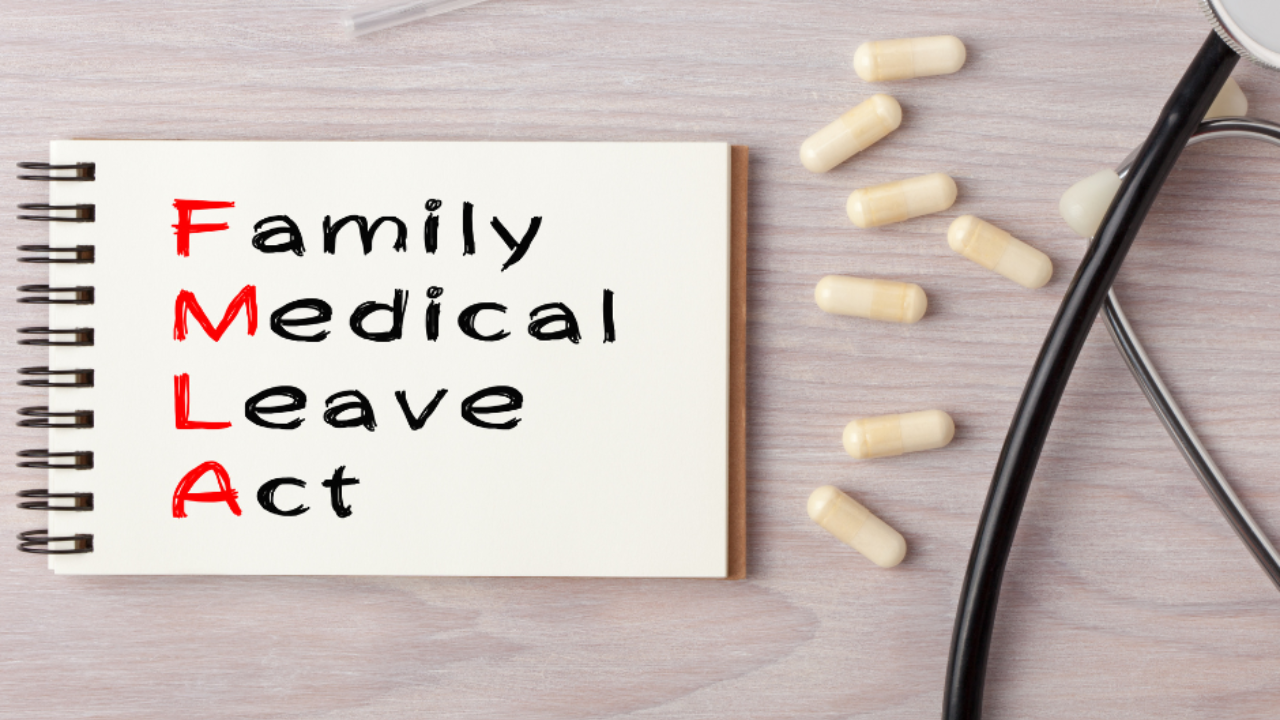
This is where the Family Medical Leave Act (FMLA) becomes a potential lifeline. For over 25 years, this federal protection has provided eligible employees with the opportunity to address serious health conditions—including substance use disorders—without sacrificing job security.
At The Recover, as a premier online resource dedicated to providing information on addiction treatment, mental health, and recovery support, we’ve guided countless individuals through the complex landscape of seeking treatment while navigating employment concerns. This comprehensive guide aims to answer the critical question: “Can I use FMLA for rehab?” while providing you with practical steps to access these protections for yourself or a loved one.
By the end of this article, you’ll understand:
- What FMLA covers and who qualifies
- How substance abuse treatment specifically fits under FMLA protection
- Step-by-step guidance for applying for leave
- Your rights during and after treatment
- Options for supporting family members in recovery
What is FMLA?
The Family Medical Leave Act, enacted in 1993, represents a watershed moment in American employment law. This federal legislation was designed to help employees balance work responsibilities with family and personal medical needs, including treatment for substance use disorders.
At its core, FMLA provides eligible employees with up to 12 workweeks of unpaid leave during any 12-month period for specific health and family-related reasons. Crucially, this leave is job-protected, meaning your employer must maintain your health benefits during leave and restore you to the same or an equivalent position upon your return.
Not everyone qualifies for FMLA protections, however. To be eligible, you must:
- Work for a covered employer (private employers with 50+ employees, public agencies, or public/private elementary and secondary schools)
- Have worked for your employer for at least 12 months
- Have logged at least 1,250 hours of service during the 12 months before leave
- Work at a location where your employer has 50+ employees within 75 miles
We’ve spent the past decade helping clients navigate these requirements, and we’ve observed firsthand how understanding these eligibility criteria can make the difference between successful treatment and continued suffering. Many people assume FMLA won’t apply to them, only to discover after a brief consultation that they’re fully protected.
The historical context of FMLA matters too. Before its implementation, countless Americans faced impossible choices between caring for themselves or their families and maintaining financial stability. The act represents a societal acknowledgment that health and family needs are fundamental rights rather than workplace luxuries.
FMLA Coverage for Substance Abuse Treatment
Explicit Coverage Under FMLA
Many people are surprised to learn that substance use disorders are explicitly covered under FMLA. The Department of Labor (DOL) directly addresses this in their guidelines, stating: “FMLA leave may be taken for treatment for substance abuse by a health care provider or by a provider of health care services on referral by a health care provider.”
This is not simply a loose interpretation—it’s written directly into the regulatory framework. Substance use disorders qualify as “serious health conditions” when they require inpatient care or continuing treatment by a healthcare provider, which addiction treatment invariably does.
However, there’s an important distinction: FMLA protects employees seeking treatment, not absenteeism caused by substance use itself. As the DOL clarifies: “Absence because of the employee’s use of the substance, rather than for treatment, does not qualify for FMLA leave.”
During my years working with The Recover and partnering treatment facilities, I’ve seen this distinction provide crucial protection for individuals serious about recovery while preventing misuse of the system. As our online resource center frequently emphasizes in its educational materials, one client put it perfectly: “FMLA doesn’t protect my addiction; it protects my decision to heal from it.” This perspective aligns with The Recover’s mission to empower individuals with both information and practical support throughout their recovery journey.
Types of Rehab Covered
Inpatient Rehabilitation Programs
Inpatient alcohol rehab and drug rehabilitation programs typically provide the highest level of care and are definitively covered under FMLA. These intensive programs, where patients reside at a treatment facility 24/7 for periods typically ranging from 28 to 90 days, clearly satisfy the “inpatient care” criteria for serious health conditions.
Dr. Jennifer Michaels, Medical Director at a prominent recovery center, explains: “Inpatient treatment creates the structured environment many patients need to establish early recovery. FMLA protection during this critical period often determines whether someone can commit to getting well without sacrificing their career.”
Outpatient Treatment Programs
For professionals who cannot commit to residential treatment, outpatient substance abuse treatment presents a viable alternative—and yes, it’s covered under FMLA as well. These programs vary in intensity, from partial hospitalization programs (PHPs) requiring daily attendance to less intensive outpatient programs meeting a few times weekly.
Outpatient treatment may actually require more strategic use of FMLA, potentially through intermittent leave rather than continuous leave. This flexibility has proven invaluable for working professionals who need treatment but cannot completely step away from responsibilities for extended periods.
Mental Health Treatment
FMLA coverage extends to mental health rehab or treatment45as well, acknowledging the frequent co-occurrence of mental health conditions and substance use disorders. This integrated approach reflects modern understanding of addiction as a complex condition often intertwined with depression, anxiety, PTSD, or other mental health challenges.
According to the National Institute on Drug Abuse, approximately 50% of individuals with substance use disorders also experience co-occurring mental illness. FMLA’s coverage of dual-diagnosis treatment represents a significant advantage for those requiring comprehensive care.
Requirements for Using FMLA for Addiction Treatment
Medical Certification Requirements
When applying for FMLA leave for rehab, you’ll typically need to provide medical certification from a healthcare provider. This documentation serves as verification that your condition qualifies as a “serious health condition” under FMLA guidelines.
For substance use disorder treatment, this certification generally comes from:
- The treatment facility’s medical director
- Your primary care physician referring you to treatment
- A psychiatrist or addiction medicine specialist
The certification will include information about:
- The nature of the serious health condition (though specific details about your diagnosis can remain private)
- The anticipated duration of treatment
- A statement that you are unable to perform job functions due to the condition or treatment
In my experience helping clients prepare these documents, I’ve found that providers familiar with FMLA requirements can usually complete them in ways that protect your privacy while satisfying employer requirements. The certification does not need to explicitly state “alcoholism” or “addiction”—it can use broader medical terminology while still establishing your eligibility.
Notification Requirements
FMLA requires that employees provide 30 days’ advance notice when the need for leave is foreseeable. For planned addiction treatment, this means informing your employer approximately a month before your intended start date.
However, the reality of addiction often doesn’t align with neat scheduling. When the need for treatment becomes urgent—such as following a crisis or when a treatment bed becomes unexpectedly available—the requirement shifts to “as soon as practicable,” typically within 1-2 business days of learning of the need for leave.
When notifying your employer, you’re not required to disclose the specific nature of your condition. Stating that you have a serious health condition requiring treatment is sufficient. Some clients choose to be more transparent, while others maintain privacy—both approaches are legally protected.
Step-by-Step Guide to Applying for FMLA for Drug Rehab
- Confirm your eligibility: Before discussing leave with your employer, verify that both you and your employer meet FMLA eligibility requirements. Your HR department can confirm company size and your employment duration without requiring details about why you’re asking.
- Consult with treatment providers: Work with addiction specialists to determine the appropriate level and duration of care. Having a treatment plan in place before requesting leave provides clarity about your needs.
- Notify your employer: Inform your direct supervisor, HR department, or both about your need for medical leave. Remember, you’re not required to disclose that the leave is specifically for addiction treatment—only that you have a serious health condition requiring care.
- Request FMLA paperwork: Your employer should provide the necessary FMLA forms within five business days of your request. These typically include:
- Notice of Eligibility and Rights & Responsibilities
- Certification of Health Care Provider form
- Designation Notice (provided after your leave is approved)
- Have medical certification completed: Submit this form to your healthcare provider or treatment facility. Ensure it’s returned to your employer within 15 calendar days unless that’s not reasonably possible.
- Review employer response: Your employer must notify you within five business days of receiving your completed certification whether your leave qualifies under FMLA.
- Maintain communication: Establish expectations about communication during leave. Some individuals prefer minimal contact during intensive treatment, while others may want to check in periodically.
When Catherine, a marketing executive, approached The Recover through our online resource portal about treatment options, she was terrified of career repercussions. Our team provided her with our comprehensive guides on FMLA and employment protection, which are regularly updated on our website. By methodically following these steps and utilizing our interactive FMLA application checklist, she secured FMLA protection, completed 45 days of residential treatment, and returned to her position with her privacy and professional reputation intact. “The paperwork felt overwhelming at first,” she shared in a testimonial now featured in our online recovery stories section, “but breaking it down into these steps made it manageable, even when I wasn’t at my best. Having The Recover’s online resources available 24/7 meant I could work through the process at my own pace, even late at night when my anxiety was highest.”
Potential Challenges and Legal Protections
Can My Employer Deny FMLA for Addiction Treatment?
Employers cannot deny FMLA leave if you meet all eligibility requirements and properly document your need for treatment. However, misunderstandings or even discrimination can lead to improper denials.
Legitimate reasons an employer might deny FMLA include:
- You don’t meet basic eligibility requirements (employment duration, hours worked)
- You’ve exhausted your 12 weeks of FMLA leave for the year
- You failed to provide required documentation within specified timeframes
Illegitimate reasons—which may constitute interference with your FMLA rights—include:
- Stigma or discrimination related to substance use disorders
- Claiming business hardship or inconvenience
- Pressuring you to take shorter leave than medically recommended
If you believe your FMLA request has been wrongfully denied, consider:
- Speaking with your HR department to clarify the situation
- Consulting with an employment attorney familiar with FMLA cases
- Filing a complaint with the Department of Labor’s Wage and Hour Division
- Exploring additional protections under the Americans with Disabilities Act (ADA)
Employment Protections During and After Leave
Will your job be protected if you use FMLA for rehab? The short answer is yes—that’s the fundamental purpose of the law. Upon returning from FMLA leave, your employer must:
- Restore you to the same position you held before taking leave, or
- Place you in an “equivalent” position with equivalent pay, benefits, and other terms of employment
Your employer cannot use your FMLA leave as a negative factor in employment actions such as promotions, evaluations, or disciplinary proceedings. This protection extends to preventing retaliation for exercising your FMLA rights.
Regarding confidentiality, FMLA requires that medical information provided on certification forms be treated as confidential medical records. While your immediate supervisor can be informed that you’re taking medical leave, the specific nature of your treatment should remain private.
Using FMLA to Support a Family Member in Rehab
FMLA isn’t limited to your own medical conditions—you can also use FMLA to care for a family member in rehab. The act specifically allows leave to care for a spouse, child, or parent with a serious health condition, including substance use disorders requiring treatment.
When supporting a family member through treatment, FMLA can provide time for:
- Transporting them to and from treatment facilities
- Attending family therapy sessions (often a crucial component of addiction treatment)
- Providing care during early recovery when they may be unable to manage daily responsibilities
- Attending medical appointments
The definition of “family member” is specific under FMLA. It includes:
- Spouses (including same-sex spouses)
- Parents (biological, adoptive, step, or in loco parentis)
- Children under 18, or adult children incapable of self-care due to disability
Notably absent from this list are siblings, grandparents, in-laws, and domestic partners, though some state laws or company policies may offer more inclusive definitions.
Matthew, whose teenage son struggled with opioid addiction, shared: “FMLA allowed me to be fully present during my son’s treatment without constantly watching the clock or worrying about job security. Those family therapy sessions we attended together became the foundation for our relationship moving forward.”
Duration of FMLA Leave for Substance Abuse Treatment
How long can you take FMLA leave for substance abuse treatment? The maximum entitlement is 12 workweeks during a 12-month period, but this allocation offers considerable flexibility in how it’s used.
For residential treatment programs, which typically range from 28 to 90 days, continuous leave is the most common approach. This allows for full immersion in the recovery environment without workplace stressors or triggers.
For outpatient programs, intermittent leave often proves more practical. This might look like:
- Half-days for intensive outpatient program sessions
- Full days off for weekly therapy appointments
- Occasional blocks of several days for more intensive treatment phases
When planning your FMLA usage, consider:
- The recommended length of treatment from addiction specialists
- The potential need for step-down care (transitioning from higher to lower levels of care)
- Recovery support activities post-treatment
- The possibility of reserving some FMLA time for unforeseen health needs later in the year
Dr. Marcus Lee, Addiction Medicine Specialist, advises: “While patients often want to minimize time away from work, shorter treatment durations correlate with higher relapse rates. I encourage patients to use the FMLA time they need rather than rushing back prematurely.”
Expert Q&A Section
Q: Does FMLA cover mental health rehab or treatment that’s related to my substance use?
A: “Absolutely. FMLA covers treatment for co-occurring mental health conditions alongside substance use disorders. In fact, integrated treatment addressing both simultaneously typically yields better outcomes. The medical certification process is the same—your provider simply confirms that you have a serious health condition requiring treatment.” — Dr. Sarah Jenkins, Psychiatrist specializing in addiction medicine
Q: What kind of medical certification is needed for FMLA for rehab?
A: “The medical certification needs to establish that you have a ‘serious health condition’ requiring continuing treatment by healthcare providers. It should outline the anticipated duration and treatment schedule without necessarily disclosing specific details about your diagnosis. Most treatment centers have staff experienced in completing these forms appropriately.” — Elena Rodriguez, FMLA Compliance Specialist
Q: Can I use FMLA for outpatient substance abuse treatment while still working part-time?
A: “Yes, this is a perfect application for intermittent FMLA leave. You might work modified hours or take specific days off for treatment. Your certification should specify the expected treatment schedule, and you’ll need to work with your employer to create a schedule that balances treatment needs with workplace requirements.” — William Chen, Employment Attorney
Q: Can my employer discipline me for the behavior that led to needing treatment?
A: “This is an important distinction in the regulations. While FMLA protects your job during treatment, it doesn’t prevent employers from taking action based on violations of workplace policies. For example, if you violated workplace substance policies or performance standards, your employer can address those issues separately from your FMLA-protected treatment.” — HR Director with 15 years of experience in corporate health policy
Q: Will my health insurance cover rehab while I’m on FMLA leave?
A: “FMLA requires employers to maintain your health coverage under the same terms as if you were still working. However, coverage for the actual treatment depends on your specific health insurance plan. The Mental Health Parity and Addiction Equity Act has improved coverage requirements, but deductibles, copays, and limitations still vary widely by plan. I always recommend verifying your specific benefits before entering treatment.” — Insurance Specialist at a national treatment provider
Additional Resources and Support
Navigating FMLA for addiction treatment often requires additional guidance beyond this article. Consider these resources for more specialized support:
Official FMLA Information:
- U.S. Department of Labor FMLA page: www.dol.gov/agencies/whd/fmla
- FMLA Employee Guide: www.dol.gov/sites/dolgov/files/WHD/legacy/files/employeeguide.pdf
Legal Assistance:
- American Bar Association’s Find Legal Help: www.findlegalhelp.org
- Workplace Fairness: www.workplacefairness.org
Addiction Treatment Support:
- SAMHSA’s National Helpline: 1-800-662-HELP (4357)
- The Recover’s Treatment Navigator: Contact us for personalized guidance
Employee Assistance Programs (EAPs): Many employers offer confidential counseling and referral services through EAPs, which can help you navigate both treatment options and FMLA processes simultaneously.
Our team at The Recover specializes in helping individuals find appropriate treatment while navigating employment concerns. Our case managers can provide guidance on approaching employers, selecting treatment programs that work with your FMLA timeline, and connecting you with legal resources if needed.
Conclusion
The question “Can I use FMLA for rehab?” has a clear answer: Yes, the Family Medical Leave Act explicitly protects eligible employees seeking treatment for substance use disorders.
This protection represents a crucial acknowledgment that recovery is not only possible but worthy of safeguarding. By understanding your rights under FMLA, you remove one of the most significant barriers to seeking help—the fear of losing your livelihood in pursuit of wellness.
Whether you’re considering treatment for yourself or supporting a family member, remember:
- FMLA provides up to 12 weeks of job-protected leave
- Both inpatient and outpatient treatment programs qualify
- Proper documentation and communication are essential
- Additional protections may exist under the ADA and state laws
The journey toward recovery challenges us in many ways, but employment concerns shouldn’t be among them. As Mark, our software engineer from the beginning of this article, discovered: “Having FMLA protection didn’t make treatment easy, but it made it possible. And that possibility saved my life.”
If you’re considering treatment for substance use, reach out to our team at The Recover. As a trusted online resource dedicated to providing comprehensive information on addiction treatment, mental health, and recovery support, we’re uniquely positioned to help you navigate both the recovery process and the practical matters of employment protection. Our extensive online resources, expert guides, and compassionate support team are available 24/7, allowing you to focus on what matters most—healing and building a sustainable recovery.
This article provides general information about FMLA and substance use disorder treatment but does not constitute legal advice. For guidance specific to your situation, please consult with a qualified attorney and healthcare providers.