
Why Do I Feel Depressed for Days After Drinking?
By The Recover Editorial Team | Clinically reviewed by: [Reviewer Name, Credentials] | Updated October 12, 2026
The night out was fun. Two or three days later, you feel heavy, flat, and unmotivated. Things that normally bring you joy feel gray, small setbacks make you tearful, and there is a vague sense of guilt or hopelessness that does not quite match what is actually happening in your life. If you feel depressed for days after drinking, you are not imagining it, and you are not alone.
A low mood after alcohol is common, and it usually has clear, understandable causes: alcohol’s effect on brain chemistry, disrupted sleep, and the physical toll of a hangover. But when the mood crash lasts for days, keeps coming back, or starts to feel like it never fully lifts, it can be a sign that alcohol is affecting your mental health more deeply. This guide explains why it happens, what may help, and when the pattern needs more support.
| Key takeaways Feeling low for one to three days after heavy drinking is common. Alcohol temporarily changes the brain systems that regulate mood, and those systems need time to rebalance.Sleep disruption is a major driver. Alcohol fragments the second half of the night and reduces REM sleep, which plays a role in emotional regulation.Low mood after drinking is more intense and longer-lasting in people who drink heavily, drink to cope, or already live with depression or anxiety.In people who drink heavily, depressive symptoms often improve within two to four weeks of stopping. Low mood that persists beyond about a month without alcohol may be a separate depressive disorder.If you have thoughts of suicide or self-harm, call or text 988 now. Support is available 24 hours a day. |
Is It Normal to Feel Depressed After Drinking?
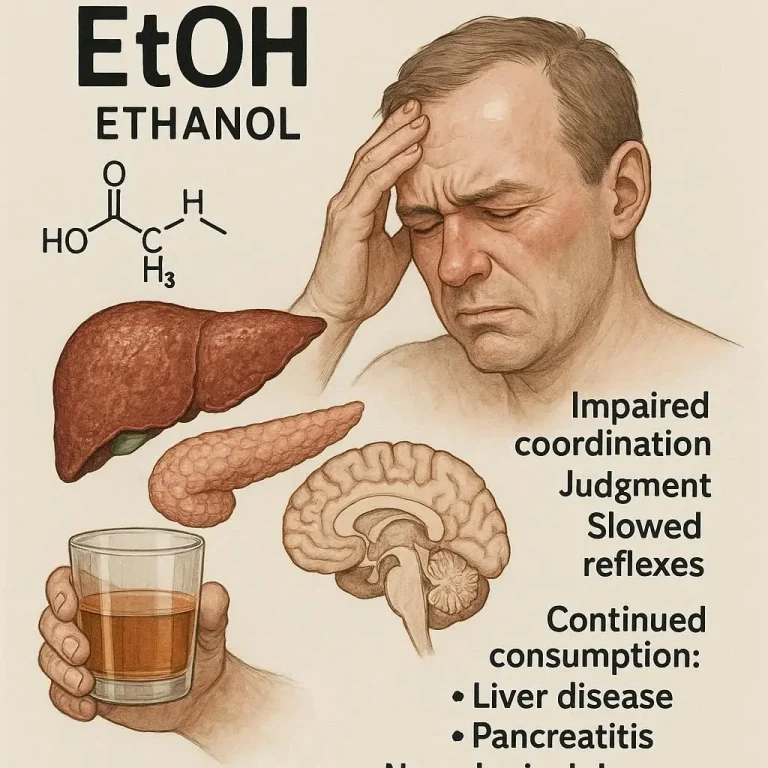
Feeling down after drinking is so common that it has nicknames, like the “booze blues” or the “Tuesday blues” after a weekend of drinking. Many people expect a headache or nausea after a big night, but are surprised that the emotional after-effects can outlast the physical ones.
Research on hangovers backs this up. A 2022 survey of 690 drinkers published in the Journal of Clinical Medicine found that poorer mood, including depression, anxiety, and stress, was linked to more severe hangovers, while greater mental resilience was linked to milder ones. In other words, mood and hangovers feed each other.
Common signs of a post-drinking mood crash include:
- Sadness, emptiness, or tearfulness without a clear reason
- Low energy and motivation, or wanting to stay in bed
- Guilt, shame, or harsh self-criticism about the night before
- Irritability and a short fuse
- Trouble concentrating or making decisions
- Losing interest in things you usually enjoy
- Feeling hopeless or that things will not get better
If these feelings fade over a day or two as you rest and recover, they are likely a temporary after-effect. If they linger, deepen, or show up every time you drink, it is worth looking more closely.
8 Reasons You Feel Depressed for Days After Drinking
1. Alcohol is a depressant, and your brain rebounds
Alcohol slows down the central nervous system. While you drink, it boosts the brain’s calming signals and briefly lifts dopamine, the chemical tied to reward and pleasure, which is part of why the first drinks can feel good. As alcohol wears off, the brain has to readjust. That adjustment can leave you with less sense of reward and pleasure than usual, plus a more reactive, on-edge nervous system. The result can feel like flatness, sadness, or anxiety. The more you drank, and the more days in a row you drank, the longer this rebalancing tends to take.
2. Your sleep took a hit
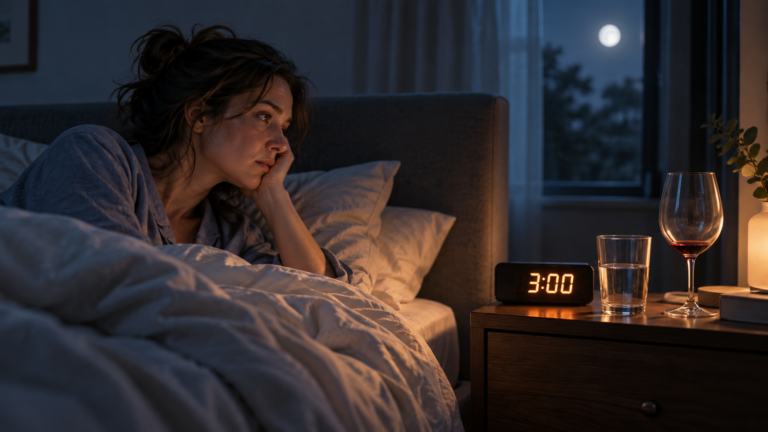
Sleep disruption is one of the biggest and most overlooked reasons for low mood after drinking. A review of 20 sleep-lab studies published in Alcoholism: Clinical and Experimental Research found that alcohol helps people fall asleep faster and deepens sleep early in the night, but increases waking in the second half of the night. At moderate and higher doses, it also reduces REM sleep, the stage of sleep linked to dreaming, memory, and emotional processing.
Even one night of poor sleep makes most people more emotionally sensitive and less resilient. If you drank on Friday and Saturday, slept poorly both nights, and then had trouble sleeping Sunday because of a lingering hangover, you may be starting the week with a real sleep debt. That debt alone can explain a lot of Monday-morning gloom.
3. Your body is still recovering
Dehydration, low blood sugar, inflammation, and an upset stomach all take energy to recover from. They also send stress signals through the body, which can make your mood feel heavier and your thinking foggier. Physical symptoms such as a racing heart can also make you feel more anxious and unsettled; we cover that in our guide on why your heart races the morning after drinking.
4. Guilt, shame, and memory gaps
Alcohol makes it harder for the brain to form new memories. Gaps in what you remember, or worry about something you said, spent, or posted, give the mind plenty of material for regret. Shame is a powerful driver of low mood, and it often lingers longer than the hangover itself. When this shows up as worry and dread, it overlaps with what people call hangxiety.
5. The contrast effect
A big social night can feel like a high: connection, laughter, energy. The return to an ordinary weekday, especially if you are tired, can feel like a steep drop by comparison. This contrast can make normal life feel duller than it really is for a few days.
6. Drinking to cope with feelings
When alcohol is used to numb sadness, stress, loneliness, or grief, the underlying feelings do not go away. They tend to return once alcohol wears off, often stronger, and with the added weight of a hangover. NIAAA Director George Koob has described how, in people developing alcohol use disorder, mood does not fully return to baseline after drinking. Researchers call this lingering negative emotional state “hyperkatifeia,” and drinking again to escape it is one way a habit becomes a dependence.
7. Existing depression or anxiety
People who already live with depression or anxiety often feel the emotional after-effects of drinking more intensely and for longer. Alcohol can also interact with antidepressants and other medications, reduce how well they work, and add side effects. If you are being treated for a mental health condition, ask your prescriber how alcohol may be affecting your treatment. Our guides on depression and anxiety disorders explain more.
8. Withdrawal and heavy drinking
For people who drink heavily or daily, low mood after drinking may be part of alcohol withdrawal. Withdrawal usually begins within about 6 to 24 hours of the last drink and peaks within 24 to 72 hours. Along with low mood and anxiety, it can cause shakiness, sweating, a fast heartbeat, nausea, and insomnia, and in some people it progresses to hallucinations or seizures. Some people also notice low mood, poor sleep, and irritability for weeks after stopping, sometimes called protracted withdrawal. Learn more about why alcohol withdrawal can be dangerous.
How Long Does Depression Last After Drinking?
It depends largely on how much and how often you drink.
| Drinking pattern | Typical mood recovery | What to watch for |
| One heavy night | Usually lifts within 1–2 days as sleep and hydration recover | Low mood that is getting worse rather than better |
| A weekend or several nights in a row | Often 2–3 days, sometimes longer with sleep debt | Mood crashes that happen after every weekend |
| Heavy drinking over weeks or months | Depressive symptoms often improve within 2–4 weeks of stopping | Withdrawal symptoms; low mood that persists past about a month alcohol-free |
| Depression that started before drinking | May not lift with abstinence alone | Needs its own assessment and treatment |
The two-to-four-week figure comes from studies of people going through alcohol treatment. A clinical review in The Journal of Clinical Psychiatry notes that in several longitudinal studies of people in detox, depression and anxiety symptoms returned to the normal range after two to four weeks without alcohol. That is genuinely encouraging: for many people, a large part of the depression is the alcohol, and it gets better when drinking stops.
Alcohol-Induced Depression vs. Clinical Depression
Alcohol and depression are closely linked. A widely cited review in the journal Addiction found that having either alcohol use disorder or major depression roughly doubles the risk of having the other. The authors concluded the link is likely causal, and that the more probable direction is alcohol use disorder increasing the risk of depression.
Doctors generally distinguish between two situations:
- Alcohol-induced depression: Depressive symptoms that develop during or soon after heavy drinking or withdrawal and improve within a few weeks of stopping.
- Independent depression: A depressive disorder that began before heavy drinking, that continues after about a month without alcohol, or that runs in the family.
The distinction matters for treatment. Alcohol-induced depression often improves mostly by treating the drinking. Independent depression usually needs its own treatment, such as therapy and sometimes medication, alongside support for alcohol use. Because withdrawal and early sobriety can mimic depression, clinicians often reassess mood after a few weeks of not drinking. In practice, many people have some of both, which is why dual diagnosis treatment that addresses mood and alcohol use together tends to work best.
What May Help When Your Mood Crashes After Drinking
- Make sleep the priority. Go to bed early, keep a steady wake time, and give yourself a couple of nights to catch up.
- Eat regular, balanced meals. Protein, complex carbohydrates, and fruits and vegetables help stabilize energy and mood.
- Rehydrate. Keep water nearby throughout the day.
- Get daylight and movement. A walk outside, even a short one, is one of the most reliable mood lifts available.
- Stay connected. Reach out to someone you trust instead of withdrawing. Isolation tends to deepen low mood.
- Go easy on yourself. Notice harsh self-talk and remind yourself that part of what you are feeling is chemistry and fatigue, not the full truth about your life.
- Skip the “hair of the dog.” Drinking to lift your mood only delays the crash and makes the next one deeper.
- Take a real break from alcohol. A few weeks alcohol-free is often the clearest way to see how much drinking has been affecting your mood.
- Keep a simple mood log. Jot down how much you drank and how you felt over the next three days. Patterns become obvious quickly, and the log is useful to share with a doctor.
When the Pattern Needs More Support
Get help right away if:
- You have thoughts of suicide, of not wanting to be alive, or of harming yourself
- You feel hopeless or like a burden to others
- You have confusion, hallucinations, a seizure, chest pain, or severe shaking
Call or text 988 to reach the 988 Suicide & Crisis Lifeline, available 24 hours a day, or call 911 if you are in immediate danger. Alcohol can lower inhibitions and make difficult feelings harder to manage, so if dark thoughts show up while drinking or during a hangover, reach out rather than wait for them to pass. You can also find more options on our crisis resources page.
Talk to a doctor or therapist soon if:
- Low mood lasts more than a few days after drinking, or happens after most drinking episodes
- You feel depressed most days, whether or not you drink
- You drink to cope with sadness, stress, loneliness, or sleep problems
- You notice shakiness, sweating, anxiety, or insomnia when you stop drinking
- You are taking antidepressants or other psychiatric medication and still drinking
- Your mood or drinking is affecting work, school, or relationships
A good first step is an honest conversation with a primary care provider or therapist about both your mood and your drinking. Options like telehealth therapy make that easier to start from home.
Breaking the Drink-Crash-Drink Cycle
For many people, low mood after drinking becomes part of a loop:
- You feel low, stressed, or empty.
- Alcohol brings a few hours of relief.
- The next few days bring a deeper crash.
- Drinking again feels like the quickest way out.
Recognizing the loop is an important step. The hopeful part is that, for many people, mood improves meaningfully once drinking stops and sleep recovers. If you drink heavily or daily, please do not stop suddenly without medical guidance. A medically supervised detox keeps withdrawal safe and manages symptoms like low mood, anxiety, and insomnia. Our guide on what to expect in detox walks through the process, and our alcohol addiction resource covers ongoing care, from intensive outpatient programs and virtual IOP to residential rehab. Many health plans cover this care; see our guide to insurance and rehab.
How to Protect Your Mood if You Drink
- Drink less, and build in regular alcohol-free days and weeks
- Stay below binge levels: NIAAA defines binge drinking as about four or more drinks for women or five or more for men in roughly two hours
- Avoid drinking when you are already feeling low, stressed, or alone
- Stop drinking a few hours before bed to protect your sleep
- Plan a restful day after any night you drink
- Pay attention to the days after, not just the night of. If the cost keeps outweighing the fun, that is useful information
Find Support Through The Recover
The Recover is a behavioral health referral network that helps people and families find mental health and addiction treatment that fits their needs, location, and insurance. If low mood after drinking has become a pattern, or you are not sure whether depression or alcohol came first, you can call 888-510-3898 to talk through your options. You can also explore our mental health resources or our family support resources if you are worried about someone you love.
Frequently Asked Questions
Why do I feel depressed for days after drinking?
Alcohol is a depressant that temporarily changes the brain chemicals that regulate mood. As it wears off, those systems take time to rebalance. Broken sleep, lost REM sleep, dehydration, low blood sugar, and regret about the night before all add to the low mood. After heavy or multi-day drinking, it can take two or three days to feel like yourself again.
How long does depression last after drinking?
After a single night of drinking, low mood usually lifts within one to three days as sleep and body chemistry recover. For people who drink heavily over weeks or months, research on people in alcohol treatment shows depressive symptoms often improve substantially within two to four weeks of not drinking. Low mood that continues beyond about a month without alcohol may be a separate depressive disorder that needs its own treatment.
Is it normal to feel sad the day after drinking?
Feeling flat, tearful, guilty, or low the day after drinking is common and is sometimes called the “booze blues.” It is usually temporary. It becomes a concern when it lasts several days, happens after most drinking episodes, comes with thoughts of hopelessness or self-harm, or leads you to drink again to feel better.
Can alcohol cause depression?
Yes. Alcohol can cause temporary depressive symptoms, and heavy drinking can lead to an alcohol-induced depressive disorder. A major review in the journal Addiction found that having either alcohol use disorder or major depression roughly doubles the risk of having the other, and that the most likely direction is alcohol use disorder increasing the risk of depression.
How can I tell if it is alcohol-related depression or clinical depression?
Clinicians look at timing. Depression that started before heavy drinking began, that continues after about a month without alcohol, or that runs in your family is more likely to be an independent depressive disorder. Depression that clearly follows drinking and improves within a few weeks of stopping is more likely to be alcohol-induced. A doctor or mental health professional can help sort this out, often by reassessing after a period of not drinking.
Does drinking make depression worse if I already have it?
Generally, yes. Alcohol can deepen low mood, disrupt sleep, interfere with antidepressant medication, and lower inhibitions. If you are being treated for depression, talk with your prescriber or therapist about how alcohol may be affecting your treatment.
What helps with depression after drinking?
Prioritize sleep, eat regular meals, drink water, get outside and move gently, and stay connected with people you trust. Take a break from alcohol so your mood can fully reset. If low mood lasts longer than a few days, keeps returning, or comes with thoughts of self-harm, reach out to a doctor or mental health professional.
When should I get help for feeling depressed after drinking?
Get help if low mood lasts more than a few days after drinking, if it happens after most drinking episodes, if you drink to cope with sadness, or if depression is affecting work, relationships, or sleep. If you have thoughts of suicide or self-harm, call or text 988 right away, or call 911 if you are in immediate danger.
Sources
- Boden JM, Fergusson DM. Alcohol and depression. Addiction, 2011;106(5):906–914. https://ourarchive.otago.ac.nz/handle/10523/10319
- Hassan AN. Patients With Alcohol Use Disorder Co-Occurring With Depression and Anxiety Symptoms: Diagnostic and Treatment Initiation Recommendations. The Journal of Clinical Psychiatry, 2018. https://www.psychiatrist.com/jcp/alcohol-use-disorder-co-occurring-with-depressive-and-anxiety-symptoms/
- Ebrahim IO, et al. Alcohol and Sleep I: Effects on Normal Sleep. Alcoholism: Clinical and Experimental Research, 2013 (Live Science summary). https://www.livescience.com/26489-alcohol-sleep.html
- Terpstra C, Verster JC, Scholey A, Benson S. Associations between Mental Resilience, Mood, Coping, Personality, and Hangover Severity. Journal of Clinical Medicine, 2022. https://research-portal.uu.nl/en/publications/associations-between-mental-resilience-mood-coping-personality-an/
- Psychiatric News. Koob Discusses Neurobiology of AUD at APA Spring Highlights Meeting, 2020. https://psychiatryonline.org/doi/10.1176/appi.pn.2020.6b20
- StatPearls. Alcohol Withdrawal Syndrome. NCBI Bookshelf. https://www.ncbi.nlm.nih.gov/books/NBK441882/
- SAMHSA. Protracted Withdrawal. Substance Abuse Treatment Advisory, 2010. https://library.samhsa.gov/product/protracted-withdrawal/sma10-4554
- National Institute on Alcohol Abuse and Alcoholism. Binge Drinking. https://www.niaaa.nih.gov/publications/brochures-and-fact-sheets/binge-drinking
- Mayo Clinic. Hangovers: Symptoms and Causes. https://www.mayoclinic.org/diseases-conditions/hangovers/symptoms-causes/syc-20373012
- 988 Suicide & Crisis Lifeline. https://988lifeline.org/
Medical Disclaimer
This article is for educational purposes and is not a substitute for professional medical advice, diagnosis, or treatment. If you think you may be having a medical emergency, call 911. If you are having thoughts of suicide, call or text 988. Learn how we create and review content in our editorial standards and medical review policy.