


Hangxiety That Lasts Two Days: Is It Normal?
By The Recover Editorial Team | Updated October 9, 2026
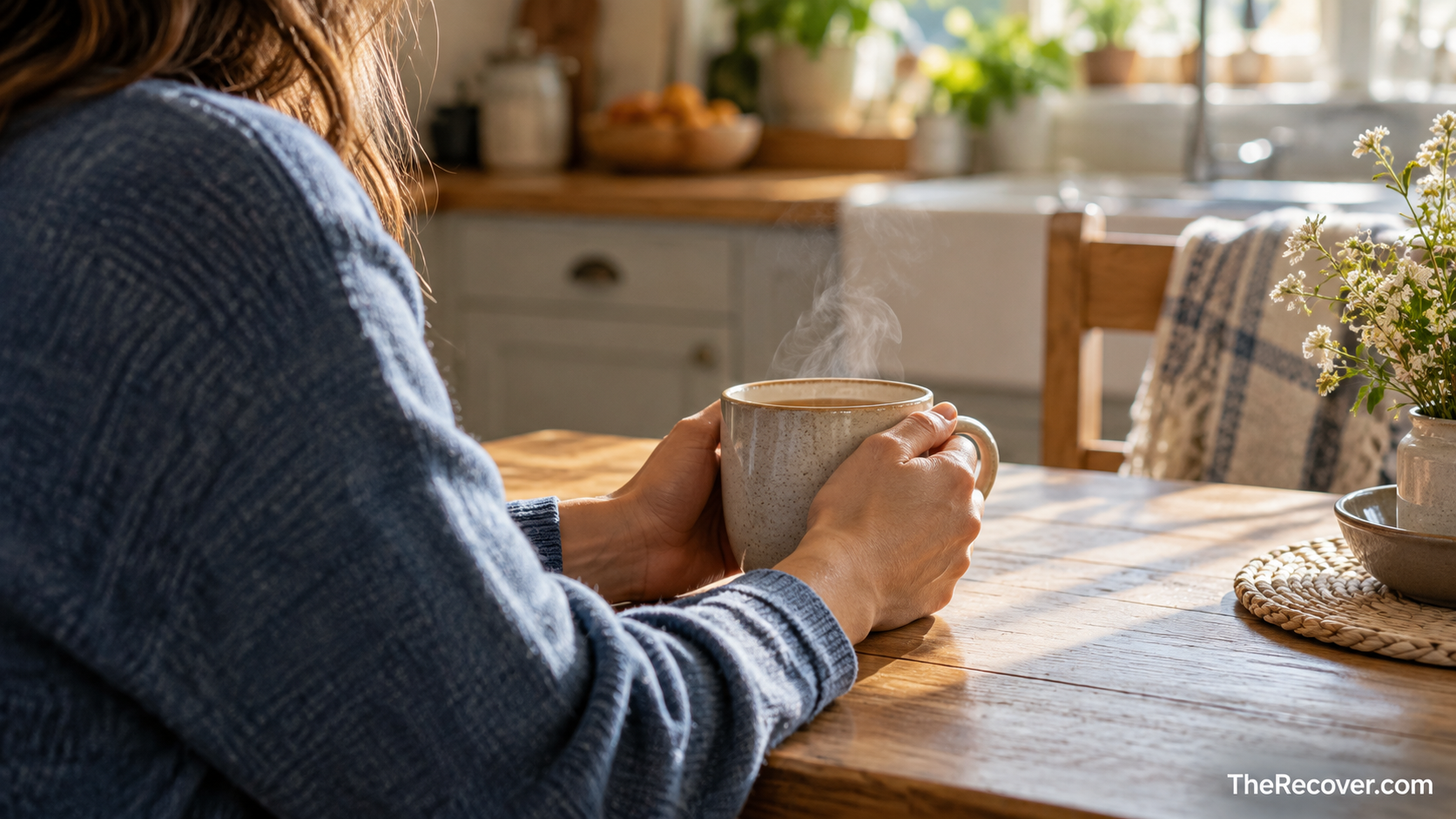
The headache is gone. You have eaten, slept, and had plenty of water. But two days after drinking, a low hum of dread is still there: a tight chest, a racing mind, replaying conversations from the night out, a sense that something is wrong even when nothing is. People call this “hangxiety,” and when it lingers into a second day it is natural to wonder whether it is normal.
Sometimes it is simply a slow recovery after a heavy night. Sometimes it is a sign that alcohol is affecting your mental health more than you realize, or that your body is going through withdrawal. This guide explains why anxiety can last two days after drinking, what may help, and the signs that mean it is time for a medical assessment.
| Key takeaways Hangxiety is anxiety that follows a drinking episode. It is common and usually fades within a day, but after heavy or multi-day drinking it can last two days or more.It is largely driven by a rebound in brain chemistry as alcohol wears off, made worse by poor sleep, low blood sugar, caffeine, and worry about the night before.Anxiety that is getting worse on day two, especially with shakes, sweats, a racing heart, or insomnia, can be alcohol withdrawal, which needs medical attention.If you regularly drink to calm anxiety, or feel anxious after most drinking episodes, that pattern deserves a conversation with a professional.For thoughts of self-harm, call or text 988. For chest pain, confusion, hallucinations, or a seizure, call 911. |
What Is Hangxiety?
Hangxiety, short for hangover anxiety, describes the nervousness, dread, guilt, or panic many people feel the day after drinking. In the U.K. it is sometimes called “the beer fear.” It is not a formal diagnosis, but researchers have studied it as a real and measurable part of the hangover.
Common hangxiety symptoms include:
- A sense of dread or that something bad is about to happen
- Racing or looping thoughts, often about what you said or did while drinking
- Guilt, shame, or embarrassment that feels out of proportion
- Restlessness, irritability, and trouble concentrating
- Physical signs such as a fast heartbeat, shaky hands, sweating, or a tight chest
- Low mood, tearfulness, or feeling emotionally raw
Is It Normal for Hangxiety to Last Two Days?
It can be. Hangovers do not follow one universal timeline. A 2018 study of 727 drinkers published in Alcoholism: Clinical and Experimental Research found that some people’s symptoms faded steadily through the day, others stayed level, and others peaked around midday before improving. The psychological side of a hangover, including anxiety and low mood, often outlasts the physical symptoms, especially after very heavy drinking, a weekend of back-to-back nights, or a long stretch of poor sleep.
The key question is which direction the anxiety is moving.
- Easing on day two: If your anxiety is clearly lighter than it was the morning after, and you are sleeping, eating, and thinking more clearly, this is usually part of normal recovery.
- Steady or worsening on day two: If anxiety is the same or getting stronger, particularly with tremor, sweating, a racing heart, nausea, or insomnia, it falls squarely in the window when alcohol withdrawal tends to peak. That is not a typical hangover and should be assessed by a medical provider.
Why Hangxiety Can Last Two Days or Longer
1. Your brain chemistry is rebounding
Alcohol increases the effect of GABA, the brain’s main calming messenger, and suppresses glutamate, which drives alertness and excitement. That is why the first couple of drinks can feel relaxing. To stay balanced while you drink, the brain pushes back. When alcohol leaves your system, that push-back is briefly left unopposed, leaving the nervous system over-excited. The heavier and longer the drinking, the bigger the rebound and the longer it can take to settle.
2. You are short on sleep
Alcohol may help you fall asleep, but it disrupts the second half of the night and cuts into restorative sleep, according to Mayo Clinic. A single short night is enough to make most people more anxious and emotionally reactive. If you were out late, then slept poorly the next night because of lingering anxiety, the sleep debt compounds and keeps hangxiety going into a second or third day.
3. Your body is still recovering
Dehydration, low blood sugar, and an upset stomach all trigger the body’s stress response. The physical sensations of that response, including a pounding heart, shakiness, and lightheadedness, can feel exactly like anxiety, and noticing them can make you more anxious. If you are curious about the heart side of this, see our guide on why your heart races the morning after drinking.
4. Stress hormones stay elevated
Heavy drinking activates the body’s stress-hormone system. Combined with sleep loss, that can leave you feeling keyed-up and on edge well after the alcohol itself is gone.
5. Memory gaps and regret
Alcohol interferes with the brain’s ability to form new memories. Not remembering parts of the night, or worrying about a text you sent or something you said, gives anxious thoughts something to grip. The mind tends to fill blanks with worst-case scenarios.
6. Caffeine and other substances
Extra coffee or energy drinks to push through fatigue can amplify jitteriness and a racing heart. Nicotine, cannabis, and especially stimulants such as cocaine can all intensify next-day anxiety and panic, and the comedown from stimulants can last for days.
7. Underlying anxiety or depression
People who already live with anxiety, panic attacks, or depression often feel the mental after-effects of drinking more strongly and for longer. Alcohol can also worsen these conditions over time. If you recognize yourself here, our guides on anxiety disorders, panic disorder, and depression may help.
8. Early alcohol withdrawal
For people who drink heavily or most days, the brain adapts to alcohol being present. When drinking stops, withdrawal can begin, usually within about 6 to 24 hours of the last drink, and it tends to peak within 24 to 72 hours. Anxiety is one of the first symptoms, together with tremor, sweating, a fast heartbeat, nausea, headache, and insomnia. In some people withdrawal progresses to hallucinations, seizures, or alcohol withdrawal delirium, which can be life-threatening.
Because day two falls right in that peak window, two-day hangxiety is one of the situations where it is worth honestly asking whether withdrawal could be involved. Learn more about why alcohol withdrawal can be dangerous.
Who Is More Likely to Get Hangxiety?
Not everyone feels anxious after drinking. Research points to a few patterns:
- Shy or socially anxious people. In a study of nearly 100 social drinkers led by researchers at University College London and the University of Exeter, highly shy participants felt calmer while drinking but significantly more anxious the next day. In those participants, hangxiety was also linked to higher scores on a screening test for alcohol use disorder.
- People with low mood, stress, or avoidant coping. A 2022 survey of 690 drinkers in the Journal of Clinical Medicine found that poorer mood was tied to more severe hangovers, and that higher mental resilience was tied to milder ones. Avoidant coping, such as pushing problems aside, was also linked to worse hangovers.
- People who drink to cope. Using alcohol to ease stress or social nerves sets up a cycle in which next-day anxiety is the price of the evening’s relief.
- People who drink heavily or frequently. The more often and more heavily someone drinks, the larger the rebound and the higher the chance that withdrawal is part of the picture.
NIAAA Director George Koob has described how, in people developing alcohol use disorder, mood does not fully return to baseline after drinking. Researchers call this lingering negative emotional state “hyperkatifeia.” Drinking again to escape it is one of the ways a habit becomes a dependence.
Hangxiety, Withdrawal, or an Anxiety Disorder?
These can overlap, but the pattern usually points one way. Use this as a general guide, not a diagnosis.
| Feature | Hangxiety | Alcohol withdrawal | Anxiety disorder |
| When it happens | After a drinking episode | After stopping or cutting back on heavy or daily drinking | Much of the time, with or without drinking |
| Typical course | Strongest the morning after; usually eases within 1–2 days | Starts about 6–24 hours after the last drink; often worse on day 2–3 | Ongoing for weeks or months |
| Physical signs | Mild jitteriness, fast heartbeat that settles | Tremor, sweating, racing heart, high blood pressure, insomnia, nausea | Muscle tension, restlessness, fatigue, sleep problems |
| Effect of a drink | Not needed to feel better | A drink makes symptoms ease (a key warning sign) | Alcohol may help briefly, then worsen anxiety |
| What helps | Sleep, food, fluids, time | Medical assessment; supervised detox if needed | Therapy, and medication if appropriate |
What May Help Hangxiety
If you have no warning signs of withdrawal or a medical emergency, these steps can help your body and mind settle:
- Prioritize sleep. Go to bed early and keep a regular wake time. Sleep is often the single biggest factor in how quickly hangxiety lifts.
- Eat regular, balanced meals. Steady blood sugar reduces the physical stress signals that feed anxiety.
- Rehydrate. Sip water or an electrolyte drink through the day.
- Ease off caffeine. Keep it modest until you feel more settled.
- Move gently. A walk outside or light stretching can burn off nervous energy and lift mood.
- Slow your breathing. Breathing in for about four counts and out for six, for a few minutes, helps calm the body’s stress response.
- Ground yourself. When thoughts spiral, name five things you can see, four you can feel, three you can hear, two you can smell, and one you can taste.
- Reality-check the replay. Ask whether the worry is based on something you know happened or on a gap you are filling with the worst case. A quick, honest check-in with a friend often helps.
- Skip the “hair of the dog.” More alcohol pushes the anxiety later and usually makes it stronger.
- Do not self-medicate. Avoid sedatives, sleep aids, or anxiety medication that was not prescribed to you, and never mix them with alcohol.
- Give yourself a break from drinking. A few alcohol-free days, or longer, lets sleep and mood recover fully and shows you how much alcohol was driving the anxiety.
Signs That Call for a Medical Assessment
Call 911 or go to the emergency room if you have:
- Chest pain, fainting, or severe shortness of breath
- Confusion, disorientation, or hallucinations (seeing, hearing, or feeling things that are not there)
- A seizure, or severe shaking you cannot control
- A high fever with heavy sweating and agitation
If you are having thoughts of suicide or self-harm, call or text 988 to reach the 988 Suicide & Crisis Lifeline, available 24 hours a day. You can also find more options on our crisis resources page.
Contact a medical provider the same day if:
- Anxiety is getting worse rather than better 24 to 48 hours after your last drink
- You have tremors, sweating, a racing heart, nausea, or cannot sleep
- A drink makes the anxiety or shakiness go away
- You have had withdrawal symptoms, a withdrawal seizure, or detox before (withdrawal can become more severe with each episode)
- You also used sedatives, sleep aids, or opioids
Book an appointment with a doctor or therapist if:
- You notice anxiety after most drinking episodes, or it is lasting longer than it used to
- You feel anxious or low most days, whether or not you drink
- You drink to calm anxiety, fall asleep, or face social situations
- Hangxiety is affecting your work, relationships, or sleep
Talk therapy, including telehealth therapy, can help you understand the link between drinking and anxiety and build other ways to cope. When anxiety and alcohol use are feeding each other, dual diagnosis treatment addresses both together.
When Hangxiety Becomes a Cycle
An occasional rough day after a celebration is one thing. A repeating loop is another:
- Anxiety or stress builds.
- Alcohol brings quick relief.
- The next day, anxiety returns stronger.
- Drinking again feels like the fastest way to feel normal.
Over time, this loop can turn into alcohol dependence, and alcohol-related anxiety can become hard to separate from the anxiety you started with. The encouraging part is that for many people, anxiety improves significantly once drinking stops and the brain has time to rebalance. Some people notice lingering anxiety, sleep problems, or low mood for weeks after quitting, sometimes called protracted withdrawal, which is another reason ongoing support matters.
If you drink heavily or daily, please do not stop suddenly without medical guidance. A medically supervised detox keeps withdrawal safe and manages symptoms like anxiety and insomnia. Our guide to what to expect in detox explains the process, and our alcohol addiction resource covers next steps, from intensive outpatient programs to virtual IOP you can attend from home. Many health plans cover this care; see our guide to insurance and rehab.
How to Prevent Hangxiety
- Drink less, or take regular alcohol-free days and weeks
- Eat before and while drinking, and alternate each drink with water
- Stay below binge levels: NIAAA defines binge drinking as about four or more drinks for women or five or more for men in roughly two hours
- Avoid mixing alcohol with energy drinks, stimulants, or sedatives
- Protect your sleep, and stop drinking a few hours before bed
- If social nerves are why you drink, consider working on social anxiety directly with a therapist
- Notice the pattern: if you dread the morning after, that feeling is useful information about how alcohol is affecting you
Find Support Through The Recover
The Recover is a behavioral health referral network that helps people and families find mental health and addiction treatment that fits their needs, location, and insurance. If anxiety after drinking has become a pattern, or you are not sure whether what you are feeling is hangxiety or withdrawal, you can call 888-510-3898 to talk through your options. You can also explore our mental health resources.
Frequently Asked Questions
Is it normal to have hangxiety for two days?
It can happen, especially after heavy drinking, several nights in a row of drinking, or very little sleep. Many people find the mental symptoms of a hangover, such as anxiety, low mood, and irritability, linger after the headache and nausea fade. Anxiety that is easing on day two is usually part of recovery. Anxiety that is getting worse on day two, especially with shaking, sweating, a racing heart, or trouble sleeping, can be a sign of alcohol withdrawal and should be checked by a medical provider.
Why do I feel so anxious the day after drinking?
Alcohol boosts the brain’s calming signals and dampens its excitatory signals while you drink. As it wears off, the brain is left in a temporarily over-excited state, which can feel like dread, restlessness, or panic. Poor sleep, low blood sugar, dehydration, caffeine, and worry about what happened the night before can all add to it.
How long does hangxiety last?
For most people, hangover anxiety fades within about a day as the body clears alcohol and catches up on sleep. After heavier or longer drinking episodes it can take two or three days to feel back to normal. If anxiety is lasting longer than that after every drinking episode, or is present most days, it is worth talking to a doctor or mental health professional.
Can hangxiety be a sign of alcohol withdrawal?
Yes. In people whose bodies have adapted to regular heavy drinking, withdrawal often begins within about 6 to 24 hours of the last drink and peaks within 24 to 72 hours. Anxiety is one of the earliest withdrawal symptoms, along with tremor, sweating, a fast heartbeat, nausea, and insomnia. If a drink makes your anxiety go away, that pattern points toward physical dependence.
Why do some people get hangxiety and others don’t?
Research suggests people who are naturally shy or socially anxious, who already experience anxiety or low mood, or who use alcohol to cope with stress tend to have more anxiety the next day. Sleep, how much you drank, and individual biology also play a role.
Should I have a drink to calm my hangxiety?
No. A drink may quiet anxiety briefly, but it delays recovery, and the anxiety tends to return stronger. Relying on alcohol to calm next-day anxiety is one of the main ways a drinking pattern turns into a dependence cycle.
Is it safe to take anxiety medication for a hangover?
Do not take sedatives such as benzodiazepines or sleep aids that were not prescribed for you, and do not combine them with alcohol that may still be in your system, because the combination can slow breathing. If you take prescribed medication for anxiety or depression, ask your prescriber or a pharmacist how alcohol affects it.
When should I see a doctor for anxiety after drinking?
Get a medical assessment if anxiety is worsening rather than improving after 24 to 48 hours, if you have shakes, sweats, a racing heart, or cannot sleep, if you notice anxiety after most drinking episodes, or if you drink to manage anxiety. Seek emergency care for chest pain, fainting, confusion, hallucinations, or seizures, and call or text 988 if you have thoughts of harming yourself.
Sources
- Marsh B, Morgan CJA, et al. Shyness, alcohol use disorders and “hangxiety”: a naturalistic study of social drinkers. Personality and Individual Differences, 2019 (University of Exeter news release). https://www.eurekalert.org/pub_releases/2018-12/uoe-hi120618.php
- Terpstra C, Verster JC, Scholey A, Benson S. Associations between Mental Resilience, Mood, Coping, Personality, and Hangover Severity. Journal of Clinical Medicine, 2022. https://research-portal.uu.nl/en/publications/associations-between-mental-resilience-mood-coping-personality-an/
- Kim AJ, et al. Depression, Anxiety, and Stress among Hangover-Sensitive and Hangover-Resistant Drinkers. Journal of Clinical Medicine, 2023. https://research-portal.uws.ac.uk/en/publications/depression-anxiety-and-stress-among-hangover-sensitive-and-hangov/
- Verster JC, et al. Differences in the Temporal Typology of Alcohol Hangover. Alcoholism: Clinical and Experimental Research, 2018. https://dspace.library.uu.nl/handle/1874/375041
- Psychiatric News. Koob Discusses Neurobiology of AUD at APA Spring Highlights Meeting, 2020. https://psychiatryonline.org/doi/10.1176/appi.pn.2020.6b20
- StatPearls. Alcohol Withdrawal Syndrome. NCBI Bookshelf. https://www.ncbi.nlm.nih.gov/books/NBK441882/
- SAMHSA. Protracted Withdrawal. Substance Abuse Treatment Advisory, 2010. https://library.samhsa.gov/product/protracted-withdrawal/sma10-4554
- Mayo Clinic. Hangovers: Symptoms and Causes. https://www.mayoclinic.org/diseases-conditions/hangovers/symptoms-causes/syc-20373012
- National Institute on Alcohol Abuse and Alcoholism. Binge Drinking. https://www.niaaa.nih.gov/publications/brochures-and-fact-sheets/binge-drinking
- 988 Suicide & Crisis Lifeline. https://988lifeline.org/
Medical Disclaimer
This article is for educational purposes and is not a substitute for professional medical advice, diagnosis, or treatment. If you think you may be having a medical emergency, call 911. Learn how we create and review content in our editorial standards and medical review policy.


