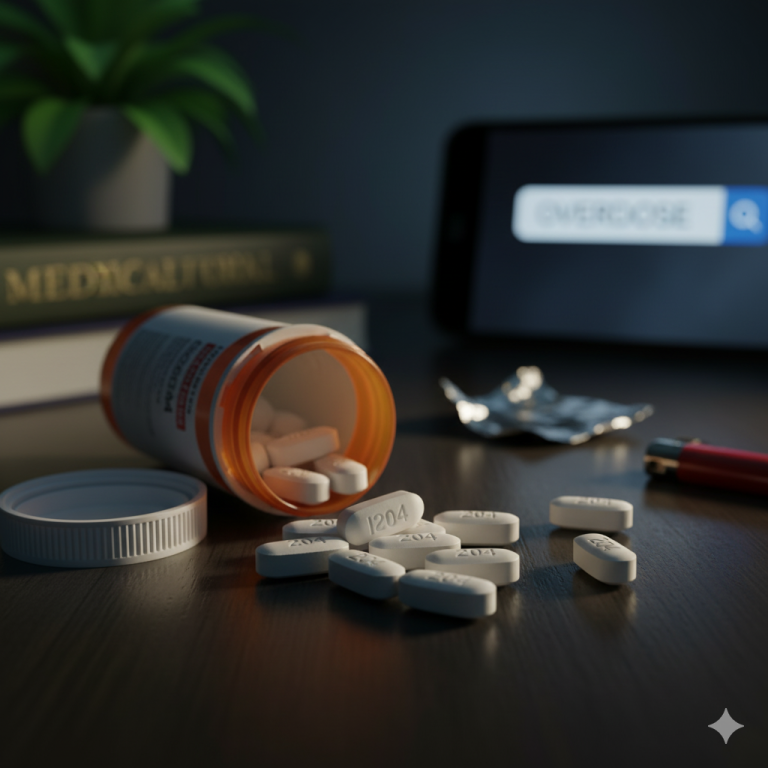
Effective Addiction Treatment Programs: A Comprehensive Guide
Addiction is a complex disease that requires tailored, evidence-based treatment approaches to achieve lasting recovery. Effective addiction treatment programs are designed to address the physical, psychological, and social aspects of addiction, providing individuals with the tools and support they need to reclaim their lives. In this guide, we explore various components of effective addiction treatment programs, highlighting key features, therapies, and considerations for individuals seeking help.
Contact us (888) 510-3898
Understanding Addiction
Understanding addiction is essential before exploring treatment options, as it is a complex and chronic disease that profoundly impacts individuals physically, mentally, and socially. At its core, addiction involves compulsive drug seeking and use, despite the negative repercussions it may have on one’s life and relationships. This behavior stems from profound changes in the brain’s reward system, where substances hijack normal neural processes, leading to intense cravings and reinforcing behaviors that perpetuate drug use.
The brain’s reward circuitry, primarily involving neurotransmitters like dopamine, undergoes significant alterations due to repeated substance use. Initially, drugs may produce intense feelings of pleasure or euphoria, motivating individuals to repeat the behavior. Over time, however, these neurological changes can diminish the brain’s natural ability to experience pleasure from everyday activities, leading individuals to seek drugs compulsively to feel normal or to avoid withdrawal symptoms.
One of the defining characteristics of addiction is its chronic nature, meaning that it is a long-lasting condition that typically requires ongoing management and treatment. Despite periods of abstinence, many individuals with addiction may experience relapse, highlighting the persistent nature of changes in the brain’s structure and function caused by prolonged substance use.
Understanding addiction as a disease helps to dispel misconceptions that it is simply a matter of willpower or moral failing. Instead, it underscores the importance of evidence-based treatments that address both the physical and psychological aspects of addiction. By addressing the underlying causes and consequences of substance use disorders, treatment programs can effectively help individuals regain control of their lives and achieve sustained recovery.
Key Components of Effective Addiction Treatment Programs
Comprehensive Assessment
Effective addiction treatment programs are multifaceted, integrating various components that address the complex nature of substance use disorders and promote lasting recovery. One of the cornerstone elements of these programs is comprehensive assessment. This initial step involves a thorough evaluation of the individual’s physical health, mental well-being, substance use history, and personal circumstances. By understanding these factors, treatment plans can be tailored to meet the specific needs of each person, ensuring that interventions are targeted and effective.
Evidence-Based Therapies
Evidence-based therapies form another crucial component of effective addiction treatment programs. These therapies, grounded in scientific research, include cognitive-behavioral therapy (CBT), motivational interviewing (MI), contingency management (CM), and dialectical behavior therapy (DBT). They are designed to help individuals identify and change behaviors associated with addiction, manage cravings, develop coping skills, and address underlying emotional issues that may contribute to substance use. By using these proven approaches, treatment programs empower individuals to make positive changes and sustain recovery over time.
Medication-Assisted Treatment (MAT)
Medication-Assisted Treatment (MAT) is another key component, particularly for opioid and alcohol use disorders. MAT combines FDA-approved medications like methadone, buprenorphine, or naltrexone with behavioral therapy and counseling. These medications help reduce withdrawal symptoms, cravings, and the risk of relapse, allowing individuals to stabilize their lives and focus on recovery without the intense physiological effects of withdrawal.
Holistic Approaches
Holistic approaches are increasingly integrated into effective addiction treatment programs to address the whole person—mind, body, and spirit. These may include practices such as yoga, mindfulness meditation, art therapy, nutrition counseling, and fitness programs. By promoting overall well-being and stress management, holistic therapies complement traditional treatment methods and support individuals in developing a healthy lifestyle conducive to sustained recovery.
Dual Diagnosis Treatment
Dual diagnosis treatment is crucial for individuals who have co-occurring mental health conditions alongside substance use disorders. Effective programs provide integrated care that addresses both conditions simultaneously, recognizing the interconnectedness between mental health and addiction. By treating these disorders concurrently, individuals receive comprehensive support that improves overall outcomes and reduces the risk of relapse.

Peer Support and Group Therapy
Peer support and group therapy play a vital role in effective addiction treatment programs by fostering a sense of community and mutual support. Group therapy sessions and participation in peer support groups like Narcotics Anonymous (NA) or Alcoholics Anonymous (AA) provide individuals with opportunities to share experiences, receive encouragement, and build accountability. These interactions can be instrumental in breaking feelings of isolation and developing a supportive network of peers who understand the challenges of recovery.
Family Involvement
Family involvement is also emphasized in effective treatment programs, recognizing that addiction affects not only the individual but also their loved ones. Family therapy sessions and educational workshops help rebuild healthy family dynamics, improve communication, and provide education about addiction. By involving family members in the recovery process, treatment programs strengthen the support system around the individual, enhancing their chances of long-term success in recovery.
In conclusion, effective addiction treatment programs combine comprehensive assessment, evidence-based therapies, medication-assisted treatment, holistic approaches, dual diagnosis care, peer support, and family involvement. By integrating these components into personalized treatment plans, programs like those offered by The Recover, empower individuals to overcome addiction, reclaim their lives, and achieve sustainable recovery. These programs emphasize a holistic approach that addresses the complexities of addiction while supporting individuals on their journey to long-term wellness and sobriety.
Choosing the Right Treatment Program
Choosing the right addiction treatment program is a crucial decision that can significantly impact your journey to recovery. Several key factors should be carefully considered to ensure that the program meets your needs and supports your long-term wellness.
- Accreditation and Licensing: First and foremost, accreditation and licensing are essential considerations. It’s vital to choose a program that is accredited by reputable organizations and staffed by licensed professionals. Accreditation ensures that the program meets high standards of care and adheres to best practices in addiction treatment. Licensed professionals, such as therapists, counselors, and medical staff, possess the qualifications and expertise necessary to provide safe and effective treatment.
- Customization: Customization of treatment plans is another critical factor to evaluate. Effective programs offer personalized treatment plans that are tailored to address your specific needs, preferences, and goals for recovery. By customizing the approach, treatment providers can better address the unique challenges and underlying factors contributing to your addiction, increasing the likelihood of successful outcomes.
- Location and Environment: Consideration of the program’s location and environment is also important. The location should align with your comfort level and recovery goals. Some individuals may benefit from treatment in a serene and secluded setting that promotes introspection and relaxation, while others may prefer a program closer to home to maintain connections with family and community support networks. Evaluating the environment can help ensure that it fosters a supportive and conducive atmosphere for your recovery journey.
- Aftercare and Follow-Up: Aftercare and follow-up support are crucial components of effective addiction treatment programs. A program that includes robust aftercare planning and support mechanisms demonstrates a commitment to your long-term success. Effective aftercare may include relapse prevention strategies, alumni programs, ongoing therapy sessions, and referrals to community resources such as support groups or vocational training. These resources help you maintain sobriety, navigate challenges post-treatment, and continue to build upon the progress made during rehabilitation.
Effective addiction treatment programs at The Recover
Effective addiction treatment programs represent a beacon of hope for individuals grappling with substance use disorders, offering a path towards healing and renewed purpose. Rooted in compassion and evidence-based practices, these programs prioritize holistic approaches to address the multifaceted challenges of addiction. Through comprehensive assessments, personalized treatment plans, and a range of evidence-based therapies, they empower individuals to confront and overcome their dependencies.
Central to these programs is the notion of personalized care, where treatment plans are tailored to meet the specific needs and circumstances of each individual. This approach not only addresses the physical aspects of addiction but also delves into the psychological and social factors that contribute to substance use. By integrating therapies such as cognitive-behavioral therapy (CBT), motivational interviewing (MI), and holistic practices like mindfulness and yoga, these programs equip individuals with the tools and skills needed to navigate recovery successfully.
Moreover, effective addiction treatment programs emphasize the importance of ongoing support and aftercare. They recognize that recovery is a lifelong journey and offer robust support systems, including relapse prevention strategies, alumni programs, and community resources. This continuum of care ensures that individuals have the resources and guidance necessary to maintain sobriety and rebuild their lives post-treatment.
If you or someone you know is struggling with addiction, reaching out to a reputable treatment program can be a pivotal step towards a brighter future. By embracing the journey to recovery with professional support and dedication, individuals can reclaim their health, happiness, and overall well-being. Remember, you don’t have to face this journey alone—there are compassionate professionals ready to help you on your path to recovery.

FAQ’s
1. What makes an addiction treatment program effective?
Answer: The Recover prioritizes personalized care. Effective programs at The Recover are:
- Individualized: Tailored to your specific needs, addressing the underlying causes of your addiction and mental health concerns.
- Evidence-based: Utilize proven treatment approaches with a strong track record of success.
- Multifaceted: Combine various therapies, including individual, group, and family therapy, to address different aspects of addiction.
- Holistic: Focus on overall well-being, incorporating treatments like nutrition, exercise, and mindfulness practices.
2. What types of therapies are offered in effective addiction treatment programs at The Recover?
Answer: The Recover offers a comprehensive range of therapies, including:
- Cognitive-behavioral therapy (CBT): Helps identify and change negative thought patterns and behaviors related to addiction.
- Dialectical behavior therapy (DBT): Teaches skills to manage emotions, regulate stress, and improve interpersonal relationships.
- Motivational interviewing (MI): Encourages clients to explore their desire for change and make positive choices.
- Trauma therapy: Addresses past traumas that may contribute to addiction.
- Medication-assisted treatment (MAT): Combines medications with therapy to manage withdrawal symptoms and cravings.
3. How long do effective addiction treatment programs at The Recover typically last?
Answer: There’s no one-size-fits-all answer. The Recover designs treatment plans based on your needs, ranging from short-term intensive programs to long-term, ongoing support.
4. What are the benefits of attending an effective addiction treatment program at The Recover?
Answer: Effective programs at The Recover provide numerous benefits:
- Reduced cravings and withdrawal symptoms
- Development of coping mechanisms
- Improved mental and physical health
- Building a support network in recovery
- Increased self-esteem and confidence
- Reduced risk of relapse
5. Is medication-assisted treatment (MAT) considered an effective approach in addiction treatment programs at The Recover?
Answer: Absolutely! When appropriate, MAT is a valuable tool in effective programs at The Recover. It can significantly help manage cravings and withdrawal symptoms, aiding the recovery process.
6. Does The Recover offer effective addiction treatment programs for specific substances or addiction types?
Answer: Yes! Our programs are designed to address a wide range of addictions, including alcohol, opioids, prescription drugs, and more. We also address co-occurring mental health disorders.
7. I’m worried about the cost. Are effective addiction treatment programs at The Recover affordable?
Answer: The Recover understands the financial concerns. We work with most major insurance providers and offer flexible payment options to make treatment accessible. We can also explore potential financing options.
8. Do effective addiction treatment programs at The Recover provide any support after I complete the program?
Answer: Absolutely! The Recover prioritizes aftercare support. We offer alumni programs, relapse prevention planning, and ongoing support groups to help you maintain your recovery long-term.
9. What should I look for when considering effective addiction treatment programs?
Answer: Look for programs offering individualized treatment plans, evidence-based therapies, a focus on holistic well-being, and a strong aftercare program. The Recover meets these criteria and more.
10. How can I learn more about effective addiction treatment programs at The Recover?
Answer: Contact The Recover today! We offer free consultations to discuss your needs and see if our program is a good fit for your recovery journey. We’re here to help you take control of your life and achieve lasting sobriety.