Comprehensive Solutions for Drug Addiction: The Recover’s Effective Treatment Programs
Drug addiction is a pervasive issue affecting millions of individuals and families worldwide. It is a complex and multifaceted condition that not only disrupts the lives of those who suffer from it but also places a significant burden on society as a whole. Understanding the intricacies of drug addiction and the pathways to effective treatment is crucial for developing strategies that can lead to lasting recovery and improved quality of life.
In this article, we will delve into the key components of effective drug addiction treatment programs, with a particular focus on the methods employed by The Recover. We will explore the foundational elements that contribute to successful recovery, including personalized treatment plans, comprehensive medical and psychological support, and robust aftercare and relapse prevention strategies. By examining The Recover’s holistic approach, experienced staff, and extensive support services, we aim to provide a detailed understanding of what makes a treatment program truly effective.
Contact us (888) 510-3898
Overview of Drug Addiction
Drug addiction, also known as substance use disorder, is a complex condition characterized by an uncontrollable urge to use substances despite harmful consequences. This section will delve into the various facets of drug addiction, including its definition, causes, and far-reaching impact on individuals and society. Additionally, we will explore current statistics and trends to provide a comprehensive understanding of the issue.
Definition and Causes
Drug addiction is defined as a chronic disease that affects the brain’s reward, motivation, and memory functions. Individuals suffering from addiction often prioritize substance use over other aspects of life, leading to significant disruptions in their daily activities and responsibilities. The causes of drug addiction are multifaceted and can include genetic predisposition, environmental factors, and psychological conditions. For instance, individuals with a family history of addiction or those exposed to high-stress environments may be more susceptible to developing substance use disorders. Additionally, mental health issues such as depression, anxiety, and trauma can also contribute to the onset of addiction, as individuals may turn to substances as a form of self-medication.
Impact on Individuals and Society
The impact of drug addiction extends beyond the individual to affect families, communities, and society at large. On a personal level, addiction can lead to a myriad of health problems, including cardiovascular diseases, respiratory issues, and mental health disorders. The social repercussions are equally severe, often resulting in strained relationships, job loss, and financial instability. Families of those struggling with addiction frequently experience emotional and psychological distress, which can manifest as anxiety, depression, and even secondary substance use disorders.
From a societal perspective, drug addiction contributes to increased healthcare costs, criminal activity, and loss of productivity. Public health systems are often burdened with the cost of treating addiction-related illnesses and injuries. Additionally, the criminal justice system incurs significant expenses related to the enforcement of drug laws and the incarceration of individuals involved in drug-related offenses. The economic impact is further compounded by decreased workplace productivity and increased absenteeism among individuals struggling with addiction.
Statistics and Trends
Understanding the scope of drug addiction requires an examination of current statistics and trends. According to recent data, millions of people worldwide are affected by substance use disorders. In the United States alone, the Substance Abuse and Mental Health Services Administration (SAMHSA) reports that approximately 20 million people aged 12 and older had a substance use disorder in the past year. Opioids, including prescription painkillers and heroin, remain a significant concern, contributing to a substantial number of overdose deaths annually.
Trends indicate a growing prevalence of synthetic drugs, such as fentanyl, which are contributing to a surge in overdose fatalities. Additionally, the misuse of prescription medications, particularly among young adults and adolescents, continues to be a troubling trend. The COVID-19 pandemic has further exacerbated the situation, with many individuals experiencing increased stress, isolation, and economic hardship, factors that can contribute to the onset or worsening of substance use disorders.
In summary, drug addiction is a pervasive issue with deep-rooted causes and extensive impacts on individuals and society. By understanding its definition, causes, and current trends, we can better appreciate the importance of effective treatment programs in addressing this complex condition.
Components of Effective Treatment Programs
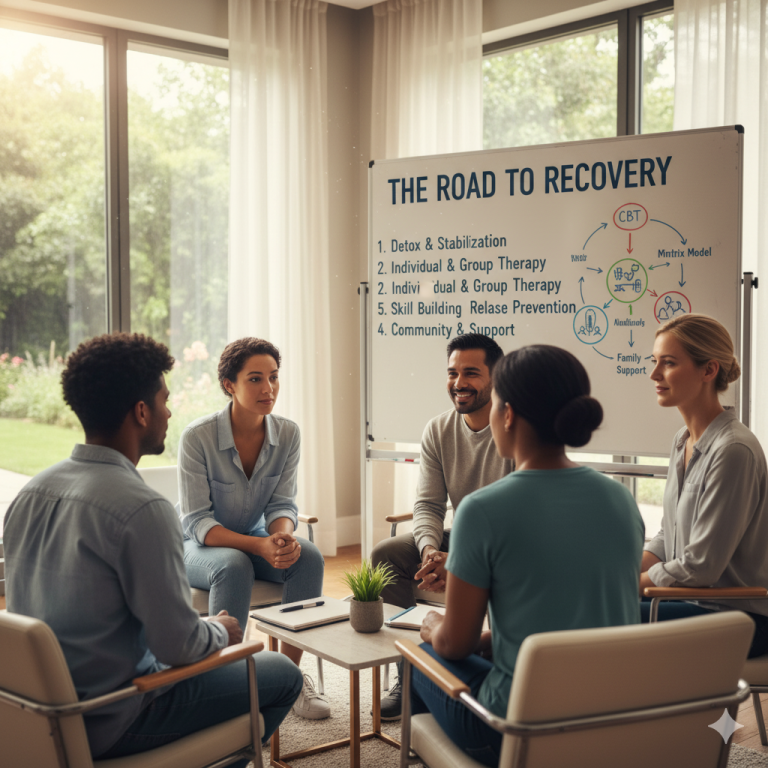
Effective drug addiction treatment programs are multifaceted, addressing the varied needs of individuals struggling with substance abuse. The complexity of addiction requires comprehensive solutions that go beyond mere detoxification. Here, we explore the key components of successful treatment programs:
Personalized Treatment Plans
No two individuals experience addiction in the same way, making personalized treatment plans essential. These plans are tailored to meet the unique needs, circumstances, and goals of each patient. A thorough assessment is conducted to understand the individual’s history, the severity of their addiction, co-occurring mental health disorders, and any social or environmental factors that may influence recovery. Personalized plans may include a combination of therapies such as cognitive-behavioral therapy (CBT), motivational interviewing, and family therapy. The objective is to address the root causes of addiction and provide the tools necessary for sustainable recovery.
Medical and Psychological Support
Addiction is both a physical and psychological condition, necessitating a dual approach to treatment. Medical support often begins with detoxification, a critical first step to manage withdrawal symptoms safely. This phase is supervised by healthcare professionals who can administer medications to ease discomfort and reduce the risk of complications.
Concurrently, psychological support is vital to address the mental and emotional aspects of addiction. Evidence-based therapies such as CBT, dialectical behavior therapy (DBT), and trauma-informed counseling are employed to help patients understand their behaviors, develop healthier coping mechanisms, and build resilience. Ongoing psychiatric evaluations and medication management may also be part of the treatment process for individuals with co-occurring mental health disorders.
Aftercare and Relapse Prevention
Recovery from addiction is an ongoing process that extends beyond the initial treatment phase. Aftercare and relapse prevention are critical components that ensure long-term success. Aftercare programs provide continuous support through outpatient services, counseling, support groups, and sober living arrangements. These resources help individuals navigate the challenges of early recovery, offering guidance and encouragement as they reintegrate into everyday life.
Relapse prevention strategies are integral to aftercare, focusing on identifying triggers, developing coping skills, and creating a robust support network. Patients are taught to recognize the warning signs of relapse and to implement proactive measures to maintain their sobriety. Regular follow-ups and check-ins with healthcare providers ensure that any emerging issues are promptly addressed, significantly reducing the risk of relapse.
In summary, effective drug addiction treatment programs are comprehensive, combining personalized care, medical and psychological support, and robust aftercare services. These elements work together to address the multifaceted nature of addiction, providing individuals with the necessary tools and support to achieve and maintain lasting recovery..

The Recover’s Approach
At The Recover, our philosophy centers on providing a comprehensive and holistic approach to drug addiction treatment. We understand that addiction is a multifaceted condition that requires a multi-pronged strategy for effective recovery. Our approach is designed to address the physical, emotional, and psychological aspects of addiction, ensuring that each individual receives the personalized care they need to reclaim their lives.
Holistic Treatment Methods
The Recover’s treatment programs are rooted in holistic methodologies that consider the whole person, not just the addiction. This means integrating various therapeutic techniques and wellness practices that promote overall well-being. We offer a combination of traditional medical treatments, such as detoxification and medication-assisted therapy, alongside alternative therapies like yoga, meditation, and acupuncture. These practices help to reduce stress, improve mental clarity, and enhance physical health, creating a balanced foundation for recovery.
Experienced and Compassionate Staff
Our team at The Recover is composed of experienced professionals who are dedicated to providing compassionate care. This includes licensed therapists, medical doctors, addiction specialists, and support staff, all of whom are committed to the recovery journey of each patient. The staff’s expertise and empathetic approach create a supportive environment where individuals feel understood and valued. This compassionate care is crucial for building trust and fostering a positive therapeutic relationship, which is essential for effective treatment.
Comprehensive Support Services
Recognizing that recovery extends beyond initial treatment, The Recover offers comprehensive support services to assist individuals through every stage of their journey. Our programs include individual and group therapy sessions, family counseling, life skills training, and vocational support. Additionally, we provide robust aftercare plans that focus on relapse prevention, helping individuals develop strategies to maintain their sobriety in the long term. These services ensure that our clients are equipped with the tools and resources they need to navigate the challenges of recovery and build a fulfilling, drug-free life.
In summary, The Recover’s approach to drug addiction treatment is distinguished by its holistic methods, experienced and compassionate staff, and comprehensive support services. By addressing the diverse needs of individuals struggling with addiction, we strive to offer a pathway to lasting recovery and a brighter future.
Effective Drug Addiction Treatment Programs
In addressing the complex and multifaceted challenge of drug addiction, The Recover stands out as a beacon of hope and resilience. The journey to recovery is undeniably arduous, requiring a holistic, personalized, and sustained approach. Effective drug addiction treatment programs are those that recognize the unique needs of each individual, integrating medical, psychological, and social support to foster lasting recovery.
The Recover’s approach exemplifies this comprehensive strategy, offering a combination of holistic treatment methods, experienced and compassionate staff, and robust support services. By embracing a personalized treatment plan, The Recover ensures that each patient receives the tailored care necessary to address their specific circumstances and underlying issues.
Moreover, the emphasis on aftercare and relapse prevention highlights the understanding that recovery is an ongoing process. Continued support and resources are vital to help individuals maintain their sobriety and build a fulfilling life beyond addiction. The Recover’s commitment to this continuum of care underscores its dedication to the long-term well-being of its clients.
In summary, the effectiveness of drug addiction treatment programs hinges on their ability to provide comprehensive and compassionate care. The Recover’s integrated approach not only addresses the immediate challenges of addiction but also empowers individuals to reclaim their lives and achieve sustained recovery. By fostering a supportive and nurturing environment, The Recover plays a crucial role in transforming lives and building healthier communities.

FAQs
1. What are the key components of Effective Drug Addiction Treatment Programs?
Answer: Effective programs at The Recover are comprehensive, addressing the physical, psychological, and social aspects of addiction. This often includes medical detox, individual and group therapy, medication-assisted treatment (MAT) when needed, and relapse prevention planning.
2. How can I tell if a Drug Addiction Treatment Program is effective?
Answer: Look for programs at The Recover that utilize evidence-based approaches with proven success rates. These programs are tailored to individual needs, offer a continuum of care, and prioritize long-term recovery.
3. What are the benefits of attending Effective Drug Addiction Treatment Programs?
Answer: Recovering from addiction is a journey. Effective programs at The Recover provide tools to manage withdrawal symptoms, address underlying issues, develop healthy coping mechanisms, and prevent relapse.
4. Are Effective Drug Addiction Treatment Programs one-size-fits-all?
Answer: Absolutely not! At The Recover, we understand addiction affects individuals differently. We design personalized treatment plans based on your specific needs, drug of choice, and addiction history.
5. How long do Effective Drug Addiction Treatment Programs typically last?
Answer: The duration of treatment varies depending on your needs. The Recover offers short-term detox programs, longer-term residential programs, and outpatient options for ongoing support.
6. Do Effective Drug Addiction Treatment Programs address co-occurring mental health conditions?
Answer: Yes! Many individuals struggling with addiction also experience depression, anxiety, or other mental health challenges. The Recover incorporates treatment for co-occurring disorders to address the whole person.
7. What happens during medical detox in an Effective Drug Addiction Treatment Program?
Answer: Medical detox at The Recover helps safely manage withdrawal symptoms under medical supervision. This ensures your comfort and well-being during the initial phase of recovery.
8. How do Effective Drug Addiction Treatment Programs help with relapse prevention?
Answer: Relapse prevention is a crucial element at The Recover. We teach you coping mechanisms, identify triggers, and develop strategies to maintain your sobriety in the long term.
9. Does The Recover offer aftercare programs following Effective Drug Addiction Treatment?
Answer: Absolutely! The Recover understands recovery is a lifelong process. We offer aftercare programs and alumni support groups to provide ongoing support and prevent relapse.
10. How much do Effective Drug Addiction Treatment Programs at The Recover cost?
Answer: The cost of treatment varies depending on the program chosen and your specific needs. The Recover works with most major insurance providers and offers flexible payment options to make treatment accessible.