


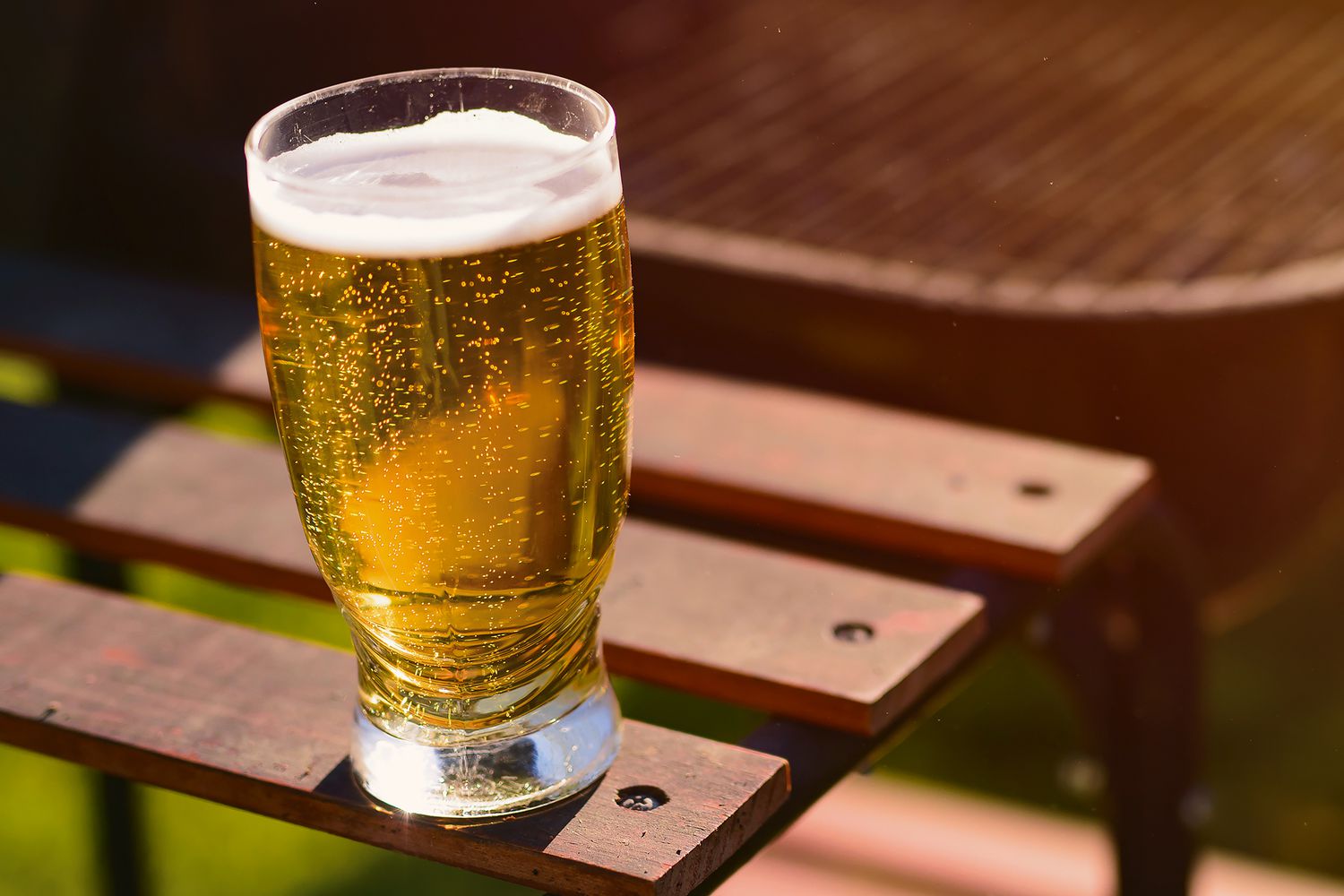
Is 24 Ounces of Beer Enough to Make Someone Drunk?
Alcohol affects people in different ways, and whether or not 24 ounces of beer is enough to make someone drunk depends on several factors. In this article, we will break down the variables that influence alcohol intoxication, the science behind blood alcohol concentration (BAC), and the risks of consuming alcohol. Whether you’re curious about how much alcohol it takes to impair judgment or you’re looking for more information about responsible drinking, The-Recover in California is here to provide a well-researched and informative guide on the subject.
Introduction
Alcohol consumption is a social norm in many parts of the world, including California. From casual gatherings to celebrations, beer is often the beverage of choice for millions of people. But how much beer is too much? The question “Is 24 ounces of beer enough to make someone drunk?” is often asked, especially by those new to drinking or looking to gauge their alcohol tolerance. In this article, The-Recover will explore the various factors that influence intoxication and help you understand the implications of consuming 24 ounces of beer.
What Does “Drunk” Mean?
To understand if 24 ounces of beer is enough to make someone drunk, it’s important to define what “drunk” actually means. Being drunk refers to a state of alcohol intoxication, which occurs when alcohol enters the bloodstream and begins to affect the brain and body. Drunkenness can range from mild impairment (slight loss of coordination and judgment) to severe intoxication (complete loss of motor control and consciousness).
How Alcohol Affects the Body
When you consume alcohol, it is absorbed into your bloodstream through the stomach and small intestine. From there, it travels to the brain, where it slows down the function of neurotransmitters, particularly gamma-aminobutyric acid (GABA), which leads to the calming and sedative effects that people experience when drinking. At the same time, alcohol affects the cerebellum, which controls motor skills, leading to the common symptoms of drunkenness such as slurred speech and lack of coordination.
Blood Alcohol Concentration (BAC): The Key Factor
The key to understanding how drunk someone will become after consuming alcohol lies in their Blood Alcohol Concentration (BAC). BAC measures the percentage of alcohol in the blood. A BAC of 0.08% is the legal limit for driving in most states, including California, but even lower levels can impair coordination and decision-making.
The-Recover notes that BAC is influenced by the amount of alcohol consumed, the time frame in which it was consumed, and various individual factors that we’ll explore in the following sections.
Factors That Influence Alcohol Intoxication
Several factors influence how alcohol affects a person and how quickly someone can become intoxicated after consuming 24 ounces of beer. Let’s explore these variables in detail:
1. Body Weight and Size
One of the most significant factors that affect alcohol absorption is a person’s body weight and size. Larger individuals tend to have more water in their bodies, which helps dilute the alcohol in their system. This means that a smaller person drinking the same amount of beer as a larger person will typically have a higher BAC and feel the effects of the alcohol more strongly.
2. Metabolism
Everyone metabolizes alcohol at different rates, influenced by their overall health, age, and genetic factors. Some people break down alcohol faster than others, which means that two individuals can drink the same amount of beer and have completely different BAC levels.
3. Gender Differences
Men and women process alcohol differently. Women generally have less body water and more body fat than men, which means that alcohol is less diluted in a woman’s body, leading to a higher BAC even when consuming the same amount of alcohol. Additionally, hormonal differences and enzyme levels play a role in how quickly alcohol is metabolized.
4. Food Intake
The-Recover emphasizes the importance of food when drinking alcohol. Consuming alcohol on an empty stomach leads to faster absorption into the bloodstream, resulting in a higher BAC. On the other hand, eating before or while drinking can slow the absorption process, lowering the overall intoxication level.
5. Drinking Experience
Seasoned drinkers often have higher alcohol tolerance levels than those who drink infrequently. This means that a person who drinks regularly might be able to consume 24 ounces of beer without feeling as drunk as someone with a lower tolerance.
6. Alcohol Tolerance
Tolerance develops when a person drinks alcohol regularly. This results in the body becoming accustomed to certain levels of alcohol, requiring more to achieve the same effects. However, The-Recover warns that high tolerance can be dangerous, as it can lead to increased consumption and a higher risk of alcohol-related harm.
How Much Alcohol is in 24 Ounces of Beer?
To better understand whether 24 ounces of beer can make someone drunk, it’s essential to know how much alcohol this amount of beer contains. In the U.S., a standard beer is typically 12 ounces with an alcohol content of around 5% ABV (alcohol by volume). Therefore, 24 ounces of beer equals two standard beers.
For stronger beers, which can have an ABV of 7% or more, the alcohol content in 24 ounces would be significantly higher. For example, two 12-ounce beers at 7% ABV would contain 1.68 ounces of pure alcohol, compared to 1.2 ounces in two beers at 5% ABV.
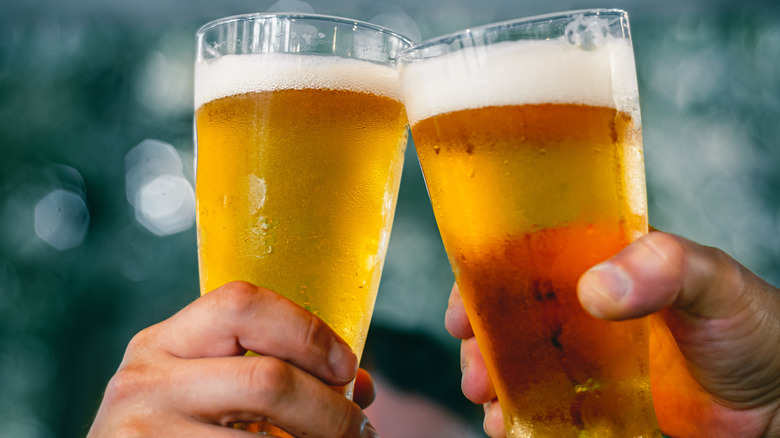
Is 24 Ounces of Beer Enough to Make You Drunk?
Whether 24 ounces of beer is enough to make you drunk depends on the factors mentioned earlier. For an average person weighing around 160 pounds, two beers (24 ounces) with a 5% ABV could lead to a BAC of around 0.04%. This may cause mild impairment but not necessarily full intoxication. However, for someone smaller, with a lower tolerance, or drinking on an empty stomach, 24 ounces could push their BAC higher and result in noticeable drunkenness.
The Dangers of Over-Consumption
Drinking 24 ounces of beer might not seem excessive to some, but over-consumption of alcohol can have serious consequences. Even mild intoxication can impair judgment, slow reaction times, and increase the likelihood of accidents. The-Recover cautions that excessive drinking can also lead to long-term health problems, including liver damage, cardiovascular issues, and increased risk of addiction.
Alcohol’s Effects on the Brain and Body
Alcohol impairs communication between brain cells, affecting areas responsible for controlling judgment, coordination, memory, and emotions. As BAC levels rise, the effects of alcohol become more pronounced, leading to impaired motor skills, slurred speech, and in extreme cases, unconsciousness or alcohol poisoning.
Moreover, alcohol depresses the central nervous system, slowing down vital functions like heart rate and breathing. The-Recover notes that consuming large amounts of alcohol in a short period, known as binge drinking, increases the risk of life-threatening situations.
Tips for Responsible Drinking
To avoid the dangers associated with alcohol consumption, The-Recover recommends the following tips for responsible drinking:
- Know Your Limits: Understand how alcohol affects you and drink accordingly.
- Eat Before You Drink: Always eat a meal before consuming alcohol to slow down absorption.
- Stay Hydrated: Drink water between alcoholic beverages to stay hydrated and reduce the risk of over-consumption.
- Pace Yourself: Don’t drink too quickly. Give your body time to metabolize the alcohol.
- Designate a Driver: Never drink and drive. Always have a plan for transportation if you intend to consume alcohol.
- Avoid Binge Drinking: Stick to moderate drinking levels to reduce the risk of intoxication and long-term health consequences.
Conclusion
In summary, whether 24 ounces of beer is enough to make someone drunk depends on a wide range of factors, including body weight, gender, metabolism, and drinking experience. While it may lead to mild impairment for some, others may feel more pronounced effects. The key to avoiding intoxication and potential harm is understanding your limits and practicing responsible drinking. At The-Recover, we encourage individuals to be mindful of their alcohol consumption and seek help if they struggle with alcohol dependency.
If you or someone you know is facing challenges with alcohol use, The-Recover in California is here to support you with comprehensive information and resources on recovery. Always drink responsibly and stay informed.