


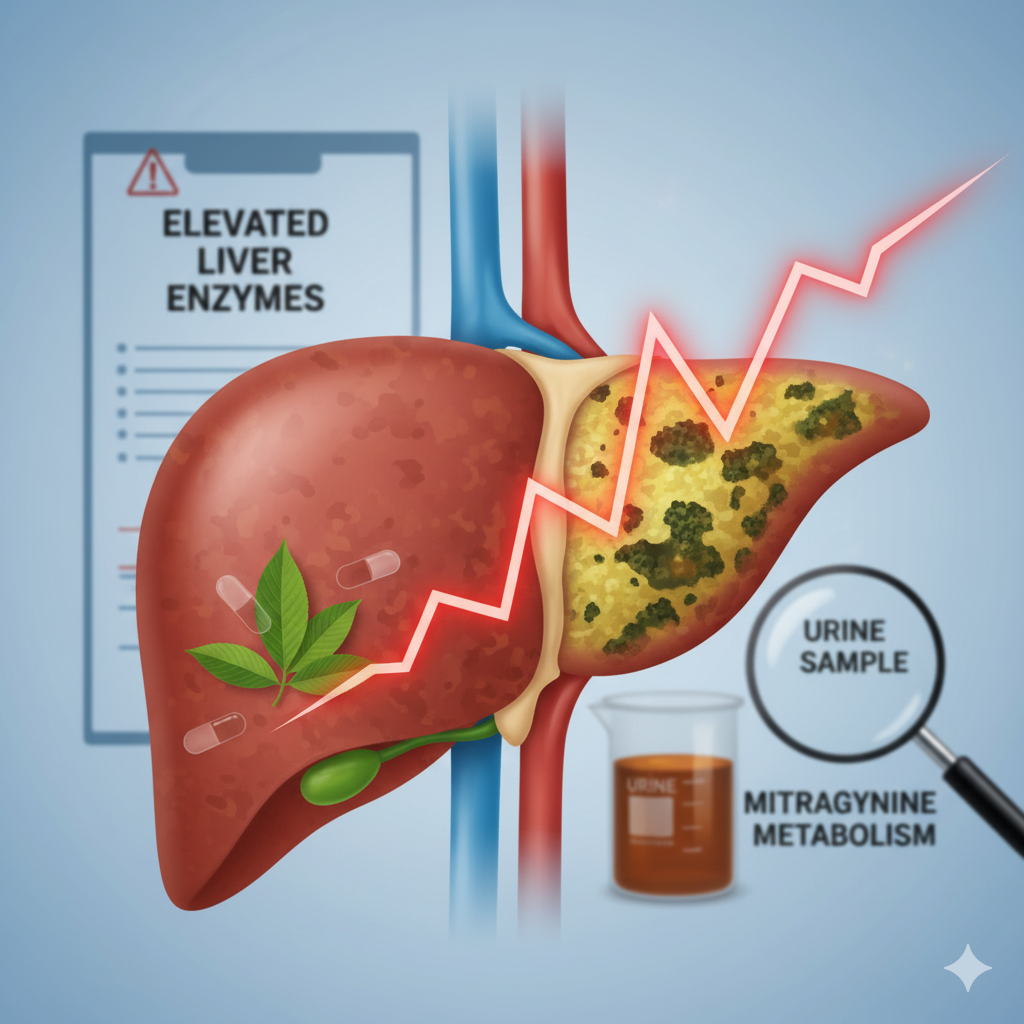
Kratom & Liver Damage: Top 20 FAQ, Symptoms, & Expert Warnings
Kratom Effects On Liver: Top 20 FAQ, Symptoms, & Expert Warnings
Introduction: The Growing Concern Over Kratom and Liver Health
In recent years, kratom — a plant-derived substance from Mitragyna speciosa — has gained a loyal following in the United States for its alleged ability to relieve pain, improve mood, and ease withdrawal from opioids. Yet, behind this herbal supplement’s growing popularity lies a troubling pattern that addiction and medical experts can’t ignore the kratom effects on liver : increasing reports of kratom-induced liver injury (DILI) and hepatotoxicity.
At The Recover, we’ve tracked hundreds of clinical reports, FDA warnings, and firsthand accounts from people who experienced kratom-related liver toxicity. This guide separates facts from hype, exploring how kratom affects the liver, the warning signs to look out for, and how to protect yourself from potentially life-threatening complications.
What Is Kratom and Why Do People Use It?
Kratom is made from the leaves of the tropical tree Mitragyna speciosa, native to Southeast Asia. Traditionally chewed or brewed into tea, kratom contains alkaloids such as mitragynine and 7-hydroxymitragynine, which act on opioid receptors in the brain.
Many users claim kratom provides energy, focus, and pain relief, while others use it as a natural alternative to prescription opioids. However, just because it’s plant-based doesn’t mean it’s risk-free.
The FDA and DEA both list kratom as a substance of concern. According to the National Institute on Drug Abuse (NIDA), long-term use in high doses may lead to serious liver damage, addiction, and withdrawal symptoms similar to opioid use.
Understanding Kratom-Induced Liver Injury (DILI)
Kratom-induced liver injury, sometimes referred to as kratom hepatotoxicity, occurs when the liver becomes inflamed or damaged after kratom consumption. The NIH LiverTox database lists kratom as a confirmed cause of drug-induced liver injury, typically appearing within 2–8 weeks of regular use.
How It Happens
Kratom’s alkaloids — particularly mitragynine — are metabolized by the liver’s cytochrome P450 enzymes. In some individuals, this process produces toxic metabolites or interferes with normal bile flow, leading to cholestasis and elevated liver enzymes.
Patterns of Injury
The pattern of kratom liver damage is often cholestatic (blocked bile flow) or mixed (involving both bile and hepatocellular inflammation). Symptoms may include:
-
Jaundice (yellowing of skin/eyes)
-
Dark urine
-
Fatigue
-
Itching (pruritus)
-
Abdominal pain
-
Elevated ALT/AST enzyme levels
Kratom and Liver Damage: Symptoms and Early Warning Signs
If you use kratom and begin to notice symptoms like fatigue, nausea, jaundice, or dark urine, it’s essential to stop immediately and contact a healthcare provider.
Below are common signs of kratom liver toxicity:
1. Elevated Liver Enzymes
Many patients with kratom liver injury show abnormal bloodwork, including high ALT and AST levels — markers of hepatic inflammation.
2. Jaundice
A hallmark of kratom hepatotoxicity, jaundice results from excess bilirubin buildup in the bloodstream.
3. Abdominal Pain and Nausea
Persistent right upper quadrant pain, nausea, or vomiting may indicate hepatic stress or bile duct obstruction.
4. Dark Urine and Pale Stools
These signs point to cholestasis, where bile flow from the liver is impaired.
5. General Malaise and Itching
Pruritus (itchiness) and fatigue are common, especially in cases where kratom-induced cholestasis is present.
How Quickly Does Liver Damage from Kratom Occur?
The onset of kratom-related liver injury typically occurs within 1 to 8 weeks after starting regular use, though mild cases may take longer to present symptoms. Some users report abrupt jaundice after weeks of moderate daily use, suggesting a delayed hypersensitivity reaction or metabolic overload.
FDA and NIH Findings on Kratom Hepatotoxicity
The FDA has publicly warned consumers that kratom products “carry serious risks, including liver toxicity, seizures, and substance use disorder.”
Meanwhile, the NIH LiverTox database lists several documented cases where individuals developed acute liver injury requiring hospitalization. Fortunately, most recovered fully after discontinuing kratom — though in rare cases, liver failure occurred.
Scientific Insight: How Kratom Affects Liver Function
1. Mitragynine and Liver Metabolism
Kratom’s main alkaloid, mitragynine, undergoes extensive hepatic metabolism. It can interfere with enzymes responsible for processing other medications, increasing the risk of drug interactions and toxic buildup.
2. Kratom Alkaloids and Hepatotoxic Pathways
Some kratom alkaloids may produce reactive oxygen species, damaging hepatocytes (liver cells) and leading to inflammation and fibrosis over time.
3. Role of Contaminants and Adulterants
Many kratom products are contaminated with heavy metals, mold, or synthetic additives — all of which can worsen liver toxicity. This has been confirmed in several FDA seizure analyses of kratom powders and capsules.
Kratom and Alcohol: A Dangerous Combination
Mixing kratom and alcohol compounds the liver’s workload, greatly increasing the risk of hepatotoxicity, cirrhosis, and acute liver failure.
Chronic users who mix both may experience more severe withdrawal symptoms, elevated liver enzymes, and systemic inflammation.
Recovery and Detoxification After Kratom Liver Damage
If you suspect kratom-related liver damage, discontinue use immediately. Your doctor may recommend:
-
Comprehensive bloodwork (ALT, AST, bilirubin, alkaline phosphatase)
-
Abdominal ultrasound or liver biopsy
-
Hospital monitoring if jaundice or severe enzyme elevation occurs
Natural Support and Medical Detox
During recovery, doctors may recommend liver-supportive therapies such as hydration, rest, and nutritional support.
Those struggling to stop kratom due to dependence can seek help at an inpatient rehab center or an outpatient addiction rehab program.
For local help, see our outpatient treatment directory or rehab center locator.
Is Kratom Liver Damage Reversible?
In most cases, yes — if detected early and kratom is discontinued, liver function normalizes within weeks or months. However, chronic or severe injury (especially with co-ingestion of alcohol or other drugs) can lead to irreversible cirrhosis or require transplantation.
Preventing Kratom-Related Liver Problems
-
Avoid long-term daily use
-
Never mix kratom with alcohol or prescription drugs
-
Avoid products without third-party testing
-
Monitor for jaundice, fatigue, and abdominal pain
-
Consult a physician before use if you have existing liver disease
Kratom & Liver Damage: Top 20 Expert FAQ
1. Is kratom dangerous or hard on the liver?
Yes. Kratom places metabolic strain on the liver, which can lead to elevated enzymes and hepatotoxicity, especially in chronic users.
2. Can kratom cause severe liver damage or liver failure?
In rare cases, yes. The FDA and NIH have documented cases of acute liver failure linked to kratom.
3. What is Kratom-Induced Liver Injury (DILI)?
It’s a form of drug-induced liver injury caused by the body’s reaction to kratom metabolites or contaminants.
4. How does kratom actually damage the liver?
Kratom’s alkaloids can cause inflammatory and oxidative damage to hepatocytes, impairing detoxification.
5. How quickly does kratom-related liver damage occur?
Usually within 1–8 weeks of consistent use.
6. What are the key signs of kratom-induced liver damage?
Jaundice, itching, fatigue, dark urine, and abdominal pain are key indicators.
7. Does kratom cause jaundice (yellowing of the skin/eyes)?
Yes. Jaundice is one of the hallmark signs of kratom cholestasis.
8. Will kratom use cause my liver enzymes to be elevated?
Yes. ALT and AST levels often rise during kratom toxicity.
9. Is fatigue or persistent itching a sign of kratom liver toxicity?
Yes — itching (pruritus) occurs when bile acids accumulate in the skin.
10. Does kratom cause hepatitis or liver inflammation?
Kratom can mimic acute hepatitis, showing inflammation and enzyme elevation on biopsy.
11. Is liver damage from kratom reversible?
Often yes, if stopped early. Most patients recover fully with supportive care.
12. What is the chance of needing a liver transplant due to kratom?
Very low, but documented in severe or undiagnosed cases.
13. How is kratom-induced liver injury treated in hospitals?
By stopping kratom, using IV fluids, monitoring enzymes, and providing symptomatic relief.
14. What should I do immediately if I suspect I have kratom liver damage?
Stop using kratom and contact your healthcare provider or local emergency department immediately.
15. Does the liver heal completely after discontinuing kratom use?
Yes, in most cases within 1–3 months, depending on severity.
16. Do specific kratom strains (Maeng Da, Bali) have a higher risk?
No clear data, but concentrated extracts and capsules pose greater risk due to higher alkaloid content.
17. Does mixing kratom with alcohol or other medications increase liver risk?
Absolutely. Co-use multiplies liver stress and toxicity.
18. Are kratom extracts, capsules, or gummies more dangerous than powder?
Yes. Concentrated products deliver higher doses of active alkaloids, overwhelming liver metabolism.
19. Does risk increase with high doses or long-term use?
Yes. Chronic kratom use is linked to elevated risk of liver and kidney injury.
20. Can contaminants or adulterants in kratom cause liver failure?
Yes. Many commercial kratom products contain lead, bacteria, or other toxins known to cause liver injury.
Where to Get Help for Kratom Dependence or Liver Health Concerns
If you suspect dependence or organ stress from kratom, seek help from a medical detox or addiction specialist.
-
Learn more about outpatient recovery options
-
Or contact The Recover directly for confidential help and verified referrals.
Final Thoughts: Understanding the Real Risks of Kratom
Kratom may be natural, but its impact on liver health can be dangerously unnatural. While many users never experience side effects, others face severe hepatotoxicity within weeks.
As more research emerges, one thing remains clear: your liver’s health isn’t worth the risk.
Always consult your healthcare provider before using kratom — especially if you already take other medications or have a history of liver problems.


