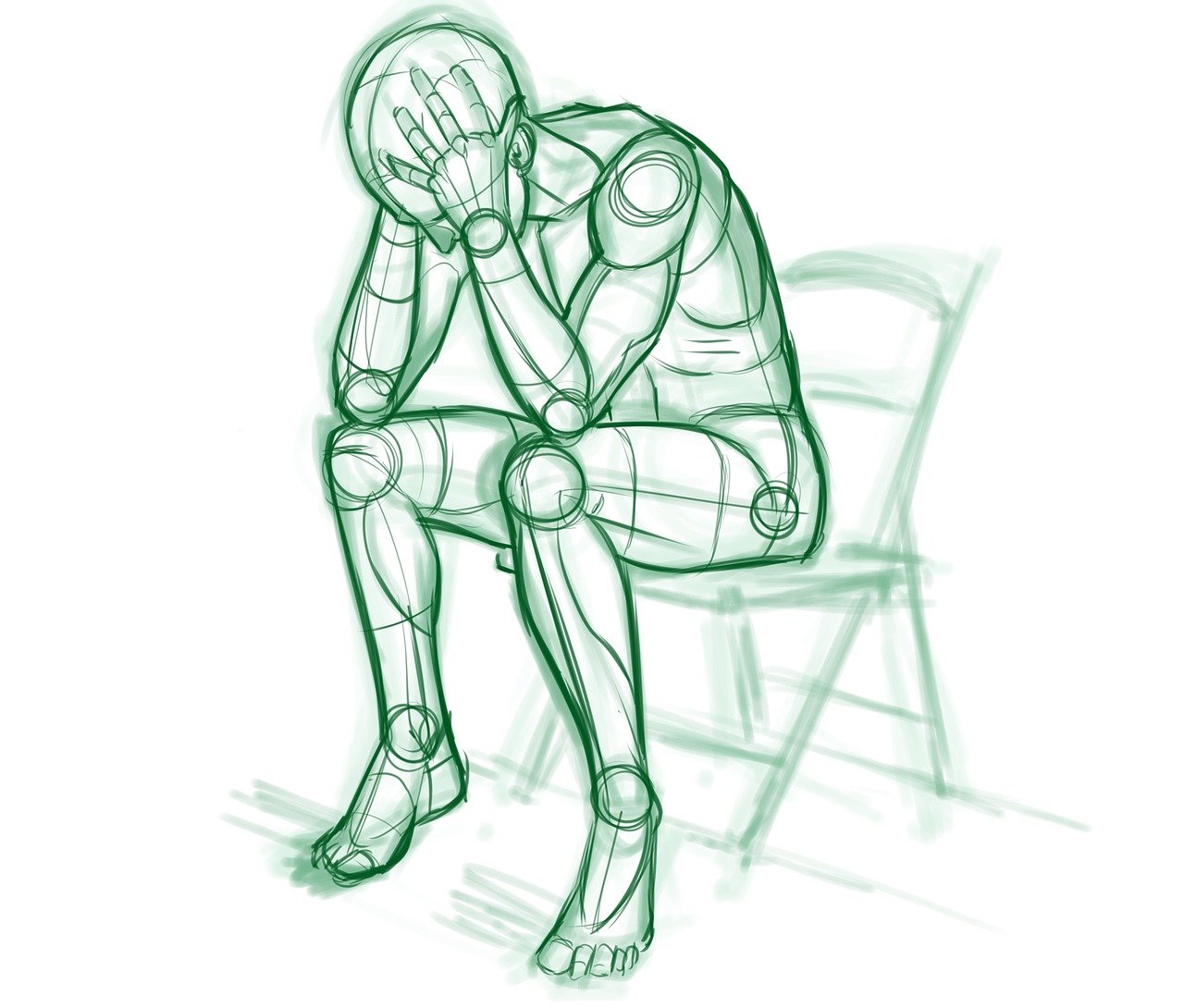
The United States is in a Mental Health Crisis
Mental Health Crisis in America
Hundreds of thousands of Americans are suffering from serious mental illnesses, including bipolar disorder, schizophrenia, and substance use disorders. These conditions affect every aspect of the criminal justice system, from jails and prisons to courts to policing. In the past decade, more than one in four fatal police shootings involved a person with a mental illness. These individuals are also more likely to commit violent crimes and be victims of violent crime.
The United States is in a serious mental health crisis. The National Alliance on Mental Illness (NAMI) estimates that 4.6% of the country’s population experiences a serious mental illness each year. Despite this, few people receive adequate care. As a result, the nation’s jails and prisons are now the de facto providers of mental healthcare. However, these facilities are not equipped to properly care for their residents. They lack the staff, services, and funding required to meet the needs of their patients. Many patients are denied access to treatment, and some do not receive help until they attempt suicide or violate a law.
The “war on crime” policies of the past several decades drove more mentally ill individuals into the criminal justice system. These policies led to changes in sentencing, more imprisonment, and cuts in housing, treatment, and social services. The resulting consequences included increased substance abuse, homelessness, and violence.
In the 1980s, an effort was underway to shift the focus of mental health care away from the prison system to community-based centers. However, this approach didn’t work as well as expected. The number of people in large psychiatric hospitals plummeted by 95 percent between the 1950s and 1990s. The closure of asylums has also been widespread, leaving many people without a place to turn.
Today, the criminal justice system is responsible for two million arrests involving people with SMI, including those who are homeless or mentally ill. The criminal justice system has been criticized for racial inequity. In 2016, half of the people who were incarcerated for SMI were African-American and nearly a third were Hispanic. This racial inequity has been widely discussed in the media.
A new report from the Washington Post found that in 2016, there were one in four fatal police shootings that involved a person with a mental illness. According to the study, these incidents are often the first response by police to a mentally ill person who is acting socially disruptive.
As a result, police officers are not adequately trained to administer mental health care. In addition, mental health medication is often poorly managed. Furthermore, solitary confinement can worsen symptoms of mental illness.
Among female prisoners, approximately 20% experienced serious psychological distress. This is especially true for those who are mentally ill. In addition, about half of high school students report feelings of sadness and hopelessness. Some advocates have called for the return of asylums, therapeutic communities, and other forms of social supports for these populations.
These types of social supports are necessary for successful re-entry. In the midst of the crisis, communities are beginning to launch pilot programs to provide such supports. For example, the city of Los Angeles has launched a pilot program.