
The Oral Health Toll of Addiction: Understanding The Impact On Teeth And Gums
Addiction, in its many forms, can have a profound impact on an individual’s overall health, including their overall well-being. Substance abuse, whether it involves alcohol, tobacco, illicit drugs, or prescription medications, often leads to severe and sometimes irreversible damage to the teeth and gums. This article delves into the myriad ways addiction affects oral health, shedding light on the often-overlooked repercussions that can exacerbate the struggle with substance dependency.
The Connection Between Substance Abuse and Oral Health
Substance abuse directly influences oral health through various mechanisms, each substance having its unique set of impacts. These effects range from dry mouth to an increased risk of gum disease, tooth decay, and even oral cancer. The relationship between addiction and oral health is bidirectional, with poor oral health potentially exacerbating the cycle of addiction, affecting an individual’s self-esteem, and hindering their recovery process.
Our Braintree dentist suggests that understanding how different substances affect oral health is crucial for prevention and treatment. For example, methamphetamine, known for causing “meth mouth,” leads to severe tooth decay, gum disease, and tooth loss. Similarly, tobacco products contribute to gum disease and oral cancers, while excessive alcohol consumption can lead to dehydration and decreased saliva production, increasing the risk of cavities and gum disease.
Substance-Specific Impacts on Oral Health
The following are the effects of various substances on oral health:
- The Effects of Tobacco: Tobacco use, including smoking and chewing, is a leading cause of oral cancer and periodontal diseases. The toxins present in tobacco products can impair blood flow to the gums, leading to the development of gum disease. Additionally, tobacco use discolors teeth and can cause bad breath, further impacting oral health and personal well-being.
- Alcohol’s Impact: Alcohol abuse is another significant contributor to oral health problems. It causes dehydration and dry mouth, which reduces saliva flow. Saliva is essential for neutralizing acids produced by bacteria in the mouth, thus protecting teeth from decay. Moreover, heavy drinkers are at a higher risk of developing oral cancer, particularly when combined with tobacco use.
- Illicit Drugs and Oral Health: Illicit drugs such as methamphetamine, cocaine, heroin, and ecstasy have severe and often rapid effects on oral health. “Meth mouth,” characterized by extensive dental decay, gum disease, and tooth loss, is a well-documented consequence of methamphetamine abuse. Cocaine can erode the enamel and damage the gums, especially when rubbed on the gums. Heroin users often experience dry mouth and crave sugary foods and drinks, which can cause bruxism (teeth grinding), leading to tooth damage.
- Prescription Medications and Oral Health: Even prescription medications, when misused, can harm oral health. Opioids, for example, reduce saliva production, leading to dry mouth and an increased risk of tooth decay and gum disease. Sedatives and anti-anxiety medications can also cause dry mouth, further compounding these risks.
Prevention and Treatment Strategies
Preventing and treating the oral health impacts of addiction requires a multifaceted approach. Regular dental check-ups are vital for early detection and management of oral health issues. Dental professionals play a critical role in identifying signs of substance abuse and can offer support and referrals to addiction treatment services.
- Promoting Good Oral Hygiene: Good oral hygiene practices are essential for preventing the adverse effects of substance abuse on oral health. This includes regular brushing with fluoride toothpaste, flossing daily, and using mouthwash to help control plaque and bacteria. Reducing the consumption of sugary foods and drinks can also significantly lower the risk of tooth decay.
- Integrating Dental Care with Addiction Treatment: Integrating dental care into addiction treatment programs can significantly improve outcomes for individuals struggling with substance abuse. Addressing oral health issues can boost self-esteem and confidence, which are crucial for recovery. Furthermore, treating oral health problems can reduce the risk of relapse by removing a potential source of pain and discomfort that may drive individuals toward substance use for relief.
- Early Intervention and Education: Early intervention and education are pivotal in preventing the detrimental effects of addiction on oral health. Educating individuals, especially young people, about the risks associated with substance abuse can deter the initiation of drug use. Dental professionals and healthcare providers should be trained to recognize the signs of substance abuse and counsel patients on its oral health implications. By fostering an environment where patients feel comfortable discussing their struggles with addiction, healthcare providers can guide them towards the necessary support and treatment.
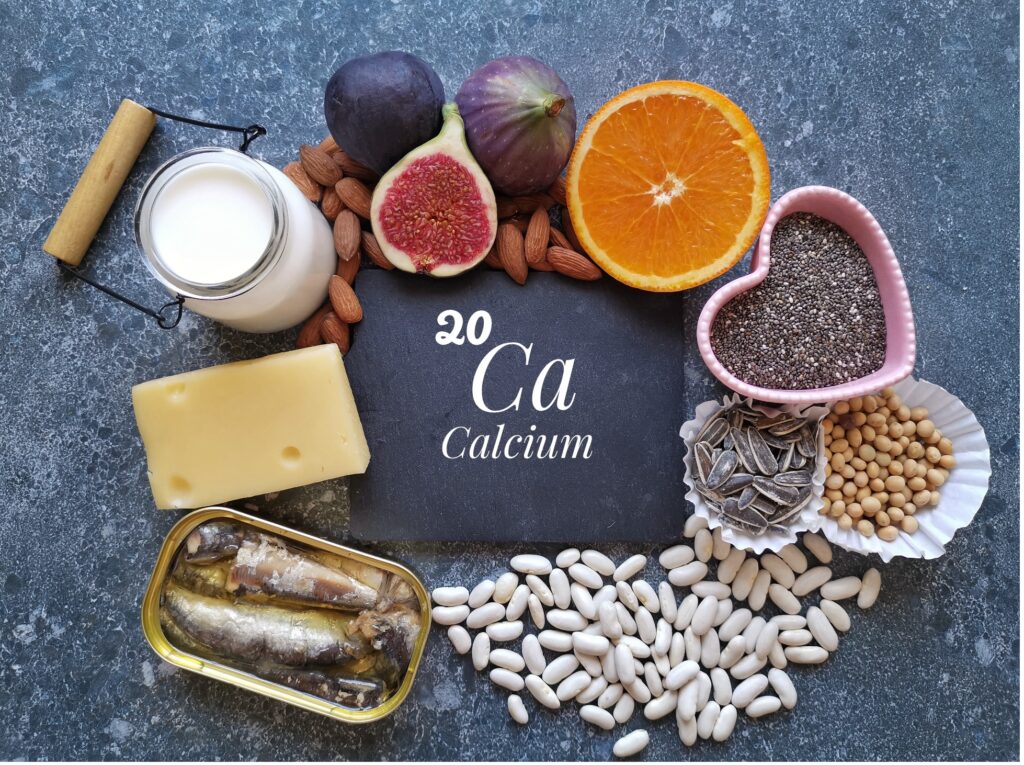
- Incorporating Nutrition: Nutrition plays a significant role in the recovery of oral health for individuals battling addiction. A balanced diet rich in vitamins and minerals is essential for repairing damaged tissues and strengthening the immune system, which in turn aids in fighting off infections in the mouth. Incorporating foods high in calcium, vitamin D, vitamin C, and antioxidants can help improve oral health. Moreover, staying hydrated and limiting sugary and acidic foods can prevent further decay and oral health issues.
Final Thoughts
The oral health toll of addiction is a critical but often neglected aspect of substance abuse and recovery. By understanding the impact of different substances on teeth and gums, individuals and healthcare providers can take proactive steps to mitigate these effects. Regular dental care, coupled with good oral hygiene practices and integrated treatment approaches, can help individuals on their path to recovery achieve better oral health and an improved quality of life.