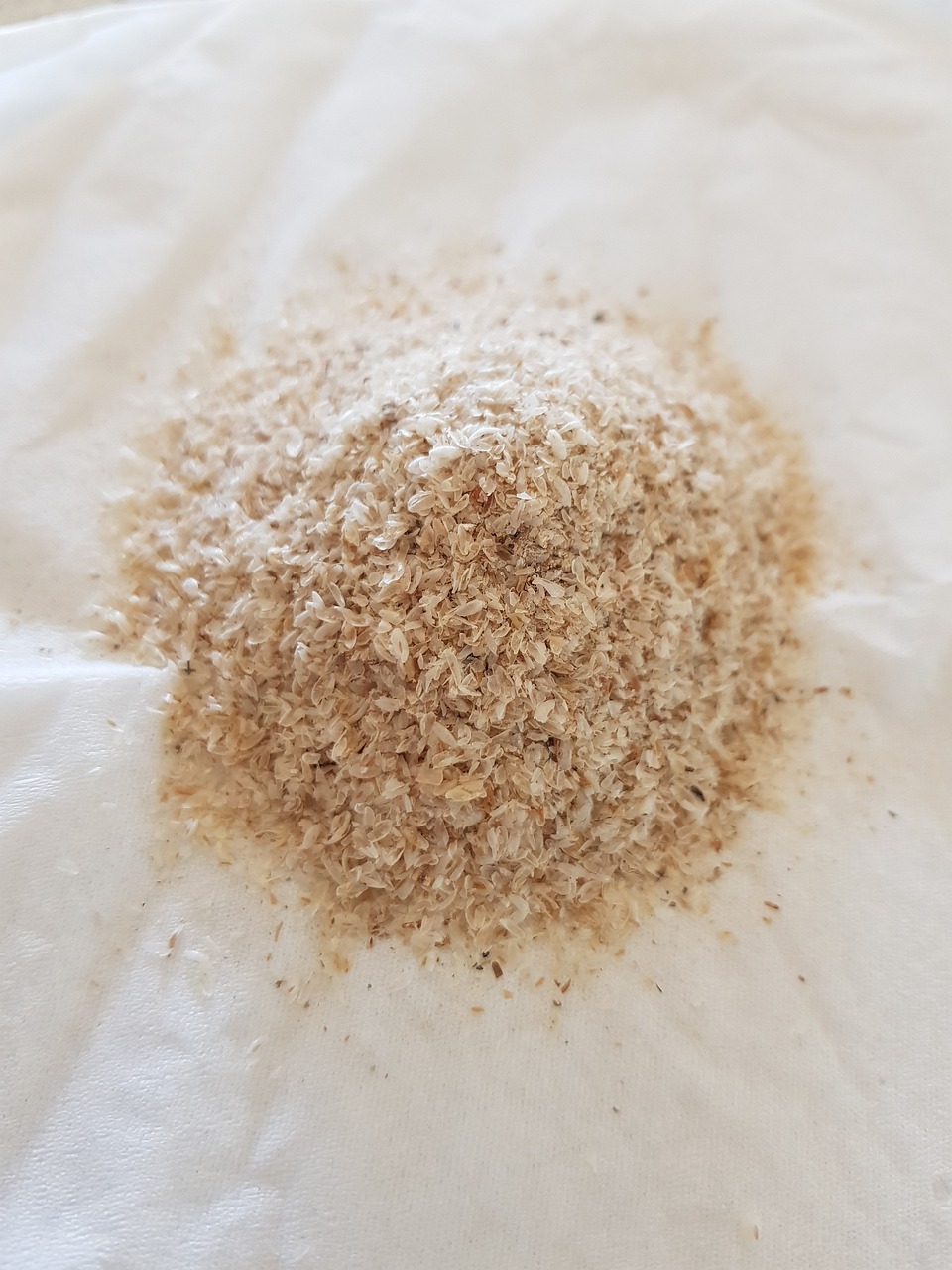
Psyllium Husk Cancer Warning
The Hidden Risks of Psyllium Husk Products: What You Need to Know
Psyllium husk is widely recognized for its health benefits, including aiding digestion, managing cholesterol levels, and supporting weight loss. However, an increasing number of psyllium husk products carry cancer warning labels, raising questions about potential risks. The Recover explores the reasons behind these warnings and provides a comprehensive guide to understanding the safety of psyllium husk products.
What Is Psyllium Husk and Why Is It Popular?
Psyllium husk is a soluble fiber derived from the seeds of the Plantago ovata plant. Known for its ability to absorb water and form a gel-like substance, psyllium has become a staple in dietary supplements and over-the-counter remedies for constipation and gut health. Its benefits include:
- Digestive Health: Promotes regular bowel movements and alleviates constipation.
- Heart Health: Helps lower LDL cholesterol levels, reducing the risk of heart disease.
- Blood Sugar Regulation: Slows glucose absorption, aiding in diabetes management.
- Weight Loss Support: Enhances satiety, reducing overall calorie intake.
While the benefits are well-documented, recent concerns about contaminants have cast a shadow over psyllium’s safety profile.
Why Do Some Psyllium Husk Products Have Cancer Warnings?
California Proposition 65 Compliance
Many psyllium husk products carry a Proposition 65 warning in California. This state law mandates disclosure if a product contains chemicals linked to cancer, birth defects, or other reproductive harm. Contaminants like lead, cadmium, and arsenic—common in soil and water—can inadvertently end up in psyllium husk products.
Heavy Metal Contamination
Soil quality plays a critical role in determining the safety of psyllium husk. Heavy metals such as:
- Lead: A neurotoxin linked to cancer and developmental issues.
- Cadmium: A carcinogenic metal associated with kidney and bone damage.
- Arsenic: Known to increase cancer risk with long-term exposure.
These metals can be absorbed by the psyllium plant during cultivation, particularly in regions with polluted soil.
Pesticide Residue
Non-organic psyllium husk may contain pesticide residues, some of which are classified as carcinogenic by global health agencies. Consuming these residues over time could pose health risks, especially for vulnerable populations.
How to Choose Safe Psyllium Husk Products
1. Look for Organic Certification
Organic psyllium products are grown without synthetic pesticides or chemical fertilizers, reducing the risk of contamination.
2. Check for Heavy Metal Testing
Reputable brands provide third-party lab testing results to confirm their products meet safety standards for heavy metal content.
3. Avoid Products with Prop 65 Warnings
While not all Prop 65 warnings indicate significant risk, choosing products without such labels can offer additional peace of mind.
4. Prefer Reputable Brands
Established brands often have stricter quality control measures, ensuring cleaner and safer psyllium husk products.
Health Benefits vs. Potential Risks: A Balanced Perspective
Psyllium husk remains a valuable dietary supplement when sourced from reliable providers. The key is balancing its health benefits against the potential risks associated with contamination. Incorporating psyllium into your diet safely involves:
- Monitoring Dosages: Stick to recommended serving sizes to minimize exposure to potential contaminants.
- Hydration: Always consume psyllium with plenty of water to prevent choking or intestinal blockages.
- Consulting Healthcare Professionals: Seek medical advice, particularly if you are pregnant, breastfeeding, or managing chronic conditions.
Supply Chain and Potential Contaminant Sources
The safety of psyllium husk products depends significantly on the supply chain, starting with the soil in which the plant is cultivated. Contaminants like heavy metals and pesticides can enter the supply chain through polluted soil, water, or improper farming practices.
During harvesting and processing, additional risks may arise from inadequate quality control or contamination during storage and transport. Ensuring the final product is free from harmful substances requires stringent testing and adherence to safety standards at every stage, from cultivation to packaging.
Top Searches
-
Is psyllium husk safe?
- Answer: Psyllium husk is generally considered safe for most people when taken as directed. However, some concerns have arisen due to the presence of heavy metals like lead in certain brands. These heavy metals are known to be potential carcinogens.
-
What is the psyllium husk cancer warning in California
- Answer: California’s Proposition 65 requires warnings on products containing chemicals known to cause cancer, birth defects, or reproductive harm. Some psyllium husk products carry these warnings due to detectable levels of lead.
-
Is psyllium husk linked to cancer?
- Answer: There’s no direct scientific evidence linking psyllium husk itself to cancer. The cancer warnings on some products are primarily due to the presence of contaminants like lead, not the psyllium husk itself.
-
How to choose safe psyllium husk?
- Answer:
- Look for brands with third-party testing and certifications: This can help ensure quality control and lower levels of contaminants.
- Check for heavy metal warnings: Choose brands without Proposition 65 warnings for lead or other heavy metals.
- Consider organic options: Organic psyllium husk may have lower levels of contaminants.
- Answer:
-
Does Psyllium husk have side effects?
- Answer: Common side effects of psyllium husk include gas, bloating, and constipation if not taken with enough water. More serious side effects are rare but can include intestinal blockage.
Important Note:
- Always consult your doctor or a registered dietitian before starting any new supplement, including psyllium husk.
- If you have any concerns about the safety of a particular brand, contact the manufacturer or your healthcare provider.
Disclaimer: This information is for general knowledge and discussion purposes only and does not constitute medical advice.
Final Thoughts
The presence of cancer warnings on psyllium husk products underscores the importance of vigilance when selecting dietary supplements. By opting for organic and thoroughly tested options, consumers can enjoy the myriad benefits of psyllium without compromising their health. Always prioritize quality and transparency in your purchases, and stay informed about potential risks.