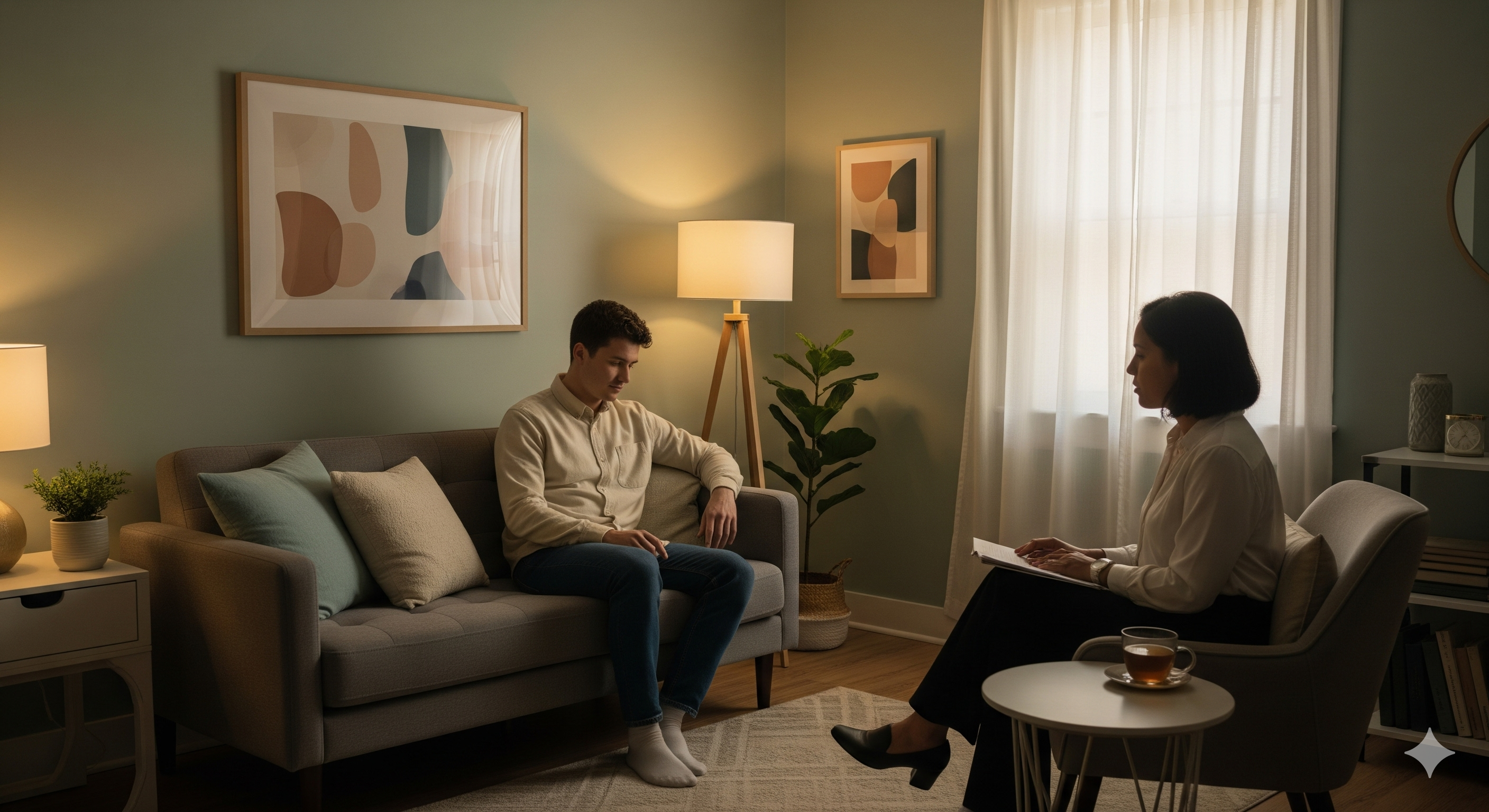
IOP For Anxiety Burbank, CA
Outpatient Anxiety Treatment For Anxiety Burbank, CA
Anxiety disorders cast long shadows over millions of lives, creating invisible barriers that prevent individuals from experiencing the joy, connection, and fulfillment they deserve. Throughout my 28 years as a mental health professional specializing in anxiety treatment, I’ve witnessed the profound transformation that occurs when people receive comprehensive, evidence-based care through Intensive Outpatient Programs (IOPs).
In Burbank, California, a city known for its creative energy and community spirit, IOPs have emerged as a beacon of hope for individuals struggling with anxiety disorders. These programs offer the perfect balance—providing intensive therapeutic support while allowing individuals to maintain their connections to work, school, family, and the communities that give their lives meaning.
The entertainment capital’s unique blend of high-pressure environments and creative pursuits creates specific challenges for those dealing with anxiety. Performance anxiety, social pressures, and the competitive nature of creative industries can exacerbate underlying anxiety disorders. Through my decades of practice, I’ve learned that effective anxiety treatment must address not just symptoms, but the whole person within their specific life context.
Understanding Intensive Outpatient Programs for Anxiety
An Intensive Outpatient Program in Burbank, CA represents a sophisticated level of mental health care specifically designed for individuals whose anxiety significantly impacts their daily functioning but who can benefit from remaining in their home environment. Unlike traditional weekly therapy sessions, IOPs provide concentrated therapeutic intervention through multiple structured sessions each week.
These programs recognize that anxiety disorders are complex, multifaceted conditions requiring comprehensive treatment approaches. The most effective IOPs seamlessly integrate individual therapy, group therapy, family involvement, psychoeducation, and practical skill development to address not merely the symptoms of anxiety, but the underlying thought patterns, behavioral responses, and life circumstances that maintain anxiety cycles.
What sets IOPs apart from other treatment modalities is their unique ability to provide intensive therapeutic support while preserving the individual’s connection to their established life. This approach has proven particularly effective for anxiety disorders, where maintaining real-world connections and responsibilities can actually support the recovery process when properly integrated with comprehensive treatment.
The flexibility of IOPs makes them ideal for Burbank residents who work in entertainment, media, or other demanding industries where taking extended time away from work isn’t feasible. Many creative professionals find that IOPs allow them to continue pursuing their careers while developing the emotional regulation skills needed for long-term success.
Comprehensive Spectrum of Anxiety Disorders Treated
Generalized Anxiety Disorder
Generalized Anxiety Disorder (GAD) affects approximately 3.1% of the U.S. population in any given year, creating persistent patterns of excessive worry that can feel overwhelming and uncontrollable. Understanding the full complexity of anxiety disorders helps individuals recognize that GAD is a legitimate medical condition requiring professional intervention, not simply a character trait or personal weakness.
In Burbank mental health treatment centers, IOPs address GAD through comprehensive, evidence-based approaches that help individuals identify specific worry patterns, develop realistic thinking skills, and learn to manage the physical symptoms of chronic anxiety. The treatment approach typically includes cognitive restructuring techniques, mindfulness-based interventions, stress management strategies, and gradual exposure to uncertainty in controlled, supportive environments.
The entertainment industry’s unpredictable nature can particularly trigger GAD symptoms, making specialized treatment approaches essential for industry professionals dealing with constant uncertainty about projects, auditions, and career trajectory.
Social Anxiety Disorder
Social anxiety disorder extends far beyond ordinary shyness, creating intense fear of judgment, criticism, or embarrassment in social situations. In a city like Burbank, where networking, auditions, and public performance are often career necessities, social anxiety can be particularly debilitating.
IOPs excel in treating social anxiety because they provide structured social environments where individuals can practice interpersonal skills, receive immediate feedback, and gradually build confidence in social interactions. Group therapy components become especially valuable, offering real-time opportunities to practice social engagement in supportive, therapeutic settings where vulnerability becomes strength rather than weakness.
For those seeking additional strategies beyond formal treatment, exploring 5 practical ways to destroy social anxiety can provide valuable supplementary techniques that complement professional treatment approaches and accelerate recovery progress.
Panic Disorder and Agoraphobia
Panic disorder creates intense cycles of fear and avoidance that can severely restrict an individual’s ability to function in daily life, particularly problematic in a career-focused city like Burbank. The unpredictable nature of panic attacks often leads to anticipatory anxiety and increasing avoidance of situations where panic might occur.
IOPs for panic disorder focus on understanding panic triggers, developing immediate coping strategies for panic attacks, learning specific breathing and grounding techniques, and gradually re-engaging with feared situations through structured exposure therapy. The intensive nature of IOPs allows for rapid skill development and immediate support when panic symptoms arise, creating a comprehensive safety net that encourages individuals to engage in recovery-focused activities.
Many entertainment industry professionals experience panic attacks related to performance situations, auditions, or public appearances. Specialized IOPs understand these unique triggers and provide targeted interventions for performance-related anxiety.
Performance and Creative Anxiety
Burbank’s entertainment industry creates unique anxiety challenges that require specialized understanding and treatment approaches. Performance anxiety, creative blocks, audition anxiety, and industry-specific pressures create complex anxiety presentations that benefit from targeted intervention.
IOPs with entertainment industry expertise provide specialized groups for performers, musicians, writers, and other creative professionals, addressing the unique intersection of creativity and anxiety while maintaining artistic authenticity and expression.
Evidence-Based Treatment Modalities
Cognitive Behavioral Therapy Excellence
Cognitive Behavioral Therapy (CBT) Burbank, CA represents the gold standard for anxiety treatment, with extensive research consistently demonstrating its effectiveness across all anxiety disorders. Recent comprehensive studies continue to prove that CBT for anxiety works effectively when delivered by trained professionals using evidence-based protocols.
In IOP settings, CBT is delivered through both individual and group formats, allowing participants to learn cognitive restructuring techniques while benefiting from peer support and shared experiences. The approach focuses on identifying negative thought patterns, challenging catastrophic thinking, developing balanced and realistic thinking skills, creating behavioral experiments to test anxious predictions, and building confidence through graduated exposure exercises.
The intensive nature of IOPs allows for accelerated skill acquisition and immediate application of CBT techniques to real-life situations. Participants can practice new thinking patterns between sessions and bring their experiences back for processing and refinement with both therapists and peers.
Dialectical Behavior Therapy Integration
Dialectical Behavior Therapy (DBT) Burbank, CA has proven particularly effective for individuals with anxiety disorders who also struggle with emotional regulation difficulties, interpersonal challenges, or co-occurring conditions. DBT skills training focuses on four core modules that directly address anxiety-related struggles.
Mindfulness skills help individuals stay present rather than getting caught in anxious rumination about future possibilities or regrets about past performances. Distress tolerance skills provide concrete tools for managing intense anxiety without engaging in avoidance behaviors that maintain anxiety cycles. Emotion regulation skills teach individuals how to identify, understand, and effectively manage anxiety and related emotions. Interpersonal effectiveness skills help individuals communicate needs clearly and maintain relationships despite anxiety symptoms.
In IOP settings, DBT provides participants with immediate, practical tools they can use when anxiety symptoms arise, creating a sense of empowerment and self-efficacy that supports long-term recovery.
Exposure and Response Prevention
For individuals with specific phobias, panic disorder, or obsessive-compulsive features accompanying their anxiety, exposure therapy becomes a crucial component of comprehensive treatment. IOPs provide ideal settings for structured exposure work, offering multiple opportunities weekly to practice confronting feared situations while having immediate therapeutic support available.
Exposure therapy in IOPs is conducted gradually and systematically, starting with less anxiety-provoking situations and progressively working toward more challenging scenarios. The group setting often provides additional support and encouragement, as participants can witness others successfully confronting their fears and gain inspiration for their own exposure work.
For entertainment industry professionals, exposure work might include practicing auditions, public speaking, or performance situations in increasingly challenging environments with therapeutic support.
Mindfulness-Based Interventions
Mindfulness practices have demonstrated remarkable effectiveness in treating anxiety disorders by helping individuals develop present-moment awareness and reducing the rumination and anticipatory worry that fuel anxiety cycles. IOPs incorporate mindfulness training through formal meditation practices, mindful movement exercises, creative mindfulness approaches, and integration of mindfulness principles into daily activities.
The regular practice of mindfulness skills helps participants develop a different relationship with their anxious thoughts and feelings, viewing them as temporary mental events rather than accurate reflections of reality or predictors of future catastrophe.
Comprehensive IOP Treatment Structure
Program Intensity and Flexible Scheduling
Most Intensive Outpatient Program Burbank, CA options operate three to five days per week, with sessions lasting three to four hours each day. This intensity provides comprehensive therapeutic intervention while maintaining the flexibility needed for participants to continue working, attending school, or managing family responsibilities.
The typical duration of an IOP for anxiety ranges from 6-12 weeks, though some individuals may benefit from longer programs depending on the complexity of their anxiety presentation and their response to treatment. The flexibility of IOPs allows for individualized treatment planning that can adjust intensity and duration based on participant progress and changing life circumstances.
Burbank IOPs often offer evening and weekend options to accommodate entertainment industry schedules, recognizing that creative professionals may work non-traditional hours or have unpredictable schedules based on project demands.
Daily Programming Components
A comprehensive day in an anxiety IOP typically includes individual therapy sessions focused on personal treatment goals and specific challenges, process groups where participants share experiences and provide mutual support, skills training groups teaching specific anxiety management techniques, psychoeducation sessions providing information about anxiety disorders and recovery, creative therapy or expressive arts therapy (particularly valuable in Burbank’s creative community), mindfulness or relaxation training, and family therapy sessions when appropriate.
This varied programming ensures that participants receive multiple therapeutic touchpoints throughout each day while learning to integrate anxiety management skills into their regular routines and professional activities.
Group Therapy Benefits and Community Building
Group therapy Burbank, CA provides unique therapeutic benefits that individual therapy alone cannot offer. In group settings, participants discover they are not alone in their struggles with anxiety, learn from others’ experiences and successful coping strategies, practice social and communication skills in supportive environments, receive feedback and encouragement from peers who understand their experiences, and develop a sense of community and belonging that supports ongoing recovery.
The group dynamic in IOPs creates natural opportunities for participants to challenge social anxiety directly while receiving immediate therapeutic support and processing. For creative professionals, specialized industry groups provide opportunities to address career-specific anxiety with others who understand the unique pressures of entertainment careers.
Specialized Treatment Tracks and Dual Diagnosis Care
Integrated Dual Diagnosis Treatment
Many individuals with anxiety disorders also struggle with substance use disorders, depression, or other mental health conditions. Substance abuse and mental health Burbank, CA treatment requires specialized approaches that address all co-occurring conditions simultaneously rather than treating them as separate, unrelated problems.
The entertainment industry’s culture around substances can complicate anxiety treatment, making integrated dual diagnosis care particularly important in Burbank. IOPs with dual diagnosis capabilities provide integrated treatment that recognizes the interconnected nature of anxiety and substance use, offering specialized groups for individuals with co-occurring conditions, coordinated medical and psychiatric care, family therapy addressing both anxiety and substance use impacts, and relapse prevention planning that addresses triggers for both conditions.
Depression and Anxiety Co-Treatment
IOP for depression Burbank, CA often overlaps significantly with anxiety treatment, as these conditions frequently co-occur and share many underlying factors. Integrated treatment approaches address both conditions simultaneously, recognizing that treating one while ignoring the other often leads to incomplete recovery.
The combination of depression and anxiety can create particularly challenging symptoms for creative professionals, including creative blocks, performance anxiety, social withdrawal, and difficulty with industry networking and self-promotion.
Trauma-Informed Care Integration
Many anxiety disorders have trauma-related components, making trauma therapy Burbank, CA an essential element of comprehensive treatment. IOPs with trauma-informed approaches integrate trauma treatment methodologies with anxiety-specific interventions, creating safety and stabilization while addressing underlying traumatic experiences.
Recent research developments continue to expand our understanding of anxiety and trauma treatment. The NIMH research on ketamine provides valuable insights into emerging treatment options for individuals with treatment-resistant anxiety and co-occurring conditions.
Family Involvement and Systemic Support
Comprehensive Family Education and Therapy
Anxiety disorders affect entire family systems, and effective treatment must include family members in the recovery process to maximize long-term success. IOPs typically offer family education sessions about anxiety disorders and their impact on family dynamics, family therapy sessions to address relationship patterns and communication issues, training for family members on how to effectively support recovery without enabling anxiety behaviors, and guidance on avoiding well-intentioned behaviors that might inadvertently maintain anxiety symptoms.
Family involvement helps create supportive home environments that reinforce skills and strategies learned in treatment while addressing family patterns that may unintentionally perpetuate anxiety cycles.
Communication Skills Training
IOPs often include comprehensive communication skills training for both individuals with anxiety and their family members. This training focuses on expressing needs and feelings clearly without anxiety-driven defensiveness, setting appropriate boundaries without excessive guilt or worry, managing conflict constructively and respectfully, creating supportive family dynamics that promote recovery, and developing collaborative problem-solving skills.
For families in the entertainment industry, this might include addressing unique pressures around career support, financial uncertainties, and the emotional demands of creative careers.
Medical Integration and Psychiatric Services
Comprehensive Psychiatric Services Integration
Many individuals with anxiety disorders benefit from psychiatric medication as part of their comprehensive treatment plan. Psychiatric services Burbank, CA within IOPs provide thorough medication evaluation and ongoing management, close coordination between prescribing providers and therapy teams, comprehensive education about medication options and potential effects, and regular monitoring to ensure optimal therapeutic outcomes.
The integration of psychiatric care with therapeutic interventions allows for coordinated treatment that maximizes effectiveness while minimizing potential conflicts between different treatment approaches.
Holistic Medication Management
Modern IOPs recognize that psychiatric medication is one important tool in comprehensive anxiety treatment rather than a standalone solution. Programs focus on helping individuals understand their relationship with medication, develop non-medication coping strategies and skills, make informed decisions about long-term medication use, and integrate medication management with lifestyle changes and therapeutic interventions.
This holistic approach ensures that individuals develop comprehensive toolkits for managing anxiety that don’t rely exclusively on any single intervention.
Measuring Treatment Success and Progress Tracking
Comprehensive Outcome Tracking and Assessment
Quality IOPs utilize standardized, validated assessment tools to track progress systematically and adjust treatment approaches based on objective data. Regular assessment helps treatment teams identify which interventions are working effectively, ensures treatment remains focused on individual goals and priorities, provides objective measures of progress for participants and families, and guides decisions about treatment intensity and duration.
For creative professionals, assessment might include specific measures of performance anxiety, creative confidence, and career-related functioning alongside standard anxiety measures.
Concrete Skill Development Milestones
IOPs track skill development through specific, measurable milestones that provide clear markers of progress. These might include managing anxiety symptoms without complete avoidance of trigger situations, participating in previously feared social or professional situations, using coping strategies effectively during anxiety episodes, maintaining daily functioning and work responsibilities despite anxiety symptoms, and developing realistic, balanced thinking patterns about anxiety-provoking situations.
For entertainment industry professionals, milestones might include successful auditions, comfortable networking events, or confident public performances.
Aftercare Planning and Continuing Support
Comprehensive Transition Planning
Successful IOPs include detailed discharge planning that ensures continuity of care and sustained progress after program completion. This planning might include stepping down to traditional outpatient therapy with providers who understand the participant’s treatment history, connecting with community support groups and peer support networks, developing detailed relapse prevention plans with specific strategies and warning signs, establishing ongoing psychiatric care when medication management is needed, and creating crisis management plans for future anxiety episodes.
For creative professionals, aftercare planning might include ongoing coaching for auditions, performance anxiety management, and career-specific stress management.
Alumni Programs and Professional Networks
Many IOPs offer alumni programs that provide ongoing peer support and connection, refresher sessions for skill maintenance and practice, continued connection to treatment communities, and professional networking opportunities for creative industry participants. These programs recognize that recovery is an ongoing process that benefits from continued support and community connection.
Regional Treatment Options and Accessibility
Burbank Treatment Landscape
Burbank, CA mental health clinics offer diverse treatment options for individuals with anxiety disorders, taking advantage of the city’s location in Los Angeles County while maintaining its unique community character. The city’s concentration of entertainment industry professionals means many programs offer specialized services for creative careers.
For individuals considering IOP options in nearby communities, IOP for anxiety Long Beach CA, IOP for anxiety Santa Clarita CA, and IOP for anxiety El Monte CA provide additional resources and options for comprehensive anxiety treatment throughout the Los Angeles area.
Transportation and Accessibility
IOPs recognize that transportation can be a significant barrier to treatment access, particularly in Los Angeles County. Many programs offer flexible scheduling to accommodate public transportation, assistance with transportation resources and planning, telehealth options for certain program components when appropriate, and program locations accessible via Metro lines and bus routes.
Insurance Coverage and Financial Considerations
Understanding Insurance Coverage
Most major insurance plans provide coverage for IOPs when they are deemed medically necessary for treating anxiety disorders. Coverage typically includes individual therapy sessions within program structure, group therapy participation and facilitation, family therapy sessions when clinically indicated, psychiatric services and medication management, and care coordination and discharge planning services.
Understanding insurance benefits and working with program staff to maximize coverage helps ensure that financial concerns don’t become barriers to accessing needed treatment.
Payment Options and Industry-Specific Assistance
Many IOPs offer various payment options recognizing the unique financial challenges faced by entertainment industry professionals, including sliding scale fees based on income variability, payment plans accommodating irregular income patterns, financial assistance programs for between-project periods, coordination with industry unions and guilds, and scholarships for emerging artists and performers.
Some programs partner with industry organizations to provide specialized financial support for creative professionals seeking mental health treatment.
Frequently Asked Questions About IOP for Anxiety in Burbank
What is an Intensive Outpatient Program (IOP) for anxiety?
An Intensive Outpatient Program (IOP) for anxiety is a comprehensive mental health treatment program that provides multiple therapy sessions per week while allowing participants to maintain their daily responsibilities such as work, school, or family obligations. IOPs typically involve 9-15 hours of treatment per week, combining individual therapy, group therapy, family sessions, and skill-building activities. This level of care is specifically designed for individuals who need more support than traditional weekly therapy sessions but don’t require the intensity of inpatient hospitalization or residential treatment.
How is an IOP different from regular therapy?
IOPs differ from regular therapy in several significant ways: intensity level (multiple sessions per week versus weekly sessions), comprehensive approach (combining individual, group, and family therapy modalities), structured daily programming (organized schedules with various therapeutic activities), immediate peer support (group therapy components with others facing similar challenges), medical integration (coordination with psychiatric services when needed), and skill practice opportunities (multiple chances per week to practice new coping strategies). IOPs provide a more immersive treatment experience that allows for accelerated skill development and immediate support during difficult moments.
What is the difference between an IOP and a Partial Hospitalization Program (PHP)?
A Partial Hospitalization Program (PHP) Burbank, CA provides more intensive treatment than an IOP, typically involving 6-8 hours of treatment per day, five days per week. PHPs are designed for individuals who need near-hospital-level care but can safely return home each evening. IOPs provide 3-4 hours of treatment, 3-5 days per week, making them more suitable for individuals who can maintain greater independence while still needing intensive therapeutic support. Both programs allow participants to live at home, but PHPs require greater time commitment and provide more intensive medical monitoring.
What types of anxiety disorders are treated in an IOP?
IOPs treat the full spectrum of anxiety disorders, including generalized anxiety disorder (GAD), social anxiety disorder (social phobia), panic disorder with or without agoraphobia, specific phobias (such as performance anxiety common in entertainment), agoraphobia, anxiety disorders with co-occurring depression or substance use, obsessive-compulsive disorder (OCD), post-traumatic stress disorder (PTSD) when anxiety symptoms are prominent, and performance anxiety specific to creative and entertainment careers. Programs are designed to address the unique needs of different anxiety presentations while providing comprehensive care.
How long does an IOP for anxiety typically last?
Most IOPs for anxiety last between 6-12 weeks, though the exact duration varies based on individual needs, symptom severity, treatment response, and life circumstances. Some participants may benefit from shorter programs if they respond quickly to treatment interventions, while others may need longer programs or additional step-down levels of care. Treatment teams regularly assess progress using standardized measures and adjust program length to ensure optimal outcomes for each individual. The flexible nature of IOPs allows for individualized treatment planning.
Do you treat other mental health conditions like depression or PTSD?
Yes, most comprehensive IOPs provide integrated treatment for co-occurring mental health conditions, recognizing that many individuals with anxiety also experience depression, PTSD, substance use disorders, or other mental health challenges. Integrated programs address all relevant conditions simultaneously rather than treating them as separate problems. This approach recognizes that treating anxiety while ignoring co-occurring depression or trauma often leads to incomplete recovery and higher relapse rates. Specialized programming addresses complex presentations with targeted interventions designed for multiple conditions.
What types of therapy and skills will I learn in the program?
IOP participants learn various evidence-based therapeutic approaches and practical skills, including cognitive behavioral therapy (CBT) techniques for identifying and challenging anxious thoughts, dialectical behavior therapy (DBT) skills for emotional regulation and distress tolerance, mindfulness and meditation techniques for present-moment awareness, exposure therapy strategies for gradually confronting feared situations, communication and interpersonal effectiveness skills, stress management and relaxation techniques, creative therapy and expressive arts approaches (particularly valuable in Burbank), problem-solving skills for managing life challenges, and comprehensive relapse prevention strategies.
Will I have individual therapy sessions or just group therapy?
Most comprehensive IOPs combine both individual therapy Burbank, CA and group therapy to provide well-rounded, personalized care. Individual sessions allow for personalized treatment planning, addressing specific personal issues and trauma history, working on individual goals and challenges, and providing private space for sensitive discussions. Group sessions provide peer support and shared experiences, opportunities to practice social and communication skills, learning from others’ successful coping strategies, and development of community and belonging. The combination maximizes treatment effectiveness and provides multiple avenues for healing and growth.
Are family members involved in the treatment process?
Yes, family involvement is typically a crucial component of comprehensive IOP treatment for anxiety. Family participation may include family therapy sessions to address relationship dynamics and communication patterns, family education sessions about anxiety disorders and their impact on families, communication skills training for family members, participation in treatment planning and goal setting, and involvement in discharge planning and aftercare coordination. Family involvement helps create supportive home environments that reinforce recovery skills while addressing family patterns that may inadvertently maintain anxiety symptoms.
Do I need to be on medication to enroll in the program?
Psychiatric medication is not required for IOP enrollment, though many individuals do benefit from medication as part of their comprehensive treatment plan. IOPs work effectively with participants regardless of their medication status and can provide referrals to psychiatric services when medication evaluation would be beneficial. The decision about medication is made collaboratively between participants, families, and treatment teams based on individual needs, preferences, and clinical presentation. Some participants begin medication during treatment, while others successfully complete programs without medication.
Will I be able to continue working or going to school while in the program?
IOPs are specifically designed to allow participants to maintain work, school, or family responsibilities while receiving intensive mental health treatment. Programs offer flexible scheduling options, including morning programs (typically 9am-12pm), afternoon programs (typically 1pm-4pm), evening programs (typically 6pm-9pm), and weekend options when available. Many Burbank programs specifically accommodate entertainment industry schedules with evening and weekend options. Participants successfully balance IOP participation with employment, auditions, creative projects, or education, and treatment teams help develop strategies for managing both responsibilities effectively.
How much does an IOP cost?
IOP costs vary depending on program length, specific services included, geographic location, and insurance coverage. Most insurance plans provide coverage for IOPs as they are considered medically necessary treatment for anxiety disorders. For participants without insurance coverage, many programs offer sliding scale fees based on income, payment plans to spread costs over time, financial assistance programs, partnerships with entertainment industry organizations for additional support, and scholarships or reduced-fee options through community partnerships. Financial counselors work with participants to explore all available options.
Is an IOP for anxiety covered by insurance in Burbank, CA?
Most major insurance plans, including Medicare, Medicaid, and private insurance providers, offer coverage for IOPs when they are deemed medically necessary for treating anxiety disorders. Coverage typically includes individual therapy sessions, group therapy participation, family therapy when indicated, psychiatric services and medication management, and care coordination services. Insurance coverage requirements may include prior authorization from insurance companies, utilization of specific provider networks, documentation of medical necessity and previous treatment attempts, and regular progress reviews to justify continued coverage.
What payment options or financial assistance are available?
Many IOPs offer various payment options to ensure treatment accessibility, particularly important given the entertainment industry’s variable income patterns. Options include direct insurance billing and claims processing, sliding scale fees based on household income and financial circumstances, flexible payment plans for out-of-pocket costs, financial assistance programs for individuals with limited resources, coordination with entertainment industry unions and guilds, scholarships provided through community partnerships and grant funding, and payment arrangements accommodating irregular creative industry income. Financial counselors work with participants to create sustainable payment plans.
What are the program hours?
IOP schedules are designed to accommodate various life circumstances and work demands, particularly important in Burbank’s entertainment industry. Common scheduling options include morning programs (typically 9am-12pm) for individuals with afternoon or evening work commitments, afternoon programs (typically 1pm-4pm) for those with morning schedules, evening programs (typically 6pm-9pm) for traditional daytime workers or students, and weekend intensive options for individuals with weekday industry commitments. Many Burbank programs offer specialized scheduling for entertainment professionals with irregular or project-based schedules.
How do I know if an IOP is the right level of care for me?
An IOP may be appropriate if you need more support than weekly therapy provides for managing anxiety symptoms, can maintain basic daily functioning but struggle with significant anxiety interfering with work, relationships, or daily activities, have tried outpatient therapy with limited success or need more intensive intervention, would benefit from peer support and group therapy experiences, need intensive skill development and practice for managing anxiety, are stepping down from higher levels of care, or work in high-stress environments like entertainment that exacerbate anxiety symptoms. A comprehensive assessment with qualified mental health professionals can determine the most appropriate level of care.
What is the first step to enrolling?
The enrollment process typically begins with an initial screening phone call to discuss current symptoms, treatment needs, and program availability. This is followed by a comprehensive intake evaluation with mental health professionals to assess symptom severity, treatment history, and suitability for IOP level of care. Next comes insurance verification and financial planning to understand coverage and payment options, development of individualized treatment plans based on assessment findings and personal goals, and scheduling to begin programming based on availability and individual needs. Many programs can complete this process within a few days to ensure timely access to care.
What should I expect during my first visit?
First visits typically include comprehensive intake assessments covering detailed mental health history, current symptoms and their impact on daily functioning, previous treatment experiences and outcomes, family history and support systems, specific treatment goals and expectations, and any industry-specific concerns for entertainment professionals. Participants complete necessary paperwork and consent forms, receive orientation to program structure, rules, and expectations, meet with treatment team members including therapists and program coordinators, participate in initial treatment planning and goal setting, and may attend their first group session if scheduling permits. First visits are designed to help participants feel comfortable and prepared.
What happens after I complete the IOP?
Comprehensive discharge planning begins early in treatment and includes transition to appropriate continuing care such as individual outpatient therapy with providers familiar with participant treatment history, connection with community resources and support groups for ongoing peer support, development of detailed relapse prevention plans with specific strategies and warning signs, coordination with primary care providers and psychiatrists for ongoing medical care, access to alumni programs or continuing support services, creation of crisis management plans for handling future anxiety episodes, and for entertainment professionals, ongoing career coaching and performance anxiety management resources. The goal is sustained recovery and continued growth.
Can I see success stories or testimonials from former clients?
While client confidentiality prevents sharing specific personal details, most reputable programs can provide general information about treatment outcomes and success rates, anonymous testimonials that protect client privacy, information about types of improvements commonly achieved by program graduates, opportunities to speak with alumni who volunteer to share experiences with prospective participants, and data about long-term recovery rates and functional improvements. Treatment providers can discuss what successful outcomes typically look like for individuals with similar anxiety presentations and provide realistic expectations about recovery processes. Many programs track outcomes and can share aggregate data about sustained recovery and career success for entertainment industry participants.
The Creative Path to Recovery
Anxiety doesn’t have to dim your creative light or limit your artistic potential. Through comprehensive, evidence-based treatment approaches like those offered in Intensive Outpatient Programs, individuals can learn to manage anxiety symptoms effectively while preserving and enhancing their creative abilities.
The decision to seek professional treatment represents courage, wisdom, and commitment to your craft and personal wellbeing. In Burbank, California, quality mental health services Burbank, CA provide hope, healing, and specialized understanding of the unique challenges faced by creative professionals.
Embracing Your Journey Forward
Recovery from anxiety disorders is not only possible but probable with the right combination of evidence-based treatment, skilled professionals, peer support, and personal commitment. Intensive Outpatient Programs provide a proven, flexible framework for anxiety recovery that honors both the complexity of anxiety disorders and the demands of creative careers.
Your artistic journey and recovery journey can support and enhance each other. Quality anxiety treatment Burbank, CA offers hope, professional expertise, industry understanding, and the practical tools necessary to build a life where anxiety becomes manageable background noise rather than the dominant voice directing your choices.
The stage is set for your recovery story. In Burbank, California, Intensive Outpatient Programs stand ready to support your journey toward freedom from anxiety’s limitations, offering evidence-based treatment, creative understanding, and a community of individuals who recognize that seeking help is the first act of courage in your recovery performance.
Your talent deserves to shine without anxiety’s shadow. Professional help is available, understanding is offered, and recovery awaits. The curtain rises on your new chapter with the comprehensive, compassionate care that can transform anxiety from a career-limiting condition into a manageable aspect of a full, creative, and satisfying life.