The Right Path to Recovery: How Special Treatment Programs Help You Heal
Getting help can feel overwhelming, but the right program can give you a clear path. Special treatment programs are run by clinicians. They usually begin with an assessment and create a plan that may include therapy, skills training, and medication if needed. They’re also offered at different levels of care for mental health and substance use. This guide is educational, not medical advice; seek emergency help.
What Are Special Treatment Programs?
Special treatment programs are clinician-led services for medical, mental-health, and substance-use care. For example, Banyan treatment programs start with an assessment and create a personalised plan using proven therapies and, if needed, medication. Licensed professionals deliver care, set clear goals, and adjust the plan as you improve so the support matches your needs.
Benefits of the Program and When to Seek Help
You should seek help if symptoms or substance use harm your work, relationships, sleep, or safety; or if relapse keeps happening. Quick tools like PHQ-9, GAD-7, AUDIT, and CAGE-AID can detect problems and guide care. Many people have both a mental health disorder and a substance-use disorder at the same time. In these cases, an integrated team and plan improve coordination, lower risk, and support steadier recovery.
Levels of Care and Program Types
Many providers, including Banyan treatment center programs, offer multiple levels of care and specialty tracks. Let’s check them out:
Levels of Care
- Residential/Inpatient: 24/7 support; often detox plus daily therapy.
- Partial Hospitalization (PHP): Structured daytime care; patients will be home at night.
- Intensive Outpatient (IOP): About 9+ hours a week of groups and therapy.
- Standard Outpatient and Telehealth: Flexible one-to-one or group sessions, in person or online.
Specialty Tracks
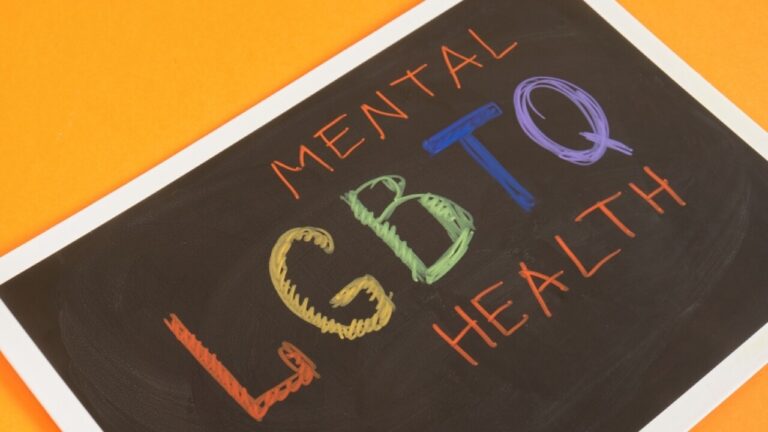
Programs may offer dual diagnosis, trauma-focused, chronic pain, eating disorders, perinatal, adolescent, veterans, LGBTQIA+, faith-based, and gender-specific services.
Evidence-Based Modalities
The modalities include CBT, DBT, EMDR, motivational interviewing, contingency management, family therapy, and medication-assisted treatment (MAT).
How to Choose
Ask why the level, track, and therapies fit your goals, how progress will be measured, and how the plan will change as you improve.
How These Programs Help You Heal
These programs can help you heal by adding structure, teaching skills, and surrounding you with peers. Teams map triggers and plan relapse prevention; case managers link housing, work, and care, whilst clinicians oversee medications and safety. Involving family could strengthen support. Culturally responsive care, matched to language and values, also builds trust and improves outcomes.
What to Expect: From Intake to Daily Schedule
At intake, you’ll complete an assessment, make a safety plan, review consent and privacy, and set goals. A typical day includes a morning check-in, medications, group therapy, and one-to-one sessions. Also, it provides wellness blocks for sleep, nutrition, movement, case management, and peer support. You’ll plan the next steps together each day.
Choosing the Right Program (Checklist)
Choosing a program is easier when you know what to look for. Use this checklist to pick the right one:
Accreditation and Licensure
Choose programs with a state licence and independent accreditation (Joint Commission or CARF). For substance-use care, ask if levels of care follow ASAM criteria.
Staff Credentials and Care Model
Verify psychiatrists, psychologists, nurses, and social workers. Ensure assessment-led, personalised plans using evidence-based treatments.
Outcomes Tracking and Aftercare
Ask about measurement-based care (regular scales or feedback) and how results change the plan. Confirm step-downs, relapse prevention, and follow-ups.
Inclusivity and Safety
Look for language access, interpreters, culturally responsive, trauma-informed practices across the program.
Logistics and Access
Check location, schedule, transport, and hybrid/telehealth options. Clarify costs, insurance coverage, wait times, and crisis support.
Endnote
Clinician-led treatment programs typically begin with assessment, use evidence-based therapies, and operate across levels of care. Structured routines, skill building, medication when indicated, and peer and family support minimize risks and support recovery. Measurement, aftercare, and culturally responsive practice also improve continuity. In emergencies, you must contact emergency services.