ETOH Abuse Explained: Understanding Ethyl Alcohol, Dangers, and Treatment
Understanding Ethyl
In the world of medical terminology and clinical practice, the substance we commonly refer to as alcohol is often known by its chemical shorthand: ETOH. For many, the term may sound detached and clinical, but its impact on individuals, families, and communities is anything but. ETOH, or ethyl alcohol, is a powerful central nervous system depressant, and its abuse is a public health crisis that touches millions of lives.
As a seasoned professional who has spent decades navigating the complexities of addiction, I’ve seen firsthand how a seemingly harmless social habit can spiral into a life-altering condition. The purpose of this guide is to demystify ETOH abuse, to shed light on its profound dangers, and to provide a clear, compassionate roadmap to effective treatment. This article is designed to be a definitive resource—not just for those struggling with alcohol use disorder, but for their loved ones, caregivers, and anyone seeking to understand this pervasive issue with a level of detail and authority that inspires hope and action.
What is ETOH and Why Does Abuse Occur?
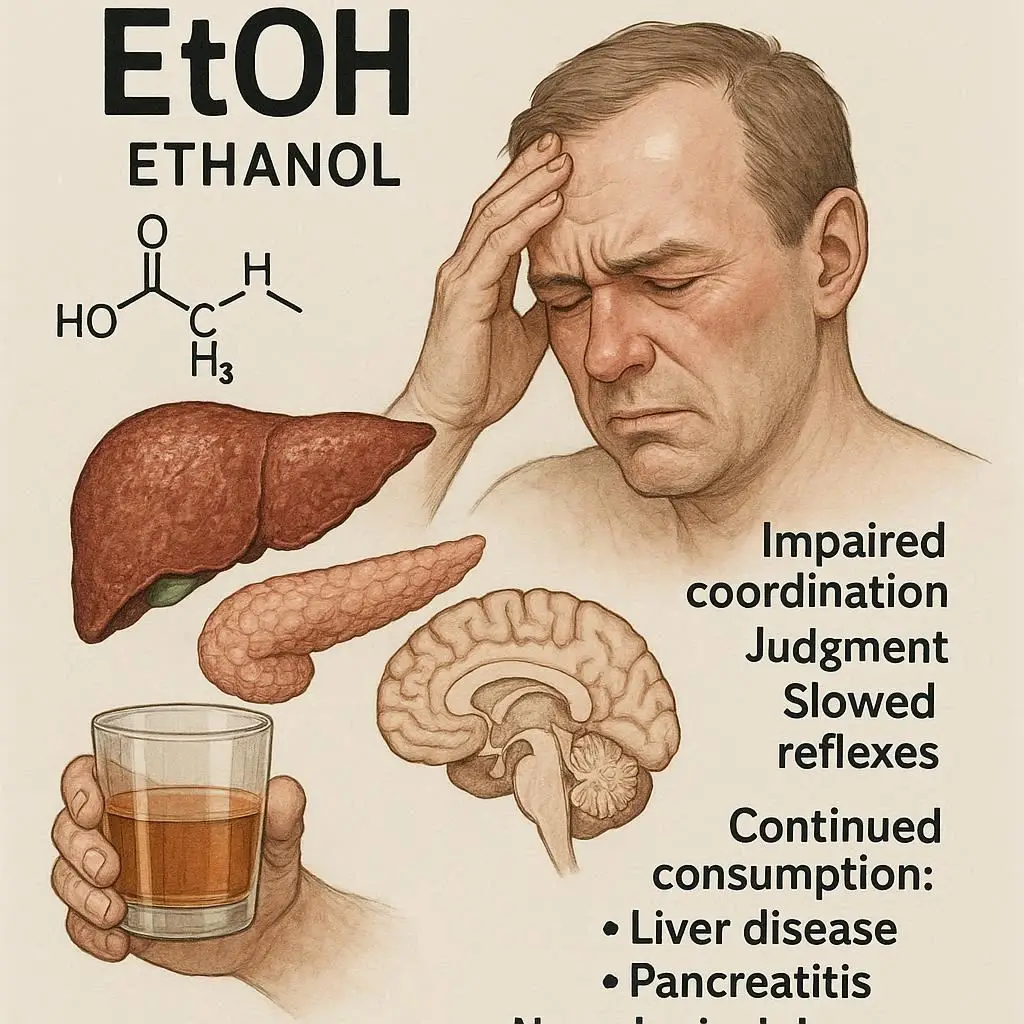
At its core, ETOH is a psychoactive substance found in alcoholic beverages. When consumed, it rapidly enters the bloodstream and affects the brain’s neurotransmitters, altering mood, judgment, and coordination. The initial “feel good” effects—the brief euphoria and lowered inhibitions—are what often lead to its repeated use. But behind this fleeting effect lies a complex pathology of dependence.
A Deeper Look at the Chemistry and Its Effects
ETOH’s primary mechanism of action involves enhancing the effects of GABA, a neurotransmitter that reduces nervous system activity. This explains the sedative and calming effects associated with drinking. Simultaneously, it inhibits the activity of glutamate, an excitatory neurotransmitter, which further contributes to the sense of relaxation and slowed reaction times. Over time, the brain and body adapt to this chemical imbalance, creating a new, dependent baseline. When ETOH is removed, the brain’s overactive state, now unchecked by GABA, can lead to severe and potentially life-threatening withdrawal symptoms.
The Multifaceted Roots of ETOH Abuse
The journey to ETOH abuse is rarely a single, straight path. From my experience, it’s a convergence of psychological, environmental, and genetic factors.
- Psychological Factors: Many individuals use alcohol as a form of self-medication to cope with underlying mental health conditions such as anxiety, depression, PTSD, or unresolved trauma. It’s a temporary escape that, in the long run, exacerbates the very problems it’s meant to alleviate. The illusion of control gives way to a cycle of dependence and worsening symptoms.
- Environmental and Social Influences: Easy access to alcohol, social pressures, cultural norms, and a family history of substance use all play a significant role. For many, a “drinking culture” in their social or professional circles normalizes heavy consumption, making it difficult to recognize when a line has been crossed into abuse.
- Genetic Predisposition: Scientific research has repeatedly shown a genetic component to alcohol use disorder. Individuals with a family history of addiction are at a higher risk, underscoring that this is not a moral failing but a disease with biological roots.
The Far-Reaching Dangers of ETOH Abuse
The consequences of long-term ETOH abuse are devastating and impact virtually every system in the body. They extend far beyond the physical, eroding mental health, relationships, and overall quality of life. Understanding these dangers is the first step toward motivating change.
The Physical Health Consequences: A Systems-Wide Breakdown
The physical effects of chronic ETOH abuse are well-documented and are a primary reason why intervention is so critical.
- Liver Damage: The liver is the body’s primary filter for toxins, and it bears the brunt of alcohol abuse. Initially, fatty liver disease can develop, which is often reversible. If drinking continues, it can progress to alcoholic hepatitis (inflammation of the liver) and eventually to irreversible liver cirrhosis, where the liver is scarred and unable to function, often requiring a transplant.
- Cardiovascular Disease: Chronic alcohol consumption can lead to a condition known as alcoholic cardiomyopathy, where the heart muscle is weakened, leading to heart failure. It can also cause high blood pressure, an increased risk of stroke, and irregular heart rhythms (arrhythmias).
- Neurological Damage: The brain is particularly vulnerable to ETOH. Long-term use can lead to brain atrophy and a reduction in gray matter. One of the most severe neurological disorders is Wernicke-Korsakoff syndrome, a two-stage condition caused by a thiamine (vitamin B1) deficiency, leading to confusion, memory loss, and coordination problems.
- Digestive System Issues: ETOH abuse can cause inflammation of the stomach lining (gastritis), ulcers, and pancreatitis, a painful and dangerous inflammation of the pancreas that can lead to diabetes.
- Weakened Immune System: Chronic ETOH consumption impairs the body’s immune response, making an individual far more susceptible to infectious diseases like pneumonia and tuberculosis.
The Mental and Emotional Toll
The link between alcohol abuse and mental health is cyclical and often difficult to untangle.
- Exacerbated Mental Health Conditions: While many use alcohol to self-medicate, it is a depressant. Over time, it can worsen symptoms of depression and anxiety, leading to a vicious cycle. The emotional lows that follow a binge can be more severe than the initial feelings, further reinforcing the need to drink.
- Increased Risk of Psychosis: In some cases, severe alcohol use can lead to alcohol-induced psychosis, characterized by hallucinations, paranoia, and delusions.
- Cognitive Decline: Beyond Wernicke-Korsakoff syndrome, chronic use can impair memory, decision-making, and problem-solving abilities, making it challenging to function in daily life and in recovery.
Recognizing the Signs of ETOH Dependence
Recognizing the signs of ETOH dependence can be challenging, as individuals often go to great lengths to hide their use. However, a pattern of escalating behaviors and physical changes can be a clear indicator that help is needed.
Behavioral and Psychological Indicators
- Increased Tolerance: Needing to drink more to achieve the same effects.
- Inability to Control Consumption: Repeatedly trying to cut back or stop drinking but being unable to do so.
- Preoccupation with Alcohol: Spending a significant amount of time drinking, thinking about drinking, or recovering from drinking.
- Neglecting Responsibilities: Failing to meet obligations at work, school, or home due to alcohol use.
- Continued Use Despite Negative Consequences: Drinking even when it causes problems with health, relationships, or finances.
Physical and Physiological Signs
- Withdrawal Symptoms: When not drinking, experiencing physical symptoms like tremors, sweating, nausea, anxiety, or insomnia. In severe cases, this can include seizures or delirium tremens (DTs).
- Craving: An intense, almost irresistible urge to drink.
- Physical Appearance: Unexplained weight changes, poor hygiene, or a flushed appearance.
- Blackouts: Gaps in memory where the person was awake and functioning but has no recollection of events.
Navigating the Path to Recovery: Treatment for ETOH Abuse
The journey to recovery from ETOH abuse is a testament to human resilience. The most successful paths begin with a crucial first step: acknowledging the need for help.
The Importance of Professional Help
Addiction is a chronic disease, and like other chronic diseases, it requires professional medical and therapeutic care. Attempting to quit “cold turkey” can be dangerous, especially for heavy, long-term drinkers, due to the risk of severe withdrawal symptoms. Professional guidance ensures safety and provides the tools for lasting recovery.
The Foundational Steps to Treatment
- Medical Detoxification: The first step is often medically supervised detox. This process safely manages the physical symptoms of withdrawal and is essential for clearing the body of ETOH and stabilizing the patient.
- Inpatient vs. Outpatient Treatment: The choice between these two depends on the severity of the addiction and individual needs.
- Inpatient Treatment: Provides 24/7 care in a residential facility. It’s ideal for those with a severe addiction, co-occurring mental health disorders, or a lack of a stable home environment. It offers a structured, distraction-free environment to focus solely on recovery.
- Outpatient Treatment (IOP): Allows individuals to attend therapy sessions for several hours a day, a few days a week, while living at home and maintaining work or school responsibilities. It’s a great option for those with a strong support system and a less severe addiction. The Recover specializes in connecting individuals with these vital outpatient programs.
Evidence-Based Therapies
Effective treatment is built on a foundation of evidence-based therapies.
- Cognitive Behavioral Therapy (CBT): Helps individuals identify and change the negative thought patterns that contribute to their drinking.
- Motivational Interviewing (MI): A patient-centered approach that helps individuals resolve their ambivalence about change and find their own motivation to recover.
- Dialectical Behavior Therapy (DBT): Focuses on skill-building in four key areas: mindfulness, distress tolerance, emotional regulation, and interpersonal effectiveness.
- Group Therapy: Provides a supportive community where individuals can share experiences, feel understood, and learn from others’ recovery journeys.
The Role of Aftercare and Long-Term Support
Recovery is a lifelong journey. After formal treatment, aftercare is crucial for preventing relapse. This can include regular therapy sessions, participation in support groups like Alcoholics Anonymous (AA) or SMART Recovery, and the development of a strong, sober support network.
The Path Forward: Hope and Healing
The road to recovery from ETOH abuse can be challenging, but it is a path filled with hope and the promise of a healthier, more fulfilling life. The key is to start, and you do not have to do it alone. The Recover is dedicated to connecting individuals with the right resources and treatment centers that meet their unique needs.
If you or a loved one are struggling with ETOH abuse, please know that help is available. Reaching out is a sign of immense strength, not weakness. Take the first step toward a new beginning by calling for a confidential assessment.
Frequently Asked Questions (FAQ) about ETOH Abuse
Q1: What does ETOH stand for?
A: ETOH is the chemical formula for ethyl alcohol, which is the type of alcohol found in alcoholic beverages such as beer, wine, and liquor. It is a common term used in medical and scientific contexts.
Q2: Is ETOH addiction a disease?
A: Yes, the American Medical Association and other leading health organizations classify alcohol use disorder (the clinical term for ETOH addiction) as a chronic brain disease. This is because chronic alcohol use leads to changes in the brain’s structure and function, making it difficult to control alcohol intake.
Q3: What is the difference between ETOH abuse and alcohol use disorder?
A: ETOH abuse is a pattern of drinking that leads to negative consequences, but a person may still have some control. Alcohol use disorder is a more severe condition characterized by an inability to stop or control drinking despite serious health, social, and professional consequences.
Q4: How long does ETOH stay in your system?
A: The rate at which ETOH is metabolized varies by individual, but on average, a person processes about one standard drink per hour. Factors like age, metabolism, body weight, and food intake can all affect this rate.
Q5: What are the symptoms of ETOH withdrawal?
A: ETOH withdrawal symptoms can range from mild to severe and include anxiety, tremors (shaking), nausea, sweating, headaches, and insomnia. In severe cases, symptoms can escalate to seizures, hallucinations, and a life-threatening condition called delirium tremens (DTs).
Q6: Can ETOH abuse lead to permanent brain damage?
A: Yes, chronic ETOH abuse can cause significant and sometimes irreversible brain damage. It can lead to a decrease in brain volume, cognitive decline, memory loss, and in severe cases, a neurological disorder called Wernicke-Korsakoff syndrome.
Q7: What are the signs of an ETOH overdose?
A: Signs of an ETOH overdose include confusion, vomiting, slowed or irregular breathing, pale or bluish skin, seizures, and loss of consciousness. An ETOH overdose is a medical emergency that requires immediate attention.
Q8: Is it safe to quit ETOH cold turkey?
A: For individuals with a severe physical dependence on ETOH, quitting cold turkey can be extremely dangerous due to the risk of severe withdrawal symptoms, including seizures and DTs. It is highly recommended to undergo a medically supervised detoxification process.
Q9: What is the primary cause of liver damage from ETOH?
A: The liver is responsible for metabolizing ETOH. Chronic, heavy drinking overloads the liver, leading to a build-up of fats, inflammation (alcoholic hepatitis), and eventually scarring (cirrhosis), which impairs the liver’s ability to function.
Q10: How do treatment centers help with ETOH abuse?
A: Treatment centers offer a comprehensive approach that typically includes medical detoxification, evidence-based therapies like CBT and DBT, group therapy, and the development of relapse prevention strategies. They provide a safe, structured environment for recovery.
Q11: Can I recover from ETOH addiction without professional help?
A: While some individuals with a mild substance use disorder may achieve recovery without professional help, it is not recommended for those with a physical dependence. The risk of severe withdrawal and relapse is significantly higher without medical and therapeutic support.
Q12: What role do support groups play in recovery?
A: Support groups like Alcoholics Anonymous (AA) or SMART Recovery provide a vital community aspect to recovery. They offer a space for individuals to share their experiences, feel understood, and receive ongoing peer support, which is critical for long-term sobriety.
Q13: What is the first step to seeking help for ETOH abuse?
A: The first and most important step is acknowledging that there is a problem and reaching out for help. A confidential call to a trusted resource like The Recover can lead to a professional assessment that determines the most appropriate level of care.
Q14: Is ETOH a drug?
A: Yes, ETOH is a central nervous system depressant and is classified as a psychoactive drug. It is a legal and socially accepted drug in many cultures, but its effects and potential for abuse and dependence are similar to those of other illicit substances.
Q15: What is the difference between an IOP and inpatient treatment for ETOH?
A: Inpatient (residential) treatment requires living at a facility 24/7 to receive intensive care. An Intensive Outpatient Program (IOP) provides a structured treatment schedule for several hours a day, a few days a week, allowing the individual to live at home and continue with their daily life.
Ready to Take the First Step?
If you or a loved one are struggling with ETOH abuse, The Recover is here to help. We understand the complexities of addiction and offer a path to healing through both inpatient and outpatient programs tailored to your specific needs. Our compassionate team can provide a free, confidential assessment to guide you toward the right treatment. Take this courageous step toward recovery and a healthier future by contacting us today.